
Parents in the Philippines constantly balance household budgets with the comfort and health of their babies. Diapers represent one of the most significant recurring expenses during the first few years of a child’s life, making bulk purchasing a highly practical strategy. When walking down the baby care aisle of a local supermarket or browsing online marketplaces, three brands consistently stand out: EQ Plus, Pampers, and Huggies. Each brand promises superior dryness, a comfortable fit, and excellent value, especially when purchased in larger bulk quantities. Deciding which bulk option, such as an eq plus jumbo pack, Pampers, or Huggies, truly gives you more for your money requires looking past flashy marketing terms and examining how these diapers perform in real-world, tropical conditions.
Finding the right diaper is not just about identifying the cheapest package on the shelf. A diaper that costs less upfront but leaks frequently can quickly become more expensive due to the increased consumption of baby wipes, extra laundry cycles, and skin care products. Conversely, a premium diaper that keeps a baby dry all night might save money by reducing the total number of diaper changes required per day. To determine which brand offers the best overall value for your household, you must evaluate how their physical designs, absorbency technologies, and sizing structures align with your baby’s unique body type, developmental stage, and daily routine.
Quick Verdict: Which Jumbo Pack Offers the Best Value?
Selecting the ideal jumbo pack diaper depends heavily on your baby’s daily needs, skin sensitivity, and physical activity levels. There is no single diaper brand that serves as a universal solution for every infant, as babies vary widely in body shape, wetting patterns, and skin resilience. Understanding the distinct market positioning and design philosophy of each brand is the first step toward making an informed financial and practical decision for your household.
Products mentioned in this guide
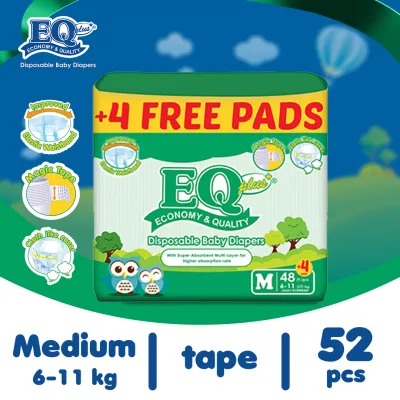
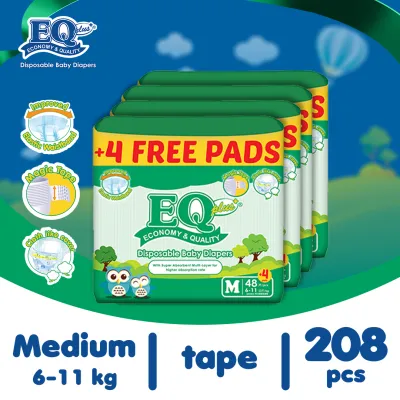
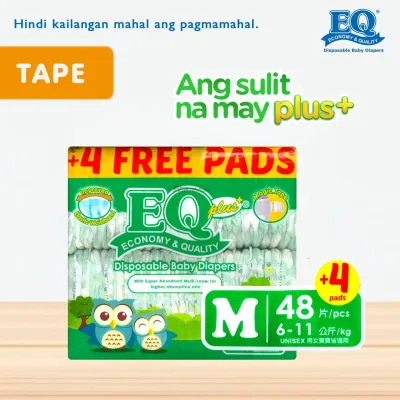
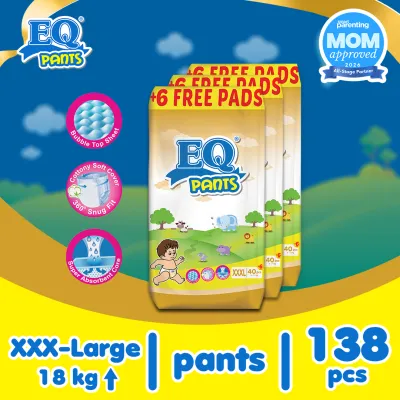
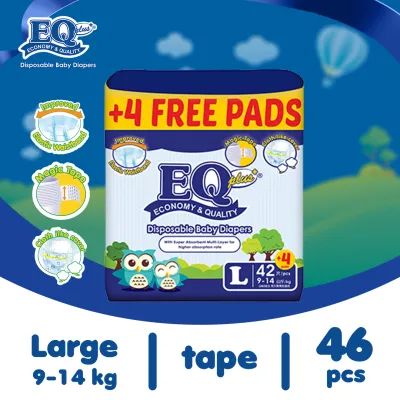
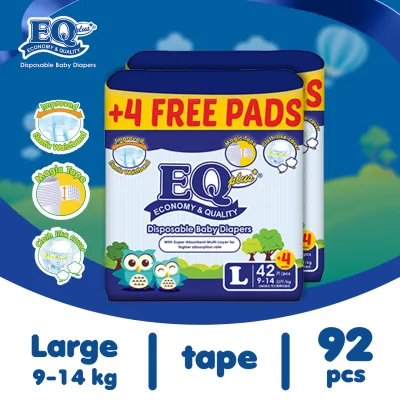
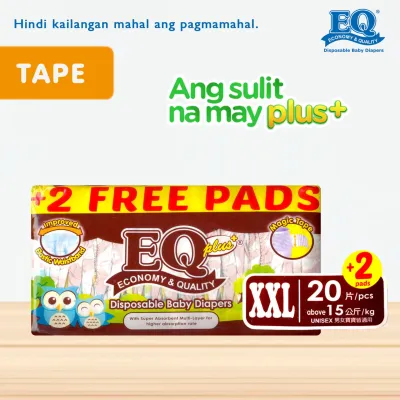
Prices are valid at publication and may change. Please refer to the product page for the latest price.
EQ Plus is widely recognized in the Philippine market as a highly budget-friendly local alternative. It is designed to provide reliable, straightforward protection without the premium price tag associated with international brands. This positioning makes it an appealing option for families prioritizing cost efficiency, particularly for daytime use when diapers are changed more frequently. The straightforward construction focuses on core functional elements, offering a practical option for parents who prefer to change diapers at regular, short intervals to maintain hygiene.
Pampers is generally positioned as a mid-to-premium tier brand, recognized globally and locally for its focus on advanced dryness technology and a lightweight profile. The brand emphasizes thinness and efficient moisture distribution, aiming to keep babies dry for extended periods without adding bulk under clothing. This makes Pampers a popular choice for overnight use and for parents who prefer a diaper that does not restrict a baby’s natural movements with heavy padding.
Huggies occupies a similar mid-to-premium space but places a strong emphasis on physical security, structural fit, and robust leak barriers. Known for its stretchy waistbands and specialized pocketed designs, Huggies is engineered to accommodate active babies who crawl, roll, and walk. The brand focuses on containment, making it a common choice for parents who struggle with diaper shifting or blowouts during active daytime play.
When making a conditional recommendation, the best value is determined by your primary parenting priorities:
- Choose EQ Plus if your main goal is to minimize your upfront diaper expenses and you plan to perform frequent, routine daytime changes for a baby with resilient skin.
- Choose Pampers if you require a slim-fitting diaper that provides reliable, long-lasting dryness for overnight sleep or extended outings.
- Choose Huggies if you have an active, highly mobile baby who needs a secure, flexible waistband and robust leg cuffs to prevent leaks during movement.
True diaper value must factor in secondary costs. A diaper that is prone to leaking can lead to increased usage of baby wipes, specialized diaper rash creams, and laundry detergent for soiled clothing and bedding. If a cheaper diaper requires you to wash bedsheets multiple times a week or treat frequent skin irritation, the initial savings are quickly lost. Therefore, evaluating value requires a holistic look at how well a diaper performs under daily conditions.
Absorbency and Leak Protection: What to Expect from Each Brand
Absorbency is the core function of any disposable diaper, directly impacting both your baby’s comfort and your household budget. Different brands employ distinct engineering methods to manage moisture, and understanding these technologies helps you anticipate how each diaper will perform under different scenarios. Rather than relying solely on manufacturer claims, parents can observe specific design features and use simple home tracking to evaluate real-world performance.

Pampers utilizes specialized absorbent channels designed to distribute wetness evenly throughout the core of the diaper. Instead of allowing liquid to pool in a single spot—which often causes the diaper to sag heavily in the front—these channels guide moisture away from the skin and spread it across the entire absorbent pad. This technology helps maintain a thinner profile even when the diaper is wet, reducing the heavy, droopy feeling that can pull a diaper away from a baby’s waist and cause gaps.
Huggies focuses heavily on physical containment barriers alongside its absorbent core. Many Huggies designs feature a specialized leak lock system and a pocketed waistband at the back. This pocket is specifically engineered to catch runny stools and sudden liquid surges before they can escape up the baby’s back. Additionally, Huggies diapers often include double leak guards around the thighs, which provide a physical barrier against wetness during sudden movements, crawling, or side-sleeping.
EQ Plus relies on a more traditional, thick absorbent pad structure. While it may lack the highly specialized distribution channels of premium brands, it provides a generous layer of absorbent material designed to handle standard wettings. EQ Plus jumbo packs also frequently feature wetness indicators on the outer cover, which change color when exposed to moisture. This simple visual cue helps caregivers identify exactly when a diaper needs changing, preventing unnecessary diaper waste from premature changes.
To evaluate absorbency and leak protection at home, caregivers can monitor several key indicators during daily use:
- Observe Core Sagging: A diaper that sags heavily after a single wetting may have poor moisture distribution, which can pull the leg cuffs away from the skin and create paths for leaks.
- Check for Outer Dampness: Run your hand along the outside of the diaper after a few hours of wear. A high-quality outer cover should feel completely dry; any dampness indicates that moisture is seeping through the backsheet.
- Test Surface Dryness: During a diaper change, gently press a dry, clean paper towel against the inner liner of the used diaper. If the towel comes away damp, the diaper's core is not locking moisture away quickly enough, leaving wetness in direct contact with your baby's skin.
Different designs excel under different conditions. For overnight use, a diaper with high-capacity distribution channels like Pampers often performs well because it keeps moisture away from the skin during long stretches of sleep. For active daytime play, the physical barriers and pocketed waistbands of Huggies offer excellent protection against the shifting and squeezing that occurs when a baby sits, crawls, or climbs. EQ Plus serves as a practical, straightforward option for structured daytime routines where changes occur at regular intervals.
Regardless of a brand’s absorbency claims, no diaper can entirely eliminate the risk of diaper rash. Prolonged skin contact with urine and stool breakdown products is the primary cause of skin irritation. Frequent diaper changes, gentle cleaning, and allowing the skin to air dry completely are the most effective defenses against diaper rash. If your baby develops persistent redness, swelling, or skin peeling, stop using the diaper brand immediately, keep the area clean and dry, and consult a pediatrician or qualified healthcare professional.
Fit, Comfort, and Skin Sensitivity Compared
A diaper’s performance is closely tied to how well it fits your baby’s unique body shape. A highly absorbent diaper will still leak if the leg openings are too loose or if the waistband gaps when the baby sits. Furthermore, because a diaper remains in constant contact with delicate skin, the softness of the materials and the presence of potential irritants are critical factors in long-term comfort.
Huggies is widely characterized by its snug, highly elastic waistband and flexible fastening ears. This design allows the diaper to stretch and contract as the baby’s tummy expands after feeding or flattens during play. The snug fit at the waist is particularly beneficial for babies with rounder builds or those who are highly active, as it helps keep the diaper securely in place without sliding down the hips.
Pampers generally offers a slimmer, more contoured cut that conforms closely to the baby’s body. The materials used are typically very soft and fabric-like, minimizing friction against the skin. This slim profile is less bulky under clothes, which can make movement more comfortable for babies who are beginning to cruise or walk. The fastening tapes are designed to be strong yet flexible, allowing for a secure fit around the hips.
EQ Plus provides a standard, traditional diaper cut that often features a slightly wider and flatter shape. While it may not offer the same level of elasticity in the waistband as premium competitors, its generous width can be advantageous for babies with broader hips or thicker thighs. The fit is straightforward, relying on adjustable tape fasteners to secure the diaper around the waist.
When evaluating materials and skin sensitivity, caregivers should carefully inspect the product packaging for specific manufacturing details. Look for labels indicating dermatological testing, hypoallergenic properties, or fragrance-free formulations. Some diapers are infused with mild lotions or botanical extracts designed to soothe the skin; however, babies with extremely sensitive skin or conditions like eczema may react to these additives. If your baby has a history of skin sensitivity, prioritizing fragrance-free and dye-free options is highly recommended.
Identifying a poor diaper fit requires observing your baby’s skin and behavior during and after wear. Caregivers should look for several clear signs that a diaper is not fitting correctly:
- Red Marks on the Skin: Deep red indentations around the baby's thighs or waist indicate that the elastic bands are too tight, suggesting it is time to size up.
- Frequent Back Blowouts: If stool consistently escapes from the back of the diaper, the waistband is either too loose or the diaper lacks sufficient height to cover the lower back.
- Leg Gaps: If you can easily insert more than two fingers into the leg cuffs, the diaper is too loose, which will inevitably lead to leaks when the baby lies down or moves.
Diaper sizing is not standardized across different brands. A size Medium in EQ Plus may have a completely different weight range, waist elasticity, and leg circumference than a size Medium in Pampers or Huggies. Always consult the specific manufacturer’s weight guidelines printed on the packaging rather than relying solely on the size label. If your baby is approaching the upper limit of a size’s weight range, or if you experience frequent leaks despite a secure fit, transitioning to the next size up often resolves the issue.
Calculating the True Cost-Per-Diaper in an EQ Plus Jumbo Pack and Competitors
To manage your household budget effectively, it is essential to understand how diaper packaging and pricing structures work. Manufacturers package diapers in various quantities, ranging from small travel packs to large bulk boxes. Among these options, the jumbo pack is a highly popular choice for parents looking to optimize their spending. Understanding the financial mechanics of bulk buying allows you to identify genuine savings.
A jumbo pack represents a higher upfront cost but typically yields a significantly lower cost-per-diaper compared to smaller retail packs. This packaging format is designed for bulk buying, allowing parents to purchase several weeks’ worth of diapers at a lower unit rate. However, because “jumbo” is a marketing term rather than a standardized industry volume, the actual number of diapers inside a jumbo pack can vary widely between brands and even between different sizes within the same brand. For example, a jumbo pack of size Small diapers will contain significantly more pieces than a jumbo pack of size XL diapers from the same manufacturer.
To determine the true value of any diaper purchase, caregivers should use a simple cost-per-diaper formula:
$$\text{Cost-Per-Diaper} = \frac{\text{Total Pack Price (in PHP)}}{\text{Total Number of Diaper Pieces in the Pack}}$$
By calculating this unit price, you can make direct, objective comparisons between different brands and package sizes, regardless of retail promotions or varying pack counts. Always check the exact piece count printed on the front of the packaging before making your calculation.
In the Philippines, parents have several options for sourcing jumbo packs at competitive rates. Official brand stores on major e-commerce platforms frequently offer bulk vouchers, seasonal discounts, and subscription services that can lower the cost-per-diaper. Supermarkets and warehouse clubs are also excellent options, providing the opportunity to inspect packaging and avoid shipping delays. When purchasing heavy bulk boxes online, always factor in shipping fees, as high delivery charges can quickly wipe out any savings gained from a discounted pack price.
While finding the lowest unit price is important, parents must also consider the hidden costs associated with diaper performance. If a cheaper diaper brand requires you to change your baby twice as often to prevent leaks, you will consume the pack twice as fast. A cheaper diaper that results in frequent leaks also increases your household expenses in other areas:
- Baby Wipes: More cleanup from leaks and blowouts requires using a larger volume of wipes per change.
- Laundry Costs: Soiled clothing, bedsheets, and blankets require immediate, hot-water washing cycles, increasing water and electricity bills.
- Skin Care: Managing diaper rash caused by poor moisture absorption requires purchasing specialized barrier creams and ointments.
Therefore, a diaper with a slightly higher cost-per-diaper that provides superior absorbency and containment can often result in overall savings for your household budget by reducing secondary consumption and maintenance costs.
Final Decision Framework: Which Brand Should You Bulk Buy?
To finalize your bulk diaper purchase, it is helpful to use a structured decision framework that matches your household budget, daily routine, and baby’s specific physical needs to the right brand. By analyzing these factors systematically, you can avoid the frustration of committing to a large quantity of diapers that do not perform well for your child.
Choose EQ Plus Jumbo Pack if:
- Your Primary Priority is Budget Optimization: You need to keep your upfront diaper expenses as low as possible while maintaining a reliable supply.
- You Perform Frequent Daytime Changes: Your daily routine allows you to change your baby's diaper every 3 to 4 hours, minimizing the need for extended-wear absorbency.
- Your Baby Has Resilient Skin: Your child does not have a history of severe skin sensitivity or allergic reactions to standard diaper materials.
- You Prefer a Standard, Generous Fit: Your baby has a broader build that accommodates a traditional, wider diaper shape well.
Choose Pampers Jumbo Pack if:
- You Need Reliable Overnight Absorbency: You want a diaper that can manage multiple wettings over 8 to 12 hours of sleep without leaking or causing skin irritation.
- You Prefer a Slim, Lightweight Design: You want to minimize bulk under your baby's clothing, allowing for a trim appearance and unrestricted leg movement.
- Your Baby Benefits from Even Wetness Distribution: You want to avoid heavy front sagging and maintain a consistent diaper shape during extended wear.
- You Value Soft, Fabric-Like Materials: You prioritize a very soft inner and outer cover to minimize friction against delicate skin.
- You Want a Built-In Wetness Indicator: You appreciate a clear visual cue to help monitor wetness levels during outings.
Choose Huggies Jumbo Pack if:
- Your Baby is Highly Active and Mobile: Your child is actively rolling, crawling, cruising, or walking, requiring a diaper that stays securely in place during movement.
- You Experience Frequent Back Blowouts: You need a specialized pocketed waistband to contain runny stools and prevent leaks up the back.
- You Require a Highly Elastic, Stretchy Fit: Your baby has a rounder tummy or a highly variable waist size, benefiting from flexible fastening ears.
- You Need Robust Physical Barriers: You want double leg guards and a secure waist seal to prevent leaks during active play or side-sleeping.
Before committing to a massive investment in a jumbo pack, parents should always purchase a small travel pack or request manufacturer samples to test the diaper’s fit and performance. Use the small pack to monitor your baby’s skin for 3 to 5 days, checking for any signs of redness, chafing, or allergic reactions. Observe how the diaper handles active movement and overnight sleep. Once you have verified that a specific brand and size provide a secure fit and keep your baby’s skin healthy, you can confidently purchase jumbo packs in bulk to maximize your household savings.
Frequently Asked Questions (FAQ)
Is it safe to stock up on jumbo packs before the baby is born?
It is generally not recommended to stock up on multiple newborn-size jumbo packs before your baby arrives. Newborns grow incredibly fast, and many infants outgrow newborn sizes within the first few weeks of life. Additionally, you cannot predict your baby’s exact birth weight, physical shape, or skin sensitivity before birth. Committing to a large bulk purchase of an untested brand or size can lead to wasted money if the diaper does not fit well or causes skin irritation. It is much safer to purchase a few small packs of different brands for the first few weeks. Once your baby’s growth stabilizes and you have identified a brand that works well, you can begin stocking up on larger jumbo packs in size Small (Size 2) or Medium (Size 3), which babies typically wear for several months.
How should I store bulk diapers in a humid climate?
Storing bulk diapers in the tropical, humid climate of the Philippines requires careful attention to prevent the absorbent materials from degrading. Disposable diapers contain superabsorbent polymers designed to attract and lock away moisture; if left exposed to humid air, these polymers can absorb ambient moisture from the environment, reducing their effectiveness before they are even used. To protect your investment, store unopened jumbo packs in a cool, dry room away from direct sunlight, high heat, and damp concrete floors. Once you open a jumbo pack, keep the remaining diapers in a sealed plastic bag or transfer them to a clean, airtight plastic container. This simple storage practice keeps the diapers dry, clean, and fully functional until they are ready for use.

Community discussion
Share your experience or ask a question. Comments are reviewed before publication.