
For active, larger toddlers in the Philippines, finding a diaper that keeps up with constant running, climbing, and squatting can be a challenge. When comparing EQ Dry, Pampers, and Huggies in the XXXL size, there is no single universal winner. The right choice depends entirely on your child’s specific body shape—such as thigh thickness and waist size—and whether they need maximum daytime flexibility or extended overnight absorbency. Because toddlers at this stage are highly active, a diaper must balance secure containment with physical comfort, especially in a warm, humid climate. This guide provides a practical framework to evaluate fit, leak protection structures, and overall value, allowing you to match the diaper’s physical design to your toddler’s daily routine and movement patterns.
Evaluating Fit and Comfort for Larger Toddlers
Active toddlers require a diaper that moves with them without causing discomfort or restricting their play. When evaluating XXXL diapers, the first physical feature to inspect is the waistband elasticity and the stretch of the fastening tabs. For tape-style diapers, the tabs should stretch smoothly and secure firmly onto the landing zone without requiring excessive force. For pants-style diapers, the entire waistband should expand easily to accommodate a full belly after meals. If the elastic is too stiff, it can leave deep red marks on your toddler’s waist, indicating that the fit is too tight or the material lacks sufficient give.
Next, examine the leg cuff heights and the flexibility of the leg openings. Larger toddlers often have thicker thighs, which are highly prone to chafing during running, squatting, or climbing. Run your fingers along the elasticized leg bands to check their softness. The material should feel gentle to the touch and stretch easily. If the leg cuffs are too rigid or the elastic is too tight, they can dig into your child’s skin, causing irritation and limiting their range of motion.
Products mentioned in this guide
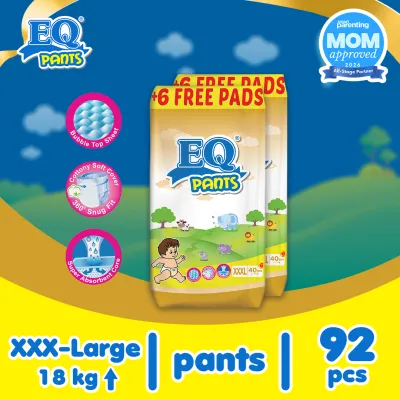
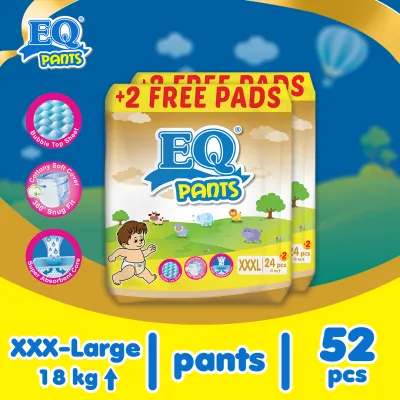
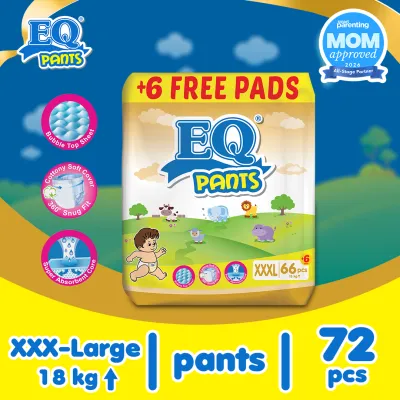
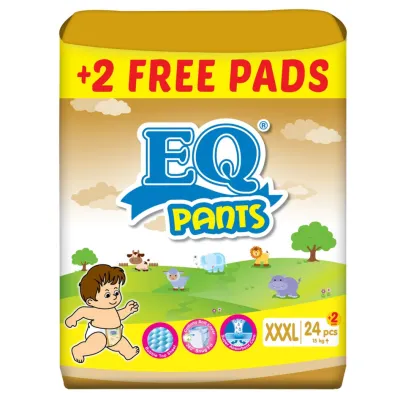
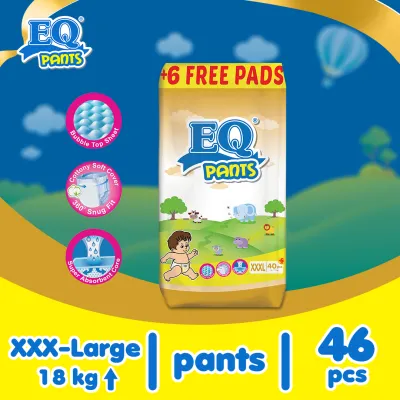
Prices are valid at publication and may change. Please refer to the product page for the latest price.
Finally, consider the breathability of the diaper’s outer layer, or backsheet. In the tropical climate of the Philippines, heat and humidity can quickly build up inside a diaper, leading to skin irritation and diaper rash. Look for indicators on the packaging that mention breathable materials, micro-pores, or air-circulation features. A breathable backsheet allows hot air and moisture vapor to escape while keeping liquid safely contained, helping to keep your toddler’s skin dry and comfortable during high-activity play.
Comparing Absorbency and Leak Protection Features
To ensure reliable leak protection, parents must look beyond marketing buzzwords and inspect the physical design elements of each diaper brand. Start by identifying the core distribution channels or layered pad designs indicated on the packaging. An effective absorbent core should distribute liquid evenly throughout the diaper rather than allowing it to pool in one spot. When liquid pools, the diaper sags and bunches between the toddler’s legs, which not only causes discomfort but also increases the risk of gravity-induced leaks when the child runs or jumps.

The physical structure of the leg gathers is another critical line of defense against leaks. Inspect the diaper to see if it features single or double leak guards. Double leak guards consist of an inner barrier that stands upright against the skin and an outer ruffle that provides secondary containment. For highly active toddlers who frequently transition between sitting, crawling, and running, double leak guards are highly recommended as they adapt more effectively to rapid changes in body posture.
Additionally, make practical use of the wetness indicator line if the diaper features one. This color-changing strip on the outside of the diaper provides a quick, visual way to monitor saturation levels without having to open the diaper. By observing how quickly the line changes color during different activities, you can better understand your toddler’s wetting patterns and adjust your changing schedule to prevent the diaper from reaching its maximum capacity.
Decision Framework: Matching the Diaper to Your Toddler's Routine
Choosing between EQ Dry, Pampers, and Huggies in the XXXL size requires matching each brand’s physical characteristics to your toddler’s daily routine and body shape.
Consider EQ Dry if your daily routine involves frequent diaper changes and you prioritize cost-efficiency per piece. If you prefer to change your toddler’s diaper every few hours to maintain optimal hygiene, a highly economical option is ideal. EQ Dry is well-suited for high-volume daytime use, allowing you to maintain a fresh diaper environment without a significant financial stretch.
Evaluate Pampers if your toddler is constantly on the move and requires a highly flexible, lightweight fit. If your child dislikes bulky diapers or shows signs of restricted movement, a thinner, more contouring design can make active daytime play much more comfortable. This style of diaper moves easily with the body, mimicking the feel of regular underwear.
Check Huggies if your toddler has a sturdier build with thicker thighs and requires robust, structured leg barriers. If you frequently experience leaks during naps, long car rides, or overnight sleep, the structured leg gathers and secure waistband of this brand can provide the extra containment needed for extended wear.
Regardless of the brand’s design, always verify compatibility by purchasing a small trial pack first. Every toddler’s body shape, skin sensitivity, and movement habits are unique. Testing a few diapers under real-world conditions allows you to observe how the diaper performs on your child before committing to a larger bulk purchase.
Calculating Value and Planning Your Purchase
When buying XXXL diapers, navigating different pack sizes and promotional claims can be confusing. To find the true value, always calculate the cost per piece. Ignore generic labels like “Value Pack” or “Super Saver” and instead divide the total price of the pack in Philippine Pesos (₱) by the exact number of diapers inside. This simple calculation allows you to compare different brands and pack sizes on an equal footing.
Once you have the unit cost, compare it against the physical dimensions and observable features of the diaper. A slightly more expensive diaper that features double leak guards, a highly breathable backsheet, and an advanced distribution core may offer better value for overnight use because it reduces the need for midnight changes. Conversely, a simpler, more economical diaper may offer the best value for daytime hours when changes are naturally more frequent.
To avoid bulk-buying mistakes, always start by purchasing a small trial pack from official brand stores or reputable online marketplaces. This ensures you are testing authentic products while minimizing financial waste if the fit or material does not suit your toddler’s skin. Once you have verified the correct fit and performance, you can confidently purchase larger boxes to secure the best long-term savings.
Frequently Asked Questions (FAQ)
When should I switch from XXL to XXXL diapers?
You should consider upgrading to XXXL diapers if you notice persistent red marks on your toddler’s waist or thighs immediately after removing the diaper, which indicates the elastic is too tight. Another sign is if the fastening tabs struggle to reach the designated landing zone securely, or if the waistband consistently sits too low on the hips during play. Finally, if you experience sudden, unexplained leaks around the legs or waist despite maintaining your regular changing schedule, it often means the current size no longer has the physical capacity or coverage required for your growing child.
How can I prevent leakages around the legs for active toddlers?
To minimize leg leaks, always run your finger around the inside of the leg cuffs after fastening the diaper to ensure the outer ruffles are pulled completely outward and not tucked inward. Make sure the diaper is positioned symmetrically on your toddler’s body, with the fastening tabs secured at matching angles to distribute tension evenly across the waist and thighs. If the leg barriers consistently gap or sag during active play despite proper application, it may be time to evaluate a different brand’s cut or transition to a larger size to ensure a more secure seal.

Community discussion
Share your experience or ask a question. Comments are reviewed before publication.