
Finding the right Extra Large (XL) diaper for an active toddler often comes down to a balance of physical fit, absorbency, and skin comfort. In the Philippines, where high humidity and heat are constant daily factors, parents frequently compare three major brands: EQ Dry, Pampers, and Huggies. Because every toddler has a unique body shape—some with chubby thighs and others with slender waists—there is no single diaper brand that works perfectly for every child. Instead, the ideal choice depends on how a brand’s specific cut and design align with your toddler’s physical build and daily activity level.
Evaluating these brands requires looking beyond marketing claims and focusing on observable design features. A diaper that fits one toddler perfectly might cause leaks or red marks on another of the exact same weight. By understanding how EQ Dry, Pampers, and Huggies construct their XL diapers, you can make an informed decision that keeps your toddler dry, comfortable, and free to move throughout the day.
Understanding XL Diaper Sizing and Design Differences
When toddlers reach the active stage of walking and running, their diaper needs change significantly. Most manufacturers design Extra Large (XL) diapers for toddlers weighing roughly 12 to 17 kilograms, but these weight brackets are general guidelines rather than absolute rules. Sizing can vary considerably not only between different brands but also between different product lines within the same brand, such as taped diapers versus diaper pants.
Products mentioned in this guide
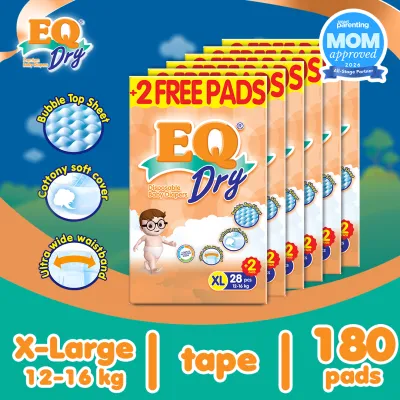
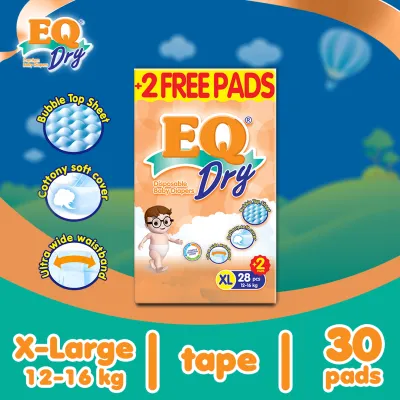
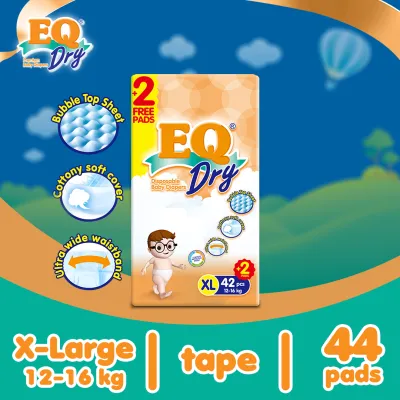
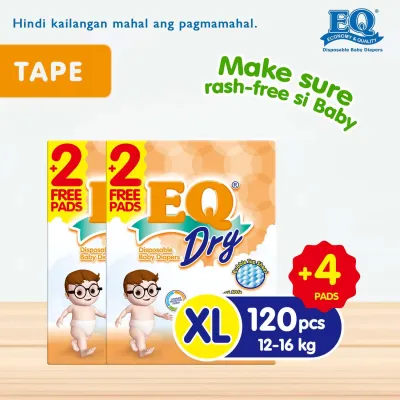
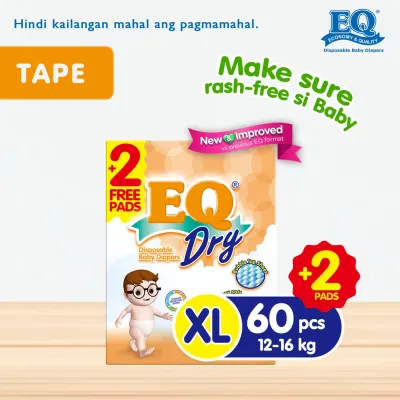
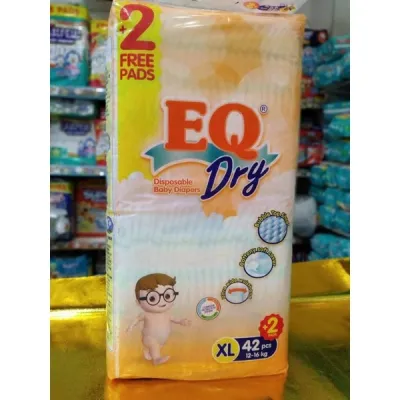
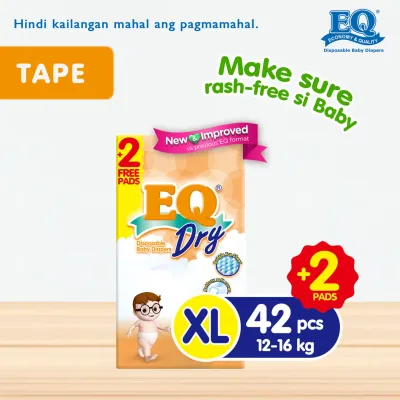
Prices are valid at publication and may change. Please refer to the product page for the latest price.
The physical dimensions of an XL diaper—including the rise, waist width, and crotch width—differ across EQ Dry, Pampers, and Huggies. For instance, some brands opt for a wider, more traditional cut that provides generous coverage over the hips and bottom, while others utilize a narrower, more contoured shape designed to reduce bulk between the thighs. These structural differences mean that a toddler who fits comfortably in one brand’s XL size might find another brand’s XL either too loose around the legs or too tight around the waist.
Waistband elasticity and leg cuff designs also vary based on packaging specifications. Taped variants rely on stretchable fastening ears to secure the fit, whereas pants variants feature a 360-degree elastic waistband designed to mimic regular underwear. Because an XL label does not guarantee identical physical dimensions across these three brands, parents must verify the actual fit on their child’s body rather than relying solely on the size printed on the packaging.
Comparing Fit, Flexibility, and Leak Protection for Active Toddlers
Active toddlers require a diaper that moves with them as they crawl, walk, run, and climb. The waistband and leg gathers must be flexible enough to expand and contract with the child’s movements while maintaining a secure seal against leaks. If a diaper lacks sufficient elasticity, physical activity can cause the material to gap, leading to leaks even if the diaper is not fully saturated.

Common fit issues often manifest as thigh gaps or excessive waist tightness. Toddlers with rounder bellies and slimmer thighs may experience gapping around the leg openings if the diaper’s leg cuffs are too loose. Conversely, toddlers with chunky thighs might experience friction and red marks if the leg gathers are too tight or if the elastic material is too stiff. Each brand’s structural design aims to address these issues differently, utilizing varying levels of elastic tension and material softness.
To ensure your toddler has a proper, leak-resistant fit, you can perform several simple, observable checks during diaper changes:
- The Two-Finger Rule: Slide two fingers easily between the diaper's waistband and your toddler's tummy to ensure it is secure but not constricting.
- Leg Cuff Check: Run your finger around the leg openings to ensure the outer ruffles (the leg cuffs) are fully pulled out and not tucked inward, which is a primary cause of side leaks.
- Symmetry Check: For taped diapers, verify that the fastening tabs are secured symmetrically on the front landing zone to prevent an uneven fit.
- Red Mark Inspection: Look for temporary red indentations on your toddler's waist or thighs after removing the diaper, which indicate that the current size or brand cut is too tight.
Evaluating Absorbency and Skin Comfort for Heavy Wetters
Absorbency is a critical factor for both daytime play and uninterrupted overnight sleep. Diaper manufacturers utilize different absorbent core technologies, such as super-absorbent polymers (SAP), channel designs, or specialized distribution layers, to draw liquid away from the surface quickly. The goal of these technologies is to lock moisture deep within the core, preventing it from rewetting the toddler’s skin when they sit down or move.
In addition to the absorbent core, the design of the top sheet—the layer in direct contact with the skin—plays a vital role in comfort. Some brands feature textured, embossed, or pocketed top sheets designed to minimize skin contact with wetness and loose stools. A dry top sheet reduces the risk of skin breakdown, which is the primary trigger for diaper rash.
In tropical climates like the Philippines, high humidity and heat amplify the need for excellent breathability. Diapers with micro-porous outer covers allow hot air and moisture vapor to escape while keeping liquid contained. Without adequate breathability, the diaper area can become a warm, damp environment that encourages the growth of bacteria and yeast, leading to severe diaper rash and discomfort.
Parents can easily identify signs of insufficient absorbency or poor breathability during daily use. If a diaper sags heavily or clumps up after only one or two urinations, the core may lack the structural integrity to distribute liquid evenly. Feeling dampness on the outside of the diaper or noticing that your toddler’s skin feels wet to the touch during a change are clear indicators that the diaper’s moisture-wicking capabilities are fully stretched, suggesting a need to increase changing frequency or evaluate a different diaper line.
How to Choose the Right XL Diaper for Your Toddler
Selecting the right XL diaper involves matching your toddler’s physical traits and your family’s daily routine to the specific design strengths of each brand. Because there is no universal winner, a conditional decision framework can guide your choice based on observable characteristics:
- Consider EQ Dry XL if your toddler has a solid, robust build and you prefer a wider, classic diaper cut that offers generous coverage. This option is often favored by parents looking for a practical, dependable everyday diaper that balances structural support with cost-effectiveness in ₱ for frequent daytime changes.
- Consider Pampers XL if your toddler is highly active, has a leaner or average build, and requires a lightweight, highly flexible diaper. Their designs focus on a trim, contoured fit that minimizes bulk between the legs, making it suitable for toddlers who are constantly on the move.
- Consider Huggies XL if your toddler has highly sensitive skin or chunky thighs that require exceptionally soft, plush leg gathers. Their product lines often emphasize gentle materials and flexible waistbands designed to minimize friction and skin irritation during active play.
Before committing to bulk boxes, always verify if your toddler is experiencing specific skin sensitivities or is currently transitioning between sizes. If your child is prone to localized redness, look for hypoallergenic or fragrance-free options within these brands’ premium lines.
To find the most cost-effective and comfortable solution, a practical strategy is to purchase small trial packs or travel packs from local supermarkets or online marketplaces. Testing a small quantity over a few days allows you to observe how the diaper performs under real-world conditions—such as during long afternoon naps or active outdoor play—without making a significant financial commitment.
Frequently Asked Questions (FAQ)
When is the right time to transition my toddler to XL diapers?
You should consider transitioning your toddler to XL diapers when they approach the upper weight limit of their current Large (L) size, or when you observe physical signs of a poor fit. These signs include frequent leaks or blowouts, difficulty fastening taped tabs within the designated landing zone, or the waistband sitting too far below the belly button. Additionally, if the leg cuffs leave deep, persistent red marks on your toddler’s thighs or waist, it is a clear indication that they need the extra room and rise of an XL diaper.
Can I mix different diaper brands for daytime and nighttime use?
Yes, mixing diaper brands is a highly practical and cost-effective strategy for many families. During the day, when toddlers are active and changed frequently (typically every 3 to 4 hours), you can use a highly flexible, lightweight, or budget-friendly diaper that prioritizes freedom of movement. For nighttime use, you can switch to a premium, highly absorbent diaper designed specifically for extended wear, ensuring your toddler stays dry and sleeps comfortably through the night without requiring a disruptive midnight diaper change.

Community discussion
Share your experience or ask a question. Comments are reviewed before publication.