
Finding the right diaper for your baby in a tropical climate like the Philippines involves balancing skin comfort, absorbency, and household budget. With high humidity and heat, a diaper must keep your baby dry to prevent irritation while remaining flexible enough for daily movement. EQ Dry, Pampers, and Huggies are three of the most widely available brands, each offering distinct structural designs, material compositions, and price points. Rather than searching for a single universal winner, the key is identifying which brand’s specific features align with your baby’s current growth stage, skin sensitivity, and your family’s daily routine.
Identifying Your Baby's Core Diaper Needs
Every baby has unique physical characteristics and daily patterns that dictate their ideal diaper setup. Before comparing specific brands, it is essential to assess your baby’s skin sensitivity and history of diaper rash. In warm, humid environments, sweat and trapped moisture can quickly lead to heat rash or chafing. Babies with highly sensitive skin may require diapers that explicitly list hypoallergenic materials or are free from added fragrances. Checking the packaging for these specific material labels helps minimize the risk of contact irritation.
The developmental stage of your baby also dictates the type of diaper that will work best. For newborns who spend most of their time lying down, a tape-style diaper with a soft back sheet is often selected for easy changes. As babies transition to crawling and standing, pull-up pants diapers become highly practical, allowing for quick changes even when the baby is active. Matching the diaper style to your baby’s developmental milestones ensures both comfort and convenience.
Products mentioned in this guide
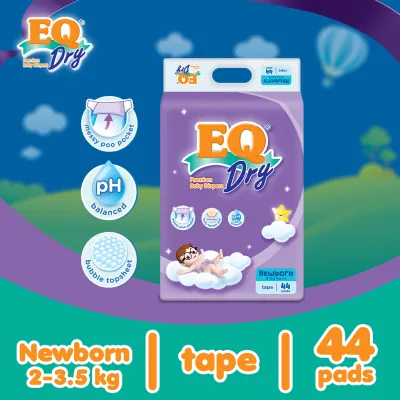
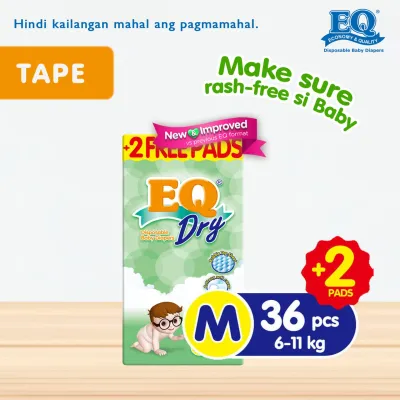
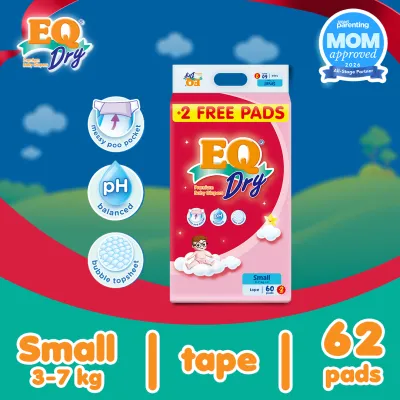

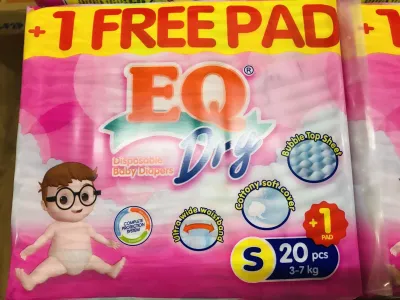
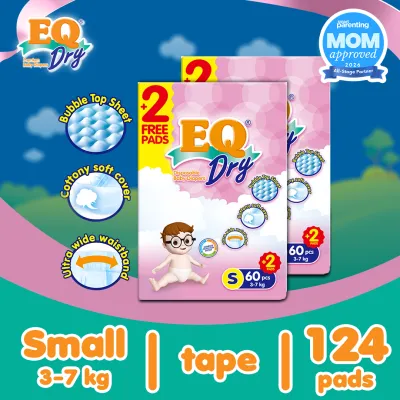
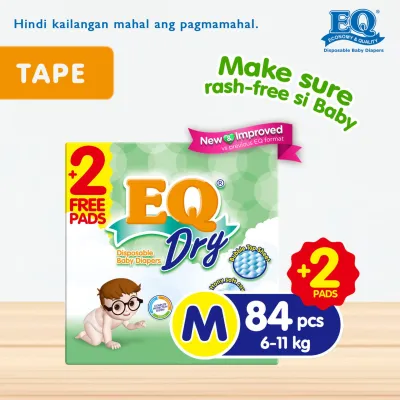
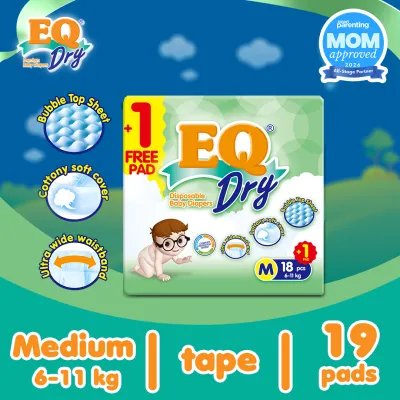
Prices are valid at publication and may change. Please refer to the product page for the latest price.
Activity levels play a major role in how a diaper performs throughout the day. A highly active infant who is crawling, rolling, or walking needs a diaper with flexible waistbands and secure leg cuffs that move with them to prevent leaks. Conversely, extended nighttime wear requires a diaper designed for sustained absorbency, keeping moisture away from the skin for several hours while the baby sleeps. Distinguishing between these daytime and nighttime priorities helps you decide whether to focus on flexibility or maximum fluid retention.
Finally, establishing a realistic per-diaper budget is crucial for long-term household planning. Because babies can go through six to ten diapers a day in their first few months, small differences in unit prices quickly add up. Calculate your estimated daily and monthly consumption rates, and set a target price per diaper in ₱. This financial baseline allows you to evaluate premium options alongside value-oriented brands without straining your household budget.
Comparing EQ Dry, Pampers, and Huggies by Observable Features
When evaluating EQ Dry, Pampers, and Huggies side by side, parents should focus on verifiable product specifications and physical designs rather than marketing claims. Inspect the packaging of each brand for specific features such as wetness indicator lines, which change color when wet, and the stated material composition. These observable details provide a clearer picture of what each diaper offers before you put it on your baby. Note that some features, like wetness indicators, may only be present on specific sizes or premium tiers within a brand’s lineup.

The physical construction of waistbands and leg cuffs varies significantly among these three brands. When examining sample units or product descriptions, check the stretchability of the waistbands and the height of the double leak guards around the thighs. A wider, more elastic waistband can help distribute pressure evenly around the abdomen, while taller leg cuffs provide a physical barrier against side leaks during active play. Additionally, look at the grip strength of the tape fasteners; high-quality tape should allow for multiple adjustments without losing its stickiness.
The thickness and composition of the absorbent core are also key observable features. Some diapers utilize an ultra-thin core design that relies on absorbent gel channels to distribute liquid evenly, reducing bulkiness between the baby’s legs. Other designs may use a slightly thicker, fluffier pulp-and-gel mixture, which some parents prefer for its cushioning feel. Examining these physical differences helps you choose a diaper that matches your preference for either low-profile flexibility or plush cushioning.
Sizing standards are not uniform across manufacturers, meaning a “Medium” in one brand may fit differently than a “Medium” in another. Always review the manufacturer’s stated weight ranges and sizing charts on the packaging before purchasing. If your baby is approaching the upper limit of a brand’s weight recommendation, it is often wise to size up to ensure adequate coverage and prevent tight elastic from digging into the skin.
| Feature | EQ Dry | Pampers | Huggies |
|---|---|---|---|
| Primary Closure Type | Refastenable tape or pull-up pants | Refastenable tape or pull-up pants | Refastenable tape or pull-up pants |
| Wetness Indicator | Available on select product lines | Available on select product lines | Available on select product lines |
| Waistband Design | Elastic back waistband on tape/pants | Stretchy sides or all-around elastic waistband | Snug-fit elastic waistband on select lines |
| Stated Material Focus | Breathable outer cover | Soft top sheet and breathable layers | Cottony soft cover and dry zone |
Note: Features may vary depending on the specific product tier, such as standard, premium, or pants variants. Always verify the exact packaging details of the specific pack you are purchasing.
Evaluating Fit, Comfort, and Leak Protection in Practice
The true test of any diaper occurs during daily wear, especially under the humid conditions of the Philippines. After removing a diaper, carefully inspect your baby’s waist and thighs for red marks or deep indentations. These marks indicate that the elastic is too tight, the size is too small, or the physical cut of the diaper does not suit your baby’s body shape. A proper fit should be snug but comfortable, allowing you to easily slide two fingers under the waistband.
To ensure the diaper performs as intended, pay close attention to how it is applied. When fastening tape diapers, ensure the tabs are placed symmetrically on the landing zone to keep the diaper centered. For both tape and pants styles, always run your finger around the leg cuffs after putting the diaper on to flare the outer guards outward. Leaving these guards tucked inward is a common cause of preventable leg leaks.
Observing where leaks occur can help you troubleshoot fit issues or decide if a brand switch is necessary. Leaks from the back of the waistband often suggest that the diaper is too small or that the waistband lacks sufficient elasticity to seal against the lower back. Leaks around the legs, on the other hand, usually point to improperly flared leg cuffs or a size that is too large, leaving gaps where fluid can escape. If leaks occur consistently despite correct application, it may be time to adjust the size or try a different brand’s cut.
To assess breathability and dryness, feel the outer cover of the diaper and your baby’s skin during changes. A high-quality diaper should keep the baby’s skin dry to the touch even when the core is full. If the skin feels damp or clammy after only a couple of hours, the diaper’s inner lining may not be drawing moisture away effectively, or the outer cover may lack the breathability needed for tropical climates. Monitoring whether the core clumps or sags excessively when wet can also help you judge the diaper’s structural integrity.
Keep a close eye on your baby’s skin condition throughout any trial period. While minor redness can sometimes occur from friction, persistent or worsening irritation requires immediate attention. If a diaper rash does not improve with frequent changes and proper air-drying, establish a clear stop condition: discontinue use of the current diaper brand and consult a pediatrician to rule out allergic reactions or infections, rather than assuming a different brand will automatically solve the issue.
Decision Framework: Choosing the Right Brand for Your Routine
Selecting the right diaper brand involves matching your practical observations with your household’s daily routine and budget. If your primary goal is finding a reliable, budget-friendly option for everyday use, EQ Dry is a strong candidate. It is widely chosen by families who prioritize straightforward structural features, a breathable outer cover, and a highly competitive price per unit that fits comfortably within a standard monthly budget.
Pampers is often suitable for parents whose babies benefit from a highly flexible, contoured fit and lightweight materials. If your budget accommodates a slightly higher price tier, this brand’s focus on thin, absorbent cores and stretchy side panels makes it a practical choice for babies who need minimal bulk during active daytime play or long stretches of sleep.
Huggies is well-suited for babies who require robust structural support around the waist and legs to prevent leaks. If your baby is highly active or prone to blowout leaks, the snug waistband design and secure leg cuffs of Huggies can provide the physical containment needed, provided the per-unit cost aligns with your household spending limits.
Before committing to a bulk purchase of any brand, always verify if your baby has pre-existing skin conditions or specific sensitivities. Cross-reference the ingredient and material lists on the packaging with professional pediatric advice. Testing a small pack first allows you to observe how your baby’s skin reacts in real-world conditions, ensuring you make an informed decision before buying in larger quantities.
Frequently Asked Questions (FAQ)
Can I mix different diaper brands for day and night use?
Yes, mixing different diaper brands or product lines for day and night use is a highly practical strategy for many families. During the day, you might choose a lighter, more flexible diaper that prioritizes breathability and ease of movement as your baby crawls and plays. For nighttime, you can switch to a diaper specifically labeled for overnight use or one from a premium line that focuses on maximum absorbency and leak containment. Always check the manufacturer’s packaging to ensure the product’s design matches your intended usage scenario, which can also help optimize your overall diaper budget.
How do I know if a diaper is causing a rash?
Distinguishing between a diaper rash caused by fit issues and one caused by material sensitivity requires careful observation. Friction-related irritation typically appears as localized redness along the waistline or thigh creases where the elastic rubs against the skin. An allergic reaction or sensitivity to fragrances, dyes, or materials usually presents as a more widespread rash across the entire area covered by the diaper. To manage skin health, ensure frequent diaper changes, allow the skin to air-dry completely, and consult a healthcare professional if you notice persistent, worsening, or severe rashes.

Community discussion
Share your experience or ask a question. Comments are reviewed before publication.