
Quick Answer: Which Diaper Brand is Right for Your Baby?
Finding the perfect diaper for your baby is a highly individualized journey, as no single brand serves as a universal solution for every family. The ideal choice depends on your baby’s unique body shape, skin sensitivity, and daily activity level. What works seamlessly for a highly active toddler might not provide the right support for a newborn with sensitive skin.
Generally, the three major brands in the Philippines occupy distinct niches in the market. The eq diaper is widely recognized for its budget-friendly value, making it an excellent option for frequent daytime changes without straining the household budget. Pampers is known for its slim, flexible fit and advanced channel absorbency technology that keeps bulk to a minimum. Huggies is favored for its robust elastic waistbands, roomier cut, and secure leak protection, which many parents rely on to prevent messy blowouts.
Because baby sizes and skin reactions vary so much, avoid buying giant boxes or bulk bundles right away. Start by purchasing small trial packs of each brand to test how they perform on your baby. Observing how a small pack handles a few days of regular use is the safest and most cost-effective way to find the perfect match before committing to a larger purchase.
Products mentioned in this guide
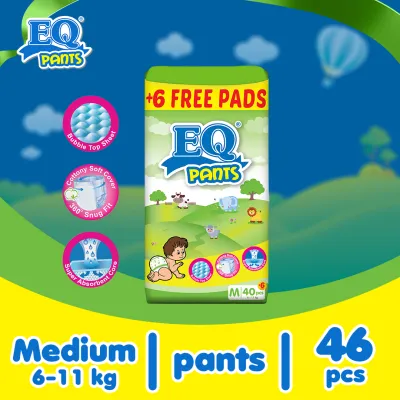
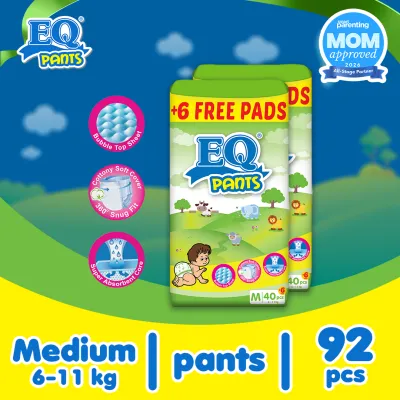
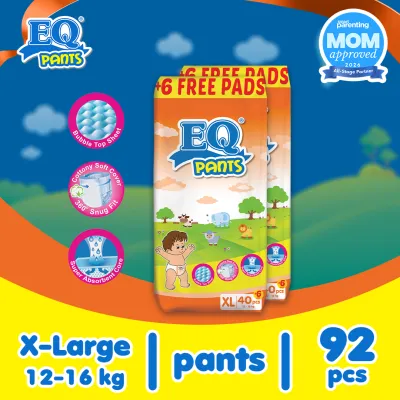
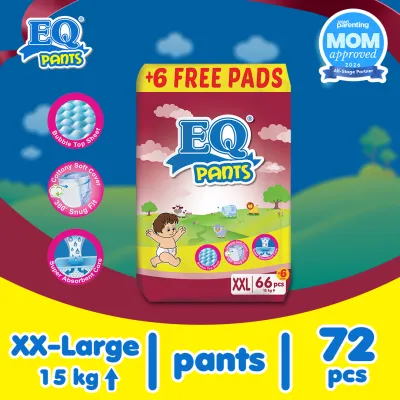
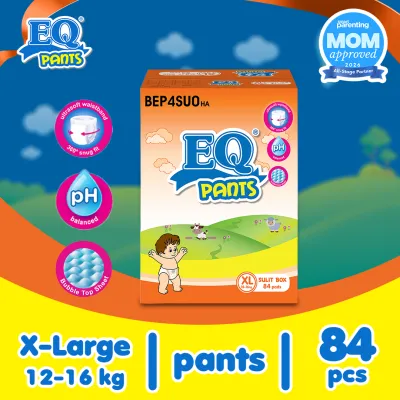
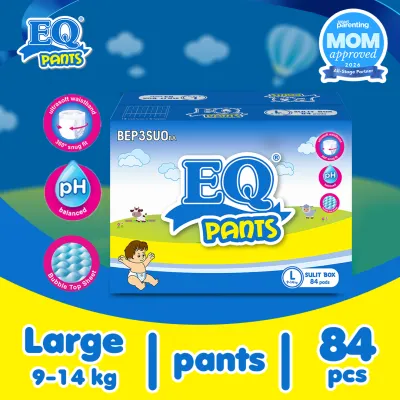
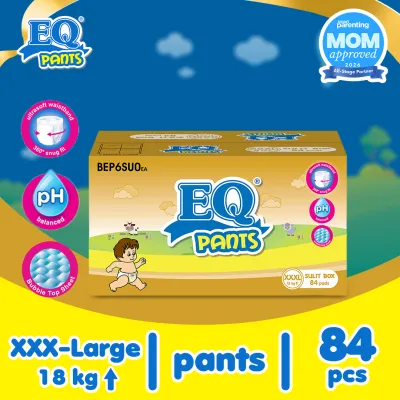
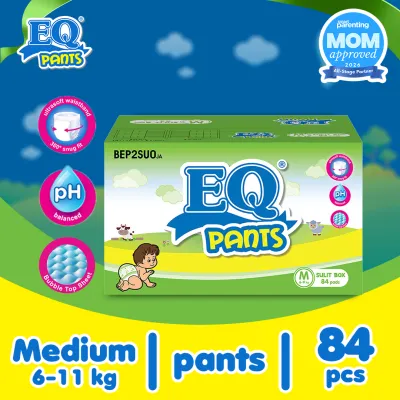
Prices are valid at publication and may change. Please refer to the product page for the latest price.
How EQ Diaper, Pampers, and Huggies Compare on Key Factors
To make an informed decision, you must evaluate how these brands perform across three essential pillars: absorbency, fit, and skin gentleness. Each of these factors directly impacts your baby’s daily comfort, sleep quality, and overall skin health.

It is important to note that performance can vary significantly depending on the specific product line you choose. Each brand offers multiple tiers, ranging from basic budget-friendly options to premium, feature-rich variants. To get an accurate comparison, always look at the specific product line—such as EQ Dry versus EQ Plus, Pampers Baby Dry versus Pampers Premium Care, or Huggies Dry versus Huggies Natural—rather than relying solely on the brand name.
Absorbency and Leak Protection
Absorbency is the foundation of any reliable diaper, especially when you want to keep your baby dry during long stretches of sleep or active play. Modern disposable diapers use absorbent cores containing specialized gel beads and channel designs to draw wetness away from the skin. Rather than looking for unverified claims about how many milliliters of liquid a diaper can hold, focus on how efficiently the core distributes moisture. High-quality cores prevent liquid from pooling in one spot, which helps maintain a dry surface against your baby’s skin.
When testing a diaper, closely observe how quickly it absorbs liquid during a diaper change. Touch the inner lining after a few hours of use; it should feel relatively dry to the touch. Pay attention to whether the diaper sags heavily or clumps into hard lumps when wet, as this can restrict your baby’s movement and cause discomfort. Additionally, inspect the leg cuffs and waistbands to ensure they remain flat and secure against the skin, as these barriers are your primary defense against leaks and messy blowouts.
Overnight absorbency requires a different approach than daytime protection. Standard daytime diapers are designed for frequent changes and may not withstand 10 to 12 hours of continuous sleep. If you want to ensure uninterrupted night sleep, verify whether the brand offers specific “nighttime” or “extra absorb” variants. These specialized lines contain a higher concentration of absorbent materials to handle multiple wettings without leaking.
Fit, Sizing, and Comfort
A diaper can only prevent leaks if it fits your baby’s body shape correctly. Different brands use distinct cuts and shapes, meaning a size medium in one brand may fit very differently than a size medium in another. Pampers typically features a slimmer, more contoured cut with highly flexible side tapes, making it a popular choice for lean, highly active babies who are starting to crawl or walk. Huggies often provides a roomier, wider cut equipped with robust elastic waistbands that stretch comfortably around rounder tummies.
The fit of an eq diaper tends to vary based on the specific product tier, with premium lines offering more elastic features than basic value lines. To find the correct fit, always weigh your baby and check the manufacturer’s weight range printed on the packaging. Never rely on age-based assumptions, as babies of the same age can have vastly different weights and body proportions. Sizing charts are guidelines, and your baby’s physical build will ultimately determine the best fit.
When putting on a diaper, always check the leg gathers to ensure they are fully flared outward rather than tucked inward. Run your finger along the inside of the leg bands; they should feel snug but comfortable. If you notice deep red marks or indentations on your baby’s thighs or waist when removing the diaper, it is a clear indicator that the current size is too small or the cut is incompatible with your baby’s body shape.
Skin Gentleness and Material Feel
Your baby’s skin is incredibly delicate, making the texture and breathability of the diaper materials highly important. Manufacturers use various top sheet textures, ranging from smooth, cotton-like fibers to quilted, textured patterns designed to minimize friction. Breathability is equally critical; diapers with micro-porous outer layers allow hot air and moisture to escape while keeping liquid locked inside, which helps keep the skin cool.
Many packages feature labels like “hypoallergenic,” “dermatologically tested,” or “organic materials.” It is important to remember that these claims are not standardized medical guarantees, and you must verify the specific material lists on the packaging if your baby has known sensitivities. No diaper can guarantee absolute prevention of skin irritation, as individual skin chemistry varies from baby to baby.
In the tropical, highly humid climate of the Philippines, managing skin moisture is a constant challenge. Heat and sweat can easily accumulate inside a diaper, significantly increasing the risk of diaper rash and heat rash (bungang-araw) regardless of the brand you choose. To protect your baby’s skin, monitor the diaper area frequently for any signs of redness, and ensure the skin is completely clean and dry before securing a fresh diaper.
Feature and Specification Checklist for Parents
Before purchasing a large pack of diapers, take a moment to inspect the packaging and product specifications. Checking these details beforehand can save you from purchasing a product that does not align with your baby’s current developmental stage or skin needs.
- Weight and Size Range: Always verify the exact kilogram (kg) range printed on the box and compare it with your baby's most recent weight measurement. Avoid buying sizes based on age labels, as babies grow at highly individual rates.
- Wetness Indicator: Look for a color-changing line on the outside of the diaper, which typically shifts from yellow to blue when wet. This feature is highly useful for newborns, helping caregivers identify when a change is needed without opening the diaper.
- Material and Fragrance: If your baby has sensitive skin or a history of allergies, check the packaging to ensure the product is fragrance-free. Some variants contain added scents to mask odors, which can occasionally trigger skin irritation in sensitive infants.
- Fastening System: Examine the closure system, noting whether the diaper uses tape or a pull-up pant style. For tape diapers, look for hook-and-loop style tapes that allow you to reposition the tabs multiple times without tearing the diaper's outer backing.
- Manufacturing Date: Locate the manufacturing or expiration date stamped on the packaging, especially when buying bulk boxes. Over time, diapers stored in humid environments can experience degraded elastics and less effective absorbent materials.
Price, Availability, and Value Considerations in the Philippines
When managing household expenses, evaluating the true cost of diapers requires looking beyond the price tag of a single pack. Because packaging counts vary widely across brands, tiers, and promotional bundles, the most accurate way to compare prices is by calculating the “cost per diaper.” To do this, simply divide the total price of the pack by the number of diapers inside. This calculation allows you to see exactly how much you are spending per change, helping you identify which option offers the best long-term value.
Fortunately, all three brands enjoy excellent availability across the Philippines. You can easily find them in local supermarkets, department stores, baby specialty shops, and official brand stores on major e-commerce platforms. For families living in residential areas, smaller packs or individual pieces are often available at local sari-sari stores, providing a convenient option for quick, emergency runs.
To ensure your baby’s safety, avoid purchasing heavily discounted diapers from unauthorized third-party sellers on online marketplaces. Counterfeit or unregulated diapers can look identical to major brands but may contain low-quality, unsanitary, or harsh materials that pose severe skin and safety risks. Always buy directly from official brand stores, authorized distributors, or reputable retail chains to guarantee you are receiving genuine products.
If you want to maximize your savings, look for bulk bundle deals, seasonal sales, or subscription options offered by official online stores. Buying in bulk can significantly lower the cost per diaper, but remember to verify current promotions and stock status directly on the platform before checking out. Additionally, ensure your baby is not on the verge of a growth spurt before purchasing a massive quantity of a single size.
How to Choose: Decision Framework for Your Baby's Needs
To simplify your final decision, you can use this practical framework to match a brand’s characteristics with your baby’s daily routine, physical build, and household budget.
- Choose EQ Diaper if: You prioritize budget-friendly value for frequent daytime changes, your baby has standard skin sensitivity, and you prefer a classic diaper cut that gets the job done without extra premium features.
- Choose Pampers if: Your baby is highly active, crawling, or walking, and you prefer a slim, flexible diaper that moves easily with their body while utilizing advanced channel technology to keep wetness away from the skin.
- Choose Huggies if: Your baby has a chunkier, rounder build, you need a highly secure elastic waistband to prevent messy back blowouts, or you want a roomier cut that provides reliable leak protection during overnight sleep.
- Verify first if: Your baby has a documented history of severe contact dermatitis, eczema, or extreme skin allergies. In these cases, consult a pediatrician before switching brands, and always patch-test a single diaper from a small trial pack on a small area of skin first.
Frequently Asked Questions (FAQ)
Can I mix different diaper brands for day and night use?
Yes, mixing different diaper brands and product lines is a highly common and practical strategy used by many parents in the Philippines. Because babies require more frequent changes during the day, using a highly affordable, standard-absorbency option like a basic eq diaper for daytime use can help keep your household expenses manageable. This approach ensures your baby stays clean and dry without overspending on premium features during hours when you can change them immediately.
For nighttime use, you can switch to a premium, high-absorbency variant from Pampers or Huggies. These premium options are designed to hold more moisture over longer periods, reducing the need for disruptive midnight diaper changes. By reserving your more expensive, high-performance diapers exclusively for bedtime, you can balance your monthly budget while still ensuring your baby enjoys long, comfortable, and uninterrupted sleep.
How do I know if a diaper is causing a rash?
Diaper rashes can develop for several reasons, including prolonged contact with wetness, friction from a tight fit, or a specific sensitivity to materials, fragrances, or adhesives. If a rash is caused by a product sensitivity, you will typically notice redness, small bumps, or dry patches localized precisely where the diaper makes contact with the skin, such as the waistband, leg cuffs, or direct seating area.
To help resolve mild redness, increase the frequency of your diaper changes, gently clean the area with plain water, and ensure the skin is completely dry before putting on a fresh diaper. Applying a thin layer of a fragrance-free barrier cream can also help protect the skin from moisture. However, if the rash persists for more than a few days, worsens, blisters, or shows signs of infection, stop using the product immediately and consult a pediatrician to receive a proper diagnosis and treatment plan.

Community discussion
Share your experience or ask a question. Comments are reviewed before publication.