
Preparing your hospital bag is one of the most exciting milestones of your pregnancy journey, but deciding which diaper type to pack for your newborn can feel overwhelming. While diaper pants are incredibly convenient for older, wriggling babies, tape diapers are generally the safer, more practical choice for the first few days of your newborn’s life.
Tape diapers offer the precise adjustability needed for a tiny baby’s unique body shape, especially when managing the delicate umbilical cord stump. Diaper pants, including EQ diaper pants, are typically designed for older, more active infants who have reached higher weight thresholds. Understanding how these designs interact with your baby’s immediate postpartum needs will help you pack your hospital bag with complete confidence.
Understanding Newborn Diaper Needs for the Hospital
During the first few days in the hospital, your newborn’s body is incredibly delicate and requires specialized care. Standard newborn sizing charts are based on birth weight, with most infants falling into a range of 2.5 to 3.5 kilograms. Packing diapers that do not align with these weight guidelines can lead to gaps around the legs or waist, resulting in messy leaks.
Products mentioned in this guide
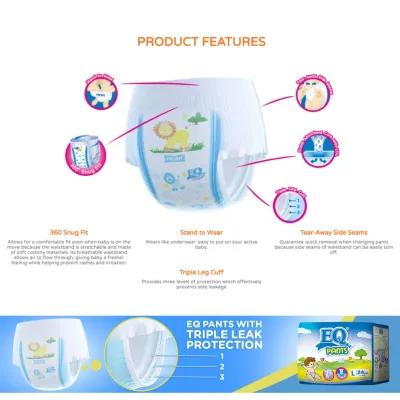
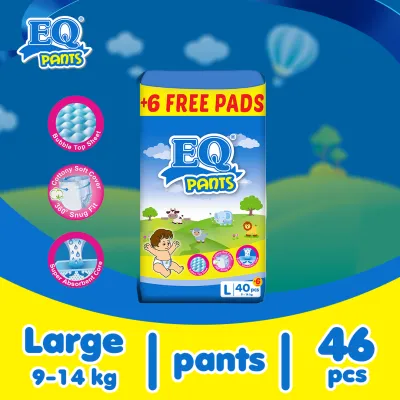
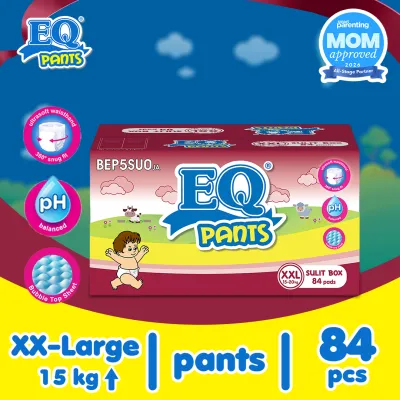
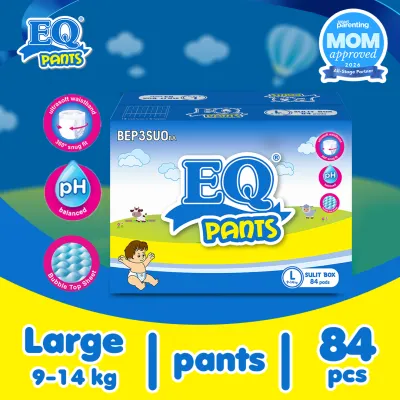
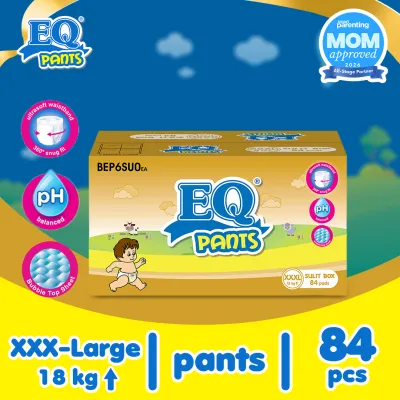
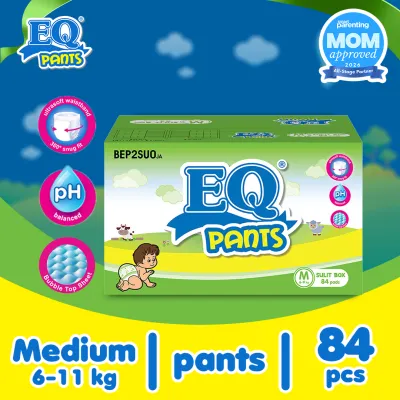
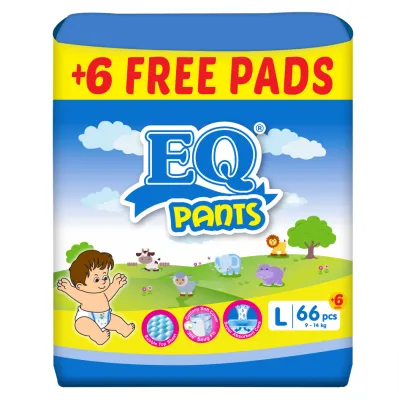
Prices are valid at publication and may change. Please refer to the product page for the latest price.
A primary physical consideration during this early period is the care of the umbilical cord stump. The stump must remain clean, dry, and exposed to air as much as possible to promote natural healing and prevent infection. Any diaper you choose must not rub against, press on, or trap moisture around this highly sensitive area.
Additionally, newborns require frequent diaper changes, often up to ten or twelve times a day as they clear meconium and begin regular feeding. In the hospital, nurses and pediatricians will also need quick, non-disruptive access to your baby for routine medical checks. A diaper that is easy to open, inspect, and re-secure without fully undressing the baby makes these early checks much smoother for both you and the medical staff.
Tape Diapers vs. Diaper Pants: Evaluating the Options
The structural differences between tape diapers and diaper pants directly impact how well they serve a newborn. Tape diapers feature adjustable adhesive or hook-and-loop tabs on the sides. This design allows you to customize the snugness around your baby’s waist and thighs, accommodating the rapid changes in their belly size before and after feedings.

In contrast, diaper pants utilize an elastic waistband that slips on like underwear. While this elastic is excellent for active, crawling babies, it can exert constant, gentle pressure across a newborn’s abdomen. For a baby with an intact umbilical stump, this elastic band may sit directly over the sensitive area, causing friction and trapping sweat in a warm, humid climate.
Sizing availability is another critical factor to evaluate before packing your bag. Most diaper pants, including popular options like EQ diaper pants, are formulated for older babies and start at larger sizes, such as Small or Medium. Finding diaper pants that safely fit a newborn weighing under three kilograms is rare, making tape diapers the standard choice for the hospital bag.
Deciding What to Pack: Conditions and Checks
To make the final decision for your hospital bag, start by checking the manufacturer’s packaging. Look closely at the minimum weight and age recommendations printed on the EQ diaper pants or tape diaper packs. If the starting weight on the package is higher than your baby’s estimated birth weight, opt for tape diapers instead.
Next, verify if the specific diaper variant you plan to buy features a newborn umbilical cord cutout. Many dedicated newborn tape diapers are designed with a curved dip in the front waistband. This structural feature ensures the umbilical stump remains completely uncovered and free from friction without requiring you to fold down the diaper waistband manually.
It is also highly beneficial to review your chosen hospital’s policies and starter kit provisions. Many hospitals in the Philippines provide a basic starter pack of diapers and wipes upon admission, which may add a small fee of several hundred ₱ to your final hospital bill. Consulting your pediatrician or attending hospital staff beforehand can help you coordinate what to bring and avoid overpacking unnecessary items.
Building Your Hospital Bag Diaper Checklist
When finalizing your hospital bag, estimating the correct quantity of diapers is essential for a stress-free stay. Plan for approximately ten diaper changes per day of your expected hospital stay. For a standard two-to-three-day delivery stay, packing around thirty diapers is a safe baseline to ensure you do not run out.
Because birth weights can vary from late-pregnancy ultrasound estimates, consider packing a mix of sizes. Including a few “Small” size tape diapers alongside your “Newborn” size pack ensures you are prepared if your baby is larger than anticipated. This strategy prevents the discomfort of fitting a baby into a diaper that is too tight around the thighs.
Do not forget to pack the essential accessories that accompany diaper changes in a tropical climate. High-humidity environments require gentle, alcohol-free baby wipes to clean delicate skin without stripping moisture. You should also pack a reliable barrier cream to protect against diaper rash, along with a portable, easy-to-clean changing pad for hospital surfaces.
Frequently Asked Questions (FAQ)
Can I use diaper pants immediately after birth if my baby is large?
You should only use diaper pants immediately after birth if your baby meets the minimum weight threshold specified on the product’s sizing chart. Even for larger newborns, you must carefully check that the elastic waistband does not rub against or cover the umbilical cord stump. If the pants sit too high or fit too tightly over the navel, stick to adjustable tape diapers until the stump falls off.
What should I do if the hospital provides a different diaper brand?
If your hospital provides a different diaper brand in their admission kit, it is generally practical to use those supplies first. Monitor your baby’s skin closely after the first few changes for any signs of redness, warmth, or irritation. If you observe a skin reaction, transition immediately to the gentle, familiar diapers you packed in your personal hospital bag.
Community discussion
Share your experience or ask a question. Comments are reviewed before publication.