
Choosing between Enfamil, Nido, and NAN for a 0-6 month old infant requires understanding a critical product distinction. While Enfamil and NAN offer dedicated Stage 1 infant formulas designed specifically for newborns up to six months, Nido is formulated for toddlers aged one year and older. Feeding a toddler formula to an infant can lead to severe digestive issues and nutritional imbalances. Therefore, for the 0-6 month stage, the comparison lies primarily between Enfamil and NAN, while Nido must be reserved for later developmental stages. The ideal choice depends on your baby’s digestive tolerance, specific nutritional profiles on the labels, and guidance from your pediatrician.
Understanding the Core Differences in Stage 1 Formulas
When evaluating infant formulas for the first six months of life, the primary goal is to find a formulation that closely matches the nutritional profile of breast milk. Standard infant formulas, often designated as Stage 1, are highly regulated to ensure they provide the exact balance of macronutrients and micronutrients required for a newborn’s rapid growth.
One of the most critical factors to check on the product label is the protein ratio, specifically the ratio of whey to casein. Breast milk is naturally whey-dominant, especially in the early months of lactation. Whey protein remains liquid in the baby’s stomach, making it much easier and faster to digest. Casein, on the other hand, forms a firmer curd in the stomach, which takes longer to break down. Standard Stage 1 formulas from brands like Enfamil and NAN typically adjust their protein ratios to be whey-dominant (often 60:40) to support a newborn’s immature digestive system.
Products mentioned in this guide
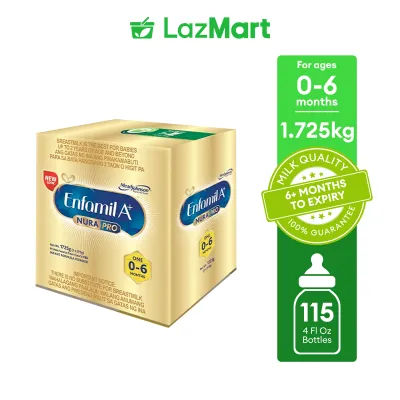
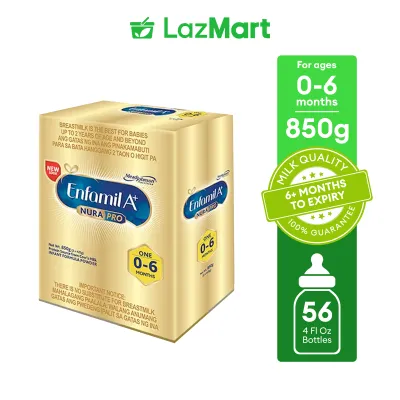
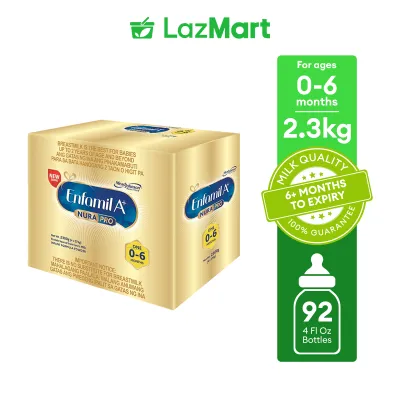

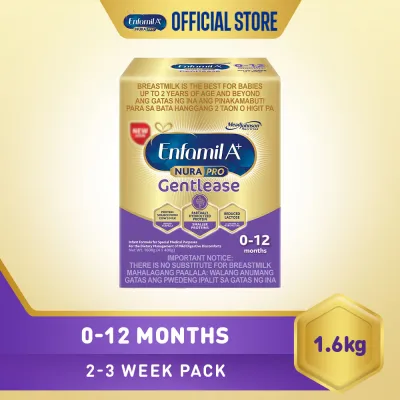
Prices are valid at publication and may change. Please refer to the product page for the latest price.
Carbohydrate sources also differ among brands. Lactose is the primary carbohydrate source in standard infant formulas, mirroring the natural sugars found in breast milk. However, some specialized formulas may use alternative carbohydrates if a baby has a diagnosed sensitivity. Parents should carefully inspect the ingredient list to ensure there are no unnecessary added sugars or corn syrups, which are inappropriate for infants in this age group.
It is vital to address the inclusion of Nido in this comparison. In the Philippines, Nido products, such as Nido 1+ or Nido 3+, are formulated strictly for toddlers and young children aged one year and older. These toddler milks contain significantly higher concentrations of proteins and minerals, which can place a dangerous strain on a newborn’s kidneys. They also lack the precise balance of vitamins and fatty acids required to sustain an infant under six months. Consequently, Nido must never be fed to a baby in the 0-6 month age range.
Ultimately, there is no single formula that is universally superior for every infant. A baby’s individual digestive system, genetic background, and overall health will dictate how well they tolerate a specific brand. Always consult a pediatrician before introducing or changing any infant formula, as they can provide personalized recommendations based on your baby’s unique developmental needs.
Comparing Nutrition Labels and Ingredient Profiles
To make an informed choice between eligible Stage 1 formulas like Enfamil and NAN, parents must learn to read and compare nutrition panels. These panels list nutrients per 100 kilocalories (kcal) or per 100 grams of powder, allowing for an accurate comparison regardless of scoop size or preparation instructions.

Start by comparing the macronutrient distribution. Look at the total protein, fat, and carbohydrate content per serving. While both Enfamil and NAN Stage 1 formulas comply with strict international and national nutritional standards, they may use different sources of fats and proteins. For instance, some formulations utilize specific vegetable oil blends to mimic the fatty acid profile of breast milk, while others may incorporate partially hydrolyzed proteins, which are pre-broken down to ease digestion for sensitive stomachs.
Next, examine the essential vitamins and minerals. Iron is a crucial micronutrient for infants, as their natural iron stores begin to deplete after birth. Ensure the formula contains adequate iron levels as recommended by your pediatrician. Other vital minerals to check include calcium, phosphorus, and vitamin D, which are essential for bone development, as well as zinc and vitamin C for immune support.
Beyond the basic nutrients, many premium formulas highlight specialized additions on their ingredient lists. Prebiotics, such as galacto-oligosaccharides (GOS) and polydextrose (PDX), are dietary fibers that feed beneficial gut bacteria. Probiotics, which are live beneficial microorganisms like Bifidobacterium lactis, may also be added to support gut health. Additionally, look for docosahexaenoic acid (DHA) and arachidonic acid (ARA), which are omega-3 and omega-6 fatty acids associated with brain and eye development. Verify the actual presence and order of these ingredients on the official ingredient list rather than relying solely on front-of-pack marketing claims.
Evaluating Price, Sizing, and Availability
Feeding an infant is a significant financial and logistical commitment, making price, packaging options, and local availability crucial practical considerations for Filipino parents.
To determine the true cost-effectiveness of a formula, do not rely on the shelf price alone. Instead, calculate the cost per 100 grams of powder. This calculation helps normalize the price differences across various packaging sizes. Premium brands like Enfamil often carry a higher price point per gram compared to other standard formulas, while NAN typically occupies a mid-to-high price range. Keep in mind that prices can vary between physical retail stores and authorized online storefronts.
Packaging options also impact both cost and convenience. Infant formulas are commonly available in metal tins (such as 400g, 800g, or 900g sizes) or cardboard box refills containing sealed foil pouches. While box refills are generally more economical, they require careful handling. In the hot and humid tropical climate of the Philippines, open formula powder is highly susceptible to moisture absorption and spoilage. If you purchase refill pouches, always transfer the sealed pouch into a clean, dry, airtight container, and keep the original batch code and expiration date for reference.
Local availability is another critical factor. A baby can become highly accustomed to a specific formula, and sudden brand switches due to stock shortages can cause digestive upset. Verify that your chosen brand is consistently stocked at major local grocery chains, supermarkets, and pharmacies (such as Mercury Drug or Watsons). To protect your baby from the risks of counterfeit or improperly stored products, only purchase formula from official brand stores, authorized distributors, or reputable physical retailers.
Recognizing Tolerance, Digestion, and When to Switch
Monitoring how your baby responds to a formula is essential for ensuring their comfort and proper growth. Every infant’s digestive tract is unique, and mild adjustments are common during the first few weeks of life.
Parents should observe normal digestive patterns versus signs of discomfort. It is entirely normal for a newborn to spit up small amounts of milk after feeding, pass gas, or have bowel movements that vary in color from yellow to green or light brown. However, concerning signs include frequent, forceful projectile vomiting, severe abdominal bloating, excessive gassiness accompanied by inconsolable crying, or stools that are consistently hard, dry, and difficult to pass.
There are several critical red flags that require you to stop using a formula immediately and seek professional medical care. These include blood or mucus in the stool, persistent vomiting that prevents the baby from keeping fluids down, chronic watery diarrhea, unexplained skin rashes or hives, swelling of the face or lips, and a failure to gain weight over time. These symptoms can indicate a serious underlying issue, such as a cow’s milk protein allergy, which requires a specialized medical formula.
If your pediatrician recommends switching formulas due to tolerance issues, it is important to follow a safe transition protocol. Do not abruptly swap brands overnight unless medically instructed to do so, as a sudden change can shock the baby’s digestive system. Typically, a gradual transition involves mixing the old and new formulas in a single bottle over several days, slowly increasing the proportion of the new formula. Always consult your pediatrician for a precise transition schedule tailored to your baby’s health status.
Decision Framework: Which Brand Fits Your Baby's Needs?
Choosing the right formula involves balancing your baby’s physiological tolerance, nutritional requirements, and your household’s practical constraints. Use this conditional framework to guide your decision-making process.
Consider Enfamil Stage 1 if your pediatrician recommends its specific blend of prebiotics and DHA levels, and if your household budget comfortably accommodates a premium-priced formula. Enfamil is often chosen by parents who prioritize specific, highly researched nutrient additions and who have consistent access to major supermarkets or pharmacies where the brand is widely stocked.
Consider NAN Stage 1 if you are looking for a highly regarded formula that offers specialized protein options, such as partially hydrolyzed proteins designed for easier digestion, at a slightly different price point. NAN is a suitable choice for parents who want a balance of advanced nutritional additions, such as specific probiotics, and reliable local availability across the Philippines.
Do not purchase Nido for an infant under six months old. Nido is not an infant formula and does not provide the necessary nutrition for a newborn. It should only be considered once your child is at least one year old and has transitioned to toddler milk under the guidance of a healthcare professional.
Before making any final decision, always consult your pediatrician. This is especially critical if your baby was born prematurely, had a low birth weight, or has a family history of severe food allergies. In these cases, standard formulas may not be suitable, and your doctor will prescribe a specialized, hypoallergenic, or therapeutic formula to ensure your baby’s safety and healthy development.
Frequently Asked Questions (FAQ)
Can I mix Enfamil, Nido, and NAN in the same bottle?
No, you should never mix different formula brands, stages, or types in the same bottle. Each infant formula is designed with a precise scoop size and water-to-powder ratio to ensure the correct concentration of nutrients and water (osmolarity). Mixing different brands or adding toddler milks like Nido can alter this delicate balance, potentially leading to severe dehydration, kidney strain, or malnutrition. If you need to transition your baby from one brand to another, consult your pediatrician for a safe, step-by-step transition plan that keeps the formulas separate or combines them under strict medical guidance.
How do I know if my 0-6 month old is allergic to a formula?
A true cow’s milk protein allergy (CMPA) is an immune system response that differs from mild digestive intolerance. Signs of an allergy include systemic symptoms such as hives, eczema, swelling of the face or lips, wheezing, chronic diarrhea, persistent vomiting, or blood and mucus in the baby’s stool. Mild intolerance, by contrast, usually presents as temporary gas, occasional spit-up, or mild fussiness as the digestive system matures. If you suspect your baby has an allergy, seek immediate medical evaluation from a pediatrician. Never switch to a specialized hypoallergenic or soy-based formula without a doctor’s prescription.

Community discussion
Share your experience or ask a question. Comments are reviewed before publication.