
Deciding on the right infant formula for your newborn is one of the most critical early choices you will make as a parent. When navigating the options for enfamil 0 to 6 months (Stage 1) versus NAN Stage 1, it is essential to understand how each brand supports your baby’s rapid development.
First and foremost, breast milk remains the gold standard for infant nutrition, providing unmatched immunological benefits and dynamic nourishment tailored to your baby’s growth. When breastfeeding is not possible, insufficient, or chosen against, modern infant formulas offer a highly regulated, safe, and nutritionally complete alternative. Any decision to introduce or change formula should always be made in consultation with your pediatrician.
Both Enfamil and NAN are prominent global brands with long-standing reputations in the Philippines, but they approach early infant nutrition with different formulation philosophies. While Enfamil often emphasizes specific fatty acid ratios and prebiotic blends for cognitive and digestive support, NAN focuses heavily on optimized protein structures and active probiotic strains to foster gut health. Choosing between them requires looking closely at your newborn’s digestive tolerance, nutritional needs, and how they respond to each unique recipe.
Products mentioned in this guide

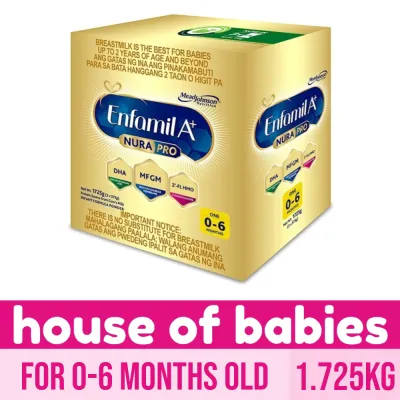
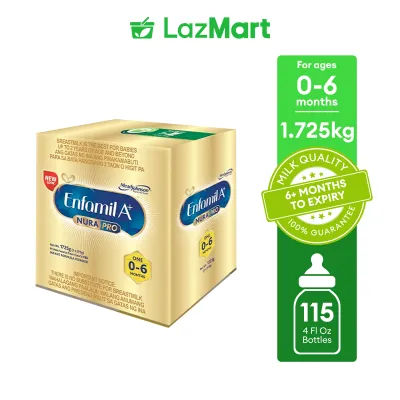
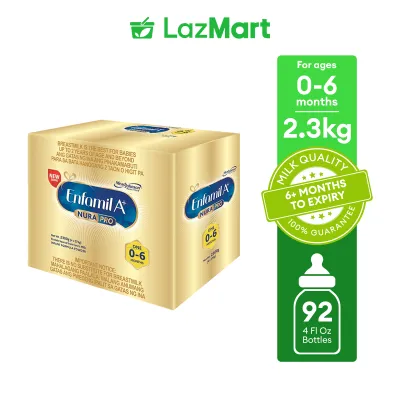

Prices are valid at publication and may change. Please refer to the product page for the latest price.
Quick Answer: Enfamil vs NAN Decision Guide
To help you navigate this decision, we have outlined a condition-based framework to identify which formula may better align with your newborn’s specific needs. Rather than declaring a single universal winner, the right choice depends on your baby’s unique system and your primary nutritional goals.
Choose Enfamil if: Your primary goal is to provide a specific DHA and ARA ratio modeled after cognitive development studies, or if your baby thrives on a formula that utilizes a tailored prebiotic blend to support soft stools and beneficial gut bacteria.
Choose NAN if: You want to focus on early gut microbiome colonization through active probiotic strains, or if your baby has a sensitive stomach that responds better to optimized, easily digestible whey-dominant protein structures.
Verify first if: Your baby has a family history of milk protein allergies, severe gastrointestinal reflux, or lactose intolerance. Standard Stage 1 formulas from either brand may not be suitable under these conditions, and you must seek professional medical guidance before selecting a specialized or hypoallergenic formula.
Nutritional Comparison: Key Ingredients for 0 to 6 Months
During the first six months of life, your newborn’s body undergoes rapid physical and neurological changes. Infant formulas are highly regulated to ensure they meet strict nutritional standards, but the specific sources, ratios, and functional ingredients used by Enfamil and NAN differ. Understanding these differences on the product label will help you make an informed choice.

Brain and Eye Development (DHA and ARA)
Docosahexaenoic acid (DHA) and arachidonic acid (ARA) are crucial omega-3 and omega-6 fatty acids that serve as structural building blocks for your baby’s developing brain and retina. During the third trimester of pregnancy and the first few months after birth, rapid brain growth makes the dietary intake of these fatty acids particularly important. Both Enfamil and NAN fortify their Stage 1 formulas with these essential lipids, but they market and package them differently.
Enfamil is widely recognized for its heavy emphasis on cognitive development, often highlighting specific DHA levels in its premium lines, such as Enfamil A+ Stage 1 in the Philippine market. NAN also includes DHA and ARA in its lipid blends to support visual and mental acuity. Because formulations can vary significantly between standard tins and premium tiers, parents should always check the exact milligram amounts and ratios printed on the nutrition information panel of the specific product packaging. Rather than assuming one brand is universally superior, consult your pediatrician to understand if a specific DHA concentration is recommended for your baby’s developmental stage.
Furthermore, the biological pathways that process these fatty acids are still maturing in newborns. Providing an external source of DHA and ARA helps support myelination—the process of forming a protective sheath around nerve fibers—which is critical for rapid signal transmission in the brain. When reviewing labels, look for how these fatty acids are sourced and whether they are paired with other supportive nutrients like choline, iron, and lutein, which also play vital roles in early sensory and cognitive pathways.
Immune Support and Gut Health
A newborn’s immune system is largely housed in the gut, where a delicate balance of microorganisms begins to form immediately after birth. To support this system, formula manufacturers add ingredients designed to mimic the immune-boosting properties of breast milk, though they use different biological mechanisms to achieve this.
NAN Stage 1 formulas typically place a strong emphasis on probiotics, which are live, beneficial bacteria. These formulas often feature specific strains, such as Bifidobacterium lactis (often listed as B. lactis), to help colonize the infant gut with healthy microbes, support digestion, and build natural defenses. In contrast, Enfamil Stage 1 formulas generally focus on prebiotics, which are non-digestible fibers that act as food for the beneficial bacteria already residing in your baby’s gut. Enfamil frequently utilizes prebiotic blends, such as galactooligosaccharides (GOS) and polydextrose (PDX), to promote soft, frequent stools similar to those of breastfed infants.
Understanding the distinction between these two approaches is key. Probiotics introduce active, live cultures directly into the digestive tract to actively compete with harmful bacteria. Prebiotics, on the other hand, feed the existing beneficial strains, helping them multiply naturally. Both methods aim to establish a robust gut barrier, which is essential for preventing infections and reducing the occurrence of colic and digestive discomfort in early infancy.
Additionally, both brands typically fortify their formulas with nucleotides, which are chemical compounds that play a role in energy transfer, metabolism, and overall immune function. Because manufacturers frequently update their recipes to reflect the latest pediatric research, it is vital to verify the exact probiotic strains, prebiotic types, and nucleotide levels on the physical tin before purchasing.
Digestibility and Tolerance: Managing Newborn Tummy Issues
A newborn’s digestive tract is highly sensitive and still maturing during the first six months. Mild gas, occasional spit-up, and changes in stool consistency are common as their systems learn to process nutrients, making the digestibility of the formula’s protein structure a major factor in comfort.
Protein Composition and Whey-to-Casein Ratio
The protein in infant formula is typically derived from cow’s milk, which naturally contains a different protein balance than human breast milk. Breast milk is highly dynamic, starting as whey-dominant (often around an 80:20 or 60:40 whey-to-casein ratio) in early lactation to allow for rapid, gentle digestion, and gradually changing over time. Stage 1 formulas for infants aged 0 to 6 months aim to mimic this early, whey-dominant ratio to prevent the formation of hard, difficult-to-digest curds in the baby’s stomach.
Casein proteins tend to form larger, firmer clumps when they react with stomach acid, which can slow down gastric emptying and lead to feelings of fullness or, in some cases, mild constipation. Whey proteins remain in a more liquid state, passing through the stomach quickly and gently. This is why a higher whey-to-casein ratio is generally preferred for very young infants who are still developing their digestive enzymes.
NAN utilizes proprietary protein optimization technologies, such as Optipro, which are designed to deliver a high-quality protein profile with adjusted protein levels to match a baby’s developmental needs without overloading their kidneys. Enfamil approaches protein composition by carefully blending whey and casein proteins to ensure they remain gentle on the stomach while providing all essential amino acids. When comparing the two, look at the nutritional label or consult the manufacturer’s official documentation to check the exact whey-to-casein ratio, as a higher whey percentage generally translates to easier digestion and less gastric emptying time for sensitive newborns.
Managing Common Newborn Tummy Issues
If your baby experiences persistent fussiness, excessive gas, or frequent spit-ups on a standard Stage 1 formula, it may indicate that their digestive system is struggling with intact cow’s milk proteins or lactose. Under these circumstances, both brands offer specialized alternatives designed to ease digestion.
Partially hydrolyzed formulas, such as Enfamil Gentlease or NAN H.A. (Hypoallergenic), feature proteins that have been pre-broken down into smaller, more manageable pieces. These smaller protein fragments require less digestive effort, which can significantly reduce gas and fussiness within a few days of use. However, it is crucial to understand the safety boundaries of these products. If your baby exhibits severe symptoms—such as projectile vomiting, persistent diarrhea, blood or mucus in the stool, a severe skin rash or eczema, or poor weight gain—do not attempt to switch formulas on your own. These symptoms can indicate a serious cow’s milk protein allergy (CMPA) or gastroesophageal reflux disease (GERD), which require immediate professional medical evaluation and potentially a fully hydrolyzed or amino acid-based prescription formula.
Daily Use: Taste, Mixing, and Preparation
Beyond nutritional values, the practicalities of daily preparation, mixing behavior, and how your baby accepts the taste of the formula play a massive role in your parenting routine.
Newborns can be surprisingly sensitive to the taste and texture of their food. Enfamil formulas, particularly those with specific prebiotic blends, sometimes have a slightly sweeter flavor profile, which some babies accept readily. However, some parents note that formulas with higher iron or specific nutritional fortifications can carry a slightly metallic scent or taste. NAN, on the other hand, is often described as having a very mild, neutral taste that closely resembles natural milk. Because every infant’s palate is unique, your baby’s acceptance of a formula is something you can only observe through direct experience.
When it comes to preparation, the physical properties of the powders differ. The scoop sizes, weight, and water-to-powder ratios are brand-specific and must never be interchanged. For example, using an Enfamil scoop for NAN powder, or vice versa, can lead to highly dangerous under-dilution or over-dilution, putting your baby at risk of dehydration, nutritional deficiencies, or severe kidney strain. Always read and strictly follow the mixing instructions printed on the specific tin you are using.
To prepare a safe bottle in a tropical, humid climate like the Philippines, follow these standard health guidelines:
- Wash your hands thoroughly with soap and clean water before handling any feeding equipment.
- Sterilize all bottles, nipples, caps, and utensils by boiling them in water for at least five minutes or using an approved steam sterilizer.
- Boil clean drinking water and let it cool down to no less than 70°C. This temperature is critical because it is hot enough to kill potential harmful bacteria, such as Cronobacter sakazakii, which can occasionally be present in dry powdered formula.
- Pour the correct amount of cooled, boiled water into the sterilized bottle first, then add the exact number of level scoops of powder as directed by the label. Do not pack the powder into the scoop.
- Mix thoroughly by gently swirling or shaking the bottle until the powder is completely dissolved.
- Cool the prepared bottle to body temperature under running tap water or in a container of cold water before feeding your baby. Test the temperature on the inside of your wrist to ensure it is lukewarm.
- Feed immediately, and discard any unfinished formula left in the bottle after one hour to prevent rapid bacterial growth.
Buying Enfamil 0 to 6 Months or NAN in the Philippines: Cost and Availability
In the Philippines, ensuring a steady, reliable supply of your chosen infant formula is vital, as sudden brand switches due to stockouts can upset your newborn’s digestive system.
Both Enfamil A+ Stage 1 and NAN Optipro One (Stage 1) are widely distributed across the Philippines. You can easily find them in major physical supermarkets like SM Supermarket, Puregold, and Robinsons, as well as leading national pharmacies such as Mercury Drug and Watsons. They are also available online through official brand flagship stores on major e-commerce platforms.
To protect your baby’s health, strongly avoid purchasing infant formula from unauthorized third-party sellers on online marketplaces. Standard Stage 1 formulas require strict temperature and humidity controls during transit and storage. Unauthorized sellers may offer lower prices, but they carry a high risk of selling counterfeit products, expired batches, or tins that have been compromised by exposure to extreme tropical heat and humidity, which degrades the nutritional quality and can introduce harmful pathogens. Always look for the “Official Store” or “Mall” badge when shopping online.
When evaluating the financial impact, do not simply compare the upfront retail price of a 400g or 800g tin. Instead, calculate the true cost per serving. Because scoop sizes and water requirements vary between Enfamil and NAN, one brand’s tin may yield more individual feeds than the other. To calculate this, divide the total price of the tin by the number of recommended scoops it contains, and multiply that by the number of scoops required for your baby’s average feed. Generally, both brands sit in the premium price tier in the Philippine market, with standard tins ranging from approximately ₱500 to over ₱1,800 depending on the size (e.g., 400g vs. 800g/900g) and the specific product line (such as standard vs. premium brain-support or hypoallergenic variants).
How to Safely Transition Between Formulas
If you need to transition your baby from breast milk to formula, or if your pediatrician recommends switching from one formula brand to another, doing so gradually is the key to preventing digestive upset.
A baby’s digestive tract adapts slowly to new protein structures and carbohydrate blends. A sudden switch can result in temporary gas, constipation, or mild spit-ups. To minimize this, implement a gradual transition plan over a period of 3 to 5 days using an alternating feed method.
On day one, replace just one of your baby’s regular feedings with the new formula, keeping all other feedings as the original formula or breast milk. On day two, replace two feedings, and continue this gradual replacement daily until your baby is exclusively taking the new formula. Do not mix two different dry powders or liquid formulas together in a single bottle, as this alters the precise scientific concentration of nutrients and can cause digestive distress.
If you are currently mixed-feeding—combining breast milk and formula—and wish to transition to a new formula brand, ensure you maintain your regular pumping or breastfeeding schedule to protect your milk supply. Introduce the new formula during the standard formula-feeding slots using the same gradual, day-by-day replacement strategy.
During this transition, it is normal to observe slight changes in your baby’s stool color, consistency, or frequency as their gut microbiome adjusts to the new ingredients. However, you must monitor them closely for adverse reactions. Stop the transition and consult your pediatrician immediately if your baby experiences persistent vomiting, severe or watery diarrhea, blood or mucus in their stool, a sudden unexplained skin rash, or signs of extreme abdominal pain such as prolonged, inconsolable crying after feeding.
Frequently Asked Questions (FAQ)
Can I mix Enfamil and NAN in the same bottle?
You should strongly avoid mixing different brands or types of infant formula in the same bottle. Each manufacturer designs their formula with a unique scoop size, powder density, and precise water-to-powder ratio to achieve the correct nutritional concentration. Mixing them together can easily disrupt this balance, leading to accidental over-concentration (which strains your newborn’s kidneys and causes dehydration) or under-concentration (which deprives your baby of essential nutrients). Additionally, the differing protein structures and prebiotic or probiotic additives may interact in ways that cause severe gas, bloating, or digestive distress. If you need to introduce a new brand, always use the alternating feed method rather than combining powders in a single bottle.
Which formula is closer to breast milk?
Both Enfamil and NAN design their Stage 1 formulas to closely mimic the complex nutritional profile of breast milk, but they focus on replicating different biological aspects. Enfamil often focuses on matching the cognitive support of breast milk by emphasizing specific fatty acid levels (DHA and ARA) and utilizing prebiotic blends that encourage soft stools similar to those of breastfed infants. NAN, on the other hand, focuses heavily on mimicking the digestibility and digestive environment of breast milk through optimized whey-to-casein protein ratios and the addition of active probiotic strains to support gut colonization. Ultimately, breast milk is a highly dynamic, living fluid that changes daily to meet your baby’s exact needs, making it impossible to replicate perfectly. Both formulas serve as safe, highly regulated, and scientifically advanced alternatives that provide excellent nutrition for your growing newborn.
Community discussion
Share your experience or ask a question. Comments are reviewed before publication.