
Deciding on the right milk formula for your child involves more than just picking a recognizable brand name. Parents in the Philippines often find themselves comparing Enfamil Ready-to-Drink, Nido, and NAN, only to realize these options represent entirely different product formats and target age groups. Enfamil Ready-to-Drink is a pre-mixed liquid designed for immediate consumption, NAN is a traditional powdered infant formula, and Nido is a powdered milk drink formulated specifically for older toddlers and growing children.
Because these products serve different developmental stages and lifestyle needs, there is no single option that works for everyone. The ideal choice depends on your child’s current age, your daily routine, and how you balance the convenience of pre-mixed liquids with the long-term cost-efficiency of powdered milk. Understanding these distinctions ensures you provide safe, age-appropriate nutrition while managing your household budget effectively.
Liquid vs Powdered: Understanding the Format Differences
The physical format of a formula dictates how it must be prepared, stored, and transported. Powdered formulas, such as traditional NAN or Nido options, require careful preparation. Caregivers must boil clean drinking water, let it cool to the manufacturer’s recommended temperature, and measure both the water and powder precisely using the provided scoop. Incorrect mixing—either adding too much powder or too much water—can lead to nutritional imbalances, dehydration, or digestive issues for your baby.
Products mentioned in this guide
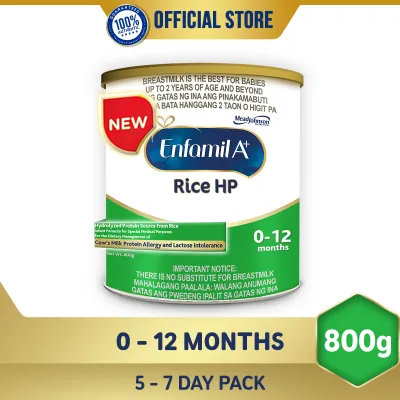
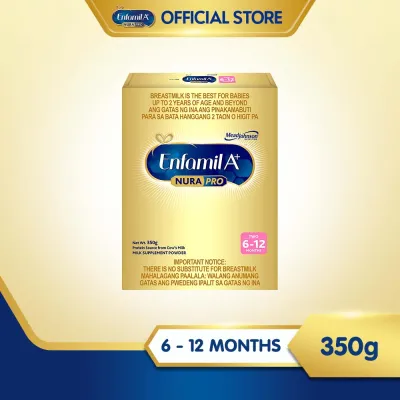
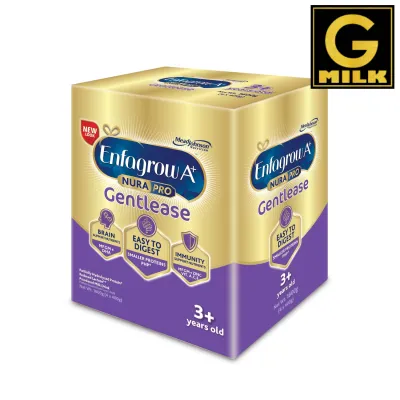
Prices are valid at publication and may change. Please refer to the product page for the latest price.
In contrast, ready-to-drink liquid formulas like Enfamil Ready-to-Drink require zero preparation. The liquid is pre-sterilized, pre-mixed to the exact required concentration, and ready to pour directly into a sterilized feeding bottle. This eliminates the need for measuring scoops, mixing, or searching for safe water sources when you are away from home.
Storage requirements also differ significantly between the two formats, especially in a tropical climate. Powdered milk is highly sensitive to the high humidity levels common in the Philippines. Once a tin or pouch is opened, moisture from the air can enter, causing the powder to clump and potentially encouraging bacterial growth if not stored in a cool, dry place and consumed within the manufacturer’s specified timeframe.
Ready-to-drink liquid formula remains sterile in its sealed container until opened. However, once the seal is broken, any unused liquid must be refrigerated immediately and consumed within a very short window, typically 24 to 48 hours. If you are traveling in areas without reliable refrigeration, or during local power outages, managing opened liquid formula becomes a significant challenge, whereas unopened single-serve bottles remain highly convenient.
Portability is another key factor for active families. Carrying powdered formula on trips requires packing sterilized bottles, measured powder dispensers, and a thermos of hot water to ensure safe mixing on the go. Ready-to-drink bottles eliminate this heavy gear, making them highly convenient for quick trips, doctor visits, or navigating heavy traffic. However, carrying a full day’s supply of liquid formula is physically heavier than carrying dry powder.
Matching the Formula to Your Baby’s Age and Stage
Before comparing nutritional profiles, you must verify the target age group of each product. Infant formulas and toddler milks are formulated differently because a child’s nutritional needs and digestive capabilities change rapidly during the first few years of life. Feeding a child the wrong stage of milk can result in nutrient deficiencies or place an unnecessary strain on their developing kidneys.

Infant formulas, such as NAN Stage 1 or Stage 2, are designed for babies from birth up to twelve months. These formulas are highly regulated and carefully balanced to serve as a primary source of nutrition when breastfeeding is not possible. Their protein, fat, and carbohydrate ratios are specifically designed to be easily digestible for young infants who have not yet transitioned to solid foods.
Toddler milks and growing-up formulas, such as Nido, are intended for children aged one year and older who are already eating a varied diet of solid foods. These products are not infant formulas and must never be given to babies under twelve months old. They are designed to supplement a toddler’s solid food intake, often containing different protein structures and added nutrients suited for active, growing toddlers.
Transitioning your child between different stages, brands, or formats should always be done gradually and under professional guidance. A child’s digestive system needs time to adapt to new protein concentrations or ingredients. Always consult your pediatrician before making any changes to your child’s milk diet, as they can provide personalized recommendations based on your baby’s growth chart and health history.
How to Compare Nutritional Labels and Ingredients
To make an informed decision, parents should look past front-of-pack marketing claims and focus on the nutrition facts panel and ingredient list on the physical packaging. Manufacturers frequently update their formulations, meaning online product descriptions or older reviews may not reflect the exact product currently sitting on store shelves.
When reviewing the label, pay close attention to the macronutrient breakdown, specifically the types of proteins and fats used. For infants, look for formulas that specify the ratio of whey to casein, as whey-dominant formulas are generally easier for young tummies to digest. For older toddlers, check the sugar content on the label, as some growing-up milks may contain added sucrose or corn syrup solids that you might prefer to limit in your child’s diet.
Essential vitamins and minerals, such as iron, calcium, vitamin D, and zinc, should be evaluated based on your child’s age. If your child has specific dietary sensitivities, such as a suspected lactose sensitivity or a family history of allergies, you must look for specialized formulations. These may include partially hydrolyzed protein formulas or lactose-free options, which should only be introduced after a formal recommendation from your pediatrician.
Always verify the allergen information and the source of ingredients printed on the container. In the Philippines, imported and locally manufactured versions of the same brand can sometimes have slight variations in their ingredient sources or manufacturing standards. Checking the physical label ensures you know exactly what is entering your child’s system.
Balancing Convenience, Cost, and Daily Feeding Value
The choice between ready-to-drink liquid and powdered formula often comes down to a trade-off between convenience and your household budget. Ready-to-drink formulas carry a significant price premium. When you calculate the cost-per-feeding, liquid options are substantially more expensive than preparing an equivalent volume of formula from a bulk powdered tin.
For daily, long-term feeding at home, relying solely on ready-to-drink liquid can quickly become financially unsustainable for many families. Powdered formula, bought in larger tins or economy packs, offers the best long-term economic value. It allows you to prepare only what your baby needs for each feed, minimizing product waste.
However, the higher cost of ready-to-drink formula is often highly justified in specific, short-term situations. During family travel, emergency situations like typhoons when clean water and electricity are compromised, or during late-night feeds when exhaustion increases the risk of powder measuring errors, having pre-mixed liquid bottles on hand provides invaluable peace of mind and safety.
Environmental impact is another factor to consider. Ready-to-drink formulas generate more packaging waste, as they require individual single-use plastic or glass bottles and plastic caps for every feed. Powdered formulas, packaged in larger, highly recyclable metal tins, present a lower environmental footprint per serving, which is an important consideration for modern parents.
How to Decide: A Conditional Choice Framework
To finalize your decision, evaluate your daily lifestyle, your child’s age, and your financial priorities using this practical framework:
Choose Enfamil Ready-to-Drink if your baby is in the infant stage, your budget comfortably accommodates a premium price point, and your primary goal is maximum convenience, travel readiness, or emergency preparedness. It is an excellent option for active families who are frequently on the go or need a reliable, hassle-free feeding option for travel and outings.
Choose NAN powdered formula if your baby is under twelve months old, you require a traditional, cost-effective infant formula for daily use at home, and you have the time and facilities to safely sterilize bottles and boil water. This option provides high-quality infant nutrition while keeping your monthly feeding expenses manageable.
Choose Nido if your child is over one year old, has successfully transitioned to a solid food diet, and requires a budget-friendly growing-up milk to supplement their daily meals. Ensure you select the specific Nido variant that matches your toddler’s exact age bracket.
Regardless of the brand or format you prefer, always verify your choice with a healthcare professional first. If your baby exhibits signs of colic, excessive gas, spitting up, or skin rashes, consult your pediatrician immediately to determine if a specialized or therapeutic formula is required.
Frequently Asked Questions (FAQ)
Can I mix ready-to-drink formula with powdered formula?
No, you should never mix ready-to-drink liquid formula with powdered formula, nor should you use liquid formula as a substitute for water when mixing powder. Doing so alters the precise, scientifically balanced concentration of nutrients and water. This can place a dangerous strain on your baby’s developing kidneys, lead to severe dehydration, or cause serious digestive complications. If you need to use both formats, feed them in separate, distinct feeding sessions.
How long can an opened ready-to-drink bottle be kept?
Once a ready-to-drink bottle is opened, any unused portion must be covered, refrigerated immediately, and consumed within the timeframe specified by the manufacturer, which is typically 24 to 48 hours. However, if your baby has already drunk directly from the bottle, any remaining liquid must be discarded within one hour. Bacteria from your baby’s saliva enter the bottle during feeding and can multiply rapidly in the warm liquid, posing an infection risk.
Is ready-to-drink formula easier to digest than powdered?
The physical format of the formula—whether liquid or powder—does not inherently make it easier to digest. Digestibility is determined by the specific ingredients, protein structures, and lactose levels within the formula. However, ready-to-drink formula eliminates the risk of human preparation errors, such as accidentally adding too much powder, which makes the feed too concentrated and can lead to constipation or digestive discomfort.
Community discussion
Share your experience or ask a question. Comments are reviewed before publication.