
When your baby experiences digestive discomfort, finding the right formula becomes an urgent priority. For parents navigating lactose sensitivity in infants aged 0 to 12 months, the choices can feel overwhelming. Selecting the wrong product can worsen digestive issues, while choosing the correct one can bring immediate relief.
To address the core question directly: Enfamil Lactose Free and NAN AL110 are specifically designed as lactose-free infant formulas suitable for the 0 to 12-month age range. In contrast, standard Nido products, such as Nido 1+, are formulated strictly for toddlers aged one year and older. Feeding standard Nido to an infant under 12 months is unsafe due to its nutritional profile and the physical demands it places on a developing baby’s kidneys. Before making any changes to your baby’s diet, you must consult a pediatrician to confirm the underlying cause of their digestive distress and verify the exact age-stage indicators on the product packaging.
Quick Answer: Which Formula Fits Your 0-12 Month Old?
If your infant under 12 months has been diagnosed with lactose sensitivity, Enfamil Lactose Free and NAN AL110 are the appropriate options to consider. Both are formulated to meet the complete nutritional needs of infants from birth up to one year while completely excluding lactose. Standard Nido is not an infant formula and must not be fed to babies under 12 months, as it is designed for toddlers and older children who have more mature digestive and renal systems.
Products mentioned in this guide
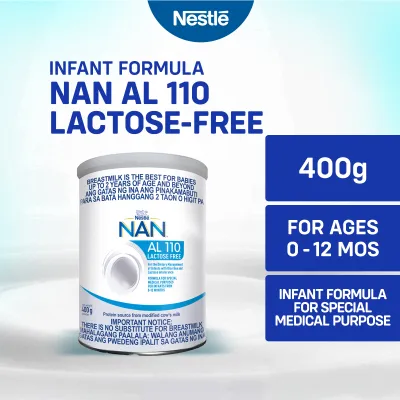
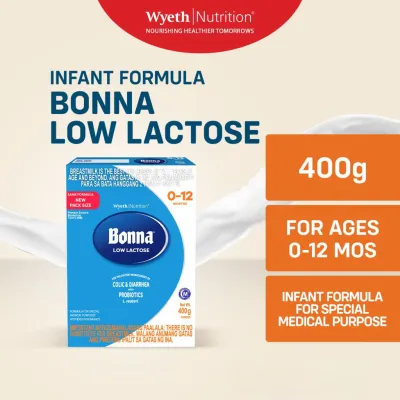
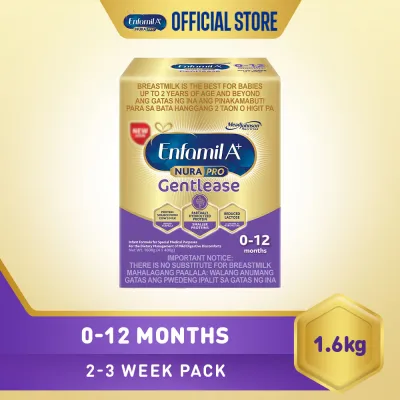
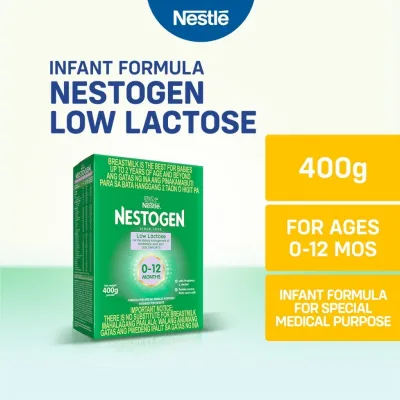
Prices are valid at publication and may change. Please refer to the product page for the latest price.
Before purchasing any milk powder, caregivers must carefully inspect the product label to verify the recommended age range and stage. Because infant digestive issues can stem from various sources, including protein allergies or temporary gut irritation, consulting a pediatrician is a vital first step. A healthcare professional can help you determine if a lactose-free formula is truly necessary or if another specialized option is required.
Recognizing Lactose Sensitivity in Infants (0-12 Months)
Distinguishing between normal infant digestion, temporary gas, and true lactose sensitivity is essential before switching formulas. Many infants experience mild gas or occasional spit-up as their digestive systems mature, which is entirely normal and typically does not require specialized milk. True lactose sensitivity, however, presents with more distinct and persistent symptoms. Caregivers should monitor for severe abdominal bloating, excessive and painful gas, and stools that are unusually watery, frothy, or acidic-smelling shortly after feeding.

It is also critical to understand the difference between lactose intolerance and cow’s milk protein allergy. Lactose intolerance involves difficulty digesting the natural sugar found in milk, which is actually quite rare in newborns unless it occurs temporarily after a bout of gastroenteritis. On the other hand, a cow’s milk protein allergy is an immune response to the proteins in milk, which requires an entirely different class of formula. If your baby exhibits severe symptoms such as blood or mucus in the stool, poor weight gain, persistent vomiting, or signs of dehydration, you must stop using the formula immediately and seek urgent medical attention.
Formula Breakdown: Enfamil, NAN AL110, and Nido
Understanding the distinct roles, target age groups, and formulations of Enfamil Lactose Free, NAN AL110, and Nido is crucial for making a safe and informed choice. Each of these brands serves a very different segment of the pediatric market, and confusing them can lead to nutritional deficiencies or digestive complications. When evaluating these options, caregivers must look beyond the brand name and carefully analyze the specific product labels, focusing on age-stage indicators and ingredient lists.
Infant formulas are highly regulated to ensure they mimic the nutritional composition of breast milk as closely as possible, providing the precise balance of proteins, fats, carbohydrates, vitamins, and minerals needed for early development. Toddler milks and family milk powders do not meet these strict standards because older children obtain most of their nutrition from solid foods. Consequently, using a toddler milk like standard Nido for an infant under 12 months can lead to severe nutritional imbalances and strain the baby’s developing organs.
Enfamil Lactose Free (0-12 Months)
Enfamil Lactose Free is specifically positioned as a complete infant formula designed for babies from birth to 12 months who exhibit sensitivity to lactose. In this formulation, the lactose is entirely replaced with alternative carbohydrate sources, typically corn syrup solids, which are much easier for a lactose-sensitive infant to digest. The protein blend is designed to be gentle on the infant’s stomach while still providing the essential amino acids required for rapid growth.
When preparing this formula, caregivers must carefully read the packaging to verify the exact mixing instructions. Because specialized formulas can have different powder densities, using the precise scoop provided in the can and following the manufacturer’s water-to-powder ratio is critical. Altering the dilution without medical supervision can lead to severe dehydration or undernutrition, compromising your baby’s health.
NAN AL110 (Lactose-Free Infant Formula)
NAN AL110 is another widely recognized lactose-free infant formula designed to support babies experiencing lactose intolerance or recovering from diarrhea-induced lactose malabsorption. It replaces lactose with maltodextrin or other easily digestible carbohydrates to prevent fermentation in the gut, which is the primary cause of painful gas and watery stools. Additionally, caregivers should check the label for specific supportive ingredients, such as high-quality proteins and essential fatty acids, which support brain and eye development.
It is vital to verify the exact age stage indicated on the NAN AL110 packaging, as manufacturers may offer different formulations tailored to specific developmental windows, such as Stage 1 for newborns and Stage 2 for older infants. Always use the specific scoop included in the container and strictly adhere to the preparation guide. In warm and humid tropical climates, ensuring that the preparation water has been boiled and cooled to the recommended temperature is essential to prevent bacterial contamination.
Nido (Age Applicability and Formulation Check)
Standard Nido products, such as Nido 1+ or Nido 3+, are formulated specifically for toddlers and young children aged one year and older. These products are fortified with vitamins and minerals suitable for a child who is already eating solid foods, but they lack the precise nutrient ratios required to sustain an infant under 12 months. Feeding standard Nido to a young baby can result in protein and mineral overloads that their immature kidneys cannot safely process.
If you prefer the brand family, you must search specifically for infant formula lines within the manufacturer’s portfolio that are explicitly labeled for infants aged 0 to 12 months, rather than using standard Nido milk powder. Never assume that a milk powder is safe for an infant simply because it is a well-known brand. Always check the front of the packaging for clear statements indicating suitability for infants from birth or up to 12 months.
Decision Framework: Choosing the Right Option
To choose the correct formula for your baby, you must follow a structured decision framework based on verified age, medical recommendations, and specific digestive needs. First, eliminate any options that do not match your baby’s exact age. If your baby is under 12 months old, standard Nido must be completely ruled out. This leaves Enfamil Lactose Free and NAN AL110 as the primary candidates for a lactose-sensitive infant.
Next, consider the specific carbohydrate and protein sources in each formula. Choose Enfamil Lactose Free if your pediatrician recommends a lactose-free regimen and your baby tolerates its specific blend of corn syrup solids and milk proteins. Choose NAN AL110 if your doctor suggests its specific formulation, ensuring you select the correct stage for your baby’s age. If your baby’s symptoms do not improve after a reasonable trial period, or if they worsen, you must consult your pediatrician to re-evaluate the diagnosis.
It is also critical to verify whether your baby is suffering from a cow’s milk protein allergy rather than simple lactose sensitivity. Because both Enfamil Lactose Free and NAN AL110 are made from cow’s milk proteins that have not been extensively broken down, they will not resolve symptoms of a protein allergy. If an allergy is suspected, your pediatrician will likely recommend a specialized hypoallergenic or amino acid-based formula instead.
Transitioning Formulas and Monitoring Your Baby
When transitioning your baby to a new formula, doing so gradually and under the guidance of a pediatrician is the safest approach. A sudden switch can sometimes cause temporary digestive upset, making it difficult to determine if the new formula is actually helping. A typical transition involves gradually mixing increasing amounts of the new formula with the old formula over several days, allowing the baby’s digestive tract and taste buds to adapt smoothly.
During this transition period, closely monitor your baby for positive signs of adaptation. You should look for a reduction in fussiness during and after feedings, more comfortable sleep, a decrease in abdominal bloating, and stools that gradually become more formed and less watery. It can take up to two weeks for a baby’s digestive system to fully adjust to a new formula, so patience and consistent monitoring are key.
However, you must be prepared to stop the transition immediately if your baby shows signs of intolerance or an allergic reaction. If you observe persistent vomiting, skin rashes, hives, extreme irritability, or complete refusal to feed, revert to the previous feeding plan and contact your pediatrician immediately. Keeping a daily log of feeding times, stool consistency, and general behavior can provide invaluable information for your doctor during follow-up visits.
Frequently Asked Questions (FAQ)
Can I use lactose-free formula for a baby with a milk protein allergy?
No, lactose-free formulas are not safe for babies with a confirmed or suspected cow’s milk protein allergy. Lactose-free formulas like Enfamil Lactose Free and NAN AL110 still contain intact proteins derived from cow’s milk; they only have the milk sugar (lactose) removed or replaced. If your baby has a protein allergy, their immune system reacts to these intact proteins, which can cause severe symptoms like blood in the stool, eczema, or respiratory issues. For a milk protein allergy, a pediatrician must prescribe an extensively hydrolyzed or amino acid-based formula.
How long should my baby stay on a lactose-free formula?
The duration of lactose-free feeding depends entirely on the underlying cause of your baby’s sensitivity. If the sensitivity is secondary—meaning it was triggered temporarily by a gastrointestinal infection or diarrhea that damaged the gut lining—your baby may only need the formula for a few weeks while the gut heals. Once the digestive tract recovers, standard lactose-containing formula can often be gradually reintroduced. If the sensitivity is persistent, your pediatrician will provide a specific timeline and guide you on how and when to safely transition back to standard formula or age-appropriate milk.
Is it safe to buy specialized formula in bulk for a lactose-sensitive baby?
It is highly recommended to purchase only a single can of specialized formula first to ensure your baby tolerates the specific brand and formulation before committing to a bulk purchase. Specialized formulas can be a significant investment, often costing upwards of ₱1,000 per can, and there is always a chance your baby may not tolerate the taste or the specific ingredients. Additionally, in warm and highly humid tropical climates, storing milk powder requires extra care. Once opened, cans must be stored in a cool, dry place and used within the manufacturer’s specified timeframe—usually three to four weeks—to prevent spoilage, clumping, and bacterial growth.
Community discussion
Share your experience or ask a question. Comments are reviewed before publication.