
Quick Answer: Best Formula for Sensitive Stomachs
When your baby experiences persistent gas, crying, or general fussiness after feedings, finding the right formula becomes an urgent priority. The infant digestive system is highly delicate and still developing, making babies prone to temporary digestive sensitivities. If you are comparing Enfamil Gentlease, NAN, and Nido for a baby between 0 and 12 months, the ideal choice depends heavily on your baby’s specific digestive symptoms and developmental stage.
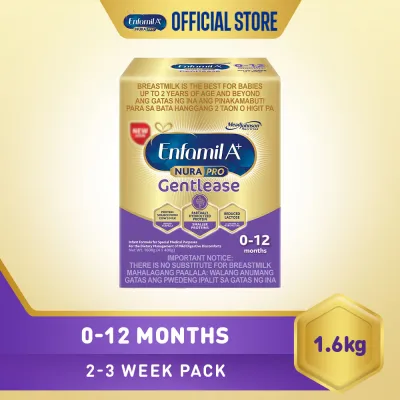
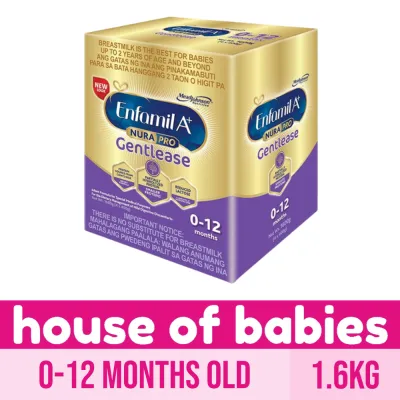
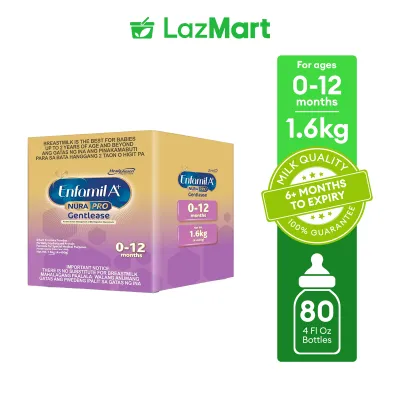
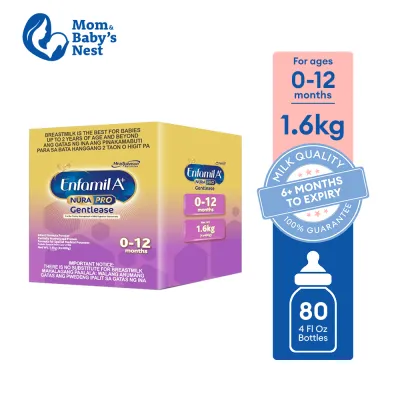
Enfamil Gentlease is specifically formulated for babies with sensitive stomachs, featuring partially hydrolyzed proteins and a reduced lactose profile. This design makes it the primary option among the three for active gas, fussiness, and mild digestive upset.
In contrast, standard NAN and Nido infant formulas are designed with intact proteins and standard lactose levels. These are excellent, nutrient-dense options for general growth and immune support, but they are best suited for babies with mature, non-sensitive digestive systems. Before making any changes to your baby’s diet, you must consult your pediatrician to evaluate their symptoms and secure a professional recommendation.
Products mentioned in this guide

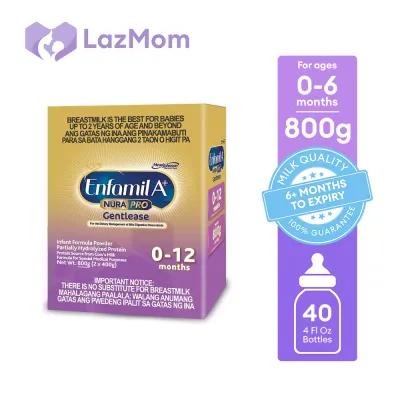
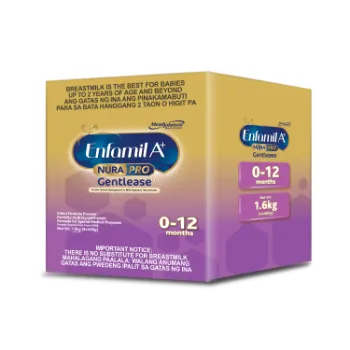
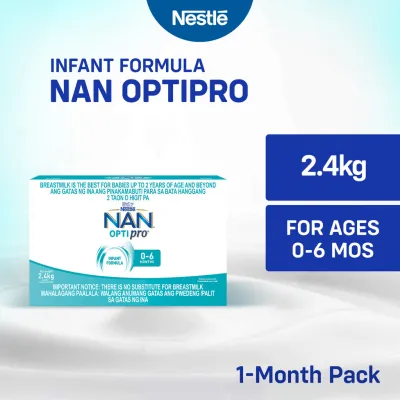
Prices are valid at publication and may change. Please refer to the product page for the latest price.
Recognizing Digestive Discomfort vs. Normal Infant Behavior
It is completely natural for infants to experience some degree of gas or occasional spitting up as their digestive tracts mature. During the first few months of life, a baby’s gut is learning to process nutrients, move gas through the intestines, and coordinate the muscles required for bowel movements. This learning process often involves mild grunting, occasional fussiness, or spitting up small amounts of milk without distress. These are typical developmental milestones rather than signs of a medical issue or formula intolerance.

However, true digestive discomfort presents distinct, observable signs that go beyond normal developmental adjustments. If your baby cries excessively or displays intense fussiness immediately after feeding, arches their back in discomfort, pulls their legs up toward their chest, or experiences persistent, painful gas, their digestive system may be struggling to break down standard formula components.
Stool consistency is another critical indicator. While loose or paste-like stools are normal, hard, dry stools indicate constipation, while very watery stools can signal a digestive imbalance.
It is vital to distinguish mild digestive sensitivity from a more serious condition like Cow’s Milk Protein Allergy (CMPA). While a baby with a sensitive stomach might experience gas or mild fussiness from intact proteins or lactose, a baby with CMPA has an immune system reaction to the proteins in cow’s milk. Signs of CMPA include blood or mucus in the stool, severe eczema or skin rashes, persistent projectile vomiting, chronic diarrhea, and poor weight gain.
If your baby exhibits any of these systemic symptoms, standard or partially hydrolyzed formulas will not resolve the issue. Instead, they require a specialized hypoallergenic formula prescribed by a pediatrician. To help your doctor make an accurate diagnosis, keep a detailed daily log of your baby’s feeding times, crying patterns, stool consistency, and any physical symptoms.
Formula Breakdown: Enfamil Gentlease, NAN, and Nido
Selecting the right formula requires a clear understanding of how different brands structure their nutrients, particularly proteins and carbohydrates. Formulas for the 0 to 12-month age range are strictly regulated to ensure they meet basic nutritional needs, but their specific protein structures and carbohydrate sources vary significantly to address different digestive capabilities.
Enfamil Gentlease
Enfamil Gentlease 0 to 12 months is engineered specifically to address common feeding sensitivities like gas, fussiness, and crying. The primary distinguishing feature of this formula is its protein source, which consists of partially hydrolyzed nonfat milk and whey protein concentrate.
In standard formulas, these proteins are intact and require the baby’s immature digestive system to break them down completely. In Gentlease, the proteins undergo a process called partial hydrolysis, which uses enzymes to break the large protein chains into much smaller, easily digestible pieces (often referred to as peptides). This significantly reduces the digestive workload on your baby’s stomach.
In addition to modified proteins, Enfamil Gentlease features a reduced lactose profile. While lactose is the primary carbohydrate in breast milk and standard formulas, some infants experience transient lactase deficiency—a temporary inability to produce enough of the lactase enzyme to break down full amounts of lactose. This can lead to fermentation in the gut, resulting in excess gas and bloating.
Gentlease reduces the lactose content to about 20% of standard levels, replacing the remainder with easily digestible carbohydrates. This reduction helps minimize gas production while still providing a small amount of lactose to support calcium absorption and beneficial gut bacteria. When purchasing, always verify the exact age stage on the packaging to ensure it matches your baby’s developmental needs.
NAN Infant Formulas
NAN infant formulas, such as NAN Optipro, are designed for babies with healthy, mature digestive systems who do not exhibit signs of feeding sensitivity. Unlike Gentlease, standard NAN formulas utilize intact cow’s milk proteins. These whole proteins are ideal for babies who can digest them without discomfort, as they help train the developing digestive system to process standard proteins.
The primary focus of the NAN formulation is long-term gut health, immune support, and balanced development. Rather than focusing on immediate symptom relief for gas, NAN incorporates specific prebiotic fibers and active probiotic cultures, such as Bifidobacterium lactis.
These beneficial microorganisms help colonize the baby’s gut with healthy bacteria, supporting their natural defenses and promoting regular, soft stools. Standard NAN formulas also contain full levels of lactose, which is the preferred energy source for growing infants.
Because Nestlé offers several variants under the NAN brand, you must carefully check the specific age grading on the packaging (such as Stage 1 for 0-6 months and Stage 2 for 6-12 months) to ensure the nutrient ratios align with your baby’s age.
Nido Infant Formulas
In the Philippines, the Nido brand is highly recognized and widely trusted for toddler and school-age nutrition, particularly through products like Nido 1+ and Nido 3+. However, Nestlé also produces specific infant formula stages under the Nido name for the 0 to 6-month and 6-12-month ranges in select markets. These infant-specific formulations are entirely different from the toddler milk products sold under the same brand.
Standard Nido infant formulas are formulated with intact cow’s milk proteins and standard, full lactose levels. They are designed to provide comprehensive, nutrient-dense nutrition for infants who have no underlying digestive sensitivities or lactose issues.
Because Nido toddler milks are highly visible in retail stores, parents must exercise extreme caution and carefully verify the age grading on the tin before purchase. Feeding a toddler-grade Nido product to an infant under 12 months is highly dangerous, as toddler milks contain protein, sodium, and mineral concentrations that are too high for an infant’s immature kidneys and digestive system to process safely. Always ensure the label explicitly states suitability for the 0-6 or 6-12 month stage.
Side-by-Side Comparison of Key Formula Features
To help you evaluate these options quickly, the table below summarizes the structural differences between these three formulas. This comparison highlights how each product approaches protein structure, carbohydrate composition, and primary nutritional goals.
| Feature | Enfamil Gentlease | NAN (Standard Infant) | Nido (Infant 0-12 Months) |
|---|---|---|---|
| Protein Type | Partially Hydrolyzed (Easy-to-digest peptides) | Intact Cow's Milk Proteins | Intact Cow's Milk Proteins |
| Lactose Level | Reduced (Approximately 20% of standard) | Standard (Full lactose) | Standard (Full lactose) |
| Primary Target | Digestive Comfort (Gas, fussiness, crying) | General Nutrition & Immune Support | General Nutrition & Growth |
| Age Availability | 0 to 12 Months (Verify stage on label) | Graded Stages (0-6 and 6-12 Months) | Graded Stages (0-6 and 6-12 Months) |
Please note: You must verify these nutritional details on the physical product label at the time of purchase. Manufacturers frequently update their formulations, ingredient sources, and nutrient profiles. If you notice any discrepancies between the physical packaging and online information, always defer to the instructions and ingredients printed on the physical tin or consult your pediatrician.
Decision Guide: Choosing the Right Formula for Your Baby
Navigating the formula aisle can be overwhelming, especially when your baby is uncomfortable. To simplify your decision-making process, you can use the following condition-based framework to determine which formula aligns best with your baby’s needs.
- Choose Enfamil Gentlease if: Your baby experiences frequent, painful gas, cries persistently after feedings, or shows signs of mild digestive sensitivity. If your pediatrician suspects that your baby is struggling to digest whole cow's milk proteins or full lactose, a partially hydrolyzed, reduced-lactose option like Gentlease is the most appropriate choice to help soothe their digestive tract.
- Choose NAN if: Your baby has a normal, well-functioning digestive system without chronic gas or fussiness, and you want to prioritize long-term gut microbiome development. The addition of probiotics and prebiotics in standard NAN formulas supports a healthy immune system and comfortable digestion for babies who tolerate intact proteins and standard lactose levels.
- Choose Nido (Infant stages) if: Your baby easily digests standard formulas, has no history of lactose sensitivity, and you are looking for a reliable, nutrient-dense formula for general growth. Ensure you are purchasing the specific infant stage (0-6 or 6-12 months) and not the toddler versions.
- Verify first if: Your baby exhibits signs of a true cow's milk protein allergy (CMPA) or severe, persistent diarrhea. It is critical to understand that none of these three formulas are suitable for a baby with a diagnosed milk allergy. Partially hydrolyzed proteins, like those in Enfamil Gentlease, still contain fragments of cow's milk protein that can trigger an allergic reaction in sensitive babies. If your pediatrician diagnoses CMPA, your baby will require an extensively hydrolyzed formula (where proteins are broken down even further) or an amino acid-based formula. Never attempt to manage a suspected milk allergy without direct medical supervision.
Safe Formula Transitioning and When to See a Pediatrician
If you and your pediatrician decide to switch your baby’s formula, you must do so gradually to avoid shocking their sensitive digestive system. A sudden change in protein structures or lactose levels can cause temporary digestive upset, mimicking the very symptoms you are trying to resolve.
A standard gradual transition takes place over five to seven days. This allows your baby’s gut enzymes and microbiome to adapt slowly to the new formulation. You can follow this general transition schedule:
- Days 1 and 2: Mix 75% of your baby's current formula with 25% of the new formula in each bottle.
- Days 3 and 4: Mix 50% of the current formula with 50% of the new formula.
- Days 5 and 6: Mix 25% of the current formula with 75% of the new formula.
- Day 7 and beyond: Feed 100% of the new formula.
When preparing and storing formula, especially in hot and humid tropical climates like the Philippines, strict hygiene is essential. High humidity and warm temperatures create an ideal environment for harmful bacteria to multiply. Always sterilize all feeding utensils, bottles, and nipples before use. Use water that has been boiled and allowed to cool to room temperature.
Store opened formula tins in a cool, dry place, and use the contents within the timeframe specified by the manufacturer (typically within one month of opening). Never store formula powder in the refrigerator, as the temperature difference causes condensation inside the tin, leading to clumping and potential mold growth.
While mild gas and fussiness are common, certain red flags require immediate medical attention rather than a simple formula switch. You must contact your pediatrician immediately if your baby exhibits any of the following symptoms:
- Poor weight gain or weight loss.
- Signs of dehydration, such as fewer than six wet diapers in a 24-hour period, dry mouth, or a sunken soft spot (fontanelle) on the head.
- Extreme lethargy, unusual sleepiness, or difficulty waking up for feedings.
- Persistent, forceful projectile vomiting.
- High fever or a persistent cough.
- Blood or dark mucus in their stool.
Always remember that any formula transition intended to treat persistent physical symptoms should be conducted under the guidance of a qualified healthcare professional.
Frequently Asked Questions (FAQ)
Can I mix Enfamil Gentlease with NAN or Nido in the same bottle?
You should strictly avoid mixing different brands or types of formula in the same bottle. Each formula brand is engineered with a precise balance of nutrients, vitamins, and minerals, and has its own specific powder-to-water reconstitution ratio. Mixing different formulas can disrupt this delicate balance, leading to an over-concentrated or under-concentrated feed.
This can cause osmotic imbalances in your baby’s intestines, leading to severe constipation, diarrhea, or dehydration. If you are transitioning between formulas, follow a structured transition schedule where you mix the prepared liquids, or feed them in separate bottles at different times of the day, rather than combining dry powders arbitrarily.
How long does it take for a gentle formula to reduce fussiness?
When switching to a gentle formula like Enfamil Gentlease, it typically takes anywhere from a few days to up to two weeks to see a noticeable improvement in your baby’s gas and fussiness. Your baby’s digestive tract needs time to clear out the previous formula and adjust to the partially hydrolyzed proteins and reduced lactose levels.
It is important to remain consistent during this transition period. Avoid switching brands repeatedly in a short timeframe, as constant changes will overwork your baby’s developing digestive system and make it difficult to determine which formula actually suits them. If symptoms worsen or do not improve after two weeks, consult your pediatrician.
Community discussion
Share your experience or ask a question. Comments are reviewed before publication.