
Choosing the right formula for a baby delivered via Cesarean section (C-section) involves understanding how early digestive health develops and matching those needs with the correct product stage. While Enfamil CS Biome is specifically formulated and marketed to support the gut microbiome of C-section infants, alternative options like NAN and Nido serve distinct developmental stages and nutritional purposes. There is no single formula that is universally best for every infant, as individual tolerance, age appropriateness, and pediatric guidance must dictate your final choice.
Parents in the Philippines often navigate a wide array of milk options, making it essential to look past front-of-pack marketing and closely examine the ingredient lists and age indications. A C-section delivery can influence early gut colonization, but this does not mean every C-section baby requires a specialized formula. By understanding how to read labels, compare nutritional profiles, and consult with your pediatrician, you can make an informed decision that supports your baby’s growth and digestive comfort.
Understanding Formula Needs for C-Section Babies
During a vaginal birth, a baby is exposed to the mother’s natural microflora, which helps initiate the colonization of beneficial bacteria in the infant’s digestive tract. In contrast, babies delivered via C-section bypass this direct exposure, which can lead to a different or delayed establishment of the gut microbiome during the first few months of life. This early microbial balance plays a key role in developing the immune system and supporting comfortable digestion.
Products mentioned in this guide
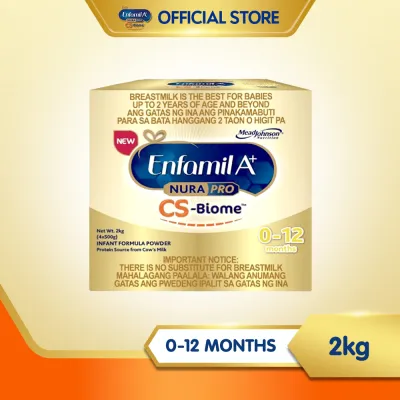
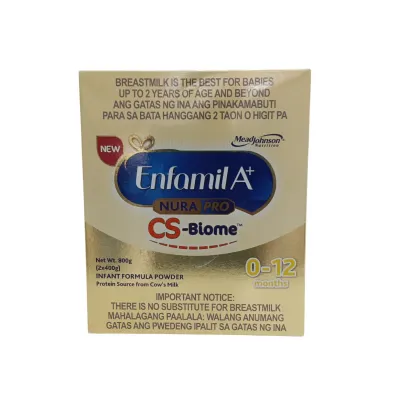
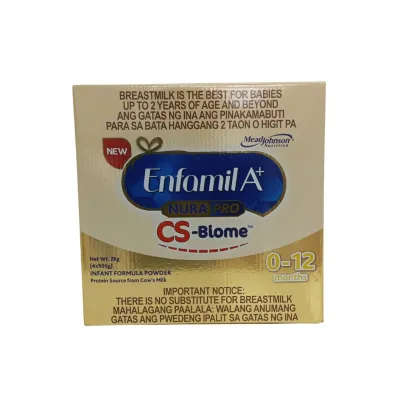
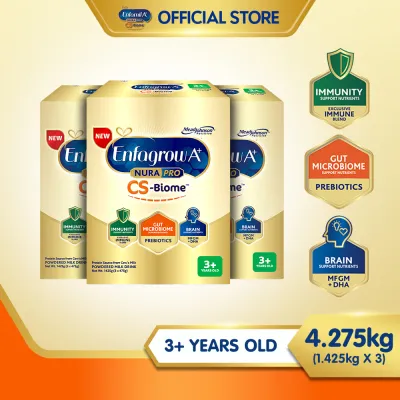
Prices are valid at publication and may change. Please refer to the product page for the latest price.
To help bridge this developmental gap, some infant formulas incorporate prebiotics and probiotics. Probiotics are live beneficial microorganisms, while prebiotics are non-digestible fibers that serve as food for these helpful bacteria. Together, they aim to encourage a gut environment that closely mirrors that of vaginally delivered or breastfed infants, helping to promote softer stools and reduce general digestive discomfort.
However, every infant’s digestive system is unique, and a delivery method alone does not automatically dictate a specific dietary requirement. Introducing or switching to a specialized formula should never be done based on marketing claims alone. It is highly critical to consult a pediatrician who can evaluate your baby’s overall growth, stool patterns, and specific health history before you introduce any new formula.
Comparing Enfamil CS Biome, NAN, and Nido
When comparing Enfamil CS Biome, NAN, and Nido, it is important to establish a clear evaluation framework based on target age groups, label claims, and primary nutritional focus. These three brands are not direct substitutes for one another; they target different stages of childhood development and offer distinct ingredient formulations.

Evaluating these options requires looking closely at the product packaging to ensure you do not accidentally feed a toddler milk to a newborn, or vice versa. Ultimately, the most suitable formula is the one that matches your baby’s exact age, meets their specific digestive tolerance, and is approved by your healthcare provider.
Evaluating Enfamil CS Biome
Enfamil CS Biome is specifically designed for infants, but parents must always verify the exact age range and stage indicated on the packaging before purchase. Infant formulas are strictly categorized by stages (such as Stage 1 for newborns up to six months) to ensure the protein, fat, and micronutrient levels align with a baby’s developing kidneys and metabolic capacity.
When examining the Enfamil CS Biome label, look closely at the ingredient list for the specific probiotic strains and prebiotic fibers included in the formulation. Manufacturers of specialized formulas often highlight these components to show how they intend to support gut health. Additionally, check the label for core macronutrients, including the types of proteins and fats used, to ensure they align with any dietary recommendations your pediatrician has provided.
Proper preparation and storage are especially critical when handling formulas containing live probiotics. High water temperatures can destroy beneficial bacteria, so you must carefully read the manufacturer’s instructions regarding the correct water temperature for mixing. In the warm and humid climate of the Philippines, strict adherence to storage limits—such as keeping the tightly sealed tin in a cool, dry place and discarding unused prepared formula within the specified timeframe—is essential to prevent spoilage and bacterial contamination.
Evaluating NAN and Nido Alternatives
NAN and Nido represent two very different product lines from their respective manufacturers, and understanding their differences is vital for infant safety. NAN offers a range of infant and follow-on formulas, including standard options and specialized variants designed for sensitive tummies or specific digestive needs. Nido, on the other hand, is primarily formulated as a toddler or preschool milk drink for children aged one year and older, meaning it is entirely unsuitable for newborns or young infants who require complete breastmilk substitutes.
When assessing NAN products as potential alternatives, guide your comparison by looking for specific gut-health supporting ingredients on the label, such as active probiotic cultures or prebiotic blends. Compare these listed ingredients directly with those found on the Enfamil CS Biome label to see how their nutritional approaches differ. It is also important to check for allergen warnings, lactose content, and specific dietary indications, as some babies may require partially hydrolyzed proteins or low-lactose alternatives to prevent gas and bloating.
For older infants transitioning into toddlerhood, Nido products may eventually be considered under pediatric guidance, but they should never be introduced prematurely. Always verify the target age group printed clearly on the front of the can. Checking for added sugars, vitamins, and minerals on these toddler milk labels will help you determine if they fit into your child’s transitioning diet once they are eating solid foods.
Key Label Features to Verify Before Buying
To make a safe and practical choice, parents in the Philippines should use a structured checklist when evaluating formula options at local pharmacies or supermarkets.
- Age and Stage Appropriateness: Never rely on brand popularity alone; always verify the exact month range the formula is designed for. Feeding an infant a formula meant for an older stage can strain their digestive system, while feeding an older baby a newborn formula may not provide sufficient nutrition for their growing needs.
- Ingredient Transparency: Look past front-of-pack marketing buzzwords and read the actual ingredient list on the back or side of the tin. Verify the specific scientific names of any probiotics or prebiotics listed to ensure you know exactly what is entering your baby's system.
- Preparation and Storage: Review the required water-to-powder mixing ratios and the specific water temperature instructions. Because tropical humidity can cause formula powder to clump or spoil quickly once the tin is opened, ensure your household routine allows you to store the product safely and use it within the manufacturer's recommended timeframe (typically three to four weeks after opening).
- Price per Serving: Formula feeding is a significant, ongoing household expense. To evaluate long-term affordability, calculate the cost per serving in ₱ by dividing the retail price of the tin by the estimated number of scoops or servings it provides. Compare different package sizes, as larger tins often offer better value per gram, provided you can safely consume the powder before it expires.
Decision Framework: How to Choose the Right Fit
To help navigate these choices, parents can use a condition-based decision framework to determine the most appropriate path forward for their baby’s nutrition.
- Choose Enfamil CS Biome if: Your pediatrician specifically recommends a formula designed to support the gut microbiome of C-section infants, your baby is within the designated age range on the label, and they show good digestive tolerance without signs of discomfort.
- Choose NAN or Nido if: Your baby is in an older age bracket where Nido is developmentally appropriate, or if your pediatrician recommends a specific NAN variant (such as a hypoallergenic or standard infant formula) because your baby requires a different protein structure or macronutrient profile.
- Verify First if: Your baby was born prematurely, has a family history of severe food allergies, or currently exhibits symptoms like mild reflux, occasional colic, or unusual stool patterns. In these situations, standard or specialized off-the-shelf formulas may not be suitable without a tailored medical recommendation.
- Stop and Consult a Doctor if: Your baby exhibits persistent vomiting, skin rashes, hives, blood or mucus in their stool, poor weight gain, or severe, inconsolies fussiness after starting any new formula. These symptoms can indicate a serious cow's milk protein allergy or severe digestive intolerance that requires immediate professional medical intervention.
Frequently Asked Questions (FAQ)
Can I switch formulas if my baby shows signs of discomfort?
It is common for newborns to experience mild gas, spitting up, or brief changes in stool consistency as their digestive systems mature. These minor adjustments are often normal and do not always mean the formula is unsuitable. However, if your baby shows persistent discomfort, you should consult your pediatrician before making any changes. If a switch is medically recommended, pediatricians typically advise a gradual transition—mixing the old and new formulas in specific ratios over several days—to allow the baby’s digestive tract to adapt smoothly. Never abruptly switch formulas without professional guidance, and stop immediately if you observe severe allergic reactions.
Do C-section babies always need specialized formula?
No, C-section babies do not automatically require specialized formula. While a C-section delivery can temporarily affect the initial establishment of the gut microbiome, many C-section infants thrive on standard infant formulas or, ideally, exclusive breastfeeding. The decision to use a specialized formula like Enfamil CS Biome should be based on your baby’s individual health status, digestive tolerance, and a direct recommendation from your pediatrician. Every baby is different, and personalized medical advice is always superior to general assumptions based solely on the delivery method.
Community discussion
Share your experience or ask a question. Comments are reviewed before publication.