
Choosing the right maternal milk during pregnancy is a highly personal decision because no single brand is universally superior for every expectant mother. When comparing major options in the Philippines, such as enfamama milk pregnant options, Nido, and NAN, the ideal choice depends on your specific nutritional gaps, taste preferences, budget, and digestive tolerance. These products are formulated as dietary supplements to help meet the elevated nutritional demands of pregnancy; however, they do not replace a balanced diet or prescribed prenatal vitamins. Because manufacturers frequently update their formulations, it is essential to verify the current Nutrition Facts label on the physical packaging before making your final selection.
Quick Answer: Which Maternal Milk Should You Choose?
While all three brands offer specialized nutrition for expectant mothers, they cater to slightly different priorities in the local market. Enfamama is widely recognized for its focus on brain-development nutrients like DHA and is available in popular flavors like chocolate and vanilla. NAN maternal formulations often emphasize digestive comfort and advanced nutritional science, making them a common choice for mothers prioritizing gut health. Nido, while traditionally known for family and child nutrition, offers specialized milk options that appeal to budget-conscious families looking for accessible daily nutrition.
To make the best choice, you must evaluate how each option aligns with your daily routine. If you struggle to consume enough DHA or folic acid from your regular meals, a highly specialized maternal milk may help bridge the gap. Conversely, if you are already taking comprehensive prenatal vitamins prescribed by your obstetrician-gynecologist (OB-GYN), a simpler, more budget-friendly milk option might be sufficient to meet your increased calcium and protein needs. Always remember to consult your healthcare provider to ensure your chosen milk does not conflict with your existing prenatal supplements.
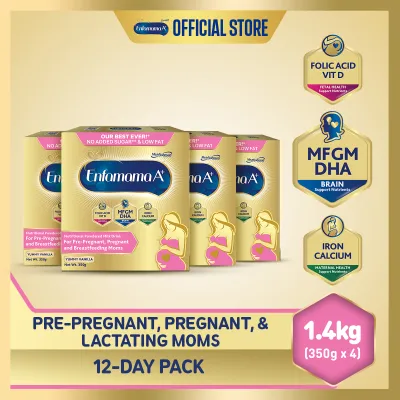
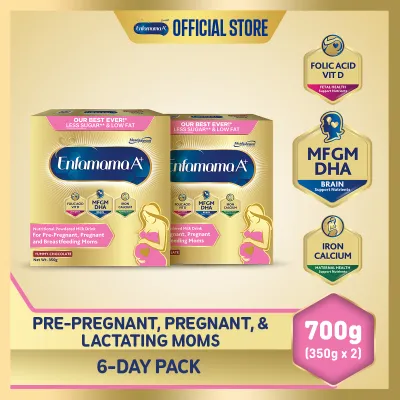
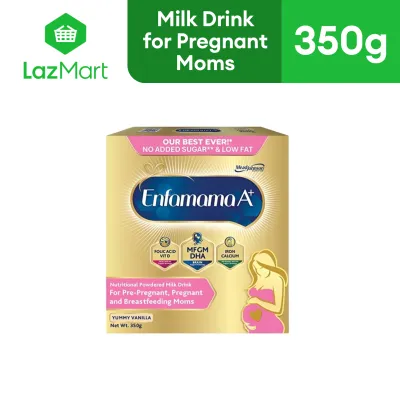
Products mentioned in this guide
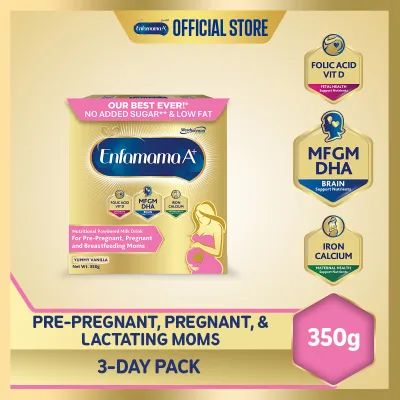
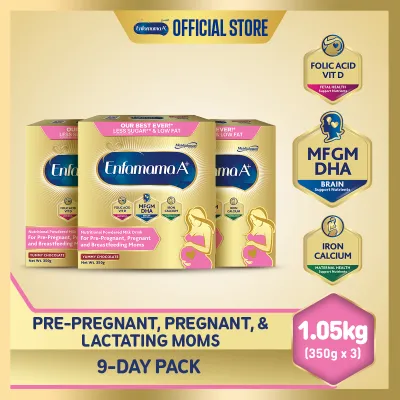
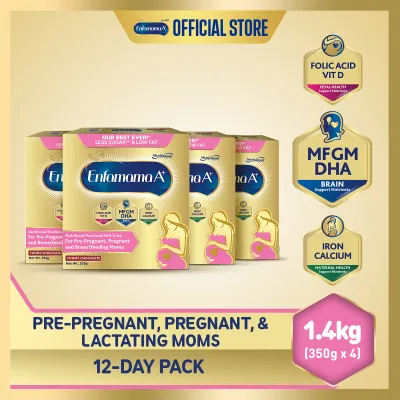
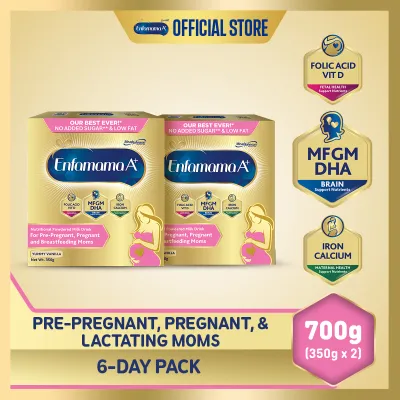
![[B3G2] Anmum Materna Pregnancy Milk Powder Chocolate 375G [Mommy Care+ Pack]](https://img.lazcdn.com/g/p/153b8e3a6992096ccfdb6dc5e781a9a2.jpg_400x400q80.jpg_.webp)
Prices are valid at publication and may change. Please refer to the product page for the latest price.
Nutritional Profiles: Comparing Enfamama Milk Pregnant Options, Nido, and NAN
Evaluating the nutritional value of maternal milk requires looking beyond marketing claims and analyzing the Nutrition Facts panel on the back of the tin or box. Pregnant women require a precise balance of vitamins and minerals to support both maternal health and fetal development. When comparing these brands, focus on five critical nutrients: folic acid, iron, calcium, docosahexaenoic acid (DHA), and protein.

Folic acid is vital during the early stages of pregnancy to support proper neural tube development. Iron helps prevent maternal anemia by supporting the increased blood volume required to nourish the fetus. Calcium is essential for building the baby’s bones and teeth while protecting the mother’s bone density. DHA, an omega-3 fatty acid, plays a crucial role in fetal brain and eye development. Finally, protein provides the building blocks for rapid cellular growth.
To compare these nutrients objectively, look at the serving size listed on the label. Serving sizes can vary significantly between brands—one brand might define a serving as 40 grams of powder mixed with 200 milliliters of water, while another might specify 35 grams. Because of this variation, comparing the absolute milligram or microgram values per serving can be misleading. Instead, look at the percent daily value (% DV) or calculate the nutrient density per 100 grams of powder. This standardizes the comparison and reveals which product truly offers a higher concentration of the nutrients you need.
Another critical factor to examine is the presence of added sugars and sodium. Some flavored maternal milks contain sucrose, corn syrup solids, or maltodextrin to enhance taste. While these ingredients make the milk more palatable, they also increase the caloric density and can lead to rapid blood sugar spikes. If you are monitoring your weight gain or managing gestational diabetes, choosing a plain or low-sugar variant is highly recommended.
Because nutritional formulations are subject to change as manufacturers update their recipes to meet new dietary guidelines, never rely solely on older online reviews or outdated charts. Always check the physical packaging of the product you are holding or visit the manufacturer’s official website for the most current nutritional data.
Finally, establish a strict safety boundary regarding your total nutrient intake. Many prenatal vitamins contain high doses of iron, folic acid, and fat-soluble vitamins like Vitamin A. Consuming high-dose supplements alongside multiple glasses of fortified maternal milk can lead to nutrient toxicity, particularly with Vitamin A, which can be harmful to the fetus in excessive amounts. Before introducing any maternal milk into your daily routine, present the nutrition labels of both your prenatal vitamins and the milk to your OB-GYN to verify that your combined intake remains within safe limits.
Taste, Texture, and Digestibility: Managing Pregnancy Cravings and Nausea
The best nutritional profile in the world matters little if you cannot tolerate the taste or texture of the milk. Pregnancy hormones can dramatically alter your sense of smell and taste, turning previously enjoyed flavors into triggers for morning sickness or severe nausea. Understanding the sensory characteristics of Enfamama, Nido, and NAN can help you navigate these daily challenges.
In the Philippines, maternal milks are typically offered in vanilla and chocolate flavors, alongside classic plain options. Vanilla and chocolate options are popular because they help mask the metallic taste of iron and the distinct fishy odor sometimes associated with DHA. However, some mothers find these flavored options overly sweet, especially during the first trimester when nausea is most acute. Plain maternal milk offers a more neutral taste but may have a stronger dairy or vitamin aroma.
Texture and solubility also play a significant role in how easy the milk is to drink. Clumping is a common complaint among expectant mothers, as dry pockets of powder can ruin the texture and trigger a gag reflex. To prevent clumping, always follow the manufacturer’s preparation instructions. Generally, mixing the powder with lukewarm or room-temperature water first—rather than boiling or ice-cold water—ensures smoother dissolution. You can use a wire whisk or a shaker bottle to achieve a completely smooth consistency.
If you experience nausea or taste aversions but still need to consume maternal milk, try modifying how you serve it. Drinking the milk chilled can significantly reduce its aroma and make it more refreshing in the warm, humid climate of the Philippines. Alternatively, you can blend the milk powder into a fruit smoothie with bananas or mangoes, or stir it into your morning bowl of warm oatmeal. These methods allow you to receive the nutritional benefits without having to drink a plain glass of warm milk.
To avoid wasting money on a large container you might not enjoy, look for single-serve sachets or the smallest available tin (usually 350g or 400g) first. This allows you to test your taste tolerance and digestive reaction over a few days before committing to a larger, more expensive volume.
Digestive comfort is another major consideration. Pregnancy naturally slows down your digestive system, often leading to bloating, gas, and constipation. If you notice these symptoms worsening after drinking maternal milk, check the label for lactose content. While some maternal milks are formulated to be easier on the stomach, others contain standard lactose levels that can trigger sensitivities, even if you were not lactose intolerant before pregnancy. If severe digestive discomfort persists, stop using the product and consult your healthcare provider to discuss lactose-free or alternative nutritional options.
Price and Availability: Finding the Best Value in the Philippines
Managing your budget is a key aspect of preparing for a new baby, and the cost of maternal milk can add up quickly over nine months. To find the best value, you must look beyond the retail price on the shelf and calculate the true cost per serving.
To calculate the cost per serving, do not simply compare the price of a 400g tin of one brand to a 400g tin of another. Instead, look at the nutrition label to find the “Servings Per Container.” Divide the total retail price of the package by this number of servings. For example, if a tin costs ₱600 and contains 15 servings, your cost per serving is ₱40. If another brand costs ₱700 but contains 20 servings, the cost per serving is ₱35, making it the more economical choice in the long run despite the higher upfront price.
Maternal milks in the Philippines are generally packaged in three formats: boxed sachets, 350g to 400g tins, and larger 800g to 900g tins or boxes. Boxed sachets are ideal for trial phases or for mothers who travel frequently, though they carry the highest cost per gram. The 400g tins are excellent for the first few weeks of testing a brand. Once you have confirmed that a specific brand agrees with your taste and digestion, transitioning to the 800g or 900g packaging options will yield the best long-term savings.
In terms of availability, these major brands are highly accessible across the Philippines. You can find them on the shelves of major supermarket chains such as SM Supermarket, Robinsons Supermarket, and Puregold. They are also widely stocked in leading pharmacies like Watsons and Mercury Drug, which is particularly convenient if you are already picking up your prenatal prescriptions. For online shopping, official brand flagship stores on major e-commerce platforms offer home delivery, which can be a lifesaver when pregnancy fatigue sets in.
When purchasing maternal milk, always perform a thorough quality and safety check. Inspect the packaging carefully to ensure the security seals are completely intact and the tin is not dented, as compromised packaging can expose the powder to moisture and bacteria. Always check the expiration date printed on the bottom of the tin or box. To protect yourself and your baby, avoid buying maternal milk from unauthorized third-party online sellers offering unusually low prices, as these products may be counterfeit, expired, or stored in hot, humid conditions that degrade the delicate nutrients like DHA and vitamins.
Decision Framework: Which Maternal Milk Fits Your Needs?
To help you navigate these choices, use the following conditional framework to identify which maternal milk aligns best with your specific health priorities, lifestyle, and budget.
Choose Enfamama if:
- Your primary focus is on obtaining specific, highly marketed nutrient blends, particularly those rich in DHA and folic acid to support fetal brain development.
- You prefer a wider variety of distinct flavor options, such as chocolate, to help manage taste aversions or morning sickness.
- The premium pricing fits comfortably within your monthly pregnancy budget.
Choose Nido if:
- You are looking for a highly accessible, widely distributed brand that offers a practical balance of essential vitamins and minerals at a more budget-friendly price point.
- You prefer a straightforward, familiar milk taste that can easily integrate into your family's existing grocery routine, provided the specific maternal formulation is available and meets your nutritional requirements.
Choose NAN if:
- You are seeking a specialized maternal formulation designed with advanced nutritional science, particularly if you prioritize digestive comfort and gut health.
- You have had positive experiences with the brand's product line in the past or prefer its specific taste and solubility profile.
Verify first if:
- You have been diagnosed with gestational diabetes, lactose intolerance, thyroid disorders, or severe food allergies. In any of these scenarios, you must stop and consult your OB-GYN or a registered clinical dietitian before purchasing or consuming any maternal milk. Bring the exact ingredient list and nutritional panel of the brand you are considering so your healthcare provider can verify that it fits safely into your medical management plan.
Frequently Asked Questions (FAQ)
Can I drink maternal milk if I am already taking prenatal vitamins?
Yes, but you must do so with caution. Both maternal milk and prenatal vitamins are fortified with essential nutrients like iron, calcium, folic acid, and Vitamin A. Consuming full doses of both can cause you to exceed the safe daily upper limits for certain nutrients, particularly fat-soluble Vitamin A and iron, which can lead to toxicity and potential harm to your baby. Always bring both the milk packaging and your prenatal vitamin bottle to your next OB-GYN appointment so your doctor can help you coordinate a safe, balanced daily intake.
Is it safe to drink maternal milk if I have gestational diabetes?
It depends entirely on the specific formulation and your individual blood sugar management plan. Many maternal milks contain added sugars, maltodextrin, or high levels of carbohydrates to improve flavor, which can cause rapid spikes in blood glucose levels. You must carefully inspect the Nutrition Facts label for total carbohydrates and sugars per serving. If you have gestational diabetes, do not start drinking maternal milk without first consulting your OB-GYN or a registered dietitian, who can help determine if a low-sugar or plain variant can safely fit into your daily meal plan.
When should I start and stop drinking maternal milk?
Maternal milk is generally formulated to support your body during the preconception and pregnancy stages, when nutritional demands are exceptionally high. Once you give birth, your nutritional needs shift toward postpartum recovery and lactation. Many manufacturers offer different formulations specifically designed for breastfeeding mothers. Read the manufacturer’s packaging instructions for the recommended usage timeline of your specific product, and consult your healthcare provider to determine the best time to transition from maternal milk to a postnatal or standard diet.
Community discussion
Share your experience or ask a question. Comments are reviewed before publication.