
Choosing the right maternal milk during pregnancy is a highly personal decision because no single brand is universally superior for every expectant mother. The ideal choice among popular options like Enfamama, Nido, and NAN depends on your specific nutritional priorities, digestive tolerance, and budget. While these brands are widely available, they feature distinct formulation focuses, ingredient profiles, and price points that cater to different maternal needs.
Essential nutrients like folic acid, iron, calcium, and docosahexaenoic acid (DHA) play critical roles in supporting both maternal health and fetal development. Folic acid is vital for early neural tube development, while iron supports the increased blood volume required to carry a baby. Calcium preserves maternal bone density as the fetal skeleton develops, and DHA is an omega-3 fatty acid frequently highlighted for its role in brain and eye development.
Assessing your daily diet is the first step in identifying which milk formulation aligns with your needs. If your regular meals lack consistent sources of seafood, a milk with higher DHA levels might be beneficial. Conversely, if you struggle to consume enough leafy greens or dairy, prioritizing iron and calcium content becomes essential.
Products mentioned in this guide
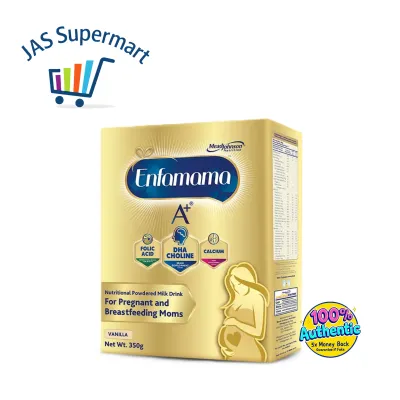
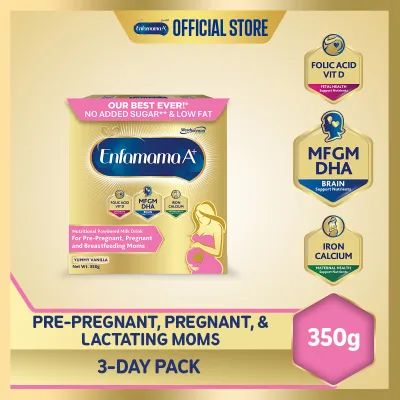
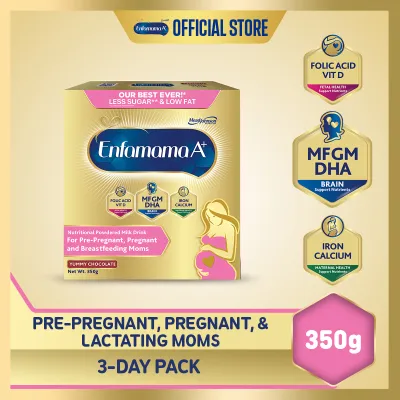
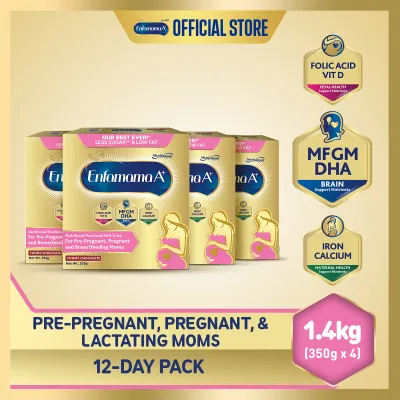
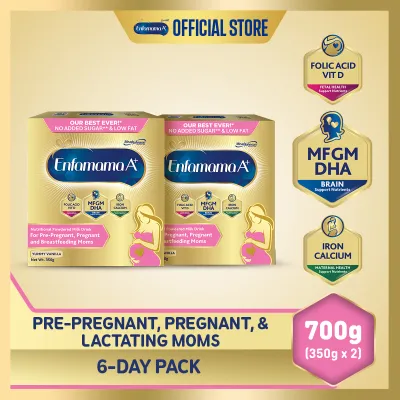
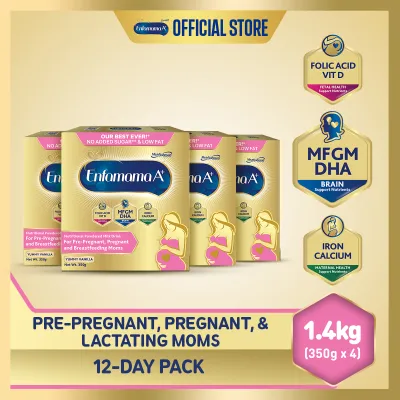
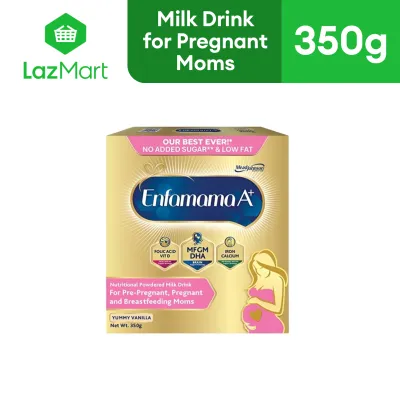
Prices are valid at publication and may change. Please refer to the product page for the latest price.
Certain conditions, such as gestational diabetes, severe morning sickness, or lactose intolerance, require a more tailored approach. Standard maternal milks may contain added sugars or lactose levels that could exacerbate these conditions. Recognizing these personal health factors early allows you to narrow down your options before comparing specific brands.
Evaluating Enfamama, Nido, and NAN: Core Decision Factors
When evaluating Enfamama, Nido, and NAN, start by examining the primary marketing claims and nutritional highlights on the packaging. Some formulations place a heavy emphasis on brain development nutrients, featuring prominent callouts for DHA, choline, and folate. Other brands may focus on overall maternal wellness, gut health, or bone strength by highlighting prebiotic blends, calcium, and vitamin D. By aligning these brand philosophies with your personal dietary gaps, you can identify which product matches your goals.
Pregnancy often triggers heightened sensory sensitivities, making taste and texture critical factors in your daily routine. Maternal milks come in various flavors, such as chocolate, vanilla, or plain, and their sweetness levels can vary significantly. Additionally, some powders dissolve easily in warm water, while others may require vigorous stirring to avoid clumps. To prevent wasting a large tin, look for small boxes, single-serve sachets, or trial packs to test how well you tolerate the flavor and texture.
Hormonal changes during pregnancy frequently slow down digestion, leading to common discomforts like bloating, gas, and constipation. The composition of maternal milk can influence these symptoms. Some formulations include dietary fiber or prebiotics to support healthy digestion and regular bowel movements. If you are sensitive to lactose, you will want to check the ingredient list to see if the milk contains reduced lactose or specific proteins designed for easier digestion.
How to Independently Compare Maternal Milk Labels
To make an objective comparison, look at the Nutrition Facts panel on the back or side of the packaging. In the Philippines, these values are often expressed as a percentage of the Recommended Energy and Nutrient Intakes (RENI) or Daily Value (% DV) based on maternal requirements. Compare the amount of folic acid, iron, calcium, and DHA per serving across the three brands. This allows you to see which brand provides the highest percentage of your daily requirements in a single glass.

Managing weight gain and blood pressure is vital for a healthy pregnancy, making it necessary to monitor added sugars and sodium. Check the ingredient list for sucrose, corn syrup solids, maltodextrin, or fructose, which contribute empty calories without nutritional benefits. Compare the total carbohydrates and sugars per serving between Enfamama, Nido, and NAN. Opting for a brand with lower added sugars and moderate sodium levels helps support cardiovascular health and steady weight management.
Always verify that the product is safe for consumption by checking for official regulatory marks. Look for the Food and Drug Administration (FDA) registration number printed on the packaging, which confirms the product has met local safety and quality standards. Additionally, check for clear manufacturing and expiration dates, batch numbers, and intact safety seals. Avoid purchasing any milk powder that lacks these official markings or shows signs of tampering.
Calculating Budget and Value per Serving
Comparing the retail price of a tin or box can be misleading because package sizes and serving measurements vary. To find the true cost, calculate the price per serving using a simple formula. Divide the total retail price of the package by the total weight in grams, then multiply that number by the recommended grams per serving listed on the label. This calculation reveals exactly how much you are paying for each glass of milk.
Once you have the cost per serving, factor in the manufacturer’s recommended daily intake, which is typically one to two glasses per day. Multiply the cost per serving by your daily consumption, and then multiply that by thirty to estimate your monthly expenditure. This exercise helps you determine if a specific brand is financially sustainable for the duration of your pregnancy and lactation period.
In the humid tropical climate of the Philippines, proper storage is essential to prevent milk powder from clumping or spoiling. Always store your opened tin in a cool, dry place, and ensure the lid is tightly sealed after every use. Buying larger tins can sometimes offer better value per gram, but only if you can consume the product within the manufacturer’s recommended timeframe after opening.
To ensure you are getting genuine, high-quality products, purchase your maternal milk only from reputable sources. Authorized online flagship stores, major supermarkets, and established drugstores are the safest options. Buying from unverified online sellers or informal marketplaces increases the risk of acquiring counterfeit, improperly stored, or expired milk powder, which can pose serious health risks to you and your baby.
Safety Boundaries: When to Consult Your Healthcare Provider
While maternal milk is designed to support pregnancy, your body may react unexpectedly to certain ingredients. Stop consuming the milk immediately and consult your doctor if you experience severe allergic reactions, such as hives, swelling, or difficulty breathing. Persistent digestive distress, including severe diarrhea, intense abdominal cramping, or worsening nausea, is also a clear signal to pause use and seek professional advice.
If you have been diagnosed with gestational diabetes, preeclampsia, or other metabolic conditions, you must exercise extreme caution. Standard maternal milks often contain carbohydrates and sugars that can cause rapid spikes in blood glucose levels. Your obstetrician or a registered dietitian can help you determine if you should avoid maternal milk entirely, switch to a specialized clinical formula, or manage your nutrients solely through prenatal vitamins and whole foods.
Always bring your chosen maternal milk to the attention of your healthcare provider during your regular prenatal checkups. Take a photo of the nutrition label or bring the packaging with you so your doctor can review the exact nutrient levels. This step is crucial for coordinating your milk intake with your prescribed prenatal vitamins, ensuring you receive optimal nutrition without accidentally exceeding safe daily limits.
Frequently Asked Questions (FAQ)
Can I drink Enfamama, Nido, or NAN if I am already taking prenatal vitamins?
Yes, but you must carefully monitor your total daily intake to avoid nutrient toxicity. Prenatal vitamins and maternal milks are both highly fortified, meaning they contain concentrated amounts of essential vitamins and minerals. Overlapping nutrients, particularly fat-soluble vitamins like Vitamin A, as well as minerals like iron and calcium, can accumulate in the body and cause adverse effects if consumed in excess. Always list all your supplements and fortified foods for your obstetrician, who can adjust your dosages to keep your intake within safe upper limits.
Is it safe to switch between these brands during pregnancy?
Generally, switching between registered maternal milk brands is safe if your body tolerates the transition well and the new brand meets your nutritional requirements. Expectant mothers sometimes switch brands due to taste fatigue, temporary store stockouts, or budget adjustments. When transitioning, monitor your body for minor digestive changes, such as temporary gas or a shift in stool consistency, as your gut adapts to a different protein or prebiotic blend. Ensure any new brand you choose is fully registered with the local FDA and matches your doctor’s nutritional recommendations.
Community discussion
Share your experience or ask a question. Comments are reviewed before publication.