
Choosing the right maternal milk during pregnancy is a highly personal decision that directly impacts your prenatal nutrition and daily comfort. With popular options like Enfamama, Nido, and NAN available on supermarket shelves, finding the ideal match requires looking beyond brand names to examine nutritional labels, ingredient lists, and overall value. Because every pregnancy is unique, the best choice depends on your specific dietary gaps, digestive tolerance, and budget.
In the Philippines, where tropical heat and humidity can affect both your appetite and how you store powdered supplements, selecting a maternal milk that mixes easily and tastes pleasant is essential for maintaining a consistent routine. By understanding how to compare these brands systematically, you can confidently select a formula that supports your health and your developing baby’s growth.
Understanding Your Pregnancy Nutritional Needs
Before comparing specific maternal milk brands, it is crucial to identify your personal nutritional requirements and any dietary gaps in your daily meals. During pregnancy, your body demands higher levels of specific vitamins and minerals to support fetal development and maternal health. Key nutrients to look for on any maternal milk label include folic acid, iron, calcium, and docosahexaenoic acid (DHA). Folic acid is vital for early neural tube development, while iron helps prevent maternal anemia by supporting the increased blood volume required during pregnancy.
Products mentioned in this guide
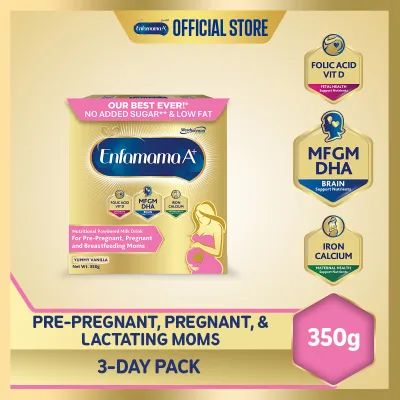
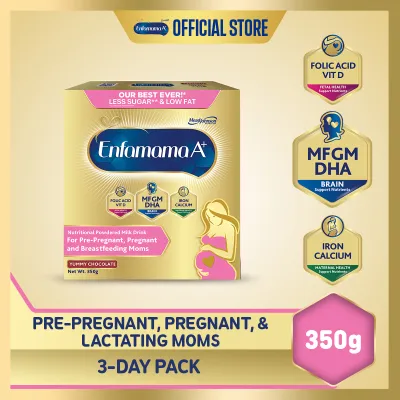
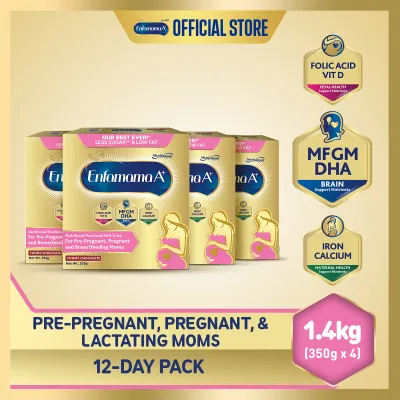
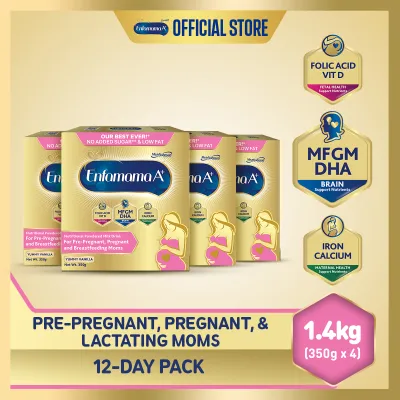
![[B3G2] Anmum Materna Milk Powder Plain 375G [Mommy Care+ Pack]](https://img.lazcdn.com/g/p/23086940f9cba0a16954c18a93e5412c.jpg_400x400q80.jpg_.webp)
Prices are valid at publication and may change. Please refer to the product page for the latest price.
Calcium plays a fundamental role in developing your baby’s bones and teeth, and if your dietary intake is insufficient, your body will draw calcium from your own bones to meet the baby’s needs. DHA, an omega-3 fatty acid, is another critical component often added to prenatal formulations to support fetal brain and eye development. Understanding these nutrient roles allows you to look at product labels with a clear purpose, identifying which formulation addresses your specific physical needs.
Your individual health conditions will also dictate what to look for on a nutrition facts panel. For instance, if you experience lactose sensitivity or struggle with blood sugar management, such as gestational diabetes, you must exercise extra caution when reviewing ingredients. Some maternal milks contain higher levels of added sugars or specific carbohydrate blends that may not align with your metabolic needs.
It is also important to remember that maternal milk is designed as a nutritional supplement to a balanced diet, rather than a complete meal replacement. While it provides a convenient way to fill nutritional gaps, it should accompany wholesome meals consisting of diverse food groups. Consulting your obstetrician or a registered dietitian can help you pinpoint your exact nutritional needs before you begin comparing brands.
Comparing Nutritional Profiles: Enfamama, Nido, and NAN
To make an objective comparison between Enfamama, Nido, and NAN, you must learn to read and analyze their nutrition facts panels systematically. Because serving sizes and scoop dimensions vary across brands, comparing nutrients per serving can sometimes be misleading. The most accurate way to standardize your comparison is to look at the nutrient values listed per 100 grams of powder, which is a standard measurement provided on most milk tins and boxes.

When examining the nutrient columns, pay close attention to the fortification levels of pregnancy-critical vitamins and minerals. Compare the microgram (mcg) or milligram (mg) levels of folic acid, iron, and calcium across the packaging of Enfamama, Nido, and NAN. You may find that one brand prioritizes higher calcium levels, while another focuses on a robust blend of vitamins A, C, and E alongside zinc to support immune function. Noting these differences helps you align the milk’s profile with the specific recommendations given by your doctor.
Beyond vitamins and minerals, the ingredient panel reveals crucial information about macronutrients and additives. Check the label for the types of carbohydrates used, looking specifically for added sugars such as sucrose, corn syrup solids, fructose, or maltodextrin. If you prefer a less sweet beverage or need to manage your sugar intake, look for options that list lactose as the primary carbohydrate source or feature lower total sugar grams per serving.
Additionally, inspect the ingredient list for specific dietary certifications or specialized ingredients. Some formulations may include dietary fibers, prebiotics, or probiotics designed to support gut health, while others might highlight specific fat blends that provide essential fatty acids without excess saturated fats. By carefully reading these panels side by side at the store or on official brand websites, you can strip away marketing claims and focus purely on the scientific formulation of each product.
Evaluating Taste, Mixability, and Digestibility
The practical experience of drinking maternal milk twice a day plays a significant role in whether you can sustain the habit throughout your pregnancy. Taste is highly subjective, but maternal milks generally come in a few distinct flavor profiles, such as chocolate, vanilla, or plain/unflavored. Some brands are formulated to be sweeter to mask the metallic taste of high iron content, while others maintain a mild, milky flavor. If you suffer from morning sickness or heightened sensory sensitivity during your first trimester, a milder, less sweet flavor may be easier to tolerate.
Mixability is another daily convenience factor that varies depending on the powder’s physical properties and preparation instructions. To evaluate mixability, always check the manufacturer’s preparation guide on the packaging, noting the recommended water temperature. Some powders dissolve smoothly in room-temperature or cool water, which is highly convenient in a warm tropical climate, while others require warm water to prevent clumping. Poor mixability can lead to chalky textures or undissolved lumps at the bottom of your glass, which can make the drinking experience unpleasant.
Digestibility is perhaps the most critical comfort factor, as pregnancy hormones naturally slow down your digestive system, often leading to bloating, gas, or constipation. When comparing Enfamama, Nido, and NAN, look for digestibility indicators on the labels. Some formulations incorporate prebiotic fibers like inulin or fructooligosaccharides (FOS) to support regular bowel movements. If you are prone to mild lactose discomfort, look for options that utilize partially hydrolyzed proteins or specific digestive-friendly formulations, and always verify these details on the product’s ingredient list.
Calculating Value and Cost Per Serving
Managing your budget during pregnancy is essential as you prepare for the arrival of your baby. To find the most cost-effective maternal milk, you should calculate the exact cost per serving rather than simply comparing the retail price of the tin or box. To perform this calculation, you will need three pieces of information from the product packaging: the retail price in ₱, the net weight of the package in grams, and the recommended serving size in grams.
First, determine the total number of servings in the package by dividing the net weight by the recommended serving size. For example, if a tin contains 800 grams of powder and the serving size is 40 grams, the tin yields exactly 20 servings. Next, divide the retail price of the package by the total number of servings to find the cost per serving.
Cost per serving = Retail Package Price / (Net Weight / Serving Size)
Using this formula allows you to compare a 350-gram box of one brand directly with an 800-gram tin of another, revealing which option offers better long-term value.
When planning your budget, consider the total volume of milk you will consume across your trimesters and potentially into your postpartum breastfeeding period. A brand that seems slightly more expensive per tin might actually offer a lower cost per serving if its recommended scoop size is smaller or if it yields more servings per package. Balancing this calculated cost against your personal taste preferences and nutritional needs ensures you choose a sustainable option that does not strain your household finances.
Making Your Final Decision
Choosing between Enfamama, Nido, and NAN ultimately comes down to matching their verified label specifications with your personal health priorities, taste preferences, and budget. There is no single superior brand, as each product is formulated to cater to different maternal needs and lifestyles.
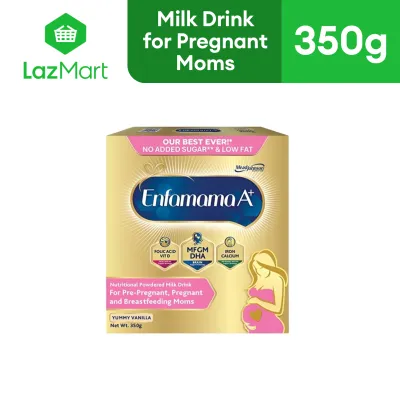
You may want to choose Enfamama if its specific nutritional profile, particularly its highlighted DHA and folic acid levels, aligns perfectly with your prenatal goals, and if you prefer its available flavor options. This brand is often favored by mothers who prioritize targeted brain-development nutrients and enjoy a richer, sweeter taste profile.
Alternatively, Nido may be the right choice if you are looking for a versatile, family-friendly brand profile where the cost per serving fits comfortably into a long-term household budget. It serves as a practical option for mothers who want straightforward calcium and vitamin fortification without a premium price tag.
On the other hand, NAN might be the ideal selection if your primary concern is digestive comfort and gentle nutrition. If its label lists specialized protein structures, low sweetness levels, or active prebiotics that address pregnancy-related digestive sensitivities, it can provide the comfort you need during challenging trimesters.
Regardless of which brand seems most appealing, you must stop and consult your obstetrician or a registered dietitian before starting or switching any maternal milk supplement. Your healthcare provider can review your blood work, assess your overall health, and confirm whether a specific maternal milk is safe and necessary for your unique pregnancy journey.
Frequently Asked Questions (FAQ)
Can I drink regular adult milk instead of maternal milk?
Regular adult milk can be a good source of calcium and protein, but it generally lacks the specialized fortification levels found in maternal milk. Maternal milks are specifically formulated to provide higher amounts of folic acid, iron, and DHA, which are critical for fetal development and are often difficult to obtain in sufficient quantities from standard adult milk alone. If your doctor confirms that your diet already meets all your nutritional requirements, regular milk may be sufficient; however, if you have specific dietary gaps, a specialized maternal milk is usually recommended.
Is it safe to drink maternal milk if I have gestational diabetes?
If you have been diagnosed with gestational diabetes, you must exercise extreme caution when consuming maternal milk. Many maternal milk formulations contain added sugars or high carbohydrate levels to improve taste, which can cause rapid spikes in blood glucose levels. You must carefully read the nutrition facts panel to check the total carbohydrates and sugar content per serving. It is strictly necessary to consult your endocrinologist or a registered dietitian to receive personalized dietary advice and to determine if a specific low-sugar maternal milk or an alternative supplement is safe for your condition.
Community discussion
Share your experience or ask a question. Comments are reviewed before publication.