
Quick Answer: Which Maternal Milk Should You Choose?
Pregnancy in the Philippines brings a unique set of challenges, from navigating the humid tropical climate to dealing with intense morning sickness. Ensuring proper maternal nutrition is a top priority for expectant mothers. Many doctors recommend maternal milk as a convenient way to fill nutritional gaps. If you are exploring your options, you have likely come across three major players on the shelves: Enfamama A+, Anmum Materna, and NAN Mama. Choosing enfamama for pregnant women, or opting for one of its main competitors, is not about finding a single “perfect” product, but rather finding the formula that best aligns with your body’s specific needs, your digestive tolerance, and your taste preferences.
Each of these three brands has carved out a specific niche in the Philippine market. Enfamama is highly regarded for its focus on brain development nutrients, particularly DHA. Anmum Materna is a household name widely recognized for its robust folate and calcium profile, which are crucial during the early stages of fetal development. NAN Mama is frequently chosen by mothers who prioritize digestive comfort, as it often incorporates specialized ingredients aimed at supporting gut health and easing common pregnancy-related digestive issues. Because formulations, ingredients, and nutritional values can be updated by manufacturers, it is vital to always verify the specific nutrient claims and ingredient lists on the physical product labels before making your final purchase.
Key Nutritional Differences: Evaluating Enfamama for Pregnant Mothers, Anmum, and NAN Mama
When comparing maternal milks, the nutrition facts panel on the back of the tin is your most reliable tool. Different brands prioritize different aspects of prenatal development, and understanding these differences allows you to choose a formula that complements your daily meals and any prenatal supplements your OB-GYN has prescribed.
Products mentioned in this guide
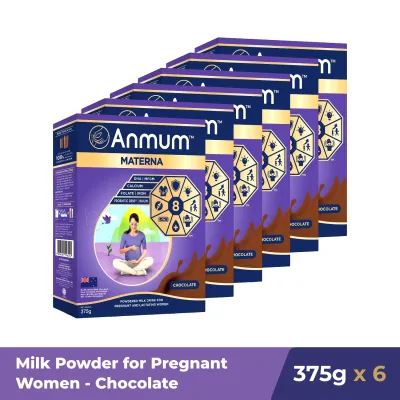
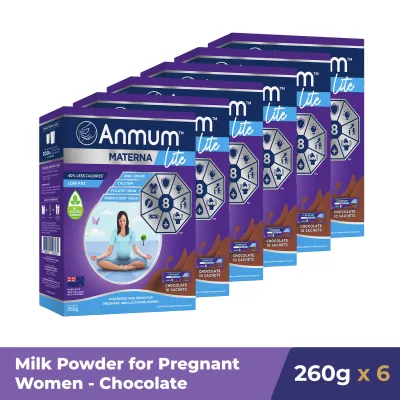
![[B3G2] Anmum Materna Milk Powder Plain 375G [Mommy Care+ Pack]](https://img.lazcdn.com/g/p/23086940f9cba0a16954c18a93e5412c.jpg_400x400q80.jpg_.webp)
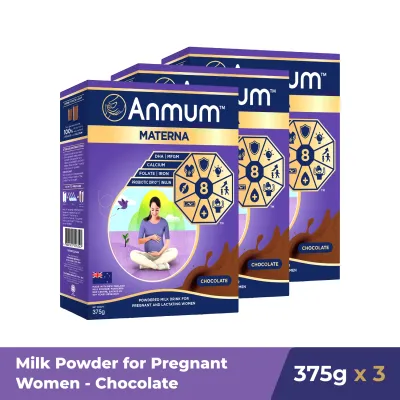
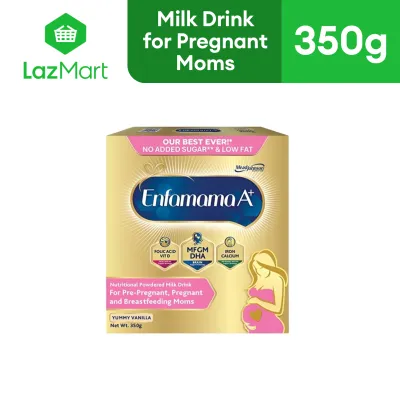
Prices are valid at publication and may change. Please refer to the product page for the latest price.

Folic Acid (Folate)
Folic acid is arguably the most critical nutrient during the early stages of pregnancy. It plays a vital role in the development of the baby’s neural tube, which eventually forms the brain and spinal cord. Adequate folate intake helps prevent major birth defects of the baby’s brain and spine. When examining the labels of Enfamama, Anmum Materna, and NAN Mama, look closely at the micrograms (mcg) of folic acid or Dietary Folate Equivalents (DFE) per serving. Compare these numbers with the daily intake recommended by your doctor to ensure you are meeting your specific prenatal requirements.
DHA and ARA
Docosahexaenoic Acid (DHA) and Arachidonic Acid (ARA) are omega-3 and omega-6 fatty acids that are essential for the development of your baby’s brain and eyes. The third trimester is a period of rapid brain growth, making these nutrients particularly important as your pregnancy progresses. Some formulas, such as Enfamama, place a heavy emphasis on these cognitive-supporting lipids. When reviewing the product packaging, check the milligrams (mg) of DHA and ARA per serving to see how each brand supports your baby’s neurological development.
Calcium and Vitamin D
During pregnancy, your body demands a significant amount of calcium to build your baby’s skeletal system, teeth, and muscles. If your daily calcium intake is insufficient, your body will naturally draw calcium from your own bones to support your growing baby, which can affect your long-term bone density. Vitamin D is the essential partner to calcium, acting as the key that allows your body to absorb this mineral efficiently. When comparing brands, verify not only the calcium content per serving but also the presence of added Vitamin D to ensure optimal absorption.
Iron
Iron is necessary to support the dramatic increase in your blood volume during pregnancy, helping transport oxygen to both your organs and your growing baby. However, iron is also a common cause of digestive discomfort and constipation for many pregnant women. While a higher iron content on the label is beneficial for preventing anemia, it may not be suitable if you already struggle with slow digestion. Carefully check the iron levels on each label and discuss with your healthcare provider whether a high-iron formula is appropriate for you.
Prenatal Nutrients: What to Look For on the Label
Because manufacturers frequently update their formulations, you should use the following table as a checklist when examining the physical packaging or official product images before buying.
| Nutrient | Why It Matters | Enfamama (Check Label) | Anmum Materna (Check Label) | NAN Mama (Check Label) |
|---|---|---|---|---|
| Folic Acid | Supports neural tube development and helps prevent birth defects. | Verify mcg per serving | Verify mcg per serving | Verify mcg per serving |
| DHA & ARA | Essential for fetal brain and eye development. | Verify mg per serving | Verify mg per serving | Verify mg per serving |
| Calcium | Builds fetal bones and teeth; protects maternal bone density. | Verify mg per serving | Verify mg per serving | Verify mg per serving |
| Vitamin D | Crucial for efficient calcium absorption in the body. | Check for added Vitamin D | Check for added Vitamin D | Check for added Vitamin D |
| Iron | Supports increased blood volume and prevents maternal anemia. | Verify mg per serving | Verify mg per serving | Verify mg per serving |
| Gut Health Ingredients | Helps manage pregnancy-related constipation and bloating. | Check for prebiotics | Check for prebiotics/probiotics | Check for active cultures/probiotics |
Taste, Digestion, and Lactose Tolerance
While nutritional content is vital, a maternal milk is only beneficial if you can drink it consistently. Pregnancy brings about significant physical changes, including heightened sensory awareness and altered digestion, which can heavily influence which brand you prefer.
Taste and Smell Sensitivity
Hormonal changes during pregnancy, particularly during the first trimester, can trigger a heightened sense of smell (hyperosmia) and severe morning sickness. A milk flavor that appeals to one mother might trigger intense nausea in another. To accommodate these changes, brands offer various flavor variants in the Philippines, such as plain, vanilla, and chocolate. If you are highly sensitive to smells, you may want to start with a plain or vanilla flavor, as these tend to be milder. Before committing to a large, expensive tin, look for small, single-serve sachets or the smallest available box to test your tolerance.
Digestive Comfort and Constipation
The hormone progesterone relaxes the smooth muscles throughout your body, including those in your digestive tract. While this slower digestion allows your body to absorb more nutrients for your baby, it often leads to uncomfortable bloating, gas, and constipation. To help manage these symptoms, some maternal milks incorporate prebiotics (such as inulin or fructooligosaccharides) or active probiotic cultures. NAN Mama, for example, frequently emphasizes digestive comfort and gut health in its formulation. When comparing labels, check the ingredient list for these digestive aids if you are prone to constipation.
Lactose Intolerance and Sensitivity
If you experience bloating, abdominal cramps, or diarrhea after drinking milk, you may have lactose sensitivity or intolerance, which is highly common among Asian populations. Some maternal milks are specifically formulated to be lower in lactose or easier to digest. You must carefully inspect the product packaging for explicit “low-lactose” or “lactose-free” claims. If you continue to experience digestive distress after trying these options, stop using the product immediately and consult your healthcare provider or an allergist for alternative prenatal nutrition strategies.
Comparing Price and Serving Size
Evaluating the cost of maternal milk in the Philippines requires looking beyond the sticker price of the tin. Because packaging sizes, scoop sizes, and the recommended number of scoops per glass vary significantly between brands, a direct price-to-weight comparison can be highly misleading.
Calculating the Cost per Serving
To determine the true cost-effectiveness of each brand, you should calculate the cost per serving rather than comparing the total price of the tin. You can easily find the total number of servings on the nutrition facts panel under “Servings per Pack” or “Servings per Container.” Use the following simple formula to make your comparison:
Total Price of the Tin ÷ Number of Servings per Tin = Cost per Serving
For example, if a tin costs ₱800 and contains 20 servings, the cost per serving is ₱40. If another tin costs ₱900 but contains 30 servings, the cost per serving is ₱30, making the second option more economical despite the higher initial shelf price.
Estimating Your Monthly Budget
Once you have calculated the cost per serving, check the recommended daily servings on the product label. Most brands recommend drinking 1 to 2 glasses of maternal milk per day to meet your nutritional needs. To estimate your monthly budget, multiply the cost per serving by your daily intake, and then multiply that number by 30. This calculation will give you a realistic projection of your monthly expenses, allowing you to choose a brand that fits comfortably within your family’s budget.
Purchasing Safety and Storage in the Philippines
To protect your health and the health of your baby, always purchase maternal milk from official brand stores on reputable online marketplaces, major supermarkets, or established national pharmacies. Counterfeit or improperly stored milk powder can pose severe health risks. In the tropical climate of the Philippines, high humidity and heat can degrade the quality of the powder and destroy active probiotics. Avoid buying from unauthorized third-party sellers who cannot guarantee proper temperature-controlled storage and shipping conditions.
How to Decide: Choose Enfamama, Anmum, or NAN Mama If…
Synthesizing all these factors into a practical decision depends on your unique physical needs, lifestyle, and medical history. Use this guide to help determine which option aligns best with your pregnancy journey.
- Choose Enfamama if: You place a high priority on brain development nutrients like DHA and ARA, your doctor has not highlighted a need for specialized digestive formulas, and you enjoy its specific flavor profile without experiencing pregnancy-induced nausea. It is a solid option for mothers looking to support fetal cognitive development through their daily dietary intake.
- Choose Anmum Materna if: You are looking for a highly accessible, widely trusted brand with a strong focus on folate and calcium. This is an ideal choice if you prefer its taste and texture, find its bulk packaging options budget-friendly, and do not experience any adverse digestive reactions to its specific iron and protein formulation.
- Choose NAN Mama if: You frequently experience pregnancy-related constipation, bloating, or mild digestive discomfort. Its formulation's emphasis on gut health, active probiotic cultures, and easy digestion makes it a suitable option if other maternal milks feel too heavy or difficult for your stomach to process.
When Standard Maternal Milks May Not Fit
Maternal milk is not a universal solution for every pregnancy. If you have severe lactose intolerance, have been diagnosed with gestational diabetes (which requires strict monitoring of carbohydrate and sugar intake), or are managing conditions like preeclampsia, standard maternal milks may not be safe for you. Many flavored formulas contain added sugars that can cause blood glucose spikes, which is highly risky for gestational diabetes. In these scenarios, you must consult your OB-GYY or a registered dietitian who can recommend specialized medical nutrition or alternative calcium and vitamin supplements tailored to your specific health requirements.
Safe Preparation and When to Consult Your Doctor
Consuming maternal milk safely involves more than just choosing the right brand; it also requires proper preparation and an understanding of its role in your overall prenatal diet.
Safe Preparation Guidelines
Always prioritize hygiene to protect yourself and your baby from foodborne illnesses. Before preparing your milk, wash your hands thoroughly with soap and water, and ensure that all preparation utensils, cups, and spoons are properly washed and sterilized. Use clean, safe drinking water that has been boiled and allowed to cool.
Pay close attention to the water temperature instructions specified on the product label. Using boiling hot water can destroy heat-sensitive vitamins and beneficial probiotics, rendering those added nutrients ineffective. Always mix the powder according to the exact scoop-to-water ratio recommended by the manufacturer; making the milk too concentrated can strain your kidneys and digestive system, while making it too diluted will not provide the intended nutritional benefits.
Dietary Context and Medical Boundaries
It is important to remember that maternal milk is formulated as a dietary supplement. It is designed to complement, not replace, a balanced prenatal diet rich in whole foods like fresh vegetables, fruits, lean proteins, and whole grains. It should also never be used as a substitute for your prescribed prenatal vitamins or iron supplements unless explicitly instructed by your doctor.
When to Stop and Consult a Professional
Monitor how your body responds to the maternal milk. If you experience severe allergic reactions (such as skin rashes, hives, or breathing difficulties), persistent digestive distress, unexpected or rapid weight gain, or if you need to manage your blood sugar levels due to gestational diabetes, stop consumption immediately. Always consult your healthcare professional to ensure your dietary choices remain safe and beneficial throughout your pregnancy journey.
Community discussion
Share your experience or ask a question. Comments are reviewed before publication.