
Choosing the right maternal milk, such as Enfamama or its competitors in the Philippines, depends on your specific nutritional gaps, pregnancy or lactation stage, dietary tolerances, and budget. There is no single universal “best” milk; instead, the ideal choice is the one that complements your daily whole-food intake and aligns with your doctor’s recommendations. By learning how to decode nutrition facts panels and evaluate key ingredients, you can make an informed decision that supports both your maternal health and your baby’s development.
Identifying Your Specific Maternal Nutritional Needs
During pregnancy, the maternal body undergoes massive physiological changes to support fetal development. This requires a steady supply of micronutrients to build the baby’s organs, skeletal structure, and circulatory system. At the same time, the mother’s body must build up its own nutrient stores to prepare for delivery and postpartum recovery.
During lactation, the nutritional focus shifts toward milk production and maternal replenishment. The body requires additional energy, fluids, and specific nutrients to produce breast milk that is rich in proteins, fats, and vitamins. Maternal milk supplements are designed to bridge these gaps, but their necessity depends heavily on your baseline diet.
Products mentioned in this guide
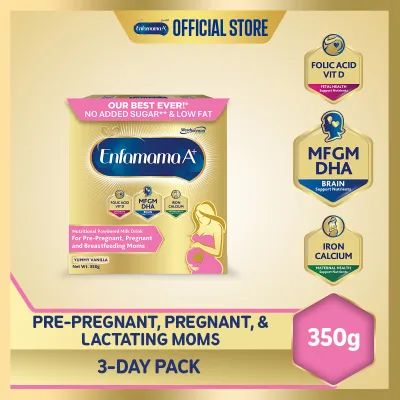
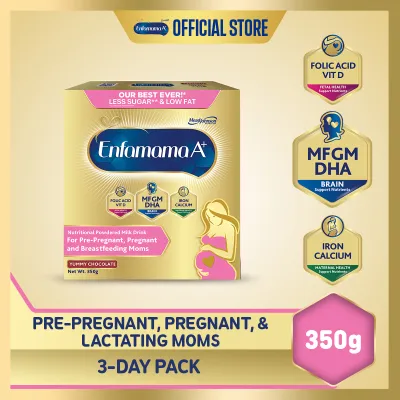
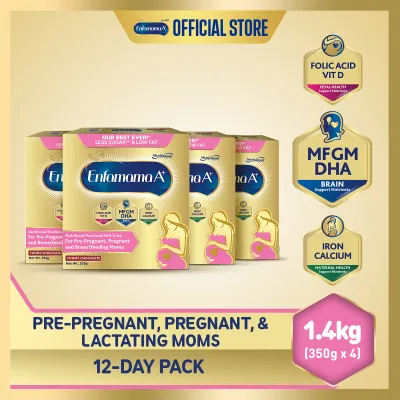
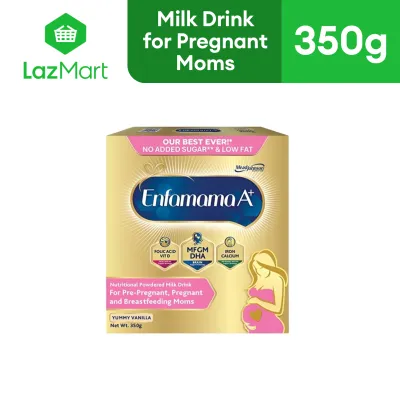
Prices are valid at publication and may change. Please refer to the product page for the latest price.
Many pregnant and lactating women struggle to get enough iron, calcium, and folic acid from food alone. Folic acid is crucial in the early weeks of pregnancy to prevent neural tube defects, while iron is needed to support the dramatic increase in maternal blood volume. Calcium is vital to ensure that the baby’s bone development does not deplete the mother’s own bone density.
However, maternal milk is not a universal requirement. If you already consume a highly balanced diet of whole foods—including leafy greens, lean meats, fish, dairy, and whole grains—and you take a comprehensive prenatal vitamin prescribed by your doctor, adding fortified milk might lead to an unnecessary excess of certain nutrients. It is always best to evaluate your daily food intake before deciding to add a supplement.
Core Dimensions for Comparing Maternal Milk Labels
To compare Enfamama with other maternal milk brands, you must look past the front packaging and analyze the Nutrition Facts panel on the back. This panel provides the exact breakdown of vitamins, minerals, and macronutrients per serving.

First, focus on the micronutrient profile. Look at the percentage of the Daily Value (% DV) or the Recommended Energy and Nutrient Intakes (RENI) for key pregnancy nutrients. Compare how much folic acid, iron, calcium, zinc, and DHA each brand offers per serving. Keep in mind that higher is not always better; your goal is to meet, not drastically exceed, your daily recommended limits.
Second, evaluate the macronutrient profile, particularly the sugar and calorie content. Some maternal milks are heavily sweetened to mask the metallic taste of iron or the fishy taste of DHA. If you are monitoring your weight gain or managing your blood sugar levels, look for brands that have lower total carbohydrates and minimal added sugars like sucrose or corn syrup.
Third, consider digestibility and gastrointestinal tolerance. Hormonal changes during pregnancy often slow down digestion, leading to common issues like constipation, bloating, or acid reflux. Some brands fortify their milk with dietary fibers like inulin or prebiotic oligosaccharides to support gut health. If you have a known sensitivity to lactose, you will need to search for specialized low-lactose or lactose-free formulations.
Finally, do not underestimate the importance of flavor and palatability. Pregnancy can significantly alter your sense of taste and smell, making certain flavors unappealing. Since consistency is crucial for nutritional supplements to be effective, choose a flavor—such as chocolate, vanilla, or plain—that you can comfortably consume daily. Buying smaller trial packs or sachets first is a practical way to test your tolerance before purchasing a large tin.
Decision Framework: When to Choose Enfamama vs. Alternatives
To help you decide between Enfamama and alternative maternal milk brands, it is helpful to establish a clear decision framework based on your personal health profile and preferences.
Choose Enfamama if you are looking for a highly accessible, mainstream option in the Philippines that places a strong emphasis on DHA and brain-development nutrients. It is an excellent choice if you prefer its specific taste profiles, find that its price point fits your monthly budget, and want a brand that is easily restocked at almost any local supermarket or pharmacy.
Choose alternative brands if you require highly specialized formulations that address specific dietary restrictions. For instance, if you need a strictly organic product, a completely lactose-free formula, or a milk with a significantly lower glycemic index, other brands may offer targeted options that better align with these requirements.
Verify first with your healthcare provider if you have any pre-existing medical conditions or pregnancy complications. Conditions such as gestational diabetes, severe anemia, preeclampsia, or chronic hypertension require strict dietary management. In these scenarios, you should never self-prescribe maternal milk; instead, let your obstetrician or a registered dietitian recommend a specific brand or supplement regimen.
Use the following comparison framework to evaluate the options available at your local store:
| Brand Profile | Key Label Claims to Verify | Best Suited For |
|---|---|---|
| Enfamama A+ | Check DHA levels, folic acid content, and sugar per serving on the back panel. | Mothers seeking a mainstream, DHA-focused formula available in major local stores. |
| Alternative Brand A (e.g., Low-Sugar/Specialized) | Verify total carbohydrate/sugar content and glycemic index indicators. | Mothers monitoring blood glucose levels or managing gestational weight. |
| Alternative Brand B (e.g., Organic/Lactose-Free) | Check for organic certifications or explicit "lactose-free" labeling. | Mothers with lactose sensitivity or those prioritizing organic-certified ingredients. |
Practical Purchasing and Daily Usage Guidelines
When purchasing maternal milk in the Philippines, safety and authenticity should be your top priorities. Always buy your milk from official brand stores, authorized pharmacies, or reputable online marketplaces. Inspect the packaging thoroughly before buying; avoid tins with deep dents, bulging lids, or broken safety seals, and always verify that the expiration date is clearly printed and valid.
To get the best value for your money, perform a simple cost-per-serving calculation rather than comparing retail prices directly. Divide the total price of the package (in ₱) by the number of servings listed on the nutrition label. This method helps you determine whether a larger tin, a smaller box, or a multi-pack of sachets offers the most economical choice for your daily routine.
Proper preparation and storage are essential to preserve the nutritional value of the milk and prevent contamination. Always wash your hands and sterilize your preparation utensils before mixing. Use clean, boiled water that has been allowed to cool to the temperature recommended by the manufacturer—using boiling water can destroy sensitive vitamins and beneficial probiotics.
Because of the high humidity and tropical climate in the Philippines, store your opened milk powder in a cool, dry place, but never in the refrigerator, as the moisture can cause the powder to clump and spoil. Ensure the lid is tightly sealed after every use, and consume the contents within the timeframe specified on the packaging, which is typically within three to four weeks of opening.
Frequently Asked Questions (FAQ)
Can I drink regular adult milk instead of maternal milk during pregnancy?
Yes, regular adult milk is a safe option, but it does not contain the same fortified levels of prenatal nutrients as maternal milk. Regular milk provides excellent amounts of calcium and protein, but it generally lacks the high concentrations of folic acid, iron, and DHA that are specifically added to maternal formulas to support fetal development. If you choose to drink regular milk, you must ensure that you are meeting these critical nutritional requirements through a balanced diet and your doctor-prescribed prenatal supplements.
Do I need to switch from pregnancy milk to lactation milk after giving birth?
This depends entirely on the product’s formulation and your postpartum nutritional needs. Some maternal milks are designed to support both pregnancy and lactation, while other brands offer separate formulations for each stage. Lactation requires a higher intake of fluids, proteins, and energy to support breast milk production. Check the product label to see if your current milk is formulated for lactating mothers, and consult your doctor to determine if a transition is necessary.
Is it safe to drink maternal milk if I have gestational diabetes?
If you have been diagnosed with gestational diabetes, you must be extremely cautious when choosing a maternal milk. Many commercial brands contain added sugars and carbohydrates that can cause rapid spikes in your blood glucose levels. Carefully read the nutrition facts panel to check the sugar content per serving, and always consult your obstetrician or a registered dietitian before adding any maternal milk to your daily diet.
Community discussion
Share your experience or ask a question. Comments are reviewed before publication.