
Quick Answer: Which Maternal Milk Should You Choose?
Choosing the right maternal milk during pregnancy is a highly personal decision that depends on your specific sensory preferences, nutritional priorities, and daily lifestyle. There is no single “best” option for every expectant mother; instead, the ideal choice hinges on how well a brand aligns with your current pregnancy experience, especially if you are navigating challenges like morning sickness or gestational blood sugar concerns.
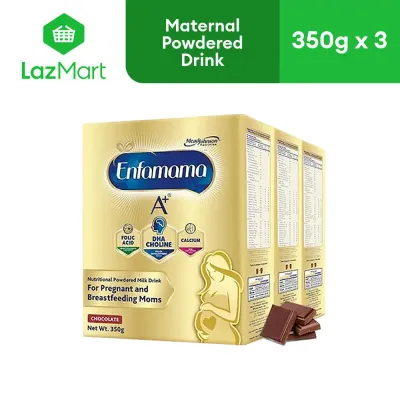
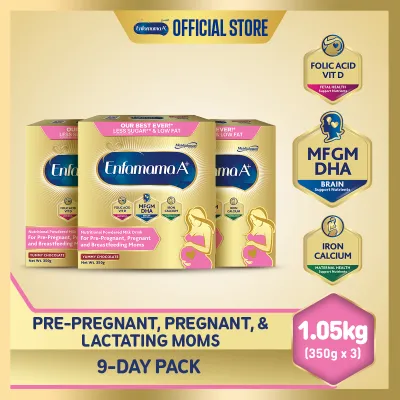
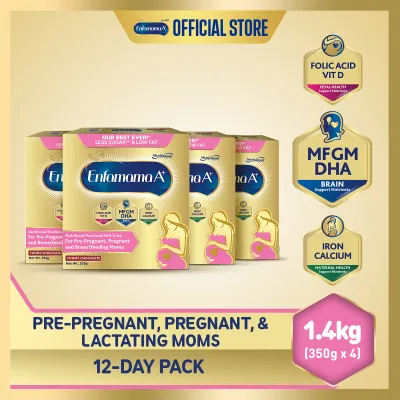
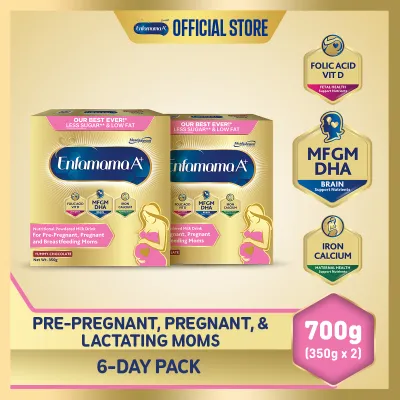
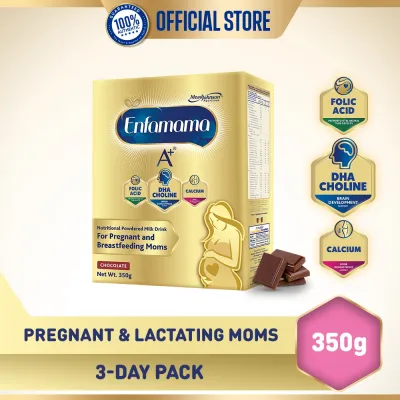
For mothers struggling with nausea, a metallic taste in the mouth, or strong aversions to plain milk, Enfamama Chocolate milk offers a highly palatable, sweet alternative that makes daily supplementation much easier to tolerate. If you prefer a familiar, classic milk flavor and want a brand that is widely accessible in local supermarkets and neighborhood drugstores across the Philippines, Nido Mom serves as a reliable, straightforward option. Meanwhile, NAN Mom is designed for those seeking specialized maternal formulations, often featuring lower sweetness levels and targeted functional ingredients.
Because every pregnancy is unique, it is essential to verify the specific nutrient values on each product label and consult your OB-GYN or a registered dietitian before introducing a new supplement to your daily routine.
Products mentioned in this guide
Prices are valid at publication and may change. Please refer to the product page for the latest price.
Key Nutritional Benchmarks for Pregnancy
During pregnancy, your body undergoes significant physiological changes to support the growth of your baby. These changes dramatically increase your daily requirements for specific vitamins and minerals. Understanding these key nutritional benchmarks will help you evaluate maternal milk options more effectively when reading their nutrition facts panels.

Folic acid, also known as vitamin B9, is one of the most critical nutrients during the early stages of pregnancy. It plays a vital role in the proper development of the baby’s neural tube, which eventually forms the brain and spinal cord. Adequate folic acid intake helps prevent serious neural tube defects, making it a cornerstone of prenatal nutrition.
Iron is another indispensable mineral, as your blood volume expands by up to 50 percent during pregnancy to supply oxygen to your growing baby. This dramatic increase in blood volume requires a higher intake of iron to produce hemoglobin and prevent maternal anemia. Severe anemia can lead to intense fatigue for the mother and may complicate delivery or affect the baby’s birth weight.
Calcium is essential for the development of your baby’s bones and teeth. If your dietary intake of calcium is insufficient, your body will naturally draw this mineral from your own bones to support the fetus, potentially compromising your long-term bone density. Consuming adequate calcium helps preserve maternal bone health while ensuring the baby’s skeletal system develops normally.
Docosahexaenoic acid, or DHA, is an omega-3 fatty acid that serves as a primary building block for the fetal brain and retina. Ensuring a steady intake of DHA throughout pregnancy supports cognitive and visual development.
While these nutrients represent standard benchmarks for maternal health, your individual daily requirements may vary based on your baseline health, diet, and medical history. Always check the nutrition facts label on the packaging to verify the exact amounts provided per serving, and discuss these values with your healthcare provider to ensure they complement your overall prenatal care plan.
Brand-by-Brand Breakdown
To help you decide which maternal milk fits your daily routine, it is helpful to look closely at the distinct characteristics, taste profiles, and nutritional positioning of each leading brand available in the Philippines.
Enfamama Chocolate
Enfamama Chocolate milk is highly regarded among expectant mothers for its distinct taste advantage. During the first trimester, hormonal fluctuations often trigger intense morning sickness, nausea, and a persistent metallic taste that can make consuming plain milk highly unappealing. The rich, sweet chocolate flavor of this variant serves as an effective way to mask these unpleasant sensory symptoms, allowing mothers to maintain their nutritional intake without triggering nausea.
Beyond its appealing flavor, this brand is widely recognized for its focus on brain-development nutrients, particularly DHA, alongside a broad spectrum of essential maternal vitamins and minerals. However, because flavored milks generally require sweetening agents to achieve their taste profile, it is highly recommended that you check the nutrition facts panel for the total carbohydrate and added sugar content. Monitoring these values is especially critical if you need to manage your overall daily sugar intake or have been advised to watch your blood glucose levels.
Nido Mom
Nido Mom leverages a long-standing reputation as a trusted household brand in the Philippines. It is highly accessible, making it easy to find in local supermarkets, major drugstores, and official online brand stores. This widespread availability makes it a convenient option for busy mothers who want a reliable supplement that can be easily added to the weekly grocery run.
In terms of taste, this brand offers a classic, creamy, and familiar milk profile that appeals to those who prefer traditional dairy flavors over sweet or highly flavored alternatives. Its formulation is designed to provide a balanced mix of daily maternal nutrients, focusing on supporting overall maternal wellness and fetal development. When evaluating this option, make sure to verify the specific levels of iron, calcium, and folic acid printed on the back of the tin to confirm that the serving sizes align with the precise recommendations provided by your obstetrician.
NAN Mom
NAN Mom is positioned as a premium, scientifically advanced maternal milk option. Developed under Nestlé’s specialized nutrition line, this brand is often favored by mothers who prefer a highly analytical approach to their prenatal diet. The formulation typically emphasizes digestive comfort and metabolic support, catering to specific physiological needs that arise during pregnancy.
When examining the packaging of this product, you should look for specific functional claims, such as the inclusion of active probiotics like Bifidobacterium lactis, which can support maternal gut health and ease common pregnancy-related digestive discomforts. Additionally, some formulations in this line may feature a low glycemic index (GI) design, which is highly beneficial for blood sugar management. The taste profile is generally mild, clean, and significantly less sweet than flavored options, making it a suitable choice for mothers who prefer a subtle flavor. Be sure to check the box directly to verify these active ingredients and functional claims, as manufacturers update their formulations periodically.
Head-to-Head Comparison: Enfamama Chocolate Milk, Nido Mom, and NAN Mom
To help you synthesize these details, the following comparison table outlines the general characteristics and key areas of focus you should verify on each product’s packaging.
| Brand | Primary Taste Profile | Key Nutritional Focus (Verify on Label) | Best Suited For |
|---|---|---|---|
| Enfamama Chocolate | Rich, sweet chocolate flavor | DHA levels and added sugar content | Mothers managing morning sickness or strong aversions to plain milk |
| Nido Mom | Classic, creamy, traditional milk taste | Standard folic acid, iron, and calcium levels | Mothers seeking a familiar, widely available, and straightforward supplement |
| NAN Mom | Mild, clean, and low-sweetness profile | Active probiotics and low-GI claims | Mothers looking for targeted digestive support or blood sugar management |
When preparing maternal milk in the Philippines, local environmental factors play a significant role in product quality. The country’s high tropical humidity can cause opened milk powders to absorb moisture rapidly, which may lead to clumping, flavor degradation, or premature spoilage. To prevent this, always store your milk tin in a cool, dry pantry away from direct sunlight, ensure the plastic lid is sealed tightly immediately after use, and consume the product within the manufacturer’s recommended timeframe—typically three to four weeks after opening.
Additionally, always inspect the packaging before purchase to ensure the security seal is fully intact and the expiration date is clearly visible and well into the future. Avoid purchasing tins that are dented or damaged, as compromised packaging can expose the powder to humidity and contaminants.
Decision Framework: How to Choose the Right Maternal Milk
To finalize your choice, you can use this conditional framework to match a brand to your daily physical needs and lifestyle preferences:
- Choose Enfamama Chocolate if: You are dealing with active morning sickness, find the taste of plain milk unappealing, and want a flavorful, comforting beverage that helps you meet your nutritional goals, provided you are actively monitoring your daily sugar intake.
- Choose Nido Mom if: You want a highly accessible, familiar milk with a classic dairy taste that you can easily purchase during regular grocery trips, and you prefer a straightforward approach to daily supplementation.
- Choose NAN Mom if: You prefer a less sweet taste, want to prioritize digestive comfort with probiotics, or are looking for a specialized formulation designed to support blood sugar management.
Verify first if: You have been diagnosed with gestational diabetes, severe maternal anemia, lactose intolerance, or any specific food allergies. In these scenarios, self-prescribing maternal milk can carry risks. Always present the nutrition facts panel of your preferred brand to your OB-GYN or a registered dietitian to ensure the supplement is safe and appropriate for your specific health profile.
Frequently Asked Questions (FAQ)
Can I drink maternal milk if I already take prenatal vitamins?
Yes, but you must do so with careful coordination. Maternal milk and prescribed prenatal vitamins often contain overlapping nutrients, such as folic acid, iron, and calcium. Consuming high doses of both simultaneously can lead to exceeding the safe upper limits for certain nutrients, particularly fat-soluble vitamins and minerals. To avoid nutritional toxicity or imbalances, review the ingredient lists of both your maternal milk and your prenatal supplements with your OB-GYN, who can help you balance your intake safely.
Is it safe to drink chocolate-flavored maternal milk if I have gestational diabetes?
If you have gestational diabetes or are at risk for blood sugar fluctuations, you must exercise caution with flavored maternal milks. Products like Enfamama Chocolate milk typically contain added sugars to achieve their taste profile, which can cause rapid spikes in blood glucose levels. Carefully examine the total carbohydrates and sugars listed on the nutrition facts panel. Your doctor or dietitian may recommend switching to an unflavored, low-glycemic index maternal milk or managing your nutritional needs through alternative dietary sources and targeted prenatal vitamins instead.
When should I start drinking maternal milk during pregnancy?
Many women choose to start drinking maternal milk during the preconception phase or early in the first trimester to build up essential nutrient stores, particularly folic acid, which is critical in the very early weeks of fetal development. However, there is no universal timeline for starting maternal milk. The ideal starting point depends on your baseline nutritional status, your daily diet, and whether you are experiencing severe nausea. Consult your healthcare provider to determine the most beneficial time to introduce maternal milk into your pregnancy journey.
Community discussion
Share your experience or ask a question. Comments are reviewed before publication.