
Quick Answer: Which Maternal Milk Should You Choose?
Pregnancy brings a wave of physical changes, and meeting your elevated nutritional needs is a top priority. For many expectant mothers in the Philippines, maternal milk serves as a convenient daily supplement to fill dietary gaps. However, walking down the supermarket aisle presents several options, leaving you to wonder which formulation best matches your body’s needs, your budget, and your changing palate.
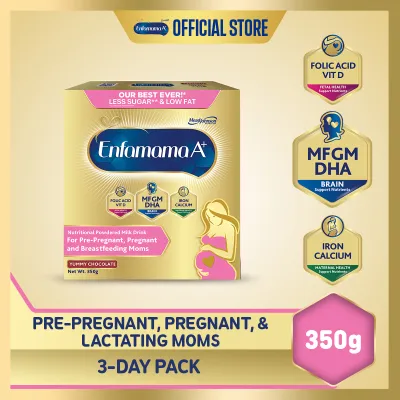
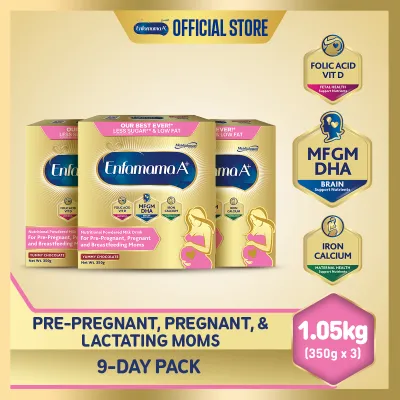
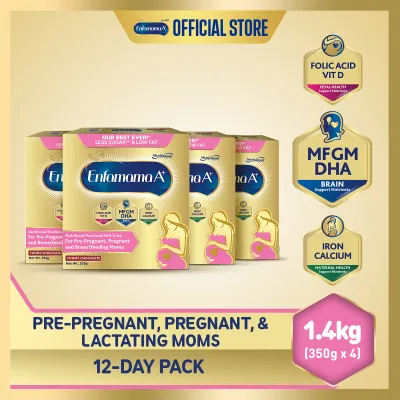
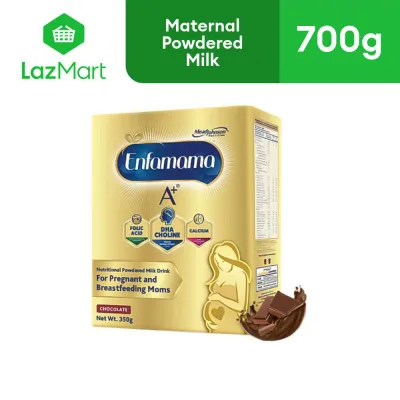
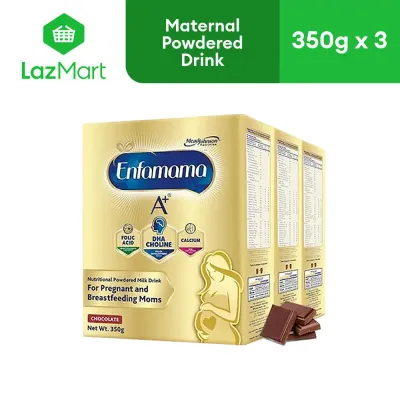
The ideal maternal milk is not a one-size-fits-all product; rather, it depends on your specific nutritional requirements, taste preferences, and daily budget. If you struggle with morning sickness or find yourself craving sweets, choosing enfamama choco (Enfamama A+ Chocolate) can be an excellent way to mask pregnancy-related nausea with a familiar, rich cocoa flavor. On the other hand, if you prefer a straightforward, classic milk taste from a highly familiar household brand, Nido Mom offers a practical option. If your priority is a dedicated maternal brand with a long-standing history of pregnancy-focused formulations, Anmum Materna remains a highly popular choice among local moms.
While these milk drinks are designed to support maternal health, they are dietary supplements rather than complete meal replacements. Because your OB-GYN or registered dietitian may already have prescribed specific prenatal vitamins, it is crucial to consult them before introducing any maternal milk to your routine. This ensures you do not accidentally exceed the safe daily limits of certain vitamins and minerals.
Products mentioned in this guide
Prices are valid at publication and may change. Please refer to the product page for the latest price.
Nutritional Profiles: What to Check on the Label of Enfamama Choco and Other Maternal Milks
During pregnancy, your body demands an increased intake of specific micronutrients to support both your health and your baby’s development. Folic acid is critical during the early weeks to support neural tube development, while Docosahexaenoic Acid (DHA) plays a vital role in the baby’s brain and eye development. Additionally, you need robust levels of calcium and vitamin D to protect your own bone density while your baby’s skeletal system forms, along with iron to support the dramatic rise in your blood volume.

Because formulations can vary and manufacturers frequently update their recipes, you should always check the nutrition facts panel on the physical packaging or the official brand website. Do not rely on outdated online summaries; instead, look at the “% Daily Value” (%DV) or the exact milligrams and micrograms listed per serving. Comparing these values side-by-side will give you a clear picture of how much of your daily recommended intake each glass actually provides.
Another critical factor to evaluate is the added sugar content, which is listed under total carbohydrates on the label. This is particularly important for Filipino mothers who need to manage their gestational weight gain or monitor their blood glucose levels. Flavored options, such as chocolate or vanilla, typically contain more sugar than plain, unflavored milk powders, making it essential to check the exact grams of sugar per serving.
Finally, look closely at the fortification levels of vitamins and minerals to prevent over-supplementation. If your doctor has already prescribed a daily prenatal multi-vitamin, some nutrients—such as iron, folic acid, or vitamin A—might overlap. Consuming highly fortified milk alongside high-dose supplements can sometimes lead to excessive intake, which is why cross-referencing your labels is a necessary safety step.
Taste and Mixability: Managing Pregnancy Cravings and Nausea
Pregnancy often alters your sense of smell and taste, turning previously loved foods into triggers for morning sickness. Finding a maternal milk that you can comfortably swallow and digest daily is just as important as its nutritional breakdown. The sensory experience of drinking your daily glass can make or break your supplementation routine.
The flavor options among these three brands cater to different palates. Choosing enfamama choco provides a distinct advantage if you struggle with the metallic taste or smell of plain milk, as the rich cocoa flavor does an excellent job of masking the underlying nutrient taste. Meanwhile, Nido Mom and Anmum Materna are widely known for their classic plain and vanilla variants, which appeal to mothers who prefer a clean, traditional milk flavor. You should always verify the currently available local flavors on the packaging, as brand offerings can change over time.
Mixability is another practical consideration, especially in the warm and humid climate of the Philippines. High humidity can sometimes cause milk powder to clump if the container is not sealed tightly. You will want to evaluate how easily the powder dissolves in both warm and cold water. Some formulations dissolve smoothly with a few quick stirs, while others may leave a chalky residue or stubborn clumps at the bottom of your glass, which can be unappealing when you are already dealing with nausea.
To avoid wasting money on a large container you might not enjoy, adopt a practical “taste test” strategy. Before committing to a large tin, look for single-serve sachets or the smallest available box size at your local supermarket or pharmacy. Trying a small amount first allows you to test how your stomach reacts to the taste, sweetness, and texture before investing in a bulk purchase.
Value and Availability: Calculating the True Cost per Serving
Managing household expenses is a key priority for growing Filipino families, making the cost of daily maternal milk an important factor. However, simply comparing the retail price of different tins on the supermarket shelf can be misleading. To understand the actual financial impact, you must calculate the true cost per serving.
To perform this calculation, look at the net weight of the package and find the serving size instructions on the back label. Divide the total price of the tin or box by the total number of servings the package yields. This simple exercise often reveals that a larger, seemingly more expensive tin actually provides a lower cost per individual glass than a smaller packaging option.
Packaging formats also play a role in both value and daily convenience. For instance, a 400-gram tin might be highly portable and easy to store in a small pantry, while a larger 600-gram or 800-gram box might offer better long-term savings. Sachet boxes are highly convenient for working mothers who need to prepare their milk at the office, though they often carry a slight premium per gram compared to bulk tins.
When purchasing maternal milk in the Philippines, safety should always come first to avoid counterfeit, expired, or improperly stored products. Buy your milk exclusively from reputable physical supermarkets, established nationwide pharmacies, or the official flagship stores of the brands on trusted online marketplaces. Be cautious of heavily discounted listings from unverified third-party sellers, as improper storage in hot, humid warehouses can degrade the active nutrients in the powder.
While looking for bundle deals or online discount vouchers is a smart way to save, avoid hoarding excessive quantities of milk powder. Your taste preferences can shift dramatically between your first and third trimesters, and what tasted delicious in week eight might cause aversion by week twenty-four. Additionally, check the expiration dates carefully to ensure you can realistically consume all the milk before it spoils.
Safety and Dietary Restrictions: Verifying Suitability for Your Pregnancy
Every pregnancy is unique, and what works perfectly for one mother might cause digestive issues or health risks for another. Before incorporating any maternal milk into your daily diet, it is essential to review your personal health profile and read the product labels for potential allergens or dietary conflicts.
Lactose Intolerance If you experience bloating, gas, or stomach cramps after consuming dairy, you may have varying degrees of lactose sensitivity. While maternal milks are dairy-based, some brands offer low-lactose formulations or alternative options. Carefully inspect the ingredient list for lactose content, and look for specific “low-lactose” or “lactose-free” claims on the packaging if you are prone to digestive discomfort.
Gestational Diabetes For mothers diagnosed with gestational diabetes or those tracking elevated blood sugar levels, carbohydrate control is paramount. Flavored milks, particularly chocolate options, often contain added sugars to enhance their taste. You must consult your OB-GYN or an endocrinologist before consuming these products, as they can cause rapid spikes in your blood glucose levels. Your doctor may advise you to switch to a plain, unsweetened version or rely solely on prenatal capsules.
Allergies Always read the allergen statement printed on the packaging. Maternal milk formulations frequently contain soy lecithin as an emulsifier to improve mixability, and some are processed in facilities that handle gluten, nuts, or other common allergens. If you have a known allergy to milk proteins, soy, or other additives, verifying these details on the label is a critical safety step.
If you experience any adverse reactions after drinking maternal milk—such as severe abdominal pain, persistent diarrhea, skin rashes, or worsened nausea—stop consuming the product immediately. Keep the packaging so you can show the ingredient list to your healthcare provider, and schedule a consultation to find a safer nutritional alternative.
Frequently Asked Questions (FAQ)
Can I drink maternal milk while taking prenatal vitamins?
Maternal milk is highly fortified with essential vitamins and minerals, which can sometimes overlap with the nutrients in your prescribed prenatal supplements. Taking both simultaneously without careful calculation can lead to an excessive intake of certain nutrients, such as iron, vitamin A, or folic acid. To ensure your safety, bring both your prenatal vitamin bottle and your maternal milk container to your next prenatal checkup. Your OB-GYN can review the exact dosages on both labels and advise you on how to balance them safely.
When should I start and stop drinking maternal milk?
Many women begin drinking maternal milk during the preconception phase or early in the first trimester to help build up crucial nutrient reserves, particularly folic acid. You can typically continue drinking it throughout your entire pregnancy and well into the postpartum period to support lactation and physical recovery. However, there is no universal timeline that fits every mother. Your starting and stopping points should be guided by your individual nutritional needs, weight gain patterns, and the specific recommendations of your doctor.
Is it safe to drink chocolate-flavored maternal milk if I have gestational diabetes?
If you have been diagnosed with gestational diabetes, you should exercise extreme caution when considering chocolate-flavored maternal milks. These flavored options generally contain higher amounts of added sugars and carbohydrates compared to plain or unsweetened maternal milks, which can make blood sugar management more difficult. It is highly recommended to consult your healthcare provider or a registered dietitian before drinking any flavored milk. They can help you determine if a plain, low-sugar alternative is more appropriate for your daily meal plan.
Community discussion
Share your experience or ask a question. Comments are reviewed before publication.