
Quick Answer: Which Formula Fits Your Toddler Best?
Choosing the right toddler milk for a child between 1 and 3 years old is a highly individualized decision. There is no single “best” formula that works universally for every toddler. The ideal option for your child depends entirely on their unique nutritional gaps, taste preferences, and digestive tolerance. What works exceptionally well for one child might cause mild tummy issues or be rejected outright by another.
To help guide your choice, the three leading brands in the Philippine market occupy distinct nutritional niches. Enfagrow is widely recognized for its strong focus on brain development, featuring high levels of Docosahexaenoic Acid (DHA) and other cognitive-supporting nutrients. Nido is generally positioned as a highly accessible, fortified milk supplement designed to support overall physical growth, bone density, and immune health. NAN focuses heavily on digestive comfort and gut health, incorporating specialized protein structures and active probiotic cultures designed for sensitive tummies.
It is important to remember that toddler formulas and milk supplements are designed to be nutritional safety nets rather than primary sources of nourishment. By the age of 1 to 3 years, your child should be obtaining the vast majority of their daily nutrients from a balanced diet of solid foods. Milk at this stage serves to fill in the gaps when toddlers experience picky eating phases or rapid growth spurts.
Products mentioned in this guide
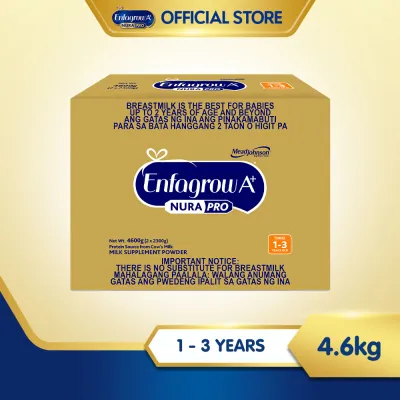
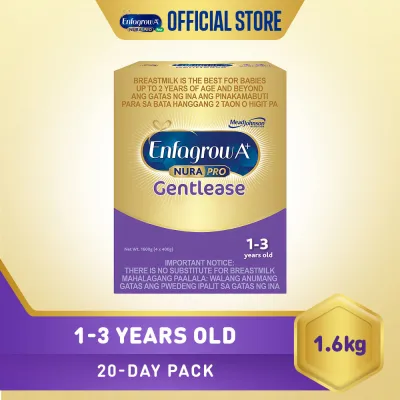
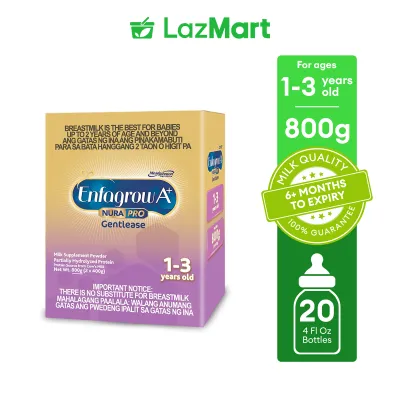
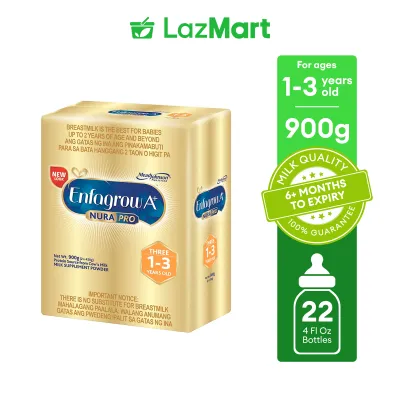
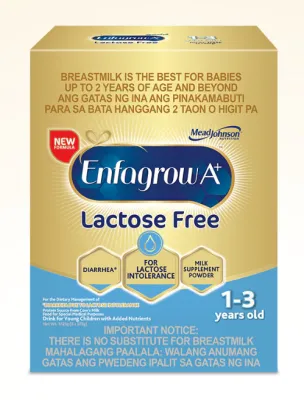
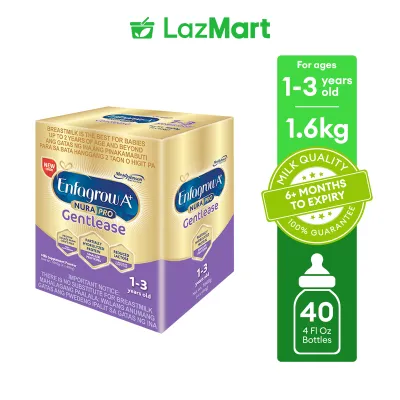
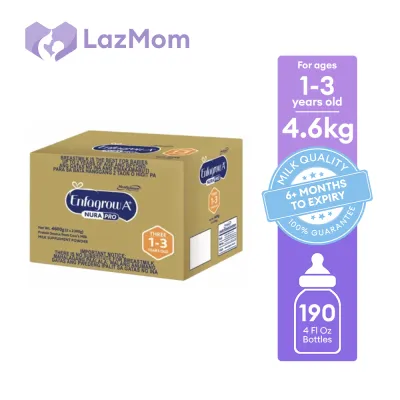
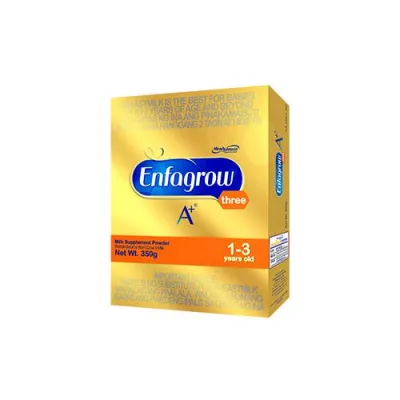
Prices are valid at publication and may change. Please refer to the product page for the latest price.
Before making any changes to your child’s diet or switching between milk brands, always consult your pediatrician. A qualified medical professional can assess your child’s specific growth trajectory and check for any underlying food allergies or digestive sensitivities, ensuring that your choice is both safe and beneficial.
Nutritional Priorities for 1 to 3 Year Olds
The transition from infancy to toddlerhood marks a significant shift in your child’s nutritional requirements. During the first year of life, infant formula or breast milk serves as the primary source of nutrition. However, between the ages of 1 and 3, solid foods take center stage, and milk transitions into a supportive role. This developmental stage is characterized by rapid physical growth, intense cognitive development, and a rapidly maturing immune system, all of which demand a specific set of micronutrients.

When evaluating toddler milk labels in the Philippines, several key nutrients deserve close attention. Iron is critical at this stage because toddlers are at a higher risk of developing iron-deficiency anemia as they transition away from iron-fortified infant formulas. Calcium and Vitamin D must be present in balanced ratios to support the rapid lengthening of bones and the strengthening of teeth. DHA and Arachidonic Acid (ARA) are essential omega-3 and omega-6 fatty acids that support ongoing brain structure development and visual acuity during these highly active learning years. Additionally, prebiotics and probiotics are increasingly included to support gut-associated lymphoid tissue, which makes up a large portion of the toddler’s developing immune system.
While looking for these beneficial nutrients, parents must also become vigilant label readers regarding ingredients that may not align with long-term health goals. Many toddler milks contain added sugars, such as sucrose, corn syrup solids, maltodextrin, or glucose syrup, to enhance flavor and acceptability. Regular consumption of drinks with high levels of added sugars can contribute to early tooth decay and establish a strong preference for overly sweet flavors, which can worsen picky eating habits. Artificial flavorings should also be monitored and minimized where possible.
To ensure you are selecting a product that truly supports your child’s health, always verify the age suitability and complete ingredient list printed on the packaging. Never assume a product is appropriate for a one-year-old simply based on the brand name, as manufacturers often produce multiple formulations under the same brand umbrella that target entirely different age brackets.
Brand Breakdown: Enfagrow, Nido, and NAN
To make an informed decision, it helps to understand how each of these prominent brands is formulated and what specific details you should look for on their product labels when shopping in local stores.
Enfagrow (Focus on Cognitive and Overall Development)
Enfagrow has built a strong reputation among Filipino parents as a premium option centered on cognitive advancement and developmental milestones. The brand’s marketing and formulation strategies emphasize the “brain-building” potential of its ingredients, making it a frequent choice for parents who want to prioritize cognitive support during these crucial early learning years.
When examining a tin of Enfagrow—such as Enfagrow A+ Four or Enfagrow Four—parents should look closely at the nutrition information panel to verify the exact levels of DHA. DHA is a structural fat in the brain, and the levels provided per serving can vary significantly between different regional formulations and product tiers. Additionally, check the label for other cognitive-supporting components like iron, zinc, and choline, which work synergistically to support neural development.
It is equally important to inspect the ingredient list for the presence of added sugars and flavorings. Enfagrow variants are available in different flavors, including vanilla, which can appeal greatly to toddlers but may contain added sucrose. Parents who prefer to limit their child’s intake of refined sugars should compare the plain or original variants against the flavored options, checking the total sugar content per serving to make an informed choice that fits their family’s dietary preferences.
Nido (Focus on Growth, Immunity, and Taste)
Nido is a household name in the Philippines, widely appreciated for its accessibility, affordability, and focus on general physical growth and immune defense. It is primarily positioned as a fortified milk supplement that helps bridge nutritional gaps in daily diets, ensuring that active toddlers receive the energy and micronutrients required for physical play and bone development.
Parents must be careful to distinguish between the various Nido product lines available on supermarket shelves. While Nido offers powdered milks for older children and the entire family, the specific variant formulated for toddlers aged 1 to 3 is typically labeled as Nido 1+ (or Nido 3+ for children aged three and older). Always verify the age recommendation on the front of the packaging to ensure you are purchasing the correct formulation for your toddler.
When reading the Nido 1+ label, look for the specific vitamin and mineral blends, which often highlight vitamins A, C, and D, alongside Zinc and Selenium to support immune function. You should also check the label for their proprietary prebiotic fibers or probiotic cultures, which are added to assist with digestion. Because Nido is known for its creamy, slightly sweet taste profile that toddlers accept easily, take a moment to verify the added sugar content on the nutrition facts panel to ensure it aligns with your daily nutritional targets.
NAN (Focus on Digestion and Gut Health)
NAN is Nestlé’s premium line of formulas, developed with a strong emphasis on nutritional science, digestive comfort, and gut health. This brand is frequently recommended or sought out by parents whose toddlers experience mild digestive issues, such as occasional gassiness, bloating, or irregular bowel movements, which can occur as the digestive tract adapts to a wider variety of solid foods.
When evaluating NAN toddler products, such as NAN Kid 3 or NAN Optipro 3, parents should look for specific digestive support features on the label. These often include optimized protein blends designed to be easily broken down by young digestive systems, reducing the strain on a toddler’s stomach. Additionally, look for the inclusion of active probiotic strains, such as Bifidobacterium lactis or Lactobacillus reuteri, which help maintain a healthy balance of gut microbiota.
Verify the presence of prebiotic fibers like Galacto-oligosaccharides (GOS) and Fructo-oligosaccharides (FOS) on the ingredient list, as these fibers feed the beneficial bacteria in the gut. While NAN is an excellent option for promoting digestive comfort, parents must remember that standard toddler formulas are not treatment options for diagnosed medical conditions. If your child exhibits persistent digestive distress, severe constipation, or chronic diarrhea, you must seek professional medical advice rather than relying on a commercial formula change.
Comparing the Day-to-Day Parenting Experience
Beyond nutritional profiles, the practicalities of daily preparation, product availability, and your child’s reaction to the milk play a massive role in which brand ultimately fits your household.
Taste and Acceptance
Toddlers are notorious for their unpredictable food preferences and can be highly sensitive to changes in flavor and texture. Enfagrow, Nido, and NAN have distinct taste profiles that can influence how readily your child accepts them. Nido is highly regarded for its rich, creamy, and sweeter taste, which many toddlers accept immediately. Enfagrow often features a distinct vanilla flavor that appeals to young palates, while NAN tends to have a more neutral, less sweet, and plain milk flavor due to its focus on specialized protein structures and lower sugar formulations.
If your toddler is particularly picky, transitioning to a less sweet formula like NAN might require patience, whereas transitioning to Nido or Enfagrow might happen more quickly. To avoid wasting money on a large container that your child might reject, always look for the smallest packaging size available—such as a 350g pouch or box—to test your child’s acceptance before committing to a larger, more expensive tin.
Mixability and Preparation
The physical characteristics of the milk powder can affect your daily preparation routine. In the hot and highly humid climate of the Philippines, milk powder can easily absorb moisture from the air, leading to clumping inside the container. This clumping can make accurate measuring difficult and affect how easily the powder dissolves in water.
Generally, premium formulas like NAN and Enfagrow are processed to dissolve quickly in lukewarm or room-temperature water without leaving excessive residue or clumps at the bottom of the cup. Nido also dissolves well, though some parents note that its creamier formulation may require more vigorous stirring or shaking to dissolve completely, especially in cooler water. Regardless of the brand you choose, always follow the exact scoop-to-water ratio printed on the specific tin or box you purchased. Altering this ratio by adding too much or too little powder can cause dehydration, constipation, or nutritional deficiencies.
Availability in the Philippines
All three brands enjoy excellent distribution across the Philippines, but there are differences in where you can find specific variants. Nido is exceptionally easy to find, stocking shelves in almost every local neighborhood sari-sari store, small grocery, major supermarket, and pharmacy nationwide. It is highly accessible even in remote provinces.
Enfagrow and NAN are also widely available but are more commonly found in larger supermarkets (such as SM Supermarket, Puregold, Robinsons, and WalterMart) and major national drugstores (such as Mercury Drug and Watsons). If you prefer shopping online, all three brands maintain official flagship stores on reputable e-commerce platforms. Purchasing from these official channels is highly recommended to ensure product authenticity, proper storage conditions, and access to accurate product information.
Decision Framework: Which Brand Should You Choose?
To help simplify your decision, use this structured framework to match your toddler’s specific needs and your parenting priorities to the most suitable brand.
- Choose Enfagrow if: Your primary goal is to supplement your child's diet with high levels of DHA and cognitive-supporting nutrients, your toddler prefers a vanilla or slightly sweet flavor profile, and you are comfortable paying a premium price for a brand focused on brain development.
- Choose Nido if: You are looking for a highly accessible, budget-friendly, and widely trusted fortified milk supplement to support general physical growth and immunity, your child prefers a creamier and sweeter taste, and they do not have any digestive sensitivities or a tendency toward excessive weight gain.
- Choose NAN if: Your toddler has a sensitive stomach and is prone to mild gas, bloating, or digestive discomfort, you want to prioritize gut health with specialized active probiotics and optimized proteins, and you prefer a formula with a neutral, less sweet taste profile.
- Verify First if: Your child has a diagnosed medical condition, such as a cow's milk protein allergy (CMPA), severe lactose intolerance, or chronic malabsorption. In these specific cases, standard commercial toddler formulas are entirely inappropriate and can cause severe health complications. You must consult your pediatrician, who will recommend a specialized hypoallergenic, extensively hydrolyzed, or amino acid-based medical formula.
Safe Preparation and Transitioning Guidelines
Proper preparation and a gradual transition are essential to protect your toddler’s health and ensure their digestive system adapts smoothly to a new milk.
When preparing any toddler formula, always adhere to strict hygiene standards to prevent bacterial contamination, which is especially important in tropical climates where bacteria multiply rapidly:
- Wash Your Hands: Thoroughly wash your hands with soap and clean water before handling any preparation utensils.
- Clean the Preparation Area: Ensure the countertop and all utensils are clean. If using a cup or bottle, ensure it has been thoroughly washed and sterilized.
- Prepare the Water: Use safe, clean drinking water. Boil the water vigorously for at least one minute, then allow it to cool to a lukewarm or room-temperature level (approximately 40°C) before mixing. Never use boiling water, as extreme heat can destroy the sensitive vitamins and beneficial live probiotics in the powder.
- Measure Accurately: Use only the scoop provided inside the specific tin or package you are using. Level off each scoop with a clean, dry knife or the built-in leveler on the tin. Do not pack the powder down.
- Mix and Feed: Add the correct number of level scoops to the measured volume of water. Stir or shake well until the powder is fully dissolved. Feed your child immediately, and discard any leftovers within one to two hours of preparation. Never store leftover prepared milk in the refrigerator for later use.
When transitioning your toddler from infant formula to a toddler milk, or when switching between different brands, always implement a gradual transition over a period of 7 to 10 days. This allows your child’s digestive enzymes and gut microbiota to adapt to the new protein structures and nutrient concentrations without causing digestive upset.
Start by replacing just one feeding per day with the new brand for the first three days. If your child tolerates this well, increase to two feedings per day for the next three days, gradually phasing out the old milk entirely by the end of the transition period. During this time, carefully monitor your child’s stool consistency, skin condition, and overall behavior. If you observe persistent diarrhea, vomiting, severe constipation, skin rashes, hives, or unusual irritability, stop the transition immediately and consult your pediatrician for guidance.
Frequently Asked Questions (FAQ)
Can I mix toddler formula powder with regular cow's milk instead of water?
No, you should never mix toddler formula powder directly with liquid cow’s milk instead of water. Toddler formulas are carefully balanced to be reconstituted with a specific volume of water to achieve the correct concentration of nutrients and minerals. Mixing the powder with liquid cow’s milk alters this balance, creating an overly concentrated solution that can strain your toddler’s developing kidneys, lead to dehydration, and cause severe digestive distress. Always follow the manufacturer’s instructions and mix the powder only with safe, cooled boiled water.
Is it necessary to give my 1-3 year old toddler formula if they eat solid foods well?
No, toddler formula is not strictly necessary if your child is growing well and eating a balanced, varied diet of solid foods. If your 1-3 year old regularly consumes a wide variety of grains, proteins, healthy fats, fruits, and vegetables, and drinks pasteurized whole cow’s milk, they are likely meeting all their nutritional requirements. Toddler formula is primarily designed as a convenient nutritional safety net to help fill in the gaps for picky eaters, children with specific dietary restrictions, or those experiencing temporary growth faltering. Consult your pediatrician to determine if your child actually requires a milk supplement.
How do I know if my toddler is allergic to a specific formula brand?
An allergic reaction or intolerance to a formula brand typically manifests through clear physical symptoms shortly after feeding or within a few days of starting the milk. Watch closely for signs such as hives, red skin rashes, swelling of the lips or face, vomiting, severe watery diarrhea, blood or mucus in the stool, chronic wheezing, or extreme, inconsolable fussiness after drinking. If you observe any of these symptoms, stop feeding the formula immediately and seek prompt medical attention from your pediatrician to receive a proper diagnosis and recommendation for a safe alternative.
Community discussion
Share your experience or ask a question. Comments are reviewed before publication.