
Choosing the right formula milk for your baby during the crucial 6-12 month transition period can feel overwhelming. With major brands like Enfagrow, Nido, and NAN lining the shelves, parents are often left wondering which option provides the best nutritional support for their growing infant. The second half of your baby’s first year is marked by rapid physical development, cognitive milestones, and the exciting introduction of solid foods, making their nutritional intake more complex than ever before.
There is no single “best” formula milk for every 6-12 month old baby. The right choice between Enfagrow, Nido, and NAN depends on your baby’s digestive tolerance, specific nutritional needs during the transition to solid foods, and your family’s budget and purchasing convenience. This guide will help you compare product labels, assess suitability based on observable signs, and establish a safe purchasing routine to make an informed decision for your child. By focusing on objective label reading and careful observation, you can confidently select a formula that supports your baby’s unique developmental journey.
Understanding Stage 2 Formula Needs (6-12 Months)
During the first six months of life, breast milk or Stage 1 infant formula provides complete nutrition for your baby. However, as infants reach the 6-12 month mark, their nutritional requirements undergo a significant shift. This period, often referred to as the follow-on stage, requires a diet that complements the gradual introduction of solid foods. While solid foods introduce new textures and flavors, formula or breast milk remains the primary source of hydration and essential nutrients during this transitional phase.
Products mentioned in this guide
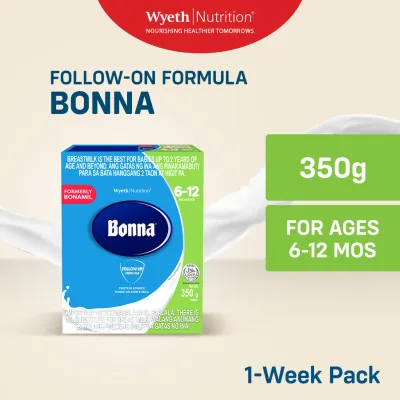
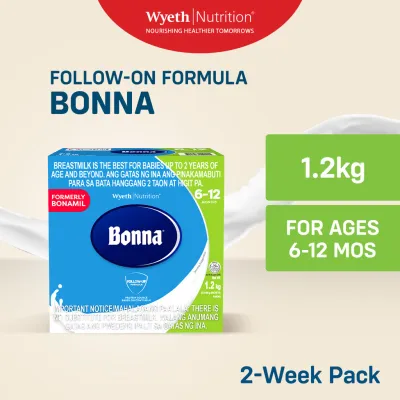
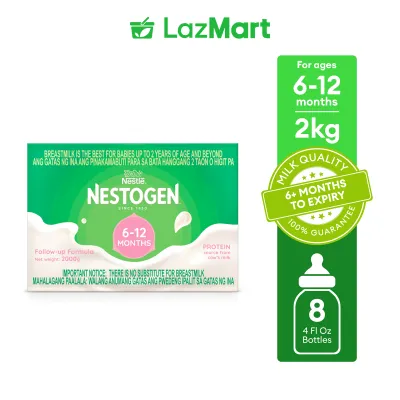
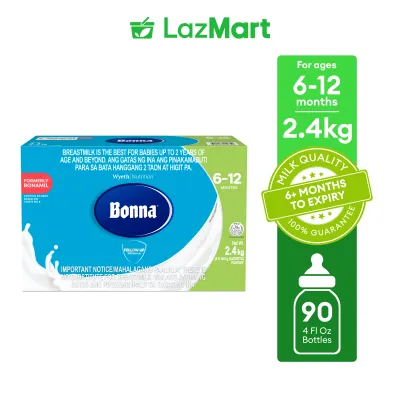
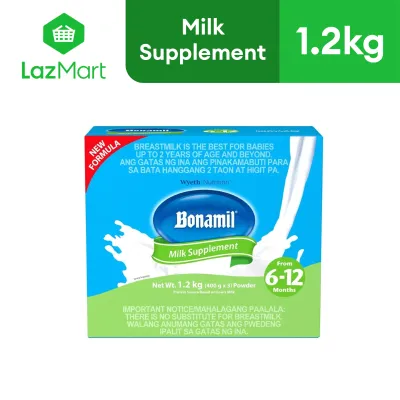
Prices are valid at publication and may change. Please refer to the product page for the latest price.
One of the most critical nutrients during this stage is iron. Around the six-month mark, a baby’s natural iron stores accumulated during gestation begin to deplete rapidly. Because iron is vital for healthy brain development and the production of red blood cells, Stage 2 formulas are typically fortified with higher levels of iron compared to Stage 1 formulas. Calcium is another essential mineral that becomes increasingly important during this time to support rapid bone growth and the eruption of primary teeth. Additionally, docosahexaenoic acid (DHA) and arachidonic acid (ARA)—which are crucial omega-3 and omega-6 fatty acids—continue to play a foundational role in supporting visual and cognitive development.
Recognizing when your baby is ready to transition to a Stage 2 formula involves observing specific developmental milestones. Generally, babies are ready around six months of age, especially when they show signs of readiness for solid foods, such as sitting up with minimal support, displaying good head control, and showing curiosity about what family members are eating. However, age alone is not the sole indicator; your baby’s weight and overall digestive maturity also play key roles.
Before making any changes, it is essential to check the product label for the exact age range and nutritional claims. Formulations can vary significantly by region, country of manufacture, and specific product lines. What is marketed as a follow-on formula in one country might have a different age recommendation in another. Always verify that the packaging explicitly states it is formulated for infants aged 6 to 12 months to ensure it meets the strict regulatory standards for this specific developmental window.
Comparing Enfagrow, Nido, and NAN: What to Check on the Label
Navigating the formula aisle requires looking past eye-catching marketing claims and focusing directly on the nutrition facts panel and the ingredient list. When comparing Enfagrow, Nido, and NAN, understanding how to read these labels empowers you to make an objective comparison based on your baby’s specific needs.

The first component to analyze is the protein and milk base. The source and structure of the protein can greatly impact how easily your baby digests the formula. Look at the ingredient list to identify whether the product uses intact cow’s milk protein or partially hydrolyzed proteins. Partially hydrolyzed proteins are pre-broken down into smaller components, making them gentler on sensitive tummies. For example, within the NAN product family, certain lines like NAN Optipro utilize specialized protein blends, while other sub-lines focus on hydrolyzed options. Enfagrow also offers distinct sub-lines, such as Enfagrow A+, which may feature different protein-to-whey ratios designed to mimic the natural progression of breast milk.
A critical safety distinction must be made regarding brand names and age suitability. While NAN and Enfagrow offer dedicated Stage 2 follow-on formulas designed specifically for the 6-12 month age bracket, other popular brands like Nido are primarily known for toddler milk, such as Nido 1+, which is formulated for children aged one year and older. Feeding a toddler formula to a 6-12 month old infant is highly unsafe. Toddler formulas contain higher concentrations of proteins and minerals that can strain an infant’s immature kidneys and digestive system. Always inspect the physical tin to ensure the product is explicitly certified and labeled for the 6-12 month range, and do not assume all products under a trusted brand name are safe for infants.
Next, carefully examine the label for added sugars and flavorings. As you read the ingredient list, look for terms such as sucrose, corn syrup solids, maltodextrin, or glucose syrup. Pediatric feeding guidelines strongly recommend avoiding added sugars in infant formulas. Introducing sweet flavorings early in life can shape a baby’s taste preferences toward sugary foods and increase the risk of early childhood tooth decay. Opt for formulas that rely on lactose as their primary carbohydrate source, as this is the natural sugar found in breast milk.
Micronutrient variations are another key area of comparison. Turn the tin to the nutrition facts table and compare the declared amounts of iron, zinc, calcium, and essential vitamins per 100 grams of powder or per 100 milliliters of prepared formula. While all infant formulas must meet strict national and international nutritional standards, minor variations in these levels can exist between brands. Discuss these values with your pediatrician to determine if a specific micronutrient profile is better suited for your baby’s growth pattern.
Finally, remember that comparisons must be made between specific, comparable tins. Each of these brands offers multiple variations, including standard, gentle, sensitive, or lactose-free lines. Comparing a premium, partially hydrolyzed formula from one brand to a standard, intact-protein formula from another will not yield an accurate comparison. Ensure you are comparing like-for-like products to make a fair assessment of their nutritional profiles and ingredients.
Assessing Suitability: Digestion, Allergies, and Preferences
Even the most nutritionally advanced formula is only beneficial if your baby can digest it comfortably. Because every infant’s digestive system is unique, observing your baby’s physical reactions is the most reliable way to assess whether a specific formula is suitable for them.
Differentiating between normal digestion and signs of formula intolerance is a key skill for caregivers. It is normal for babies transitioning to Stage 2 formula and solid foods to experience slight changes in stool consistency, color, and frequency. Normal stools can range from soft and paste-like to slightly formed, with colors varying from yellow to green or brown. However, signs of potential intolerance include excessive, painful gas that causes the baby to pull their legs up to their chest, severe constipation characterized by hard, dry, pellet-like stools, or unusual fussiness and crying during or immediately after feeding.
It is vital to distinguish mild digestive discomfort from allergy red flags, which require immediate medical attention. If your baby exhibits symptoms such as hives, facial swelling, swelling of the lips or tongue, blood or mucus in their stool, persistent projectile vomiting, or chronic diarrhea, stop using the formula immediately. These signs point to a potential allergic reaction, such as a cow’s milk protein allergy, which cannot be managed by simply switching to another standard commercial formula. In such cases, seek immediate consultation with a pediatrician or a pediatric allergist.
Taste and acceptance also play a practical role in formula selection. Babies develop distinct taste preferences, and some may initially reject a new formula due to differences in flavor, sweetness, or texture. If you are switching brands, a sudden transition can sometimes lead to temporary refusal. To manage this, introduce the new formula gradually, allowing your baby’s palate to adjust to the new taste profile over several days.
If your baby continues to show signs of discomfort, poor weight gain, or persistent refusal, avoid the temptation to engage in continuous trial-and-error by switching through multiple commercial brands. Repeatedly changing formulas can further irritate a sensitive digestive tract. Instead, consult a qualified healthcare provider. They can perform a professional evaluation and recommend specialized, extensively hydrolyzed, or amino acid-based formulas tailored to your baby’s medical needs.
Pricing, Availability, and Safe Purchasing Channels
Choosing a formula is not a one-time purchase but a continuous commitment for the remainder of your baby’s first year. Therefore, evaluating the long-term financial impact and establishing a safe, reliable supply chain are essential steps for your family.
To accurately assess the cost of each brand, avoid relying solely on the upfront shelf price of the tin. Instead, calculate the true cost per serving in ₱. You can do this by dividing the total price of the tin by the estimated number of scoops it contains, which is determined by the net weight of the powder and the recommended scoop size on the feeding table. This calculation reveals the actual cost per feed, allowing you to compare the long-term financial commitment of Enfagrow, Nido, and NAN based on your baby’s daily consumption.
Given the tropical climate and high humidity in the Philippines, purchasing formula from safe, authorized channels is critical to protect your baby’s health. Only buy formula from established supermarkets, official brand stores, or verified online retailers on reputable ecommerce platforms. Avoid purchasing from unauthorized third-party sellers or discount online shops, as these products may be counterfeit, expired, or stored in hot, humid warehouses that degrade the nutritional quality and safety of the powder.
When your formula is delivered or purchased, perform a systematic authenticity and safety check before opening the tin. First, inspect the outer plastic safety seal to ensure it has not been broken or tampered with. Next, check the inner foil membrane; it should be completely sealed and taut, with no punctures or tears. Verify that the batch number and expiration date printed on the bottom of the tin are clearly legible, show no signs of alteration, and match any details on the outer carton.
Proper storage is equally vital to maintain the formula’s safety and nutritional integrity. Store unopened tins in a cool, dry pantry away from direct sunlight, stovetops, or appliances that generate heat. Never store formula powder in the refrigerator, as the high humidity can introduce moisture, causing the powder to clump and fostering bacterial growth. Once a tin is opened, write the date on the plastic lid. Most manufacturers recommend consuming the contents within three to four weeks; always discard any remaining powder after this timeframe to ensure safety.
Decision Framework: Which Brand Fits Your Baby and Family?
Selecting the right formula involves balancing your baby’s physiological tolerance with your household’s practical and financial realities. To help finalize your choice, consider this conditional decision framework based on observable signs and household logistics.
Choose Enfagrow if your baby tolerates its specific Stage 2 formulation well, showing no signs of digestive discomfort, and your monthly household budget comfortably accommodates its premium pricing tier. This option is suitable for families looking for a brand with a strong focus on developmental nutrients like DHA, provided the baby digests the intact or specialized protein base without issue.
Choose Nido only if you have verified the availability of a specific, compliant formulation approved for the 6-12 month age range in your local market, your baby responds positively to its milk-based profile, and the brand aligns with your preferred grocery shopping routine and budget. Remember that standard Nido products, such as Nido 1+, are formulated for toddlers and are unsafe for infants under 12 months.
Choose NAN if your baby digests its specific protein blend comfortably, particularly if they benefit from its specialized formulations designed for easy digestion, and you value the convenience of finding it consistently stocked in your local physical stores and pharmacies. This brand is often favored by parents who prioritize digestive comfort and widespread local availability.
Always verify first with a pediatrician if your baby has a known family history of food allergies, exhibits any digestive red flags, or requires a medically prescribed specialized formula. Never make frequent, unguided changes to your baby’s formula, as a stable feeding routine is essential for their digestive health and overall development.
Frequently Asked Questions (FAQ)
Can I mix different formula brands in the same bottle?
No, you should not mix different formula brands or different stages of formula in the same bottle. Each formula is scientifically designed with a precise balance of water, proteins, fats, and minerals to meet specific developmental needs. Mixing different brands alters this delicate balance and changes the osmolarity of the feed, which can strain your baby’s developing kidneys and digestive system. Furthermore, if your baby experiences an allergic reaction, excessive gas, or diarrhea, mixing brands makes it nearly impossible to identify which product triggered the issue, complicating medical advice.
How do I safely transition from Stage 1 to Stage 2 formula?
A safe transition from Stage 1 to Stage 2 formula should be gradual to allow your baby’s digestive system to adapt to the new nutrient concentrations. Start by replacing just one feed a day with the new Stage 2 formula, keeping all other feeds as Stage 1. Over the course of five to seven days, slowly increase the number of Stage 2 bottles while decreasing the Stage 1 bottles. During this transition, watch for signs of successful adaptation, such as normal stool consistency, active feeding, and peaceful sleep. If you observe increased gas, fussiness, or loose stools, slow down the transition, revert to the previous stage, and consult your pediatrician.
Community discussion
Share your experience or ask a question. Comments are reviewed before publication.