
Choosing the right milk supplement for a toddler is one of the most frequent decisions parents in the Philippines face. As children transition from infancy to early childhood, their nutritional requirements change dramatically. While solid foods must become their primary source of nutrition, finding a suitable milk supplement can help bridge potential dietary gaps. When comparing popular options like enfagrow 1 to 3 years old, Nido, and NAN, there is no single “best” formula for every child. The ideal choice depends on your toddler’s digestive tolerance, specific nutritional needs, and your family’s budget.
To make an informed decision, it helps to use a conditional framework. If your primary goal is supporting cognitive development and immune defense, Enfagrow is a strong candidate due to its focus on DHA and brain-essential nutrients. If you are looking for a highly accessible, budget-friendly option that prioritizes bone growth and physical development, Nido is a classic choice. If your toddler has a sensitive stomach and requires support for gentle digestion and gut health, NAN is formulated with specific probiotic strains to ease the digestive process. Because every child’s digestive system and health profile are unique, always consult your pediatrician before introducing or switching formulas, particularly if your toddler has known food allergies, medical conditions, or exhibits severe picky eating habits.
Baseline Nutritional Needs for 1 to 3 Year Olds
Between the ages of one and three, toddlers undergo rapid physical and cognitive growth. This developmental phase marks a significant dietary shift. During infancy, breast milk or infant formula provides nearly all necessary nutrients. In contrast, toddlerhood requires solid foods to take center stage as the primary source of energy, vitamins, and minerals. Milk supplements are designed to act as a safety net, reinforcing a varied diet of fruits, vegetables, grains, and proteins rather than replacing them.
Products mentioned in this guide
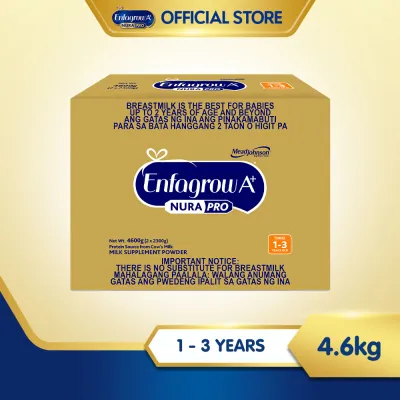
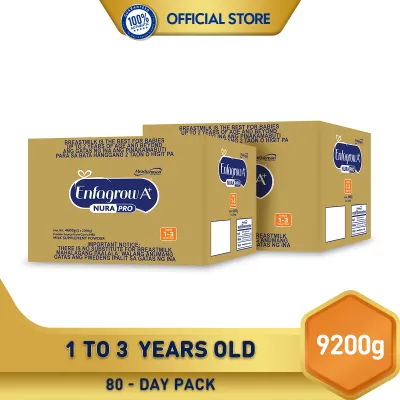
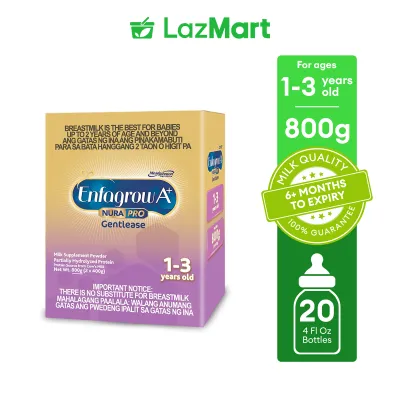

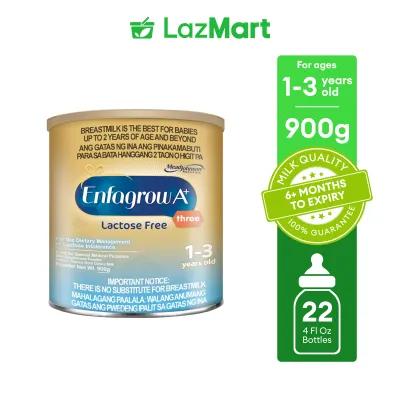
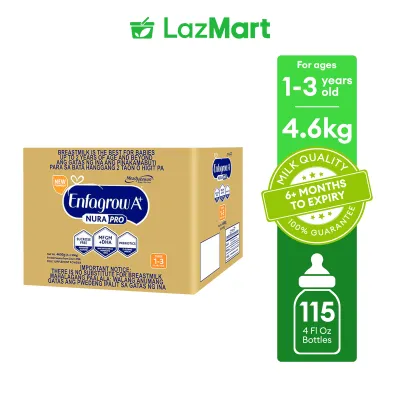
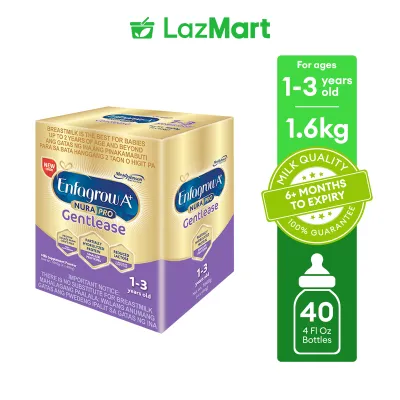
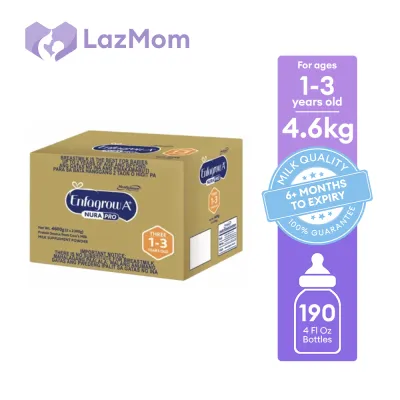
Prices are valid at publication and may change. Please refer to the product page for the latest price.
When evaluating any toddler milk label, several critical nutrients deserve close attention. Calcium and Vitamin D work synergistically to support the rapid lengthening of bones and the strengthening of teeth. Iron is essential for healthy brain development and preventing iron-deficiency anemia, a common concern during early childhood growth spurts. Zinc supports a robust immune system, while Docosahexaenoic Acid (DHA)—an omega-3 fatty acid—is a key structural component of the brain and retina.
It is important to note that toddler formulas are not strictly mandatory if a child is already consuming a perfectly balanced, nutrient-dense solid food diet. However, many toddlers experience phases of selective eating or low appetite, which can make consistent nutrient intake challenging. To understand how a single serving of formula contributes to your child’s daily requirements, check the nutrition facts panel on the packaging and compare it against local health authority guidelines, such as those provided by the Food and Nutrition Research Institute (FNRI) in the Philippines.
Core Nutritional Focus: Enfagrow 1 to 3 Years Old vs. Nido vs. NAN
While all major toddler milk brands sold in the Philippines must meet strict national and international regulatory standards for safety and basic nutrition, manufacturers design their formulations to emphasize different aspects of childhood development. Understanding these distinct product philosophies helps narrow down the choices based on your toddler’s specific physical needs.

Enfagrow: Brain and Immune Support Focus
Enfagrow, particularly its variants designed as enfagrow 1 to 3 years old supplements, heavily prioritizes cognitive development and immune system reinforcement. The brand is widely recognized for its inclusion of DHA and Ara (Arachidonic Acid) at levels designed to support rapid brain growth during the first three years of life. Many premium variants also feature Milk Fat Globule Membrane (MFGM), a components-rich structure naturally found in milk that plays a role in cognitive and behavioral development.
In addition to brain-building nutrients, Enfagrow formulations often contain specialized prebiotic blends, such as polydextrose and galactooligosaccharides (GOS), which support a healthy gut environment to bolster natural defenses. Because product lines can vary—ranging from premium options like Enfagrow A+ Four to standard everyday variants—parents must verify the specific nutrient concentrations, ingredient lists, and exact variant names on the packaging to ensure it aligns with their expectations.
Nido: Growth and Bone Health Focus
Nido has long been a household staple in the Philippines, positioning itself as an accessible partner for overall physical growth and bone development. The brand’s toddler range, such as Nido 3+, focuses on delivering a robust combination of calcium, Vitamin D, and high-quality proteins to support active toddlers who are constantly running, jumping, and exploring their environments.
Many Nido formulations are fortified with what the brand refers to as “Protectus” ingredients, which typically include specific vitamins (A, C, and E), zinc, and sometimes lactobacillus cultures to support respiratory and intestinal defenses. When choosing Nido, it is highly recommended to read the ingredient list carefully. Different variants and age-stage formulations may contain varying levels of added sugars, such as sucrose, or distinct flavoring profiles (like honey or vanilla). Identifying these ingredients helps you manage your toddler’s daily sugar intake and shape their early taste preferences.
NAN: Digestive Comfort and Gut Health Focus
NAN, produced by Nestlé, is engineered with a strong emphasis on digestive comfort, gut health, and gentle nutrition. The brand is particularly well-known for incorporating active probiotic cultures, most notably Bifidobacterium lactis or Lactobacillus reuteri. These beneficial bacteria help maintain a balanced gut microbiome, which is essential for smooth digestion, regular bowel movements, and overall immune function.
Additionally, some NAN variants feature optimized protein blends (such as OPTIPRO) designed to deliver high-quality protein at lower quantities, reducing the metabolic load on a toddler’s developing kidneys and digestive tract. While NAN is an excellent option for toddlers prone to mild gas, bloating, or occasional constipation, parents must remember that standard toddler variants are not hypoallergenic. If your child has a diagnosed cow’s milk protein allergy or severe digestive disorder, these standard formulas are not suitable substitutes for specialized, extensively hydrolyzed medical formulas prescribed by a pediatric gastroenterologist.
Label Reading Guide: Comparing Key Nutrients and Ingredients
To make an objective comparison, parents should bypass marketing slogans and look directly at the nutrition facts panel and ingredient list on the physical tin. This systematic approach ensures you know exactly what you are paying for and what your child is consuming.
When comparing formulas, always check whether the values listed are “per 100 grams of powder” or “per serving (reconstituted liquid).” Comparing a “per 100g” value from one brand to a “per serving” value from another is a common mistake that leads to inaccurate conclusions. Evaluating nutrients per 100g provides an objective baseline of the powder’s nutrient density, whereas evaluating per serving tells you exactly what your child receives based on the manufacturer’s recommended scoop size and water ratio.
The template below is designed to help you organize your findings during your next trip to the supermarket or when browsing official online flagship stores.
| Feature / Nutrient | Enfagrow (e.g., Enfagrow A+ Four) | Nido (e.g., Nido 3+) | NAN (e.g., NAN Kid Four) |
|---|---|---|---|
| Primary Marketing Focus | Brain development & immunity | Physical growth & bone strength | Digestive comfort & gut health |
| DHA & ARA Content (per 100g) | Check and record exact mg | Check and record exact mg | Check and record exact mg |
| Calcium & Vitamin D (per 100g) | Check and record exact mg/mcg | Check and record exact mg/mcg | Check and record exact mg/mcg |
| Iron & Zinc Content (per 100g) | Check and record exact mg | Check and record exact mg | Check and record exact mg |
| Prebiotics & Probiotics | List specific fibers (e.g., GOS, PDX) | List active cultures or fiber blends | List specific strains (e.g., B. lactis) |
| Added Sugars & Sweeteners | Identify sucrose, corn syrup, etc. | Identify sucrose, corn syrup, etc. | Identify sucrose, corn syrup, etc. |
| Allergen & Safety Warnings | Note milk, soy, or lactose presence | Note milk, soy, or lactose presence | Note milk, soy, or lactose presence |
Beyond vitamins and minerals, pay close attention to the order of ingredients. Ingredients are listed in descending order by weight. If sugars like sucrose, corn syrup solids, or maltodextrin appear near the top of the list, that variant has a higher concentration of added sugars. Finally, always check the bottom of the label for allergen declarations. If your child has a known sensitivity, verify if there are warnings regarding potential cross-contamination with soy, gluten, or tree nuts during the manufacturing process.
How to Calculate Cost Per Serving and Maximize Value
Because toddler milk is a recurring daily expense, understanding how to calculate the true cost rather than relying on the retail price of the tin is essential for long-term budgeting. A lower purchase price on a shelf does not always translate to a lower cost per day if the product requires larger scoops or has a smaller net weight.
To find the true cost per serving, follow this simple two-step mathematical formula:
- Calculate Total Servings per Tin:
$$\text{Total Servings} = \frac{\text{Net Weight of Tin (grams)}}{\text{Weight of Powder per Serving (grams)}}$$
(Note: The weight of powder per serving can be found in the preparation instructions, usually calculated as the weight of one scoop multiplied by the number of scoops required per glass.) - Calculate Cost per Serving:
$$\text{Cost per Serving (₱)} = \frac{\text{Price of the Tin (₱)}}{\text{Total Servings}}$$
For example, if a 1,200g tin costs ₱1,200 and requires 40g of powder per serving, the tin provides exactly 30 servings. This results in a cost of ₱40 per serving. If a competing 1,200g tin costs ₱1,000 but requires 50g of powder per serving due to a larger scoop size, it only yields 24 servings, resulting in a higher cost of ₱41.67 per serving. Performing this quick calculation prevents you from being misled by shelf prices alone.
To maximize value without compromising on safety, consider these practical purchasing strategies:
- Opt for Larger Tins: Purchasing larger packaging sizes (such as 1.8kg or 2.4kg packs) typically offers a lower cost per gram compared to small 370g tins. However, consider your local environment first. The high humidity in the Philippines can cause opened milk powder to clump or spoil if kept open for too long. Only buy large tins if your toddler consumes milk consistently enough to finish the container within the manufacturer's recommended timeframe (usually 3 to 4 weeks after opening).
- Leverage Official Bundles: Look for multi-pack promotions, subscription discounts, or seasonal vouchers on official e-commerce platforms and retail pharmacy loyalty programs.
- Prioritize Authorized Sellers: To protect your child from potentially dangerous counterfeit products, purchase toddler formula exclusively from official brand flagship stores online, major local supermarkets, or reputable national pharmacies. Avoid third-party resellers offering unusually low prices that seem too good to be true.
Safe Transition Steps and Signs to Monitor
When introducing a new toddler milk supplement or transitioning between brands, a gradual approach is vital. A toddler’s digestive system is still developing, and sudden dietary shifts can cause gastrointestinal distress, leading to unnecessary discomfort, stool changes, or food refusal.
To transition safely, implement a systematic 5-to-7-day schedule. This gradual introduction allows your child’s digestive enzymes and gut microbiome to adapt to the new protein structures, fat blends, and prebiotic fibers.
- Day 1 and 2: Offer 75% of the old formula and 25% of the new formula. If the brands use different scoop sizes or water-to-powder ratios, prepare each formula in separate cups according to their respective packaging instructions, and then combine the prepared liquids. Never mix dry powders from different brands using a single scoop, as this can result in dangerous over-concentration or under-dilution.
- Day 3 and 4: Offer a 50/50 mixture of the prepared old and new formulas.
- Day 5 and 6: Offer 25% of the old formula and 75% of the new formula.
- Day 7: Transition completely to 100% of the new formula.
Throughout this transition period, closely monitor your toddler for signs of good tolerance. Positive indicators include a consistent appetite, stable energy levels, normal stool consistency (soft but formed), and the absence of excessive flatulence or abdominal discomfort.
Conversely, you must remain vigilant for signs of intolerance or allergic reactions. If your child exhibits mild symptoms such as increased fussiness, minor spit-up, or a temporary change in stool frequency, slow down the transition schedule and consult your pediatrician.
Stop using the new formula immediately and seek emergency medical care if you observe any of the following red flags:
- Severe skin rashes, hives, or sudden swelling of the face, lips, or tongue.
- Persistent, forceful vomiting or severe, watery diarrhea.
- Traces of blood or mucus in the stool.
- Difficulty breathing, wheezing, or persistent coughing.
Remember that these guidelines serve as general educational information. They do not replace professional medical diagnosis, treatment, or personalized dietary advice from a licensed healthcare provider.
Frequently Asked Questions (FAQ)
Can I mix different toddler formula brands in the same bottle?
No, you should not mix different dry toddler formula powders together in the same bottle or prepare them using a single scoop. Different brands have unique scoop sizes, powder densities, and water-to-powder ratios designed to achieve a specific nutrient concentration. Mixing them dry can easily lead to improper dilution, which can cause dehydration, constipation, or nutrient imbalances. If you are transitioning your child between brands, always measure and prepare each formula separately in its own container according to the manufacturer’s instructions before combining the liquids, or simply alternate the brands across different feeding times throughout the day.
When should I switch from toddler formula to regular cow's milk?
Most international and local pediatric guidelines suggest that healthy toddlers can transition to pasteurized whole cow’s milk starting around 12 months of age, provided they are growing well and consuming a diverse, balanced diet of solid foods. Whole cow’s milk serves as an excellent, cost-effective source of calcium and Vitamin D. However, if your child is an extremely selective eater, has specific nutritional gaps, or is struggling with weight gain, your pediatrician may recommend continuing with a fortified toddler milk supplement to ensure they receive adequate iron, zinc, and essential fatty acids. Consult your pediatrician to evaluate your child’s specific dietary intake and determine the best timeline for your family.
Community discussion
Share your experience or ask a question. Comments are reviewed before publication.