
Quick Answer: Which Growing-Up Milk Fits Your 6-Year-Old?
Choosing the right growing-up milk for a six-year-old child in the Philippines involves matching their unique dietary needs with the specific strengths of each brand. There is no single “best” milk for every child. Instead, the ideal choice depends on how a particular formulation complements your child’s daily meals, physical activity levels, and digestive comfort.
When researching options like infagrow 6 years old or comparing it with other market leaders, parents will find distinct formulation philosophies. Enfagrow typically emphasizes cognitive development and immune system support through targeted nutrients like DHA. Nido focuses heavily on physical growth, bone density, and muscle development with robust calcium and vitamin fortification. NAN prioritizes digestive comfort and gut health, utilizing specific probiotic strains and easy-to-digest proteins to support children with sensitive stomachs.
By understanding these core differences, you can select a milk drink that addresses your child’s specific nutritional gaps. This guide will help you decode their labels, compare their nutritional priorities, and make an informed decision based on your child’s daily lifestyle.
Products mentioned in this guide
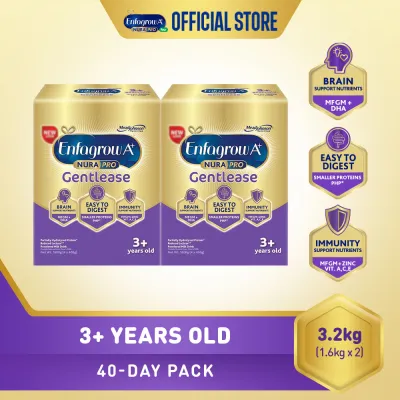

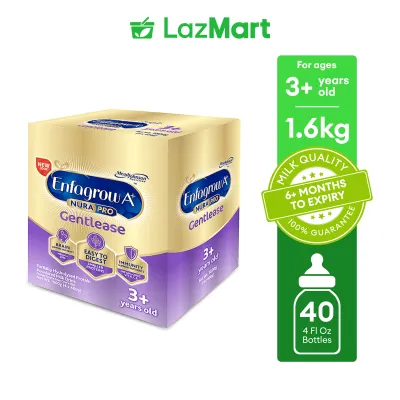
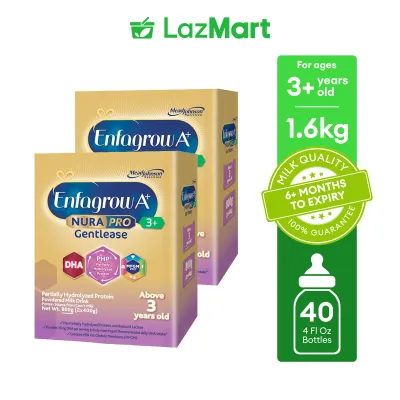
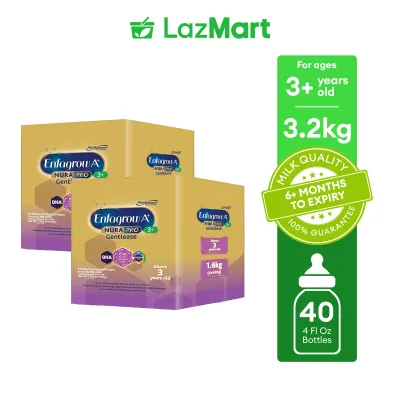
Prices are valid at publication and may change. Please refer to the product page for the latest price.
Nutritional Priorities for 6-Year-Olds
At six years old, children experience a significant transition as they enter the structured environment of grade school. This developmental stage is marked by rapid cognitive growth, increased physical activity on the school playground, and exposure to a wider variety of pathogens in the classroom. Consequently, their nutritional requirements shift from the basic growth needs of toddlerhood to more complex demands for sustained energy, mental focus, and robust immune defense.

Cognitive development remains a high priority during the early school years. Children are learning to read, write, and concentrate for longer periods, which requires a steady supply of brain-supporting nutrients. Iron is essential for healthy cognitive function and oxygen transport in the blood, while B-vitamins play a critical role in energy metabolism, helping your child stay active and attentive throughout the school day. Docosahexaenoic acid (DHA), an omega-3 fatty acid, is also highly valued for its role in supporting brain structure and visual development.
Physical growth and bone consolidation are equally vital during this period. School-aged children require adequate amounts of calcium and vitamin D to build strong bones and teeth, laying the foundation for their future physical development. Vitamin D is particularly important because it acts as a key that allows the body to absorb calcium efficiently. Additionally, high-quality protein is necessary to support muscle growth and tissue repair as children engage in active play and sports.
Immune support is another critical consideration for school-aged children. The classroom environment exposes children to various common illnesses, making vitamins A, C, and E, along with zinc, crucial for maintaining a strong immune barrier. However, it is important to remember that growing-up milk is designed to complement a balanced diet of whole foods, such as rice, fish, vegetables, and fruits, rather than replace them. Milk should serve as a nutritional safety net to fill in the gaps left by picky eating or busy school schedules.
Brand Breakdown: Enfagrow, Nido, and NAN
To choose the most suitable option, parents must look closely at the formulation philosophies of Enfagrow, Nido, and NAN. Each brand designs its products to target specific aspects of child development, which are reflected in their ingredient lists and nutrition facts panels.
Enfagrow: Focus on Cognitive and Immune Support
Enfagrow has long established its reputation on supporting brain development and cognitive function. The brand’s formulation philosophy centers on the belief that early school years require intensive mental energy and focus. To support this, Enfagrow typically highlights its inclusion of DHA, an essential fatty acid that serves as a primary structural component of the brain and retina.
When evaluating an infagrow 6 years old product, parents should check the nutrition facts panel for the exact milligrams of DHA provided per serving. In addition to cognitive nutrients, these formulations often include a blend of prebiotics, such as polydextrose (PDX) and galactooligosaccharides (GOS), alongside vitamins A, C, and E to support immune health. These prebiotics help feed the beneficial bacteria in the gut, which in turn supports the body’s natural defenses.
Parents should also pay attention to the flavor options and ingredient lists. Enfagrow is available in popular flavors like vanilla and chocolate, which can be highly appealing to picky eaters. However, flavored options may contain added sugars to enhance taste. It is highly recommended to check the sugar content on the label to ensure it aligns with your family’s dietary preferences and daily sugar limits.
Nido: Focus on Physical Growth and Bone Health
Nido is a household name in the Philippines, traditionally associated with overall physical growth and bone strength. The brand’s philosophy is geared toward supporting active, energetic children who need robust skeletal and muscular support. Nido formulations are typically rich in calcium, vitamin D, and high-quality protein, which are the primary building blocks for physical development.
Many Nido variants utilize a whole milk powder base, which naturally provides a rich, creamy taste that children tend to enjoy. This whole milk base also means the product may have a higher natural fat content compared to highly specialized, fat-reduced formulas. This fat content can be beneficial for active school-aged children who require sufficient energy to sustain their daily physical activities.
When purchasing Nido, parents should verify the calcium and vitamin D levels per serving to ensure they meet a significant portion of the daily recommended intake for a six-year-old. It is also wise to check if the specific variant is fortified with other essential micronutrients, such as iron and zinc, which support both energy levels and immune function during outdoor play.
NAN: Focus on Digestion and Gut Health
NAN, produced by Nestlé, takes a specialized approach that prioritizes digestive comfort and optimal nutrient absorption. The brand’s formulation philosophy is built on the understanding that a healthy digestive system is the foundation for overall growth, immunity, and well-being. If a child’s gut is functioning optimally, they can absorb nutrients from both their milk and their daily meals more effectively.
NAN formulations often feature active probiotic cultures, such as Lactobacillus reuteri or Bifidobacterium lactis, which help maintain a balanced gut microbiome. This focus on gut health is particularly relevant for school-aged children who may experience occasional digestive upset, constipation, or sensitive stomachs due to dietary transitions or school-related stress. The inclusion of prebiotics further supports these beneficial bacteria.
Parents looking at NAN should verify that the product is explicitly formulated for the school-age demographic, as the brand offers various stages for infants and toddlers. Check the label for the specific probiotic strains included and ensure the preparation instructions are followed carefully, as using water that is too hot can destroy the live beneficial bacteria.
Label Reading Guide: Sugar, Calories, and Serving Sizes
To make an objective comparison between Enfagrow, Nido, and NAN, parents must look beyond marketing claims and learn to read the nutrition facts panel critically. Formulations can change, and variants within the same brand may have different nutritional profiles.
First, identify the source and amount of sugar in the milk. Milk naturally contains lactose, which is a mild, naturally occurring sugar. However, some growing-up milks contain added sugars such as sucrose, corn syrup solids, maltodextrin, or glucose syrup to improve taste and solubility. To spot these, read the ingredient list, where ingredients are listed in descending order by weight. If sugars other than lactose appear near the top of the list, the product has a higher concentration of added sugars, which may contribute to dental cavities or excessive caloric intake.
Second, compare the caloric density of each product. Check the calories per serving and consider your child’s daily energy expenditure. An active child who plays sports or runs around outdoors may benefit from a more calorie-dense milk, whereas a less active child might require a lighter formulation to maintain a healthy weight. Ensure that the serving size listed on the package matches what you actually prepare for your child.
Third, standardize your comparison. Serving sizes and scoop sizes vary significantly between brands, making direct comparisons per serving misleading. To get an accurate picture, compare the nutrients based on a standardized metric, such as nutrients per 100 grams of powder or per 100 milliliters of prepared milk. This allows you to see which brand truly offers more calcium, DHA, or vitamins gram-for-gram.
Finally, always check for allergen warnings and artificial additives. Look for warnings regarding soy, gluten, or specific milk proteins if your child has known sensitivities. Avoid products that rely heavily on artificial colors or artificial flavors, prioritizing clean, straightforward ingredient lists that support long-term health.
Decision Framework: How to Choose the Right Brand
To simplify your decision, consider your child’s specific physical, behavioral, and dietary profile. This conditional framework can guide you toward the most suitable choice:
- Choose Enfagrow if: Your child is entering a demanding school year, needs support for cognitive focus and memory, and you want a formulation that emphasizes DHA and brain-supporting nutrients. This is a suitable choice if your child enjoys flavored milk and you are comfortable managing their overall daily sugar intake from other food sources.
- Choose Nido if: Your child is highly active, participates in physical games or sports, and needs robust support for bone density and physical growth. Nido is also an excellent option if your child prefers the rich, traditional taste of whole milk and you are looking for a budget-friendly option for daily consumption.
- Choose NAN if: Your child has a sensitive stomach, experiences occasional bloating or constipation, or is recovering from digestive issues. This brand is ideal if you want to prioritize a healthy gut microbiome and ensure optimal nutrient absorption through active probiotic cultures.
- Verify first if: Your child has a diagnosed cow's milk protein allergy or lactose intolerance. In these cases, standard growing-up milks from Enfagrow, Nido, or NAN are not suitable. You must consult a pediatrician for specialized, hypoallergenic, or lactose-free alternatives.
Always monitor your child’s reaction when introducing a new brand. Watch for changes in digestion, skin rashes, or energy levels, and do not hesitate to consult a healthcare professional if you observe any adverse reactions.
Buying Tips and Price Verification in the Philippines
When purchasing growing-up milk in the Philippines, ensuring product safety and authenticity is paramount. Counterfeit or improperly stored milk powders can pose serious health risks to your child. Always buy from authorized physical supermarkets, trusted drugstore chains (such as Mercury Drug or Watsons), or official flagship stores on reputable e-commerce platforms.
To evaluate the cost-effectiveness of each brand, do not rely solely on the retail price of the tin. Instead, calculate the cost per serving or cost per 100 grams of powder. You can do this by dividing the total price of the package by the total weight in grams, then multiplying that by the recommended serving size. This calculation reveals the true long-term cost of the milk, as some brands may seem cheaper upfront but require larger scoop sizes per serving, causing the tin to empty much faster.
Additionally, pay close attention to storage in the warm, humid Philippine climate. High humidity can cause milk powder to clump and spoil quickly once the seal is broken. Store the milk in a cool, dry place, keep the tin tightly sealed, and use the product within the manufacturer’s recommended timeframe (usually three to four weeks after opening). Always inspect the expiration date and the integrity of the safety seal before purchase or delivery.
Frequently Asked Questions (FAQ)
Is growing-up milk necessary if my child eats a balanced diet?
If a six-year-old child consumes a diverse, well-balanced diet that includes adequate portions of dairy, poultry, fish, fruits, and vegetables, growing-up milk is not a strict necessity. In these cases, whole foods provide all the essential nutrients required for healthy development. However, growing-up milk can serve as a beneficial nutritional supplement for picky eaters, children with specific dietary gaps, or those transitioning to busy school schedules where regular meals might be inconsistent.
How many servings of milk does a 6-year-old need daily?
Pediatric guidelines generally suggest that school-aged children consume about two servings of dairy per day to meet their calcium and nutritional requirements. One serving typically equals one glass (approximately 200 to 240 milliliters) of prepared milk. Always check the specific product packaging for the manufacturer’s recommended serving sizes and preparation instructions, and consult your pediatrician to tailor the intake to your child’s individual growth and dietary needs.

Community discussion
Share your experience or ask a question. Comments are reviewed before publication.