
Formula stages are designed to align with a child’s digestive maturity and shifting nutritional gaps as they grow and begin to explore solid foods. In the Philippines, where warm, humid weather can affect a baby’s hydration and energy levels, choosing the right stage ensures your child receives appropriate support at every milestone. Generally, Stage 1 is formulated for infants from birth to 6 months, Stage 2 is tailored for older infants from 6 to 12 months, and Stage 3 serves toddlers from 1 to 3 years old.
As a child grows, their physiological needs change dramatically. Manufacturers adjust protein density, iron levels, and calorie concentrations across these stages to match what a typical child can digest and utilize at each phase. For instance, a newborn requires highly digestible, gentle proteins, while a toddler needs more robust nutrients to support active play and bone development.
However, age brackets on a tin are only general guidelines. Every child develops at their own pace, and factors like birth weight, growth rate, and digestive tolerance play a massive role. This makes careful label verification and regular consultation with your pediatrician essential before making any changes to your child’s feeding routine.
Products mentioned in this guide




Prices are valid at publication and may change. Please refer to the product page for the latest price.
Stage-by-Stage Nutritional Breakdown
Evaluating formula stages requires looking beyond the front of the tin and diving into the nutrition facts panel. Understanding how to read these labels helps you see how the powder’s composition shifts to match your child’s developmental milestones.
When holding a tin of formula, the nutrition facts panel can initially seem overwhelming. To make sense of it, focus first on the serving size and the corresponding nutrient values per 100 kilocalories or per 100 grams of powder. This standardized view allows you to compare different stages objectively, rather than getting confused by varying scoop sizes recommended by the manufacturer.
As babies transition from an exclusive milk diet to eating family meals, their primary source of vitamins and minerals shifts. Consequently, formula nutrient ratios are adjusted to complement this transition. It is important to avoid direct milligram-to-milligram comparisons between stages without considering your child’s overall daily food intake, as solid foods will increasingly supply many of these essential nutrients.
Enfagrow Stage 1 (0–6 Months)
During the first six months of life, infants rely entirely on milk for their survival and growth. Stage 1 formulas are specifically designed to serve as a complete sole source of nutrition, focusing on highly digestible proteins that are gentle on an immature digestive tract.
When reviewing the label of a Stage 1 formula, pay close attention to the baseline caloric density and the manufacturer’s standard feeding volume recommendations. These values are calibrated to support rapid early brain and physical development during a period when the baby’s stomach capacity is still very small.
Because this stage covers a critical window of vulnerability, always follow your pediatrician’s guidance regarding exclusive milk feeding. Regularly monitor your baby’s weight gain, wet diapers, and overall comfort to ensure the current feeding volume and formulation are meeting their unique developmental needs.
In our tropical climate, maintaining strict hygiene during preparation is paramount. High humidity can encourage bacterial growth, so ensuring that all bottles, teats, and preparation surfaces are thoroughly sterilized before mixing Stage 1 formula is a vital step in protecting your newborn’s delicate immune system.
Enfagrow Stage 2 (6–12 Months)
Around the six-month mark, babies typically begin sitting up, rolling over, and showing interest in solid foods. Stage 2 formulas are adjusted to support this sudden burst of physical activity and the introduction of complementary local foods like mashed papaya, chayote, or rice porridge.
One of the most notable label shifts in Stage 2 is an increase in iron concentration. A baby’s natural iron stores, accumulated during gestation, begin to deplete around six months, making dietary iron crucial for supporting expanding blood volume and cognitive development.
It is vital to remember that Stage 2 formula is designed to complement, not replace, the gradual introduction of solid foods. You should adjust feeding volumes dynamically, observing your child’s hunger cues and coordinating with their solid food intake to maintain a balanced nutritional profile throughout the day.
When introducing local purees such as mashed squash (kalabasa) or sweet potato (kamote), observe how your baby’s digestion responds. The combination of these new solids and the adjusted nutrient levels in Stage 2 formula can temporarily alter stool consistency, which is a normal part of their digestive system learning to process complex foods.
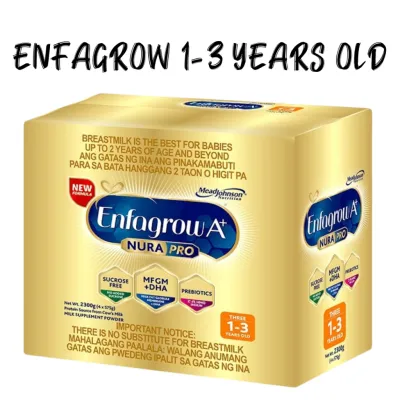
Enfagrow Stage 3 (1–3 Years)
As children enter toddlerhood, their daily routines become highly active, often accompanied by a newfound independence that can lead to picky eating habits. Stage 3 toddler milk drinks are formulated to help bridge the nutritional gaps that commonly arise during this transition to family meals.
The nutritional profile of Stage 3 typically features adjusted levels of protein, calcium, and vitamin D compared to earlier stages. These adjustments are specifically geared toward supporting rapid bone elongation, muscle development, and active play under the tropical sun.
However, toddler milk is intended to supplement a diversified diet rather than serve as a primary source of calories. Parents should carefully check the ingredient list on Stage 3 tins for any added sugars or artificial flavorings, and discuss the appropriateness of these ingredients with a healthcare provider to establish healthy long-term eating habits.
Budgeting for your toddler’s nutritional needs is also a practical consideration for Filipino families. While Stage 3 formulas can be a convenient safety net for picky eaters, prioritizing fresh, locally sourced whole foods alongside milk can help manage household expenses, keeping your monthly ₱ budget in check while ensuring your child receives a well-rounded diet.
When and How to Transition Between Stages
Transitioning your child to a new formula stage requires a careful, systematic approach to prevent digestive upset and allow their gut microbiome to adapt. Rather than switching abruptly overnight, a gradual introduction is highly recommended to ensure a smooth adjustment.

Before initiating a switch, look for observable signs of readiness. These include your child reaching the recommended age milestone, showing consistent hunger even after full feedings of their current stage, and receiving explicit approval from your pediatrician during a routine check-up.
A standard, safe transition method involves mixing the old and new formula powders gradually over several days. For example, you might start by replacing one scoop of the current stage with one scoop of the new stage in a single bottle, slowly increasing the ratio of the new formula over a week while monitoring your child’s tolerance.
There are times when you should temporarily pause the transition. If your child is currently teething, recovering from a common childhood illness, traveling, or experiencing temporary digestive changes due to hot weather, it is best to wait until they are stable before introducing a new formulation.
Establish clear stop conditions for the transition. If your child exhibits signs of severe intolerance—such as persistent vomiting, unusual skin rashes, excessive gas, or watery stools—stop the new stage immediately, revert to the previous familiar formula, and consult your pediatrician for a professional assessment.
How to Verify the Right Choice for Your Child
With various options available on supermarket shelves and online marketplaces, verifying that you have the correct tin is a crucial step in safeguarding your child’s health. Always double-check the exact product name, stage number, and expiration date printed on the packaging before purchasing or preparing a feed.
Keep in mind that standard stage formulas may not be suitable for every child. If your child has specific dietary needs, a family history of allergies, or suspected lactose intolerance, they may require a specialized, lactose-free, or hypoallergenic formula rather than the standard sequential stages.
Rather than relying solely on the age recommendations printed on the tin, evaluate your child’s overall growth, energy levels, and hydration status. In our warm climate, monitoring the number of wet diapers your child produces daily is an excellent, observable indicator of proper hydration and overall well-being.
When purchasing formula, be vigilant about the integrity of the packaging. Ensure the protective seal is completely intact, and avoid buying dented tins or products from unverified sellers on ecommerce platforms, as compromised packaging can expose the powder to humidity and spoilage.
Ultimately, no guide can replace the personalized advice of a medical professional. Always stop and consult your pediatrician or a registered dietitian before making any major changes to your child’s feeding routine, ensuring that every nutritional decision is backed by expert clinical guidance.
Frequently Asked Questions (FAQ)
Can I give Stage 2 formula to a 4-month-old?
No, it is not recommended to give Stage 2 formula to a 4-month-old. An infant’s digestive system and kidneys at this age are still highly immature and are not yet equipped to process the higher protein and mineral concentrations typically found in Stage 2 formulations.
Always check with your pediatrician before making any off-label age switches to ensure your baby’s safety. If an accidental switch occurs, monitor your baby closely for signs of digestive distress, such as severe bloating, constipation, or vomiting, and seek medical advice immediately if these symptoms persist.
Is it necessary to switch to Stage 3 if my toddler eats a balanced diet?
Switching to Stage 3 is not strictly necessary if your toddler is already consuming a well-balanced diet of diverse whole foods, fruits, vegetables, and standard dairy. Many toddlers can obtain all their required nutrients directly from their daily meals.
Parents should assess their child’s actual dietary gaps, picky eating habits, and growth patterns in consultation with a pediatrician. Reviewing the nutritional label of Stage 3 can help you determine if the added vitamins and minerals provide genuine value beyond what your child already consumes from their daily plates.
What should I do if my baby experiences constipation after switching stages?
If your baby experiences constipation during a stage transition, first review the preparation instructions on the tin. Ensure you are measuring the powder and water precisely, as adding too much powder can make the formula overly concentrated and difficult to digest.
Additionally, monitor your child’s hydration levels, especially during warmer months, and offer age-appropriate fluids or fiber-rich foods if they have already transitioned to solids. If the constipation persists, or if your child shows signs of pain, stop the new formula immediately and contact a healthcare professional for guidance.
Community discussion
Share your experience or ask a question. Comments are reviewed before publication.