
Quick Answer: Is There a Single "Best" Toddler Formula?
Choosing the right milk supplement for your growing toddler can feel overwhelming with so many options on the supermarket shelves. Many parents wonder if there is a single, universally superior option among household names like Enfagrow, Nido, and NAN. The short answer is no; there is no single “best” toddler formula that fits every child perfectly.
Each of these prominent brands meets the strict regulatory and nutritional standards required for toddler milk in the Philippines. However, the ideal choice for your household depends entirely on your child’s unique digestive tolerance, specific nutritional needs, and your family budget. What works wonderfully for one toddler might cause mild tummy discomfort or be rejected by another due to taste preferences.
Before making a decision or switching brands, it is always wise to consult your pediatrician. This is especially crucial if your child has a history of food allergies, eczema, or sensitive digestion. A healthcare professional can help you identify which nutritional profile aligns best with your child’s growth milestones.
Products mentioned in this guide
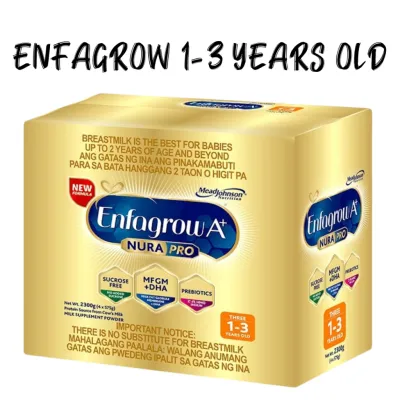
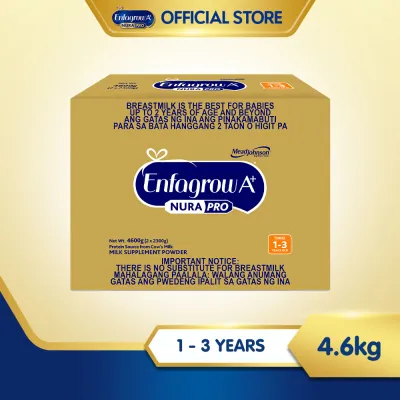
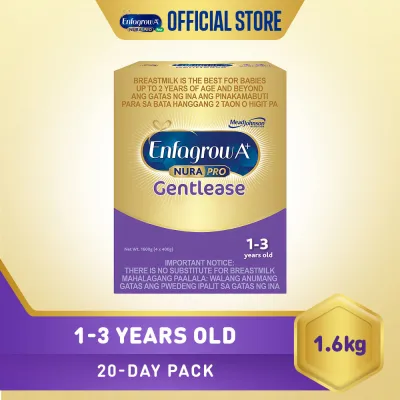
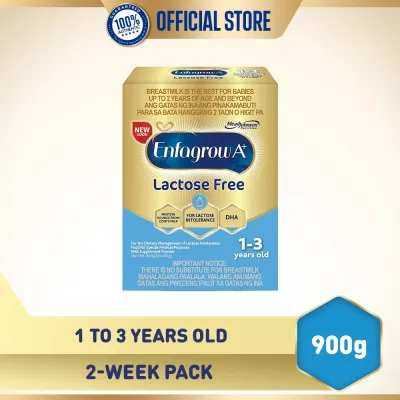
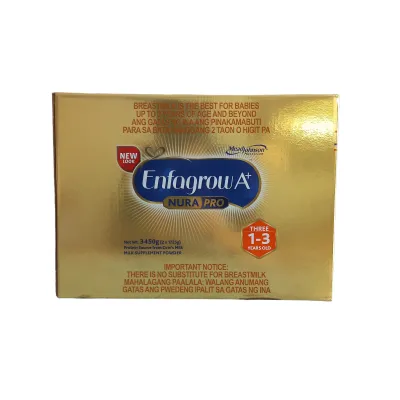
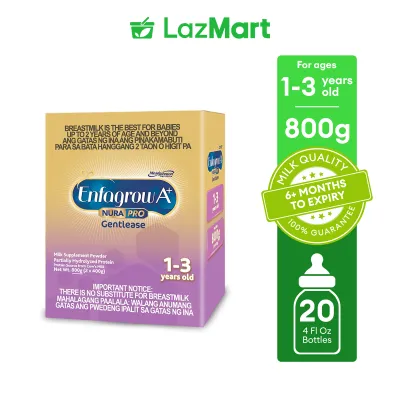
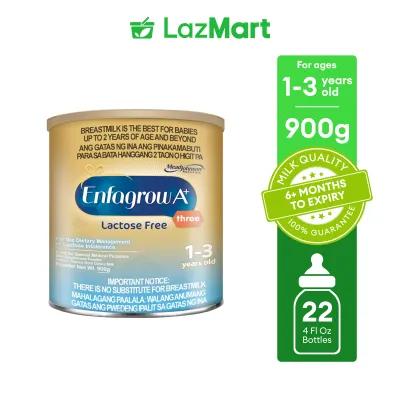
Prices are valid at publication and may change. Please refer to the product page for the latest price.
Setting the Baseline: Nutritional Needs for 1-3 Year Olds
Between the ages of one and three, toddlers undergo rapid physical and cognitive development. During this stage, their primary source of nutrition should transition from liquid milk to a diverse diet of solid foods. Toddler formula is designed to serve as a nutritional safety net, supplementing solid meals rather than replacing them.

When evaluating any toddler milk, certain key nutrients deserve close attention on the nutrition facts label. Calcium and vitamin D are essential for supporting bone and tooth development. Iron is critical for healthy brain development and preventing anemia, while essential fatty acids like alpha-linolenic acid support overall growth.
It is also important to look closely at the ingredients list for added sugars, such as sucrose, corn syrup solids, or maltodextrin. While some sugars occur naturally in milk lactose, excessive added sugars can influence a child’s preference for overly sweet foods. Always check the manufacturer’s recommended daily serving limits to ensure your child maintains a balanced appetite for solid meals.
Reading the Labels: How to Compare Enfagrow, Nido, and NAN
To make an objective comparison, you must look past the colorful front packaging and study the ingredient list and nutrition information panel on the back of the tin.
Macronutrients and Micronutrients
Begin by comparing the protein, fat, and carbohydrate levels per serving or per 100 grams of powder. Because different brands use different scoop sizes and dilution ratios, comparing the nutrients per 100 grams or per 100 milliliters of prepared milk provides the most accurate baseline. Look at the vitamin and mineral percentages, particularly iron, zinc, and vitamin C, which support immune function.
Specialized Ingredients
Many toddler formulas highlight specialized ingredients like DHA (docosahexaenoic acid), ARA (arachidonic acid), prebiotics, and probiotics. DHA and ARA are fatty acids associated with brain and eye development. Prebiotics (such as GOS and FOS) and probiotics (such as active bacterial cultures) support gut health and digestion. Check the ingredient list to verify the presence and order of these components, as ingredients are listed in descending order by weight.
Allergens and Intolerances
Standard toddler formulas are typically based on cow’s milk, which contains lactose and cow’s milk proteins. If your child has a diagnosed cow’s milk protein allergy or lactose intolerance, standard versions of Enfagrow, Nido, or NAN will not be suitable. In such cases, you must consult your pediatrician to select a specialized hypoallergenic, soy-based, or lactose-free formula rather than trying to self-diagnose.
Taste Acceptance and Digestibility: Observing Your Child
Even the most nutritionally complete formula is only effective if your child is willing to drink it and can digest it comfortably.
Taste and Texture
Toddlers are naturally selective, and their taste preferences can change rapidly. Some formulas have a sweeter profile, while others taste more neutral or closely resemble regular cow’s milk. When introducing a new brand, offer a small amount first without forcing the child to finish the cup. Allow them to get used to the new flavor and texture at their own pace.
Digestive Comfort
After introducing a formula, monitor your child closely for signs of digestive comfort or intolerance. A well-tolerated formula should result in comfortable digestion, normal stool consistency, and no unusual fussiness. Signs that a formula may not agree with your toddler include sudden constipation, watery stools, excessive painful gas, vomiting, or skin rashes. If you observe these symptoms, pause use and consult your doctor.
Transitioning
To minimize the risk of digestive upset, avoid switching formulas abruptly. A gradual transition allows your child’s digestive system and taste buds to adapt. You can mix the old and new formulas over a period of several days, starting with a ratio of 75% old formula and 25% new formula, then moving to 50/50, and finally 25/75. Always prepare each formula portion separately according to its specific manufacturer instructions before mixing them in the cup to ensure correct dilution.
Evaluating Price and Value Across Brands
Managing household expenses is a key part of choosing a toddler formula, especially since milk is a recurring daily purchase.
Cost per Serving
Comparing the upfront price of a tin can be misleading because scoop sizes and recommended preparation volumes vary. To find the true cost, calculate the cost per serving. Divide the total weight of the tin by the weight of a single serving (as indicated on the label) to find the total number of servings per container. Then, divide the retail price in ₱ by the number of servings to see how much you actually pay per cup.
Packaging Options
Most brands offer multiple packaging sizes, ranging from small boxes and handy sachets to large bulk tins. Larger bulk tins (such as 1.2kg or 1.8kg packs) generally offer a lower cost per gram. However, in the humid tropical climate of the Philippines, large opened tins can absorb moisture quickly if not sealed tightly. If you live in a highly humid area, smaller boxes or tightly sealed tins may help maintain freshness and prevent clumping, even if they cost slightly more per gram.
Promotions and Availability
To stretch your budget, look for promotions, bundle deals, and loyalty discounts. It is highly recommended to purchase only from official brand stores, authorized supermarkets, or verified e-commerce platforms. Buying from unauthorized online sellers carries a risk of receiving counterfeit or improperly stored products that may have expired or degraded in quality.
Decision Framework: Choosing the Right Formula for Your Toddler
To simplify your final decision, use this practical framework based on your child’s specific needs and your household priorities.
- Choose Enfagrow if: Your pediatrician recommends a formula with a strong focus on brain-development nutrients like DHA, your child enjoys the taste, and the cost per serving fits comfortably within your monthly budget.
- Choose Nido if: You are looking for a highly accessible, budget-friendly option that provides essential baseline vitamins and minerals for daily growth, and your toddler digests standard cow's milk easily.
- Choose NAN if: Your child has mild digestive sensitivities that benefit from optimized proteins or specific active probiotics, as verified by your pediatrician, and you are comfortable with the corresponding price per serving.
- Verify First if: Your child has a history of severe allergies, chronic colic, or growth delays. Never switch formulas or introduce a new brand without a direct recommendation and guidance from a qualified healthcare professional.
Frequently Asked Questions (FAQ)
Can I mix two different toddler formula brands in one bottle?
Mixing two different formula brands in the same bottle is generally not recommended for regular feeding. Each brand has a unique scoop size and specific water-to-powder ratio designed to deliver a precise concentration of nutrients. Combining them without careful measurement can lead to accidental over-dilution or under-dilution, which can strain your toddler’s kidneys or cause digestive issues. If you are transitioning between brands, prepare each formula separately according to its package instructions before combining them in the same cup.
When should I transition my child from toddler formula to regular cow's milk?
Most pediatric guidelines indicate that healthy toddlers can transition to regular pasteurized whole cow’s milk or UHT milk after 12 months of age, provided they are eating a balanced diet of solid foods. However, toddler formula remains a helpful option for picky eaters who may not get enough iron, vitamin D, or other essential nutrients from their daily meals. Consult your pediatrician to assess your child’s solid food intake and determine the right time to transition fully to regular cow’s milk.
Community discussion
Share your experience or ask a question. Comments are reviewed before publication.