
When addressing a toddler’s digestive sensitivity, there is no single “best” formula, as the right choice depends entirely on the underlying cause of the discomfort. “Sensitive tummy” is a broad term that can refer to lactose intolerance, a mild cow’s milk protein allergy, or simply general digestive immaturity. While Enfagrow Gentlease 3 is specifically marketed for easier digestion, Nido and NAN offer various sub-lines with different nutritional profiles. This guide helps you decode the labels, understand the specific needs of your 1-to-3-year-old, and establish a safe framework for choosing and transitioning formulas under professional guidance.
Understanding Your Toddler's Digestive Sensitivity
To make an informed decision, you must first understand what is happening in your toddler’s digestive tract. Many parents mistake normal developmental milestones or temporary digestive adjustments for severe medical issues. General fussiness, occasional gas, or mild constipation are common as toddlers transition to solid foods and explore new dietary textures. These symptoms are often due to a temporary digestive immaturity that resolves naturally as the gut matures.
In contrast, true lactose intolerance is the inability to digest lactose, the primary sugar found in milk, due to a deficiency in the lactase enzyme. This condition typically causes watery diarrhea, abdominal bloating, and flatulence shortly after consuming dairy. On the other hand, a cow’s milk protein allergy is an immune system response to the proteins in cow’s milk. This allergy can manifest as skin rashes, hives, chronic congestion, or severe digestive distress.
Products mentioned in this guide

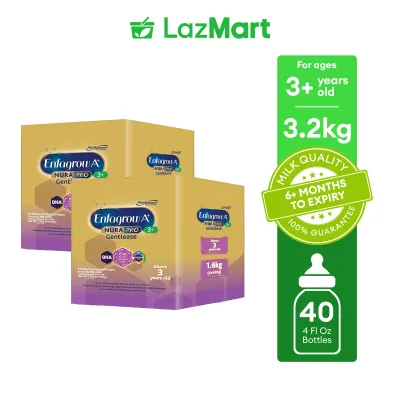


Prices are valid at publication and may change. Please refer to the product page for the latest price.
Because these conditions require entirely different nutritional approaches, a professional medical diagnosis is essential. You should never switch your child to a highly specialized or hypoallergenic formula without consulting a pediatrician. Furthermore, certain red-flag symptoms require immediate medical attention rather than a simple formula change. If your toddler exhibits blood or mucus in their stool, severe eczema, persistent vomiting, or failure to thrive—indicated by poor weight gain or developmental delays—seek immediate pediatric consultation.
Evaluating Enfagrow Gentlease 3, Nido, and NAN
When comparing Enfagrow Gentlease 3, Nido, and NAN, you must look beyond the brand names and carefully evaluate the specific ingredient profiles and label claims of each product. These brands design their formulas with different digestive needs in mind, and understanding these differences will help you match the formula to your pediatrician’s recommendations.

The first critical factor to examine is the protein structure. Standard toddler formulas, such as regular Nido or standard NAN variants, contain intact cow’s milk proteins. These proteins require a fully functioning digestive system to break down completely. For toddlers with mild digestive discomfort, formulas like Enfagrow Gentlease 3 or specialized NAN HA variants utilize partially hydrolyzed proteins. In these formulas, the proteins are already broken down into smaller, more manageable pieces, which can significantly reduce the digestive workload on a sensitive stomach.
The second factor is the lactose content. While lactose is an important source of energy and aids in calcium absorption for healthy toddlers, those with diagnosed lactose sensitivity may require a reduced-lactose or lactose-free option. Enfagrow Gentlease 3 is formulated with a lower lactose content compared to standard intact-protein formulas, making it a potential option for toddlers experiencing gas or fussiness related to lactose. Conversely, standard Nido and NAN variants typically contain full lactose levels, which are ideal for toddlers without lactose sensitivities. Always verify the exact lactose percentage on the nutritional panel of the specific variant you are considering.
The third factor involves gut health additives, such as prebiotics and probiotics, which support the development of a healthy gut microbiome. Many NAN variants are formulated with specific probiotic strains, such as Bifidobacterium lactis, which help maintain a balanced gut flora and support regular bowel movements. Some Nido variants include prebiotic fiber blends designed to soften stools and promote digestive comfort. When evaluating these options, check the ingredient list to identify which specific strains or fibers are included and discuss their suitability for your child’s stool patterns with your doctor.
Finally, it is vital to recognize that both Nido and NAN offer multiple sub-lines. For example, Nido has standard growing-up milks like Nido 3+, while NAN offers standard, HA, and other specialized variants. You must ensure you are comparing the specific sensitive-tummy or partially hydrolyzed variants of these brands rather than their standard toddler offerings, as the nutritional profiles and digestive ease of these sub-lines differ significantly.
Making the Right Choice for Your Child
Selecting the right formula involves applying a conditional decision framework based on your toddler’s diagnosed needs, local availability, and family logistics. If your pediatrician confirms that your child has mild, non-allergic digestive discomfort, gas, or fussiness, a partially hydrolyzed and reduced-lactose option like Enfagrow Gentlease 3 or a NAN HA variant is often the most appropriate starting point. These specialized formulations are specifically designed to ease the digestive process during periods of mild sensitivity.
If your child has no diagnosed medical sensitivity and their previous digestive issues were temporary—perhaps related to a rapid introduction of solid foods or a recent illness—a standard growing-up milk like regular Nido or standard NAN may be perfectly suitable. Standard formulas are highly nutritious and provide the necessary vitamins and minerals for healthy growth without the added cost of specialized protein processing.
In the Philippines, practical factors such as local availability and budget play a significant role in your decision. Specialized formulas, including Enfagrow Gentlease 3 and NAN HA variants, are generally positioned at a higher price point per gram compared to standard toddler milks like Nido 3+. You can verify current ₱ pricing and stock availability at major local pharmacies, supermarkets, or official online brand stores. Because formula feeding is a continuous daily requirement, it is important to choose an option that fits your family’s long-term budget and is consistently accessible in your local area to avoid sudden, unplanned formula changes.
Additionally, consider taste acceptance and preparation requirements. Partially hydrolyzed formulas can have a slightly different, less sweet taste profile compared to standard intact-protein formulas. Some toddlers may initially reject the taste of a specialized formula, requiring a patient transition. Furthermore, always read the manufacturer’s mixing instructions carefully, as specialized powders may have different solubility characteristics and require specific water temperatures to dissolve completely without clumping.
Safe Transitioning and Monitoring Guidelines
Once you and your pediatrician have selected a new formula, introducing it safely is crucial to preventing further digestive upset. Unless your doctor advises an immediate, complete switch—which is typically only necessary in cases of severe allergic reactions—you should follow a gradual transition schedule. This method allows your toddler’s digestive enzymes and gut microbiota to adapt slowly to the new protein structures and nutrient levels.
A typical gradual transition takes place over several days. On days one and two, prepare bottles containing 75% of the old formula and 25% of the new formula. On days three and four, move to a 50/50 mixture. On days five and six, use 25% of the old formula and 75% of the new formula, before transitioning completely to 100% of the new formula on day seven. This step-by-step approach minimizes the risk of sudden constipation, gas, or refusal due to taste differences.
During this transition and for the subsequent two weeks, closely monitor your toddler’s physical responses. Keep a daily log of observable changes, including stool consistency (aiming for soft, formed stools), stool frequency, gas production, and overall comfort levels during and after feeding. It generally takes about 1 to 2 weeks for a toddler’s digestive system to fully adjust to a new formula, so avoid making further changes during this window unless necessary.
However, you must prioritize safety and know when to stop. Discontinue the new formula immediately and seek urgent medical care if your child exhibits severe reactions. These include persistent vomiting, hives, swelling of the face or lips, difficulty breathing, blood or mucus in the stool, or extreme lethargy. These symptoms indicate a potentially serious allergic reaction or medical issue that requires immediate professional evaluation.
Frequently Asked Questions (FAQ)
Can I mix two different formula brands in one bottle?
Mixing different formula brands or types in a single bottle is generally discouraged unless specifically recommended by your pediatrician. Each formula is scientifically designed with a precise balance of nutrients, minerals, and osmolality. Combining different powders can alter this delicate balance, potentially making the mixture too concentrated or too diluted. This can strain your toddler’s developing kidneys, interfere with nutrient absorption, or worsen digestive sensitivity. During a transition, it is safer to offer separate bottles of each formula or follow a precise, medically approved mixing ratio.
How long does it take for a toddler to adjust to a new sensitive formula?
It typically takes between 1 to 2 weeks for a toddler’s digestive system to fully adapt to a new sensitive formula. During this adjustment period, you may observe minor fluctuations in stool color, consistency, or gas as the gut microbiome and digestive enzymes adapt to the new protein and carbohydrate structures. It is important to remain patient and avoid switching brands too quickly, as frequent formula changes can overstimulate the digestive tract and cause further discomfort. If symptoms do not improve or if they worsen after two weeks, consult your pediatrician for further guidance.
Community discussion
Share your experience or ask a question. Comments are reviewed before publication.