
Choosing the right milk formula for your growing toddler is a significant decision that often comes down to balancing digestive comfort, nutritional needs, and your household budget. In the Philippines, parents frequently compare Enfagrow Gentlease 3 and Nido 3, as both are prominent options designed for children aged one to three years old. However, these two products serve very different digestive profiles, meaning the right choice depends entirely on your toddler’s unique digestive tolerance and nutritional requirements.
If your toddler experiences frequent mild digestive discomforts—such as gassiness, bloating, or fussiness after drinking standard milk—Enfagrow Gentlease 3 is designed with partially broken-down proteins that are easier on sensitive tummies. On the other hand, if your child has no trouble digesting standard cow’s milk proteins and you are looking for an everyday fortified milk powder to support their active growth, Nido 3 offers a robust nutritional profile suited for general development. Before making any switch, it is vital to verify if your child has a diagnosed milk protein allergy, as neither of these formulas is a treatment for clinical allergies, and any major dietary change should be guided by your pediatrician.
Quick Answer: Which Formula Should You Choose?
When deciding between these two options, your choice should be guided primarily by your toddler’s digestive comfort and their ability to tolerate standard milk proteins.
Products mentioned in this guide
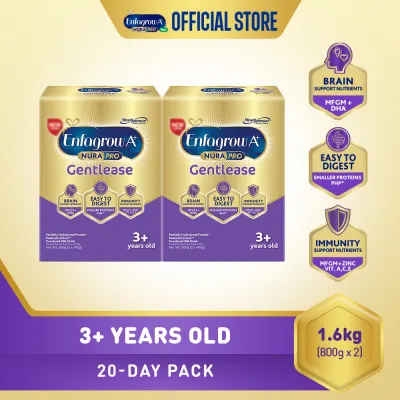
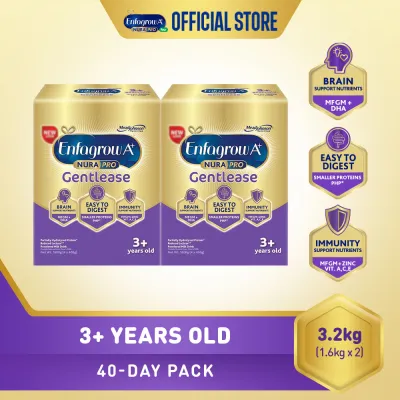
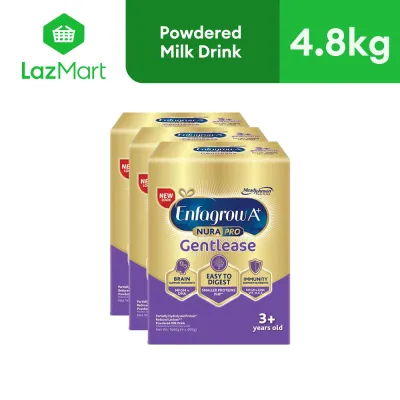
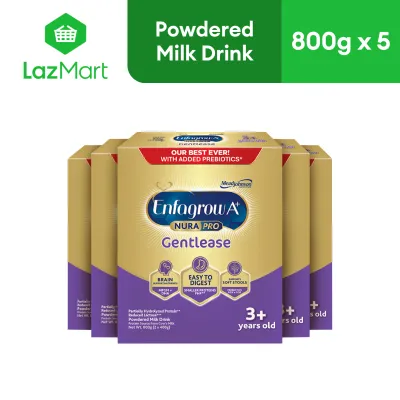
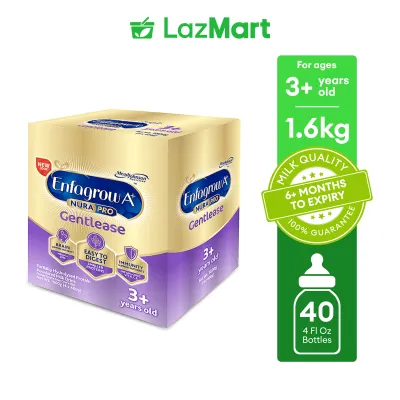
Prices are valid at publication and may change. Please refer to the product page for the latest price.
- Choose Enfagrow Gentlease 3 if your toddler has a sensitive stomach, experiences mild digestive discomfort, or shows signs of gassiness and fussiness with standard milk proteins. This formula features partially hydrolyzed proteins designed to be gentler on developing digestive systems.
- Choose Nido 3 if your toddler tolerates standard whole milk proteins well without any digestive issues and you prefer a traditional, fortified milk powder profile that supports daily growth and development.
- Verify First: Always check the specific age and development stage recommendations on the product packaging before purchase. Neither formula is suitable for infants under one year of age, and neither should be used as a treatment for diagnosed cow's milk protein allergies without a pediatrician's direct supervision.
Nutritional Profile and Ingredient Checklist
To make an informed choice, you must look beyond the front packaging and carefully examine the nutritional information and ingredient lists printed on the back of the tin or box. Every toddler formula sold in the Philippines must display a detailed breakdown of macronutrients, vitamins, and minerals, which allows you to compare the energy density and nutrient levels per serving.

When evaluating the nutritional profile, start by checking the caloric density and macronutrient distribution, specifically the amount of protein, carbohydrates, and fats per standard serving. Active toddlers require a steady source of energy, and comparing these values helps you understand how much of their daily energy needs are met by each glass of milk. Keep in mind that toddler milk is meant to complement a diverse diet of solid foods rather than serve as the primary source of nutrition.
Next, look for specific functional ingredients that support cognitive development and gut health, such as Docosahexaenoic Acid (DHA), Arachidonic Acid (ARA), and dietary fibers or prebiotics. On the ingredient list, these are often listed as fish oil (for DHA) and specific prebiotic fibers like galactooligosaccharides (GOS) or polydextrose. Because formulations can change, always verify the exact quantities of these added nutrients on the physical label of the specific batch you purchase.
Finally, pay close attention to potential allergens, lactose levels, and added sugars. Standard toddler formulas often use lactose as their primary carbohydrate source, which is excellent for children who tolerate it well. However, if you are looking to limit added sugars, check the ingredient list for sucrose, corn syrup solids, or maltodextrin, which are sometimes added to alter flavor or texture. Identifying these ingredients helps you manage your child’s sugar intake and avoid potential digestive triggers.
Digestive Comfort and Tolerance
A toddler’s digestive system is still maturing, which makes digestive comfort a primary concern for many parents. The key difference between these two options lies in how the milk proteins are processed during manufacturing, which directly impacts how easily your child’s stomach can break them down.
The “Gentlease” designation on Enfagrow Gentlease 3 indicates that the product uses partially hydrolyzed proteins. In standard milk formulas like Nido 3, the whey and casein proteins remain intact, requiring the toddler’s digestive enzymes to break down these large molecules completely. Partially hydrolyzed formulas undergo a process where these proteins are pre-broken down into smaller fragments, reducing the digestive workload on a sensitive gut and potentially minimizing gas formation.
To determine which protein structure is appropriate, you must closely monitor your toddler’s physical reactions after feeding. Signs of good digestive tolerance include a happy disposition after meals, regular and soft bowel movements, and minimal flatulence. Conversely, signs of digestive discomfort include excessive fussiness, abdominal bloating, frequent spitting up, or hard, painful stools. If your child regularly exhibits these mild symptoms with standard milk, a partially hydrolyzed option may offer relief.
However, it is crucial to distinguish between mild digestive sensitivity and a true cow’s milk protein allergy (CMPA) or severe lactose intolerance. If your toddler develops hives, facial swelling, persistent vomiting, chronic diarrhea, or blood in their stool, you must stop feeding the formula immediately and seek emergency medical care. These severe symptoms require a specialized, extensively hydrolyzed or amino acid-based formula prescribed by a pediatrician.
Taste, Mixability, and Toddler Acceptance
Even the most nutritionally complete formula is only effective if your toddler is willing to drink it. Taste and texture play a massive role in toddler acceptance, especially during the picky eating phases common between the ages of one and three.
Because of the hydrolysis process, formulas with partially broken-down proteins like Enfagrow Gentlease 3 often have a distinct flavor profile that is slightly less sweet and can carry a mild, characteristic bitterness compared to standard milk. Standard formulas like Nido 3 tend to have a creamier, sweeter, and more traditional milk taste that is highly palatable to most young children. If your toddler is accustomed to the sweet taste of standard milk, they may initially reject a hydrolyzed formula.
To ease this transition, parents can use a gradual mixing method over several days rather than making an abrupt switch. Start by mixing a small portion of the new formula with the old one, slowly increasing the ratio of the new formula over a week. This gradual change allows your toddler’s taste buds and digestive system to adapt to the new flavor and protein structure without causing feeding aversion.
During this transition period, watch for subtle signs of acceptance or rejection. A toddler who willingly drinks their bottle or cup, finishes their serving, and remains content is showing clear signs of acceptance. If they push the cup away, spit out the milk, or refuse to drink, do not force them. Forcing a child to drink can create negative associations with feeding; instead, offer the milk at a different time when they are relaxed, or consult your pediatrician for alternative transition strategies.
Price, Availability, and Value in the Philippines
Managing household expenses is a reality for Filipino families, and because toddler milk is a recurring purchase, understanding the long-term financial commitment is essential. The price difference between specialized formulas and standard fortified milks can be substantial over several months.
To calculate the true cost of each option, do not rely solely on the retail price of the tin or box. Instead, calculate the cost per serving by dividing the total price of the package by the number of servings it yields, based on the manufacturer’s recommended scoop-to-water ratio. Specialized formulas like Enfagrow Gentlease 3 generally carry a higher price point per gram due to the advanced manufacturing processes required for protein hydrolysis, whereas standard fortified milks like Nido 3 are typically more budget-friendly for daily consumption.
Availability is another practical factor to consider, particularly in the tropical climate of the Philippines where supply chains can sometimes experience localized delays. Standard fortified milks are widely accessible in almost every local supermarket, neighborhood grocery store, and convenience store across the country. Specialized formulas are more commonly found in larger supermarket chains, major drugstores, or official brand stores on reputable e-commerce platforms.
When purchasing formula online or in-store, always perform essential safety checks to protect your child’s health. Verify that the packaging is completely sealed, free of dents, and stored away from direct sunlight and high humidity, which can degrade the nutrients. Avoid buying from unauthorized third-party resellers on online marketplaces, as there is a risk of receiving counterfeit or improperly stored products. Always check the expiration date printed on the bottom of the container before finalizing your purchase.
Side-by-Side Specification Comparison
To help you compare the physical attributes and preparation requirements of these formulas, refer to the table below. These specifications are based on standard packaging guidelines and should always be verified against the physical label of the product you have in hand.
| Specification | Enfagrow Gentlease 3 (Typical) | Nido 3 (Typical) |
|---|---|---|
| Target Age Range | 1 to 3 years old | 1 to 3 years old |
| Primary Protein Type | Partially hydrolyzed cow's milk protein | Intact cow's milk protein |
| Standard Serving Size | Refer to packaging scoop instructions | Refer to packaging scoop instructions |
| Water Temperature | Lukewarm, previously boiled water | Lukewarm, previously boiled water |
| Storage Instructions | Cool, dry place; use within 4 weeks of opening | Cool, dry place; use within 4 weeks of opening |
When preparing either formula, parents must follow a strict checklist to ensure nutritional accuracy and safety:
- Verify the scoop size: Always use the scoop provided inside the specific container, as scoop sizes vary between brands and even between different sizes of the same brand.
- Check the water-to-powder ratio: Adding too much powder can cause dehydration and constipation, while adding too much water dilutes essential nutrients.
- Confirm the expiration date: Never use powder from a container that has passed its expiry date or has been open for longer than the manufacturer's recommended timeframe (usually four weeks).
Final Decision Framework for Parents
Choosing between these two formulas requires a systematic approach that prioritizes your toddler’s comfort and your family’s practical circumstances. Use the following step-by-step framework to guide your decision and ensure a safe introduction.
Step-by-Step Transition Plan
- Assess Digestive Needs: Start by observing your child's current digestion. If they have frequent gas or mild fussiness, consult your pediatrician about trying a partially hydrolyzed option like Enfagrow Gentlease 3. If their digestion is smooth, a standard option like Nido 3 is a suitable starting point.
- Consult Your Pediatrician: Before purchasing or switching formulas, discuss your choice with your child's doctor to ensure it aligns with their growth milestones and health history.
- Introduce Gradually: If transitioning, replace one feed per day with the new formula for the first two days, then gradually increase the number of new feeds over a week.
- Monitor and Document: Keep a simple log of your toddler's stool consistency, mood, and skin condition during the transition period to track tolerance.
Red Flags to Watch For
While mild adjustments in stool color or frequency are normal when changing formulas, certain symptoms require immediate medical attention. Stop feeding the formula and consult a doctor if your toddler experiences persistent vomiting, severe watery diarrhea, blood or mucus in the stool, unexplained skin rashes or hives, or difficulty breathing.
Ultimately, no article or comparison table can replace the personalized advice of a qualified healthcare professional. Your pediatrician is the best resource for tailoring your toddler’s diet, managing potential food allergies, and ensuring they receive the optimal balance of nutrients for healthy growth and development.
Frequently Asked Questions (FAQ)
Can I mix Enfagrow Gentlease 3 and Nido 3 in the same bottle?
No, you should not mix Enfagrow Gentlease 3 and Nido 3 together in the same bottle. Each formula is scientifically designed with a specific concentration of proteins, fats, carbohydrates, and minerals, requiring a precise water-to-powder ratio to maintain its intended osmolality (concentration). Mixing two different powders in one bottle can disrupt this delicate balance, making the mixture too concentrated or too diluted. This can put unnecessary strain on your toddler’s developing kidneys and digestive system, potentially leading to dehydration, constipation, or nutrient malabsorption. It is always safest to feed one consistent formula at a time.
How long can I keep prepared formula at room temperature?
Once prepared, toddler formula should not be left at room temperature for more than one hour, especially in the warm and humid tropical climate of the Philippines. Bacteria thrive in warm, moist environments, and milk provides an ideal breeding ground for harmful pathogens. If your toddler does not finish their bottle within one hour of preparation, you must discard the remaining milk. Never store a half-finished bottle in the refrigerator for later use, as bacteria from your toddler’s saliva have already entered the milk and will continue to multiply. Unused, freshly prepared formula can be stored in a sealed container in the back of the refrigerator for up to 24 hours.
When should I switch my toddler from formula to regular cow's milk?
Most pediatric guidelines suggest that healthy toddlers who are eating a balanced, diverse diet of solid foods can transition to regular whole cow’s milk after their first birthday. However, the exact timing depends on your child’s individual growth, dietary habits, and nutritional needs. Some toddlers who are picky eaters or have specific nutrient gaps may benefit from continuing with a fortified toddler formula for a longer period. You should always consult your pediatrician before making the switch to regular cow’s milk to ensure your child is receiving adequate iron, vitamins, and healthy fats from their solid meals.
Community discussion
Share your experience or ask a question. Comments are reviewed before publication.