
Quick Answer: Which Toddler Formula Fits Your Child?
Choosing the right toddler formula involves balancing nutritional goals, household budgets, and your child’s digestive tolerance. Enfagrow A+, Nido, and NAN are three prominent options on supermarket shelves, each emphasizing different formulation benefits. Enfagrow A+ is widely recognized for its focus on brain-development nutrients like DHA, Nido is popular for its accessible everyday nutrition and value, and NAN is frequently chosen for its focus on digestive comfort and specialized protein blends.
However, there is no single formula that works perfectly for every child. Your toddler’s individual digestive system, taste preferences, and overall health needs will ultimately dictate the best choice. Before making any sudden changes to your child’s diet, consulting your pediatrician is essential to ensure the chosen milk aligns with their growth milestones. For a structured way to evaluate these options, you can skip directly to our decision framework at the end of this guide.
Age Suitability: Checking Stage Labels and Transitioning
Navigating the transition from infant formula or breastmilk to toddler milk requires a careful look at the age indicators printed on the packaging. Manufacturers design these products to meet the changing nutritional demands of children as they grow from infants into active toddlers.
Products mentioned in this guide
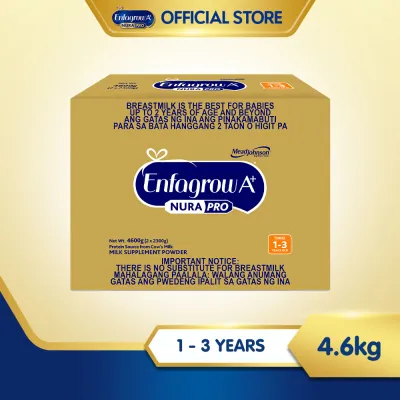
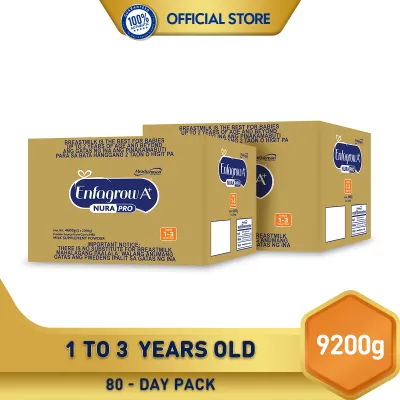
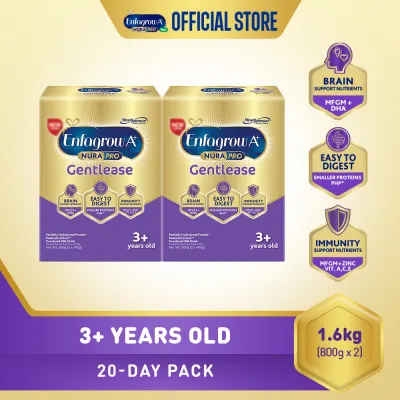
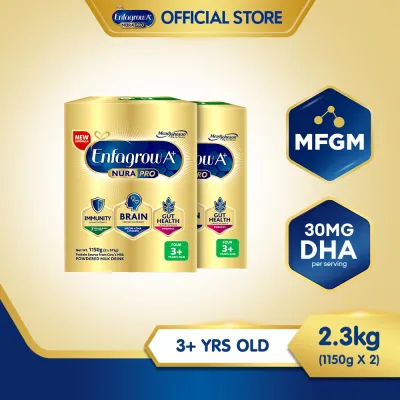
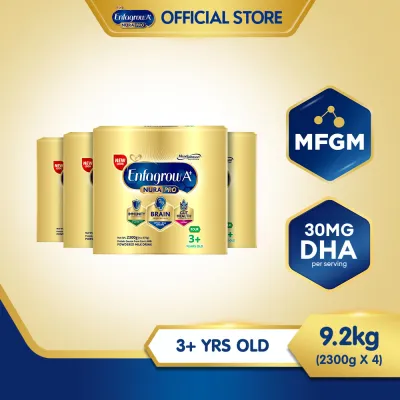
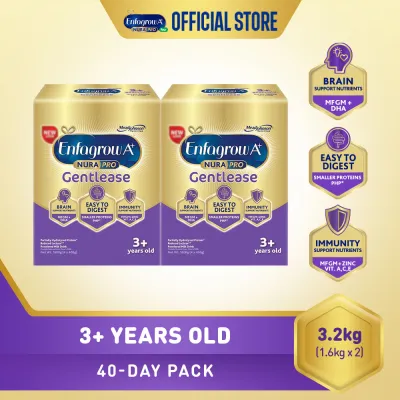
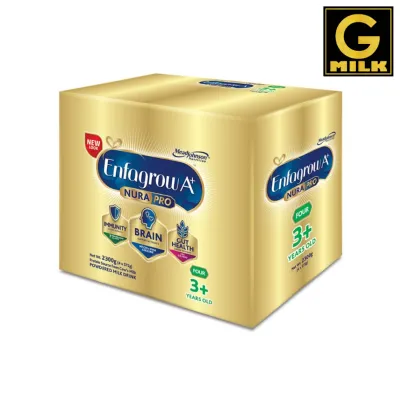
Prices are valid at publication and may change. Please refer to the product page for the latest price.

When examining Enfagrow A+, Nido, and NAN, you will notice distinct numbering systems, often referred to as stages or steps. Generally, Stage 3 formulas are crafted for toddlers aged one to three years old, while Stage 4 products target children aged three years and older. It is crucial to verify these age brackets on the physical container before purchasing, as feeding a child a stage that does not match their developmental phase may result in an imbalance of essential nutrients.
Recognizing when your toddler is ready to transition involves observing several developmental cues. Most children begin this transition around their first birthday, a milestone where solid foods start to play a more central role in their daily nutrition. If your toddler is successfully consuming a variety of family foods, chewing well, and showing steady weight gain, they may be ready to transition to a toddler milk drink to supplement their solid diet.
Despite these general guidelines, a professional medical opinion remains the safest foundation for any dietary transition. This is particularly critical if your child has a history of premature birth, severe food allergies, or persistent digestive sensitivities. Your pediatrician can evaluate your child’s growth chart and recommend the precise timing and product type to support their unique developmental path.
Comparing Nutritional Focus: What to Check on the Label
To make an informed comparison between Enfagrow A+, Nido, and NAN, you must look past the front-of-pack marketing and examine the nutrition facts panel on the back of the container. This panel provides the exact quantities of vitamins, minerals, and macronutrients per serving, allowing you to make a direct, side-by-side assessment.
Start your comparison by checking the levels of key developmental nutrients. Look closely at the amount of Docosahexaenoic Acid (DHA), an omega-3 fatty acid that supports brain and eye development. Compare the milligrams of DHA per serving across the brands. Next, evaluate the levels of iron, calcium, and vitamin D. Iron is vital for healthy blood cells and cognitive function, while calcium and vitamin D work together to build strong bones and teeth during this rapid growth phase.
Another critical aspect to evaluate is the carbohydrate profile, specifically looking for added sugars. Some toddler milks contain added sucrose, corn syrup solids, or maltodextrin to enhance flavor and increase caloric content. While these ingredients make the milk highly palatable to picky eaters, they can also contribute to early childhood tooth decay and establish a preference for overly sweet foods. Opting for formulas where lactose is the primary carbohydrate source is generally closer to the natural composition of milk and gentler on developing teeth.
Finally, check the label for specialized digestive ingredients. If your toddler experiences frequent bloating, gas, or loose stools, you may want to look for formulas that include specific probiotic strains, prebiotic fibers, or partially hydrolyzed proteins. These components are designed to be easier on sensitive stomachs. Always verify the presence of these ingredients on the ingredient list rather than relying on general brand reputation, as formulations can vary significantly between different product lines within the same brand.
Price and Value: How to Compare Costs per Serving in ₱
While nutritional content is paramount, managing household expenses is a practical reality for most families. Comparing the sticker price of different milk tins can be misleading because packaging sizes, scoop dimensions, and recommended serving sizes vary widely across Enfagrow A+, Nido, and NAN.
To find the true cost of each option, you can calculate the cost per serving using a simple formula. First, note the net weight of the package in grams and its retail price in ₱. Next, check the preparation instructions to find the weight of a single scoop in grams and the number of scoops required for one serving. Divide the total net weight of the package by the weight of a single serving to determine how many servings are in the container. Finally, divide the retail price by the number of servings to find the cost per serving in ₱.
Using this calculation allows you to see exactly how much you are spending to prepare a single glass of milk, helping you identify which brand offers the best long-term value for your budget.
Beyond individual tin prices, you can optimize your spending by exploring bulk packaging options, which typically offer a lower cost per gram than smaller boxes or cans. Many families also find savings by utilizing official online store subscriptions or watching for promotional discounts at local supermarkets.
However, when buying in bulk, especially in the humid tropical climate of the Philippines, proper storage is essential to prevent spoilage. High humidity can cause opened milk powder to clump, absorb moisture, and spoil prematurely. Always check the expiration dates before purchasing large quantities, and ensure you can store the opened powder in a cool, dry place in an airtight container, consuming it within the manufacturer’s recommended timeframe—usually three to four weeks after opening.
Final Decision Framework: Matching Formula to Your Child
Choosing the right toddler formula involves matching the specific characteristics of each brand to your child’s unique physical needs and your family’s lifestyle. Use the following guidelines to help structure your final decision.
Choose Enfagrow A+ if:
- Your pediatrician has recommended a diet with a strong emphasis on DHA and cognitive support nutrients.
- Your toddler prefers the specific taste profile of this formulation and accepts it readily without digestive pushback.
- The nutritional values listed on the current label align closely with your child's daily dietary gaps.
Choose Nido if:
- You are looking for an accessible, everyday milk supplement that fits comfortably within a moderate household budget.
- Your toddler is already eating a diverse range of solid foods and simply needs a reliable source of calcium, vitamin D, and basic micronutrients to complement their meals.
- You prefer the convenience of purchasing milk in various bulk sizes that are widely available in local supermarkets.
Choose NAN if:
- Your toddler has a sensitive digestive system and benefits from specialized formulations containing gentle proteins or specific probiotic cultures.
- You want a formula that focuses heavily on gut comfort and easy digestion, as indicated by the active ingredients on the packaging.
- Your medical professional has suggested a transition to a milk with a highly structured protein profile.
Verify first if:
- Your child has a diagnosed cow's milk protein allergy, lactose intolerance, or chronic reflux. In these cases, standard toddler formulas are not suitable, and you must consult your pediatrician for a specialized, hypoallergenic, or therapeutic formula prescription.
Frequently Asked Questions (FAQ)
Can I mix two different toddler formula brands in one bottle?
Mixing two different toddler formula brands or stages in a single bottle is generally not recommended. Each brand is scientifically formulated with a precise balance of nutrients, minerals, and water-to-powder ratios. Combining them alters this intended balance and changes the osmolarity of the feed, which can put unnecessary strain on your toddler’s developing kidneys and digestive tract.
If you need to transition your child from one brand to another, the safest method is to do so gradually over several days. Start by replacing just one full feeding per day with the new brand, keeping the other feeds as the original formula. Over the course of a week, slowly increase the number of new feeds while phasing out the old ones.
During this transition period, closely monitor your toddler for any signs of digestive discomfort. Watch for changes in stool consistency, excessive gas, vomiting, or unusual fussiness. If you observe any of these symptoms, stop the transition immediately and consult your pediatrician for guidance.
How long can I keep prepared toddler formula at room temperature?
Once you prepare a bottle or cup of toddler formula, it should be consumed or stored properly to prevent the growth of harmful bacteria. Under standard room temperature conditions, prepared formula must be discarded if it has been sitting out for more than two hours. In the warm and humid climate of the Philippines, bacteria can multiply even faster, making it safest to feed your child immediately after preparation.
If you prepare formula in advance, you can store it in the back of the refrigerator at 4°C or below for up to 24 hours. Never freeze prepared formula, as this can cause the ingredients to separate and degrade. When you are ready to serve the refrigerated milk, you can warm it by placing the container in a bowl of warm water, but avoid using a microwave, which can create dangerous hot spots that could burn your child’s mouth.
Most importantly, if your toddler has already started drinking from the bottle or cup, you must discard any leftover milk within one hour. Saliva introduces bacteria into the milk, which thrives in the nutrient-rich liquid. Re-refrigerating or saving half-consumed milk for a later feed poses a significant food safety risk to your child.
Community discussion
Share your experience or ask a question. Comments are reviewed before publication.