
Quick Answer: Which Growing-Up Milk Fits Your 4-Year-Old?
Choosing the best growing-up milk for your four-year-old depends on your child’s specific developmental priorities, digestive tolerance, and daily dietary habits. There is no single formula that fits every child perfectly, as each brand targets different aspects of preschool growth.
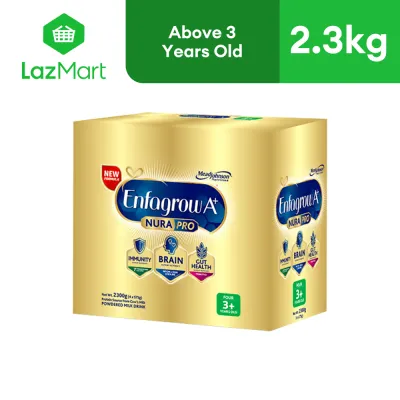
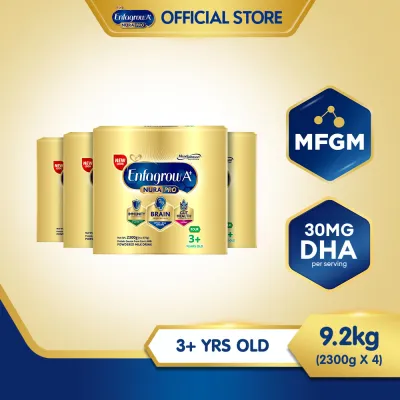
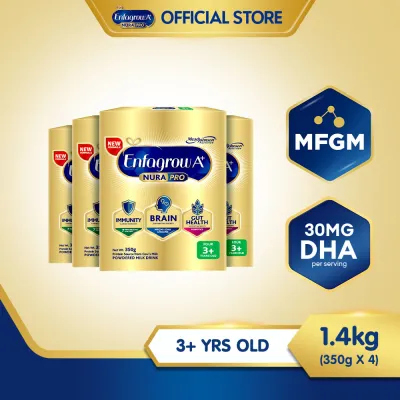
When comparing the major options in the market, enfagrow a plus 4 is highly regarded for its focus on brain and eye development, particularly due to its specialized DHA content. Nido is a household favorite in the Philippines, praised for its rich, creamy taste and general growth support. Meanwhile, NAN is often selected by parents seeking advanced digestive comfort and gut health support through specialized protein profiles and active probiotics.
It is crucial to remember that growing-up milk is a nutritional supplement, not a replacement for a balanced, solid-food diet. Always check current product labels for up-to-date ingredients, and consult your pediatrician to get personalized advice tailored to your child’s specific growth milestones.
Products mentioned in this guide





Prices are valid at publication and may change. Please refer to the product page for the latest price.
What to Look for in a Growing-Up Milk for 4-Year-Olds
By the age of four, children are highly active, rapidly learning, and transitioning into preschool environments. Their nutritional requirements shift from basic infant survival to supporting active play, cognitive development, and immune defense.

Calcium and Vitamin D are fundamental during this stage to support bone and teeth development. Iron is essential for cognitive function and preventing anemia, while DHA (Docosahexaenoic Acid) and ARA (Arachidonic Acid) are critical fatty acids that support brain structure and visual acuity.
Gut health is another major consideration for preschoolers who are constantly exposed to new environments. Prebiotics (like GOS/FOS) and probiotics (live beneficial bacteria) play a vital role in maintaining a healthy gut microbiome, which is closely linked to overall immune function.
Parents must also be vigilant about checking the ingredient list for added sugars or artificial flavorings, which are common in some growing-up milks. While these additives improve taste, excessive sugar intake can contribute to early tooth decay and establish a preference for overly sweet foods.
At this age, children should get the vast majority of their daily nutrients from a varied, balanced diet of solid foods. Milk serves as a complementary source rather than the primary one, filling in potential nutritional gaps when your child experiences picky eating phases.
Brand Breakdown: Enfagrow A+ 4 vs Nido vs NAN
Enfagrow A+ Stage 4
Enfagrow A+ Stage 4 is widely recognized for its focus on supporting cognitive and visual development. Mead Johnson’s formulation is designed to align with the rapid brain growth and learning milestones that occur during the preschool years.
This formula typically features a prominent blend of brain-development nutrients, highlighting DHA, choline, iron, and iodine. DHA is an omega-3 fatty acid essential for brain tissue development and visual acuity, making this brand a popular choice for parents prioritizing school readiness.
When choosing this option, parents should check the specific product label for the exact DHA levels per serving. It is also wise to check the ingredient list for the presence of any added sweeteners or flavorings, as some variants may include vanilla or other flavors that alter the sugar content.
This brand is best suited for parents who want to prioritize cognitive support and visual milestones during the critical preschool learning years, provided the child accepts its specific taste profile.
Nido (Age-Appropriate Preschool Variants)
Nido is deeply embedded in Filipino family culture and is highly favored for its general growth support and exceptional palatability. For four-year-olds, parents usually look at Nido 3+ or Nido 5+ depending on the child’s exact age and developmental transition.
This milk is fortified with essential vitamins and minerals like Vitamin A, C, D, Zinc, and Calcium to support the immune system and physical growth. It also often contains prebiotic fibers to assist with basic digestive health.
Parents must differentiate between Nido’s standard full-cream milk powders, which are general family milks, and their fortified growing-up milk variants. Always check the label for added flavors (like honey) and total sugar content to ensure it aligns with your child’s dietary needs.
Nido has a strong appeal for parents of picky eaters who need a highly acceptable, creamy milk to ensure their child gets adequate daily calories and micronutrients without mealtime struggles.
NAN (Age-Appropriate Preschool Variants)
Nestlé’s NAN range, such as NAN Optipro 4 or NAN Kid 4, focuses on digestive comfort and advanced nutritional science. It is designed for parents who prioritize gut health and easy nutrient absorption.
This formulation typically features optimized protein profiles that are easy for a child’s developing digestive system to break down. It also includes active probiotic cultures, most notably Bifidobacterium lactis, to support a healthy gut flora and immune response.
When reviewing NAN, parents should check the label for the specific probiotic strains and protein content. NAN formulations often emphasize a lower, high-quality protein concentration to avoid overloading a preschooler’s kidneys while supporting lean muscle growth.
This brand is highly suitable for children with sensitive stomachs, those prone to occasional constipation or bloating, and parents who prioritize a scientifically optimized gut-immune connection.
Taste, Digestion, and Daily Preparation
Taste is a major factor in daily compliance. Nido is widely celebrated for its rich, sweet, and creamy flavor profile, which often makes it an easy transition for picky eaters. Enfagrow A+ 4 and NAN typically have a more subtle, less sweet, or more natural milk flavor, though some variants offer vanilla options.
Preparing these formulas correctly is essential for safety and nutritional integrity. Always follow the manufacturer’s exact instructions for scoop-to-water ratios. Use lukewarm, previously boiled water; avoid using boiling water, as high temperatures can destroy heat-sensitive vitamins and completely kill beneficial probiotics.
Clumping can occur if the water is too cold or if the powder is added too quickly. Shaking or stirring vigorously immediately after adding the powder helps ensure a smooth, uniform texture.
All standard formulations of Enfagrow, Nido, and NAN are based on cow’s milk and naturally contain lactose. If you are transitioning your child from one brand to another, do so gradually over several days to allow their digestive system to adjust.
Monitor your child’s stool consistency, frequency, and overall comfort during any transition. Look out for signs of discomfort such as excessive gas, bloating, stomach pain, or skin rashes. If you observe any adverse reactions, stop using the milk immediately and consult your pediatrician.
Cost, Sizing, and Where to Buy Safely
Comparing prices in the Philippine market can be tricky because tin or box sizes vary widely. Instead of comparing the shelf price of the container, calculate the cost per gram or cost per serving.
To find the true cost, divide the total price of the pack by the number of grams, or determine how many recommended scoops are in a pack to find the price per glass. Keep in mind that recommended scoop sizes and water volumes differ among Enfagrow, Nido, and NAN.
The high humidity and temperature in the Philippines require careful handling of milk powder. Once opened, keep the powder in its original tin or transfer it to a clean, airtight container, and store it in a cool, dry place away from direct sunlight.
Never store milk powder in the refrigerator, as the temperature difference when taking it out can cause condensation, leading to clumping and rapid bacterial growth. Use the opened pack within the manufacturer’s recommended timeframe, which is typically three to four weeks.
Counterfeit milk formulas present a severe health risk to children. Always purchase growing-up milk from reputable sources, such as official brand flagship stores on major online marketplaces, established supermarket chains, or licensed pharmacies.
Avoid buying from unauthorized third-party online sellers offering prices that seem too good to be true. When buying in bulk during sales, always verify the expiration dates to ensure you can consume the product safely before it expires.
Final Verdict: Which Brand Should You Choose?
To make the final decision, use this practical, conditional framework based on your preschooler’s unique profile:
- Choose Enfagrow A+ 4 if: Your primary goal is supporting cognitive development, memory, and visual milestones during the preschool years, and your child prefers a milder or vanilla-flavored milk.
- Choose Nido if: Your child is a picky eater who prefers a sweet, creamy taste, and you want an affordable, highly accessible milk that provides robust general growth support and immune-boosting vitamins.
- Choose NAN if: Your child has a sensitive digestive system, suffers from occasional constipation or bloating, and you want a premium formula with optimized proteins and active probiotics to support gut health.
- Verify first if: Your child has a diagnosed cow's milk protein allergy, severe lactose intolerance, or other specific medical conditions. In these cases, standard versions of Enfagrow, Nido, or NAN are not suitable, and you must consult your pediatrician for a specialized alternative.
Frequently Asked Questions (FAQ)
Can I mix growing-up milk with other beverages or foods?
Growing-up milk should always be prepared using clean, safe drinking water at the temperature recommended on the packaging. Do not mix the powder directly into hot tea, coffee, or sugary juices, as this alters the nutritional profile and can be harmful. If you want to use the milk in foods like oatmeal or fruit smoothies, prepare the milk separately with lukewarm water first, then stir it into the food after the food has cooled down to a warm, edible temperature. This preserves heat-sensitive vitamins and probiotics.
How many glasses of growing-up milk should a 4-year-old drink daily?
Generally, pediatric guidelines suggest that a four-year-old drink about 2 to 3 servings of milk per day, but you should always verify the specific serving suggestions on your chosen brand’s label. Drinking excessive amounts of milk can fill up your child’s small stomach, leaving little room for solid foods. This can lead to nutritional imbalances, particularly iron-deficiency anemia, as milk is low in iron compared to solid foods like meat, beans, and dark leafy greens.
What should I do if my child gets constipated after switching milk?
If your child experiences constipation after a transition, first check their overall daily fluid intake and ensure they are drinking plenty of plain water throughout the day, especially in the warm Philippine climate. Also, evaluate their diet to ensure they are consuming fiber-rich foods like papaya, bananas, and vegetables. While some milks containing probiotics are designed to support digestion, any persistent or painful constipation requires you to stop the new milk and consult your pediatrician to identify the root cause.

Community discussion
Share your experience or ask a question. Comments are reviewed before publication.