
Choosing the right toddler milk for your growing child involves balancing nutritional quality with household budgeting. In the Philippines, purchasing larger packaging formats is a common strategy for parents looking to reduce their monthly expenses and minimize trips to the grocery store. However, declaring a single brand as the absolute winner for value is impossible because “value” is highly conditional. The ideal choice depends on whether your budget allows for a higher upfront cost, whether your child requires specialized digestive support, or if your primary focus is targeted cognitive development nutrients.
To help you navigate these options, this guide establishes a practical framework based on three distinct brand profiles. Enfagrow is highly regarded for its premium, targeted brain and immune nutrition, and it stands out by offering a true bulk 4.6kg packaging format. Nido focuses on general physical growth, bone mineralization, and highly accessible, budget-friendly larger formats. NAN positions itself as a premium option designed specifically for digestive comfort and gut health. To find the best fit, parents must look beyond the front of the tin and evaluate the exact cost per serving alongside the nutritional panel of the specific stage available in their local area.
Brand Positioning and Bulk Size Availability in the Philippines
Understanding the retail landscape in the Philippines is essential when comparing these three brands, as package sizes and formats vary significantly. Enfagrow is highly popular among parents who prefer buying in massive quantities, thanks to the availability of its 4.6kg bulk tin. This specific size is designed for heavy users, offering convenience and reducing the frequency of shopping trips. It is commonly found in major warehouse clubs, larger supermarkets, and official online brand stores.
Products mentioned in this guide
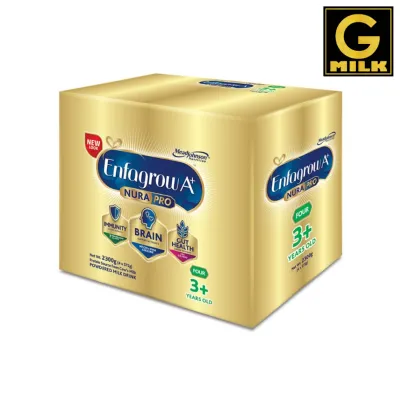
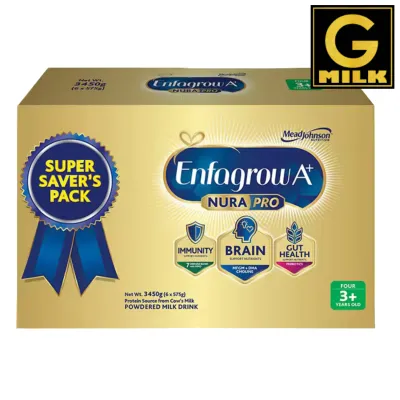
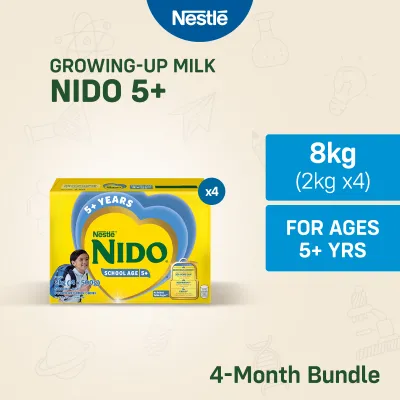
Prices are valid at publication and may change. Please refer to the product page for the latest price.
Nido takes a different approach to bulk packaging, focusing on high accessibility across various price points. While Nido is famous for its family-sized packs, its largest options for toddlers (such as Nido 3+ or Nido 5+) typically come in formats like 1.5kg, 2.4kg, or 3kg. These are often packaged in boxes containing individual foil pouches to help preserve freshness, rather than a single massive tin. This format makes Nido highly accessible in local supermarkets and neighborhood grocery stores across the country.
NAN is positioned as a premium, scientifically advanced option, which means its packaging sizes are generally smaller and more specialized. If you are looking at options like NAN OPTIPRO 3 or NAN Infinite Pro, you will find that the largest available sizes usually range from 1.3kg to 2.4kg. NAN rarely offers massive 4kg+ containers, as its target audience often prioritizes specialized ingredient preservation over ultra-bulk purchasing.
Because product availability, packaging designs, and regional distribution can change, you should always verify what sizes are currently in stock. Checking local supermarkets, warehouse clubs, or official brand flagship stores on e-commerce platforms will give you an accurate picture of the largest formats available for your child’s specific developmental stage.
How to Calculate the True Cost Per Serving for Large Tins
Comparing the price tags of different milk brands on the shelf can be highly misleading. A massive tin of toddler milk might seem expensive at first glance, but it may actually cost less per cup than a medium-sized tin of a cheaper brand. To find the true economic value, you must calculate the cost per individual serving rather than comparing the total price of the packages.

To calculate the true cost per serving, use this step-by-step formula:
- Find the single serving weight: Check the preparation instructions on the nutritional label to find the weight of a single scoop in grams, then multiply it by the number of scoops required for one standard serving (typically 200ml of water).
- Calculate total servings per tin: Divide the total net weight of the tin (for example, 4,600 grams for the Enfagrow 4.6kg tin) by the weight of a single serving.
- Determine the cost per serving: Divide the retail price of the tin by the total number of servings you calculated in step two.
This calculation is crucial because scoop sizes and water-to-powder ratios differ across Enfagrow, Nido, and NAN. For instance, if Brand A requires 40 grams of powder per glass and Brand B requires 55 grams, Brand B will run out much faster, even if both tins weigh exactly the same. A lower retail price does not guarantee better value if the preparation instructions require you to use significantly more powder per serving.
Additionally, where and when you buy plays a massive role in your final cost-per-serving calculation. Purchasing your preferred bulk size from official brand flagship stores on major e-commerce platforms during monthly sales can significantly lower your expenses. Utilizing platform vouchers, store discounts, and free shipping options often makes bulk buying online much more cost-effective than purchasing from physical retail outlets.
Nutritional Showdown: Key Label Metrics to Compare
True value is not just about finding the lowest price per serving; it is about ensuring that the nutrients your child receives align with their specific developmental needs. Toddler milks are formulated with different nutritional priorities in mind. By reading the physical ingredient lists and nutritional tables, you can determine which brand offers the highest functional value for your toddler’s daily diet.
Cognitive and Visual Development
If your primary goal is supporting brain and eye development, pay close attention to the levels of Docosahexaenoic Acid (DHA), Arachidonic Acid (ARA), and Lutein on the label. Enfagrow formulations are widely recognized for prioritizing these specific nutrients, making them a popular choice for parents of active learners. If your toddler is a picky eater who does not regularly consume DHA-rich foods like fish, a milk formula with robust levels of these cognitive support nutrients offers excellent functional value.
Physical Growth and Bone Strength
For parents focused on supporting height, weight, and skeletal development, the key metrics to compare are Calcium, Vitamin D, Zinc, and Protein. Nido formulations are heavily geared toward physical growth and bone mineralization, often providing a high percentage of the daily recommended energy and mineral intake for growing children. If your child already eats a varied diet but needs reliable support for bone strength and physical growth, Nido’s nutrient profile provides high value at a highly competitive price point.
Digestive Comfort and Gut Health
If your toddler experiences occasional digestive issues such as gas, bloating, or constipation, your focus should shift to gut health support. NAN formulas are highly regarded for their inclusion of advanced probiotics (such as Bifidobacterium lactis or Lactobacillus reuteri) and prebiotic fibers (like GOS, FOS, or Human Milk Oligosaccharides). While these premium ingredients increase the cost per serving, they provide immense value by supporting a healthy gut microbiome and comfortable digestion.
Added Sugars and Flavorings
Always inspect the ingredient list for the sources of carbohydrates and added flavors. Some toddler milks contain sucrose, corn syrup solids, or artificial vanilla flavorings to make the drink more appealing to toddlers, while others rely primarily on lactose (the natural sugar found in milk). If you prefer to limit your child’s intake of added sugars, comparing the carbohydrate sources on the ingredient list is an essential step in finding a formula that aligns with your household’s health standards.
Remember that toddler milk is classified as a nutritional supplement. It is designed to complement a balanced diet of solid foods, not to serve as a replacement for whole meals, fresh fruits, vegetables, and iron-rich proteins.
Storage and Freshness: Managing Bulk Milk in a Tropical Climate
Managing a massive container of powdered milk, such as a 4.6kg tin, presents unique practical challenges in a tropical climate like the Philippines. High ambient temperatures and elevated relative humidity levels can quickly compromise the quality of the powder if it is not handled and stored correctly.
When a large tin is opened and closed repeatedly over several weeks, moisture from the humid air enters the container. This moisture can cause the powder to clump, lose its free-flowing texture, and undergo localized nutrient degradation. In worst-case scenarios, exposure to moisture and warm temperatures can encourage the growth of bacteria or mold inside the tin.
To preserve the freshness and safety of your bulk toddler milk, implement these low-risk storage practices:
- Keep the scoop completely dry: Never use a wet or damp scoop, and ensure your hands are thoroughly dry before preparing a serving. Store the scoop on top of the inner foil or in its designated holder, rather than burying it in the powder.
- Seal the lid tightly immediately: Do not leave the tin open while you mix the milk. Press the lid down firmly around the entire rim immediately after scooping to minimize exposure to the air.
- Choose a cool, dark location: Store the tin in a cool pantry or cabinet. Keep it far away from heat sources such as stoves, ovens, rice cookers, or walls that receive direct afternoon sunlight.
- Avoid unnecessary decanting: Do not transfer the powder into secondary plastic containers unless they are certified food-safe, completely airtight, and have been thoroughly washed, sterilized, and dried. Keeping the powder in its original tin with the original scoop is generally the safest option.
Always check the manufacturer’s specific instructions regarding shelf life after opening, which are printed on the label. Most brands recommend consuming the powder within 3 to 4 weeks of opening. Because a 4.6kg tin contains a massive amount of powder, you must calculate whether your toddler’s daily consumption rate is high enough to finish the tin safely within this recommended window. If your child only drinks milk occasionally, buying smaller tins or boxes is a safer and more cost-effective choice to prevent spoilage and waste.
Finally, protect your child’s health by avoiding suspiciously cheap bulk tins from unauthorized online sellers. Dented, unsealed, or improperly stored tins can contain compromised powder. Always buy from authorized distributors to ensure you are receiving a genuine, safe product.
Decision Framework: Which Toddler Milk Fits Your Child Best?
To make your final decision, align your household budget, shopping habits, and your child’s specific developmental needs with this conditional buying framework:
- Choose Enfagrow 4.6kg if: You want the convenience of a true, ultra-large bulk size that reduces your shopping frequency, your budget allows for a higher upfront purchase price, and your primary goal is providing targeted cognitive and visual nutrients like DHA for a growing toddler.
- Choose Nido if: You are looking for a highly accessible, budget-friendly option that focuses on essential physical growth, bone strength, and immune support, and you prefer the flexibility of medium-to-large formats (like 1.5kg to 3kg) that are easy to find in local stores.
- Choose NAN if: Your toddler has a sensitive stomach or experiences frequent digestive discomfort, and you are willing to pay a premium price per serving for advanced probiotic and prebiotic blends that support gut health and smooth digestion.
- Verify first if: Your child has a diagnosed cow's milk protein allergy, lactose intolerance, or any underlying medical condition. Standard toddler milks are not suitable for children with these conditions. If your child shows signs of an adverse reaction, stop use immediately and consult your pediatrician or a qualified healthcare professional for specialized dietary advice.
Frequently Asked Questions (FAQ)
How long does a large tin of toddler milk last once opened?
Most manufacturers recommend consuming the powdered milk within 3 to 4 weeks after opening the tin. Because a 4.6kg tin contains a very large volume of powder, it is best suited for households where the toddler consumes milk multiple times a day, or where multiple toddlers are sharing the same formula. If your child’s consumption rate is low, purchasing smaller packaging formats is highly recommended to prevent the powder from spoiling or clumping before you can finish it.
Is it safe to buy bulk toddler milk from online e-commerce platforms?
Buying bulk toddler milk online is safe only if you purchase directly from official brand flagship stores, verified supermarket chains, or authorized online distributors. Avoid buying from unauthorized third-party sellers who offer suspiciously low prices. These products may be counterfeit, close to their expiration dates, or stored in hot, humid warehouses that compromise the safety, quality, and nutritional value of the formula.

Community discussion
Share your experience or ask a question. Comments are reviewed before publication.