
Choosing an electric swing for baby can feel overwhelming when you are faced with a sea of technical specifications, flashing lights, and marketing promises. The key to finding the right model lies in prioritizing your baby’s safety, comfort, and your household’s daily layout over flashy, high-tech add-ons. By focusing on core specifications—such as motion paths, power configurations, and harness designs—you can select a reliable swing that fits your living space and effectively calms your little one.
Swing Motion Paths and Speed Settings
The motion of an electric swing for baby is designed to mimic the natural rocking movements parents use to soothe a restless infant. Swings typically offer side-to-side swaying, front-to-back gliding, or multi-directional paths that combine both movements. Because every infant has unique soothing preferences, observing how your baby responds to being held and rocked can help you decide which motion path is most likely to be effective.
Variable speed settings are essential for accommodating your baby’s changing weight and developmental stages. A gentle, slow speed is often ideal for a quiet newborn, while a slightly higher setting might be necessary to soothe an older, heavier infant. Having multiple speed options allows you to adjust the intensity of the motion to match your baby’s immediate calming needs throughout the day.
Products mentioned in this guide
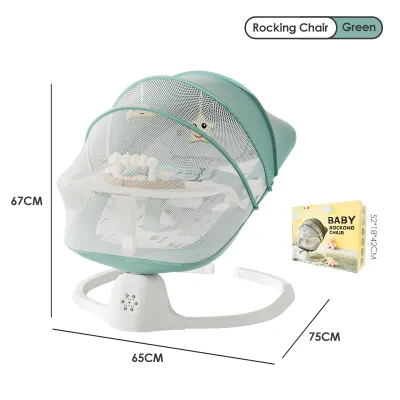
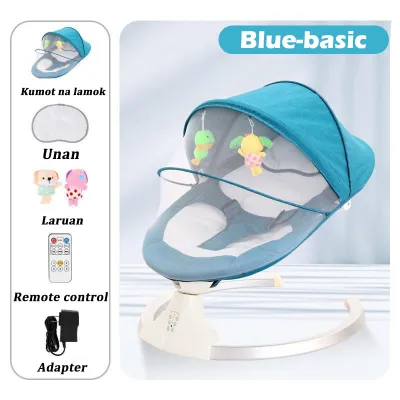
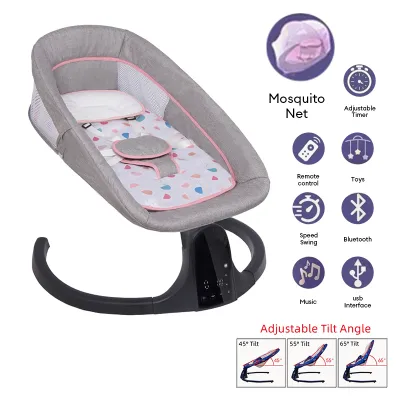
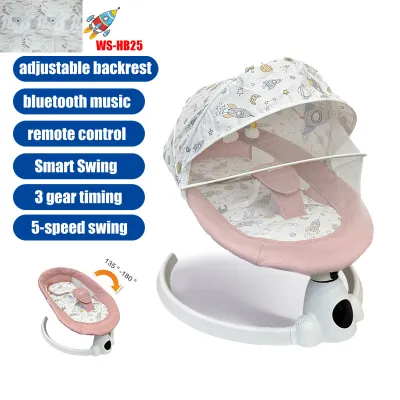
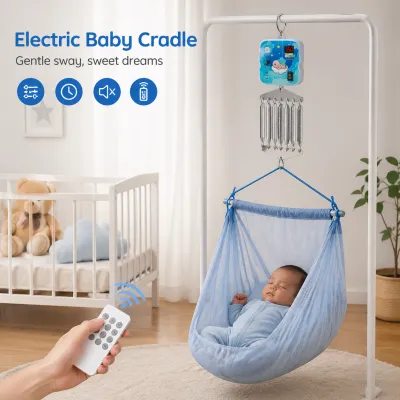
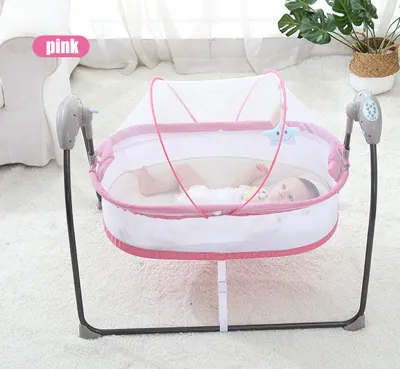
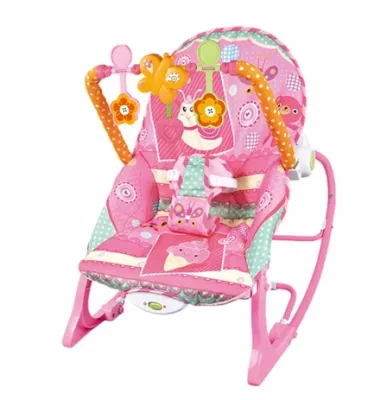
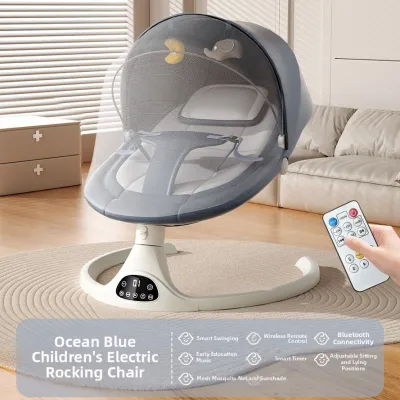
Prices are valid at publication and may change. Please refer to the product page for the latest price.
While experimenting with different speeds can help you find the perfect rhythm, safety must always come first. Maximum speed limits and motion ranges are strictly set by manufacturers to prevent the swing from tipping or putting undue stress on the frame. Always consult the specific user manual for your model to understand its operational boundaries and ensure you are using the speed settings safely.
Power Sources and Placement Flexibility
Deciding how your electric swing for baby is powered directly impacts where you can place it and how much it will cost to run over time. Plug-in models offer continuous, reliable power without the worry of sudden shutdowns, making them highly convenient for long-term daily use. However, these models must be placed near an electrical outlet, and you must carefully manage the power cord to prevent tripping hazards or keeping it within reach of curious hands.

Battery-operated swings provide excellent portability, allowing you to move the unit easily between rooms or even take it outdoors. This flexibility is particularly useful in tropical climates like the Philippines, where you might want to move the swing from an air-conditioned bedroom to a breezy living area. The trade-off is the recurring cost of replacement batteries and the potential for the swing’s motion to slow down as the power drains.
Dual-power options offer a highly flexible middle ground, allowing you to plug the unit into the wall for everyday use and switch to battery power when you need portability. Before making a purchase, check the manufacturer’s guidelines for the required battery types and expected run times. Proper cord management is essential regardless of the power source, so ensure the cord is always routed safely away from foot traffic.
Seat Recline and Harness Specifications
The seat design and restraint system of an electric swing for baby are critical for maintaining proper posture and ensuring physical safety. Harness systems typically come in three-point or five-point configurations. It is vital to check for secure, adjustable buckles that fit snugly over your baby’s shoulders and hips, preventing them from slipping or leaning too far forward.
Adjustable recline positions are necessary to accommodate different stages of infant development. Newborns require a fully reclined position to keep their airways open and support their heavy heads, as they lack the neck strength to sit upright. As your baby grows and gains head control, a slightly more upright recline allows them to look around and engage with their surroundings safely.
To ensure ongoing safety, you must strictly verify the maximum weight, height, and developmental milestones printed on the product label. Infants grow quickly, and exceeding these limits can compromise the stability of the swing. Stop using the swing immediately once your baby reaches the maximum weight limit or begins attempting to climb out.
Decoding Extra Features: What to Keep vs. Skip
Modern baby swings often come packed with electronic extras, but not all of them are worth the higher price tag. Built-in timers are highly practical, allowing you to set the swing to turn off automatically after your baby has settled. Integrated sound machines and overhead mobile toys can also provide excellent sensory stimulation and soothing distraction, reducing the need for extra gear in your living room.
Smart features, such as mobile app controls, Bluetooth connectivity, and automatic cry-detection sensors, offer modern convenience but also increase the overall cost. While being able to adjust the swing speed from your phone is convenient, it is rarely a necessity. Evaluate whether these high-tech additions fit your budget or if they simply add unnecessary complexity to a straightforward piece of baby gear.
You can easily save money by skipping premium electronic add-ons if you already own standalone alternatives. For instance, if you already have a portable white noise machine or a favorite play mobile, a basic electric swing without these built-in features will serve you just as well. Focus your budget on a sturdy frame and a reliable motor rather than paying extra for redundant technology.
Building Your Comparison Checklist
To find the perfect electric swing for baby, it helps to build a personalized priority matrix based on your home’s layout and your daily routine. Consider your available floor space, the proximity of electrical outlets, and how often you plan to move the swing between rooms. This matrix will help you narrow down your options to models that fit your physical environment and lifestyle.
Before finalizing any purchase, perform a mandatory safety verification check. Look for visible safety certification labels on the packaging, read through the warranty terms, and search the manufacturer’s website for any product recall history. Taking these precautionary steps ensures that the model you bring into your home meets current safety expectations.
If you are evaluating swings in a physical store, take the opportunity to test the unit’s build quality. Check the noise level of the motor while it is running, test how easily the frame folds for storage, and gently shake the frame to assess its overall stability. A quiet motor and a rock-solid frame are excellent indicators of a high-quality swing that will safely soothe your baby.
Frequently Asked Questions (FAQ)
Is a 5-point harness always necessary for an electric baby swing?
While some swings designed for very young infants use a 3-point harness, a 5-point harness offers superior security by securing both the shoulders and the hips. As your baby becomes more active and begins to wiggle, a 5-point system prevents them from leaning forward or sliding out of the seat. Always follow the specific manufacturer’s age, weight, and mobility guidelines to determine which restraint system is required for your chosen model.
Can I let my baby sleep in the swing overnight?
No, electric baby swings are designed strictly for supervised soothing and play, not for unsupervised sleep. Allowing an infant to sleep overnight on an inclined, moving surface increases the risk of positional asphyxiation, where the baby’s head can chin-tuck and block their airway. Once your baby falls asleep in the swing, you should immediately transfer them to a flat, firm, and safe sleep surface, such as a crib or bassinet.
Community discussion
Share your experience or ask a question. Comments are reviewed before publication.