
Protecting your baby from mosquito bites is a top priority, especially during humid rainy seasons when dengue risks rise. While an electric mosquito repellent offers a convenient way to keep pests at bay, using these devices around infants requires a careful balance between pest control and respiratory safety. Because a baby’s lungs and immune system are still developing, parents must evaluate the active ingredients, device mechanics, and room conditions before plugging any repellent into a nursery outlet.
Understanding how these devices interact with your indoor environment is the first step toward keeping your little one safe. While some electric repellents rely on chemical dispersion to clear the air, others use physical or acoustic methods that avoid chemical emissions entirely. By learning to identify different device types and implementing strict safety protocols, you can protect your child from insect bites while maintaining a healthy sleeping environment.
Identifying Your Electric Mosquito Repellent Type
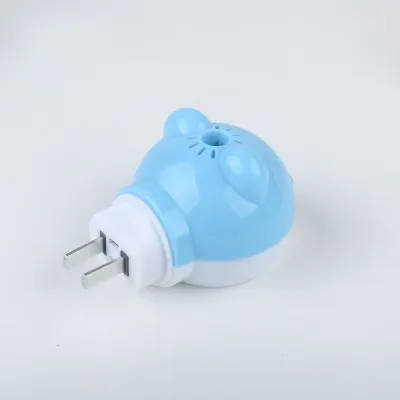
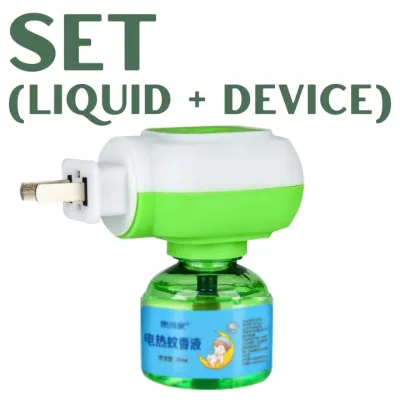
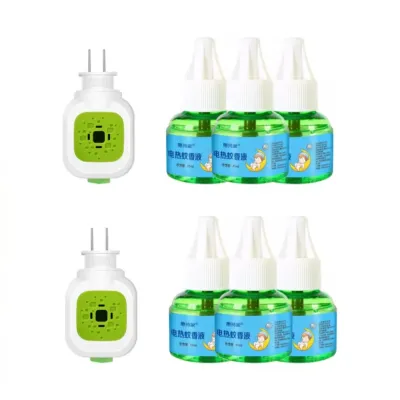
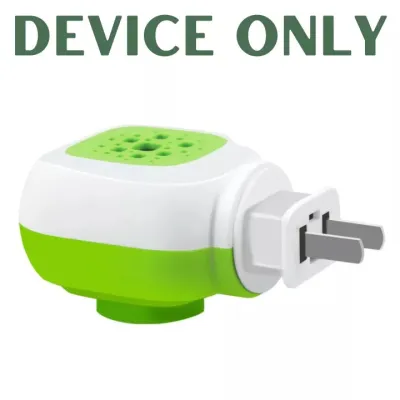
Electric mosquito repellents generally fall into three main categories: liquid vaporizers, mat heaters, and ultrasonic plug-in devices. Liquid vaporizers use a small heating element to slowly evaporate a liquid insecticide solution into the room over several weeks. Mat heaters operate on a similar thermal principle but require you to replace a small, chemical-infused paper mat every night. Both of these thermal options rely on active chemical dispersion to repel or eliminate mosquitoes within a specific radius.
Products mentioned in this guide
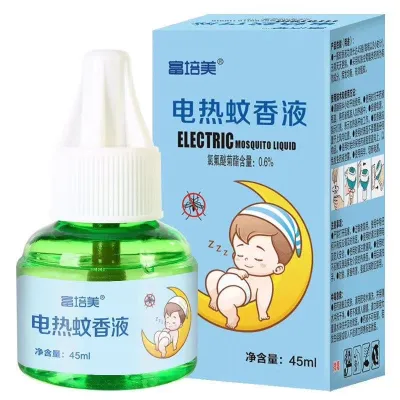
Prices are valid at publication and may change. Please refer to the product page for the latest price.
When evaluating chemical vaporizers or mats, you must carefully inspect the product packaging to identify the active ingredients. Most commercial electric repellents use synthetic pyrethroids, such as prallethrin, transfluthrin, or allethrin. These synthetic compounds are designed to mimic natural insecticidal chemicals found in chrysanthemum flowers, but they are highly concentrated to ensure effectiveness. The packaging should clearly display the concentration percentage of these active ingredients, which you should check before bringing the product near your baby.
Ultrasonic plug-in devices represent a completely different approach to pest control by using high-frequency sound waves instead of chemical agents. Because these devices do not emit vapors, mists, or residues, they do not introduce chemical irritants into your nursery’s air supply. However, parents should note that the actual efficacy of ultrasonic pest control remains a subject of ongoing debate among consumer safety groups. If you choose an ultrasonic device, focus on verifying the manufacturer’s performance claims and checking for independent product reviews rather than assuming it will provide complete protection.
Potential Health and Safety Risks for Babies
The primary concern with chemical-based electric repellents in a nursery is the potential impact of continuous chemical exposure on a baby’s developing respiratory system. Infants breathe at a faster rate than adults relative to their body weight, meaning they inhale more air—and any airborne chemicals—over a given period. Inhalation of synthetic pyrethroids in poorly ventilated spaces can irritate delicate nasal passages, throat tissues, and bronchial tubes. This risk is particularly high for infants with a family history of asthma, allergies, or sensitive airways.

Beyond respiratory concerns, physical hazards associated with the devices themselves require careful consideration. Mat heaters and liquid vaporizers rely on internal heating elements that can become hot to the touch during operation. If a crawling infant or curious toddler manages to reach a plugged-in device, they risk sustaining minor burns or accidentally spilling concentrated chemical liquids onto their skin. Furthermore, any device plugged directly into a low wall outlet presents an electrical safety hazard that requires physical blocking or outlet covers.
Parents should also remain cautious of marketing terms like “baby-safe,” “organic,” or “natural” on electric repellent packaging. These labels are often used loosely for marketing purposes and do not exempt a product from safety scrutiny. You must verify these claims by reading the full ingredient list and checking the manufacturer’s age recommendations on the label. Many products that claim to be natural still contain concentrated essential oils or synthetic carriers that can trigger respiratory irritation or allergic skin reactions in young infants.
Safe Setup and Usage Rules for the Nursery
If you decide that using a chemical electric mosquito repellent is necessary for your nursery, implementing strict setup rules can help minimize your baby’s exposure. Always place the plug-in device in an outlet that is far away from the crib, changing table, and play areas. The device must be completely out of your baby’s reach and sight to prevent any physical contact or tampering. Avoid placing the repellent directly under windows where drafts might blow concentrated vapors directly toward your baby’s sleeping area.
Maintaining proper cross-ventilation is the most critical rule when operating any chemical vaporizer in a home with children. Never run an electric repellent in a tightly sealed, air-conditioned room while your baby is sleeping inside. Instead, keep a window or door slightly open to allow fresh air to circulate, which prevents the active chemical ingredients from building up to high concentrations in the indoor air. If you must seal the room to run an air conditioner, operate the repellent several hours before bedtime, then turn it off and unplug it before bringing your baby into the room.
Establishing a disciplined operating schedule further reduces unnecessary chemical exposure for your infant. Use a plug-in timer to automatically shut off the device after a few hours, or make it a habit to manually unplug the vaporizer every morning. Never leave a chemical repellent running continuously throughout the day when the nursery is unoccupied. Regularly inspect the device for signs of wear, such as leaking liquid, discolored plastic, or an unusually hot casing, and replace any unit that shows signs of deterioration.
Non-Chemical Alternatives for Infant Protection
For parents who prefer to avoid chemical exposure entirely, several highly effective physical barriers can protect infants from mosquito bites. A properly fitted, fine-mesh crib net is one of the safest and most reliable tools for protecting a sleeping baby. Ensure the netting is securely anchored and suspended high enough so that it does not drape over your baby’s face or pose an entanglement hazard. Similarly, installing high-quality insect screens on all nursery windows and doors keeps pests out while allowing natural ventilation.
Environmental controls within and around your home play a vital role in reducing the local mosquito population. Regularly inspect your property to eliminate any standing water in flowerpots, gutters, or outdoor containers, as these serve as prime breeding grounds for mosquitoes. Indoors, using a ceiling fan or a well-placed floor fan on a low setting can significantly disrupt mosquito flight patterns. Because mosquitoes are weak fliers, the gentle downward or outward draft from a fan makes it difficult for them to land on your baby’s skin.
When taking your baby outdoors or spending time in mosquito-prone areas, protective clothing serves as an excellent first line of defense. Dress your infant in lightweight, loose-fitting clothing that covers their arms and legs completely. Choosing light-colored fabrics can also help, as mosquitoes are naturally attracted to darker colors and heat-retaining materials. For strollers and infant car seats, utilize custom-fit mesh covers to maintain a physical barrier against insects during walks or outdoor family gatherings.
Warning Signs and When to Discontinue Use
Even when you follow all safety guidelines, your baby may still exhibit sensitivity to an electric mosquito repellent. Parents must closely monitor their infants for any immediate or gradual changes in health when a new device is introduced. Watch for respiratory warning signs such as persistent coughing, sudden sneezing fits, wheezing, or unusually rapid breathing. These symptoms suggest that the airborne chemicals are irritating your baby’s airway and require immediate intervention.
Physical irritation can also manifest on your baby’s skin, eyes, or mucous membranes. If you notice watery eyes, frequent eye rubbing, redness around the eyelids, or unexplained skin rashes, the repellent vapor may be the underlying cause. Some babies may also show signs of restlessness, difficulty sleeping, or unusual fussiness due to the subtle scent or mild irritation caused by the vaporized chemicals.
If you observe any of these warning signs, discontinue the use of the electric repellent immediately. Unplug the device, open all windows and doors to thoroughly ventilate the nursery, and move your baby to a room with fresh, clean air. Wash any exposed skin with mild baby soap and water if you suspect physical contact with the repellent liquid or residue. Always consult a pediatrician or a qualified healthcare professional to evaluate your baby’s symptoms and discuss safer pest control alternatives.
Frequently Asked Questions (FAQ)
Can I use natural essential oil plug-ins around my newborn?
While essential oils like citronella, eucalyptus, or lavender are often marketed as safe alternatives, they are not automatically safe for a newborn’s sensitive lungs. Vaporized essential oils release volatile organic compounds that can trigger airway irritation, coughing, or allergic reactions in infants under six months old. Always check the manufacturer’s age limits on the product packaging, verify the purity of the ingredients, and consult your pediatrician before introducing any essential oil diffuser or plug-in to your baby’s room.
Are ultrasonic mosquito repellents completely safe for babies?
Ultrasonic mosquito repellents are physically safe in terms of chemical exposure because they do not emit any vapors, heat, or liquid residues. However, you must ensure the device is plugged into a secure outlet out of your baby’s reach to prevent electrical hazards or choking risks from loose parts. Additionally, because the scientific consensus on the effectiveness of ultrasonic waves in repelling mosquitoes is mixed, you should manage your expectations and combine these devices with reliable physical barriers like crib netting.
Community discussion
Share your experience or ask a question. Comments are reviewed before publication.