
Quick Answer: What to Expect in a Breast Pump Electric Full Set
When purchasing a breast pump electric full set, you are buying a complete system designed to let you express milk immediately without needing to purchase additional structural parts. At its baseline, a full set includes the electric motor unit, the power adapter, connecting tubing, breast shields (flanges), connectors, valves, membranes, and collection bottles.
Many manufacturers also include convenient extras to elevate a basic kit. These extras often consist of spare silicone valves, travel or cooler bags, bottle stands, and starter milk storage bags. While these additional accessories provide excellent value, only the core motor, tubing, and collection kit are strictly necessary to begin pumping.
The Core Components: Essential Parts You Cannot Pump Without
The Motor Unit and Tubing
The motor unit serves as the brain of your breast pump electric full set, generating the vacuum pressure required to mimic a baby’s natural nursing rhythm. Most modern electric motors feature adjustable settings, allowing you to customize the suction strength and cycle speed to find your most comfortable let-down and expression modes. Depending on the model, the motor may run on direct wall power, AA batteries, or a built-in rechargeable lithium-ion battery.
Products mentioned in this guide
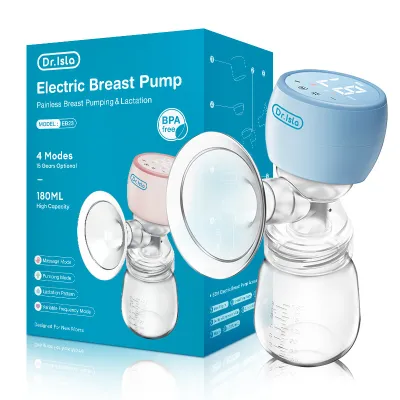
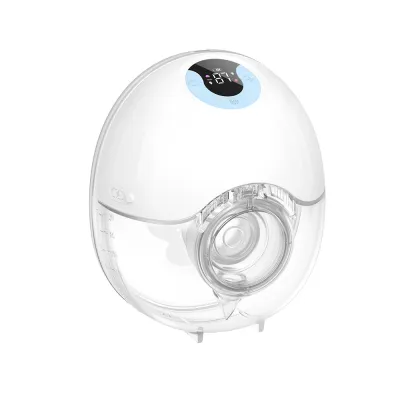
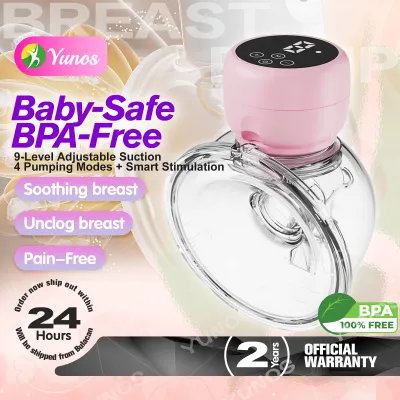

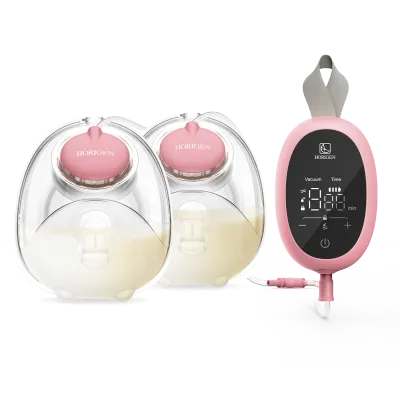
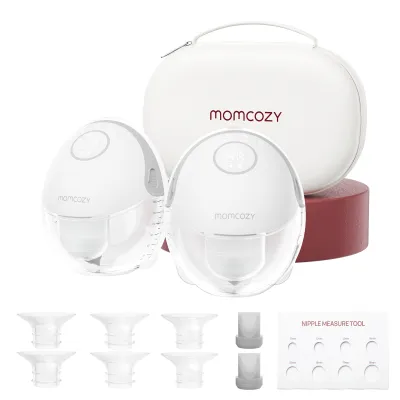
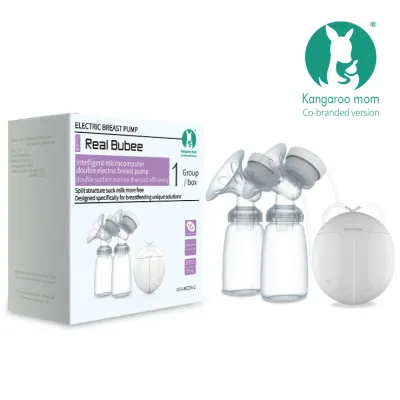
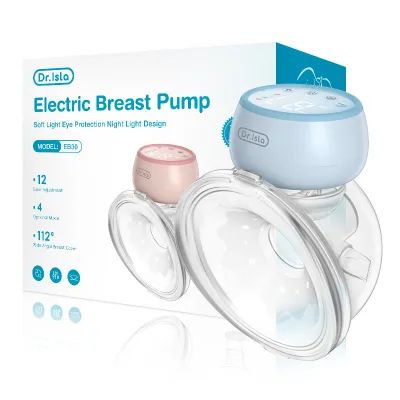
Prices are valid at publication and may change. Please refer to the product page for the latest price.

The tubing acts as the vital air pathway, transferring the suction pressure from the motor unit directly to the breast shield assembly. It is critical to understand whether your pump operates as an open or closed system, as this dictates how you handle and clean the tubing.
In a closed-system pump, a physical barrier or diaphragm prevents milk from backing up into the tubing or the motor unit itself, keeping the air path completely dry and hygienic. In contrast, an open system lacks this barrier, meaning milk or condensation can occasionally enter the tubing. Always check the manufacturer’s product documentation or packaging to confirm your pump’s system type and follow its specific hygiene guidelines.
The Collection Kit (Flanges, Connectors, Valves, and Membranes)
The collection kit consists of the physical parts that assemble directly over your breast to create a vacuum seal and channel your expressed milk safely.
Breast Shields (Flanges): These plastic or silicone funnels fit directly over your breast, centering your nipple in the tunnel. A proper flange fit is essential; if the flange is too small or too large, it can cause severe friction, nipple pain, and a significant reduction in milk output.
Connectors: These hard plastic joints bridge the breast shield, the tubing, and the collection bottle. They house the delicate valves and membranes that make the physical suction possible.
Valves and Membranes: Usually made of flexible, food-grade silicone, these small parts act as one-way valves. They open and close with every pulse of the motor to build and release the vacuum. Duckbill valves are common alternative single-piece designs that serve the same purpose. Because these parts are highly sensitive, even a microscopic tear or slight stretching will cause a sudden, frustrating loss of suction power.
Milk Storage Bottles
The bottles included in your breast pump electric full set serve as the immediate collection vessel for your expressed breast milk. These bottles screw directly into the bottom of the connectors, allowing milk to flow straight from the breast shield into the container without exposure to external contaminants.
Before using the bottles, verify that they are clearly labeled as BPA-free and food-grade by checking the manufacturer’s packaging. Most full sets include matching bottle caps, travel hoods, or sealing discs. These accessories allow you to seal the bottles immediately for safe storage in the refrigerator or a cooler bag, or to attach compatible nipples for direct feeding.
The "Full Set" Extras: Accessories and Backup Parts
Spare Wear Parts
Because silicone components are highly susceptible to wear and tear, premium electric breast pump packages frequently include spare parts. Manufacturers know that duckbill valves, silicone membranes, and backflow protector diaphragms lose their elasticity over time through regular stretching and washing.
Having these backup parts included in your initial purchase is incredibly convenient. It saves you from the sudden panic of a torn valve in the middle of a late-night pumping session, ensuring you can quickly swap in a fresh spare and continue your feeding schedule without interruption.
Cleaning, Storage, and Power Accessories
The accessories included in a comprehensive bundle are designed to support your daily lifestyle, especially if you are balancing pumping with returning to work.
Cleaning Tools: Many sets include specialized, narrow bottle brushes or micro-brushes designed to clean the tight crevices of connectors and valves safely without tearing the silicone.
Storage and Transport: For active or working mothers, a full set often features insulated cooler bags, contoured ice packs, and a stylish tote bag to transport the motor and accessories discretely.
Power Options: Complete sets frequently bundle multiple power accessories, such as a standard wall adapter, a USB charging cable for power banks, or even a car adapter to facilitate pumping during long commutes.
Consumables: You may also find a starter pack of disposable breast milk storage bags, breast pads to prevent clothing leaks, or sample sizes of nipple cream to soothe dry skin.
How to Verify Your Set Is Complete Before First Use
Unboxing your new breast pump can feel overwhelming, but a systematic check ensures you are ready to pump safely and comfortably. Start by laying out every component on a clean, dry surface and comparing them against the parts diagram in your user manual. This step ensures no small silicone valves or adapters were left behind in the packaging.
Next, carefully inspect all silicone parts—especially the delicate membranes and duckbill valves—for any micro-tears, warping, or manufacturing defects. A tiny split in the silicone can prevent the pump from creating a vacuum, making it seem like the motor is broken when the issue is simply a faulty valve.
Pay close attention to the included flange sizes. Most standard full sets ship with a default flange size, typically 24mm or 28mm. Because nipple sizes vary widely, these default sizes may not fit you comfortably. Measure your nipple diameter before your first session, and if the included flanges cause rubbing, pain, or pull too much areola into the tunnel, purchase the correct size from the brand’s official store or an authorized local distributor.
Finally, before any of the parts touch your skin or collect milk, wash all washable components in warm, soapy water and sterilize them according to the manufacturer’s specific instructions. Never submerge the motor unit or the tubing in water, as moisture inside these parts can ruin the electrical components or lead to mold growth.
Maintenance and Replacement: Managing Wear Parts in a Humid Climate
Maintaining your breast pump electric full set in a tropical environment like the Philippines requires extra vigilance. High relative humidity can make it incredibly difficult for washed parts to dry completely, creating a prime environment for mold and mildew to develop.
To protect your baby and your equipment, wash your pump parts after every use and lay them out to dry in a well-ventilated area. If you use a steam sterilizer or a UV sterilizer, ensure the dry cycle runs long enough to eliminate all residual moisture from the silicone valves and connectors.
Regularly inspect your tubing for any signs of condensation or dark mold spots. If you notice moisture inside the tubing, run the pump motor with only the tubing attached for a few minutes to blow the air dry. However, if you see dark spots or mold inside the tubing, stop using the pump immediately and replace the tubing with a brand-new, manufacturer-approved spare to prevent contamination.
Keep a close eye on your silicone valves and membranes. In warm, humid climates, silicone can degrade or stretch slightly faster with frequent washing. Plan to replace your duckbill valves every 1 to 3 months, and backflow protector membranes every 3 to 6 months, depending on how frequently you pump.
Frequently Asked Questions (FAQ)
Do I need to buy extra flanges if the included size doesn't fit?
Yes, you should absolutely purchase the correct size if the default flanges do not fit your nipples. Using an incorrectly sized flange can lead to severe nipple friction, blocked milk ducts, tissue damage, and a noticeable drop in your milk supply. To ensure a secure vacuum seal and prevent damage to your pump, always buy replacement flanges directly from the original manufacturer or their authorized local retailers.
Are breast pump parts from different brands interchangeable?
Generally, breast pump parts from different brands are not interchangeable. Even if a valve or bottle from another brand looks similar, minor variations in plastic threading, silicone density, and connector diameters can break the airtight vacuum seal. Mixing incompatible parts can cause milk leaks, reduce suction efficiency, or put strain on your pump’s motor, potentially voiding your warranty. Always stick to brand-specific parts designed for your exact pump model.
Community discussion
Share your experience or ask a question. Comments are reviewed before publication.