
Choosing the right baby wipes in the Philippines requires balancing effective cleaning with extreme gentleness, especially when managing sensitive or eczema-prone skin. While Ecoplanet wipes are widely discussed among local parents looking for gentle alternatives, comparing them to other popular brands requires looking past marketing claims and examining physical labels. Because individual skin sensitivities vary and independent clinical trials comparing these specific brands are not publicly available, the most reliable approach is to systematically evaluate their ingredients, fabric textures, and preservative systems. In a tropical climate where heat and humidity can exacerbate skin irritation, understanding how to read these product details is essential for protecting your baby’s skin barrier.
Key Factors for Choosing Sensitive Skin Wipes
Evaluating any wipe brand for sensitive, reactive, or eczema-prone skin starts with establishing a clear baseline of criteria. The primary goal of a baby wipe is to remove soil without stripping the skin’s natural moisture barrier or introducing sensitizing agents. For babies with compromised skin, even minor exposure to harsh chemicals can trigger contact dermatitis, redness, and persistent discomfort.
Ingredient transparency is the first line of defense when selecting a safe product. Parents should prioritize formulations that are explicitly fragrance-free, alcohol-free, and paraben-free. Fragrances, whether synthetic or derived from natural essential oils, are among the most common triggers for allergic skin reactions. Similarly, drying alcohols can strip away essential lipids, while certain older preservative classes like parabens are widely avoided due to potential skin irritation and regulatory concerns.
Products mentioned in this guide
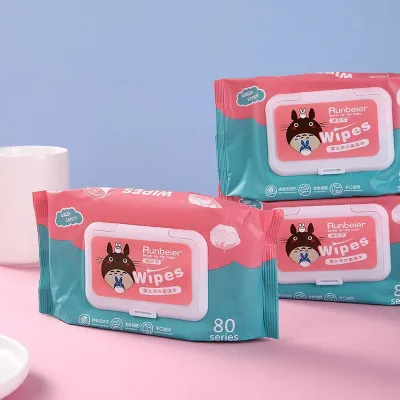

Prices are valid at publication and may change. Please refer to the product page for the latest price.
The physical material of the wipe also plays a critical role in skin health. Non-woven fabrics, such as spunlace blends of polyester and viscose, determine how much friction is applied to the skin during a diaper change. A rough or overly thin fabric requires more physical rubbing to clean a mess, which mechanically damages the delicate outer layer of the skin. A soft, high-density fabric minimizes this friction, allowing parents to clean effectively with minimal passes.
Finally, the balance between moisture content and the preservative system is highly critical, particularly in warm and humid environments. Wipes require a high water-to-preservative ratio to ensure they are sufficiently wet to dissolve messes easily. However, because water is a breeding ground for bacteria and mold, a robust yet gentle preservative system is absolutely necessary to keep the product sterile once the package is opened. Finding a wipe that balances this safety requirement without using highly irritating preservatives is key for sensitive skin care.
Evaluating Ecoplanet Wipes for Sensitive Skin
When considering Ecoplanet wipes for a baby with sensitive skin, the first step is to perform a detailed inspection of the physical packaging. Rather than relying solely on front-of-pack marketing terms like “natural” or “organic,” turn the package over to read the complete ingredient list. Look closely at the order of ingredients, which indicates their concentration, and verify the exact water percentage if it is stated on the label.

It is also important to scrutinize any botanical extracts or plant-based additives listed on the Ecoplanet packaging. While ingredients like aloe vera, chamomile, or calendula are often marketed as soothing, they can occasionally trigger localized allergic reactions in highly reactive or eczema-prone skin. Checking the label allows you to identify if your baby has had prior sensitivities to any of these specific plant derivatives.
Dermatological claims and hypoallergenic certifications printed on the packaging should always be verified against recognized standards. Look for official logos or clear statements indicating that the product has undergone dermatological testing under controlled conditions. If the packaging references specific certifications, parents can cross-reference these with the certifying body’s public database to confirm their validity and understand the exact testing criteria used.
Before integrating any new wipe brand into your daily routine, conducting a preliminary assessment of the physical product is highly recommended. Pull a single wipe from the pack to evaluate its thickness, moisture level, and overall texture. Performing a simple patch test by gently wiping a small, unaffected area of your baby’s skin—such as the inner forearm—and waiting 24 to 48 hours can help you observe any immediate adverse reactions before using the product on more sensitive diaper areas.
Comparing Ecoplanet to Other Popular Wipe Brands
To make an informed choice, parents must compare Ecoplanet wipes against other popular brands across several critical dimensions. The first dimension is ingredient simplicity. Many standard wipes contain complex formulations with added lotions, synthetic fragrances, or heavy cleansing agents designed to leave a scent or a moisturizing film. In contrast, sensitive-skin alternatives often focus on ultra-pure, water-based formulations that minimize the number of chemical components interacting with the skin.
The preservative systems used by different brands represent another major point of comparison. In the tropical climate of the Philippines, where high ambient temperatures and humidity accelerate microbial growth, wipes must remain sterile. However, some popular brands utilize preservatives like phenoxyethanol, sodium benzoate, or benzyl alcohol. While these are generally considered safe, some highly sensitive infants may experience mild stinging or redness from specific preservatives, making it useful to compare which system your baby tolerates best.
Fabric thickness and texture also vary significantly between Ecoplanet and its competitors. Thicker, embossed wipes generally offer better loft and absorbency, meaning you need fewer wipes per diaper change. This not only makes diapering more efficient but also directly reduces the cumulative mechanical friction applied to the baby’s skin. Thinner wipes may save on initial purchase costs but often require multiple sheets and more vigorous wiping, which can worsen diaper rash.
Wipe Comparison Checklist for Sensitive Skin
| Feature | Ecoplanet Wipes (Verify on Label) | Popular Alternatives (Verify on Label) | Why It Matters for Sensitive Skin |
|---|---|---|---|
| Primary Ingredient | Check water percentage and added extracts | Check water percentage and soothing agents | Higher water content with fewer additives generally reduces irritation risk. |
| Preservative System | Identify specific preservatives listed | Identify specific preservatives listed | Necessary for safety, but certain types may cause contact dermatitis in highly reactive skin. |
| Fragrance & Alcohol | Confirm "fragrance-free" and "alcohol-free" status | Confirm "fragrance-free" and "alcohol-free" status | Both are common triggers for redness, stinging, and moisture barrier disruption. |
| Texture & Thickness | Feel the fabric density and embossing | Feel the fabric density and embossing | Thicker wipes require less rubbing, reducing mechanical friction on compromised skin. |
Decision Framework: Choosing the Right Wipe for Your Baby
Selecting the ideal wipe is ultimately a conditional decision based on your baby’s unique skin profile, daily environment, and verified product labels. There is no single brand that works perfectly for every infant, so parents should match the product’s characteristics to their specific needs.
You may want to choose Ecoplanet wipes if your physical inspection of the label confirms a minimal ingredient list that aligns with your preferences. This option is suitable if your baby has previously tolerated the specific preservative system listed on the package and if you find that the fabric’s physical texture cleans effectively without requiring excessive pressure or repeated rubbing.
Alternatively, choosing other popular water-based wipes is advisable if you notice any mild redness or irritation after using Ecoplanet wipes, which could indicate a sensitivity to its specific botanical extracts or preservatives. Opting for alternative brands is also logical if you find that you require a significantly thicker or more textured wipe to handle heavy messes efficiently while keeping skin friction to an absolute minimum.
For babies experiencing severe dryness or flaking, choosing lotion-based or specialized eczema wipes may be appropriate. These products are formulated with added emollients designed to leave a protective barrier on the skin during cleaning. However, because these formulations contain more complex ingredients, it is essential to verify that every component is approved by your pediatrician before introducing them to compromised skin.
Regardless of the brand you select, you must stop using any wipe immediately and consult a pediatrician if your baby develops a persistent rash, weeping skin, bumps, or any signs of an allergic reaction. Marketing terms like “hypoallergenic,” “natural,” or “dermatologist-tested” are helpful indicators, but they do not guarantee absolute safety for every individual skin type. Professional medical advice should always guide the treatment of active skin irritation.
Best Practices for Using Wipes on Sensitive Skin
Adopting proper usage and storage habits is just as important as choosing the right brand when it comes to minimizing skin irritation. When performing a diaper change, always use a gentle patting or dabbing motion rather than dragging the wipe across the skin. After cleaning, allow the diaper area to air dry completely for a few moments before applying barrier cream and fastening a new diaper, as trapping excess moisture can lead to skin maceration and rash.
In the Philippines, temperature and humidity play a significant role in how products interact with the skin. While wipe warmers are popular in colder climates, they are rarely necessary in tropical conditions and can sometimes promote bacterial growth if not cleaned regularly. Ensure that the wipes are kept at a comfortable room temperature, avoiding exposure to direct sunlight or extreme heat, which can degrade the ingredients and dry out the sheets.
Proper storage is essential for maintaining both the moisture level and the sterility of your baby wipes. Always seal the resealable plastic sticker or plastic lid tightly immediately after pulling out a wipe to prevent evaporation. Store the package in a cool, dry place away from direct sunlight, as excessive heat can compromise the preservative system and allow mold or bacteria to develop within the moist environment of the pack.
Frequently Asked Questions (FAQ)
Can I use baby wipes on a newborn's face?
While many fragrance-free, water-based wipes are marketed as safe for multi-purpose use, caution is required when using them on a newborn’s delicate facial skin. The skin around the mouth and cheeks is highly sensitive and prone to drool rash, and any contact with preservatives or cleansing agents can cause stinging or redness. Additionally, wipes should never be used near the sensitive eye area. For daily facial cleaning, using a soft, clean cotton cloth dampened with lukewarm water remains the safest and most gentle alternative.
What should I do if a wipe causes a rash?
If you suspect a baby wipe has caused a rash, stop using the product immediately to prevent further irritation. Gently rinse the affected diaper area with lukewarm water during changes, and pat the skin dry with a clean, soft towel instead of wiping. Allow the skin to air dry as much as possible, and avoid applying heavily fragranced creams or self-diagnosing the issue. Consult your pediatrician or a pediatric dermatologist promptly to obtain an accurate diagnosis and a safe treatment plan.
Community discussion
Share your experience or ask a question. Comments are reviewed before publication.