
Choosing the right diapering system is one of the most impactful decisions you will make for your baby’s comfort, your household budget, and the environment. In the Philippines, where tropical heat and high humidity are constant factors, finding a diapering solution that keeps your baby dry while minimizing skin irritation is essential. Modern eco-friendly cloth diapers offer a highly breathable, reusable alternative to single-use disposables, helping families reduce waste and save money over time. By understanding the different materials, designs, and care routines, you can confidently transition to a sustainable diapering system that fits your lifestyle.
Why Choose Sustainable Cloth Diapers: Benefits and Realities
The environmental impact of single-use diapers is a growing concern for eco-conscious parents. Traditional disposable diapers can take hundreds of years to decompose in landfills, contributing significantly to municipal waste. In a tropical archipelago where waste management systems face unique geographic challenges, choosing reusable cloth diapers directly reduces the volume of plastic and chemical-laden waste entering local landfills. Every single cloth diaper that replaces a disposable equivalent represents one less item sitting in a landfill for generations.
From a financial perspective, the long-term cost savings of cloth diapering are substantial, even when factoring in the initial upfront investment. While a complete stash of high-quality cloth diapers requires a larger initial payment, this cost is quickly offset by the elimination of weekly disposable diaper purchases. Over a typical diapering span of two to three years, families can save tens of thousands of pesos. Furthermore, durable cloth diapers can be preserved and reused for subsequent children, multiplying the financial benefits across your family’s growth.
Products mentioned in this guide
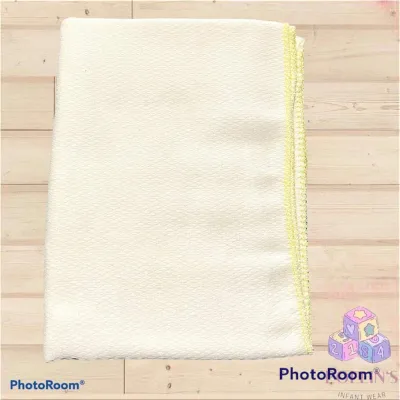
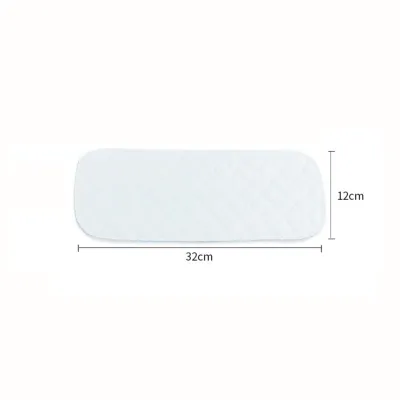

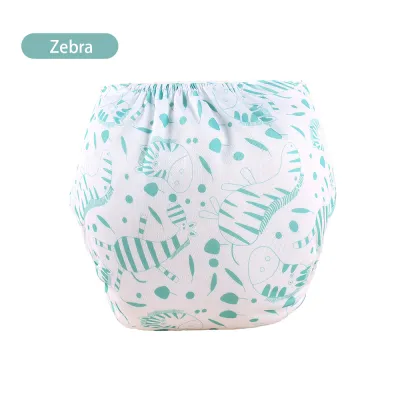
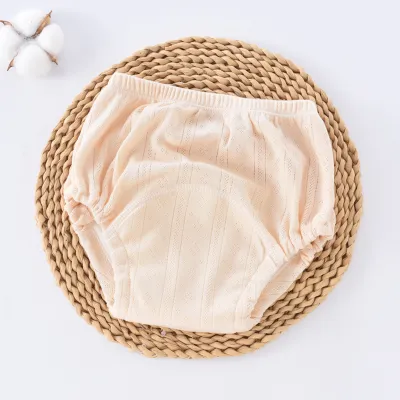
Prices are valid at publication and may change. Please refer to the product page for the latest price.
However, transitioning to cloth diapers requires a realistic understanding of the daily commitment and laundry routines involved. Unlike disposables, cloth diapers must be washed, dried, and prepped for reuse, which increases household water and electricity consumption. In areas with high utility rates or during the rainy season when line-drying becomes more challenging, parents must establish efficient washing schedules. Acknowledging these practical realities beforehand allows you to build a sustainable routine that balances environmental benefits with your family’s daily schedule.
What to Look for in High-Quality Eco-Friendly Cloth Diapers
Selecting the right cloth diaper system involves evaluating several design elements to ensure durability, leak protection, and comfort. The core of any cloth diaper is its absorbency layer, which typically consists of removable inserts or built-in fabric layers. High-quality eco-friendly options prioritize natural fibers over synthetic alternatives. While synthetic materials like microfiber absorb liquid quickly, they are prone to compression leaks when a baby sits down and tend to retain odors over time, especially in warm, humid climates.

The waterproofing mechanism is another critical component to inspect. Most modern cloth diapers utilize a waterproof outer shell made of Polyurethane Laminate (PUL) or Thermoplastic Polyurethane (TPU). These materials are heat-bonded to fabric to create a breathable yet leak-proof barrier. For parents seeking a completely plastic-free option, natural wool covers offer an exceptionally breathable, water-resistant alternative when treated with lanolin. Wool allows air to circulate freely, keeping the diaper area cool and reducing the risk of heat rash in tropical weather.
Closure systems also dictate the diaper’s longevity and ease of use. Snaps are the preferred choice for durability, as they withstand hundreds of wash cycles without losing their grip and prevent older, curious babies from pulling their diapers off. Hook-and-loop closures, similar to Velcro, offer a highly customizable fit that mimics the ease of disposable diapers, making them excellent for caregivers or grandparents. However, hook-and-loop fasteners can collect lint in the wash and may wear out faster than heavy-duty plastic snaps.
Finally, consider the diaper’s adjustability and sizing options. One-size-fits-most (OSFM) diapers feature rows of rise snaps on the front, allowing you to adjust the length and waist as your baby grows from infancy to toddlerhood. Sized diapering systems, on the other hand, require purchasing different sizes as your baby gains weight. While sized systems offer a trim, custom fit at every stage, OSFM designs provide the greatest long-term economic and environmental value by eliminating the need to buy entirely new stashes.
Comparing Natural Fabrics: Which Material Suits Your Baby?
The choice of fabric directly influences how comfortable the diaper is against your baby’s skin and how effectively it manages moisture. Organic cotton is a classic, highly reliable choice for eco-friendly diapering. It is exceptionally breathable, absorbs liquid rapidly, and is highly durable under rigorous washing conditions. Cotton is also widely available and relatively easy to wash, making it an excellent baseline fabric for beginners. However, line-dried cotton can sometimes feel slightly stiff in hot weather, though a quick rub or tumble can soften the fibers.
Bamboo viscose and lyocell are popular for their incredible softness and high liquid retention. Bamboo fibers can hold significantly more moisture than cotton, making them ideal for heavy wetters or longer outings. The fabric remains silky and gentle against sensitive skin even after multiple washes. However, because bamboo holds onto water so efficiently, it takes longer to dry. In humid tropical climates, this extended drying time means you may need a slightly larger stash to ensure you always have clean, dry diapers on hand while others are on the line.
Hemp is the heavy-duty champion of natural diapering fabrics. It is incredibly durable, highly absorbent, and naturally resistant to microbes. Hemp inserts are exceptionally trim, allowing you to boost absorbency without adding excessive bulk to the diaper. Because hemp absorbs liquid slowly but holds a vast amount, it is rarely used alone; instead, it is typically blended with organic cotton. This combination allows the cotton to absorb wetness quickly while the hemp stores it securely, preventing leaks during naps or overnight use.
Wool stands out as a premium, natural alternative for diaper covers. When treated with lanolin—a natural wax found in sheep’s wool—it becomes highly water-resistant while remaining incredibly breathable. Wool covers do not need to be washed after every use; instead, they can be aired out and reused multiple times unless soiled with solids. The lanolin naturally neutralizes odors and moisture. While wool requires specialized hand-washing and periodic re-lanolizing, its temperature-regulating properties make it exceptionally comfortable for babies sleeping in air-conditioned or naturally ventilated rooms.
Building Your Stash: Sizing, Quantities, and Budgeting in ₱
To build a functional cloth diapering system without overspending, you must calculate your required quantities based on your baby’s age and your planned laundry frequency. Newborns typically require 10 to 12 diaper changes per day, while older infants and toddlers average 6 to 8 changes. If you plan to wash your diapers every other day, you will need a stash of at least 20 to 24 diapers to ensure you have enough clean replacements while the dirty ones are in the wash and drying on the line.
Deciding between a dedicated newborn stash and a one-size-fits-most system is a key budgeting decision. Newborn cloth diapers are specifically designed to fit tiny legs and healing belly buttons, but they are quickly outgrown within the first few months. Many budget-conscious parents choose to use eco-friendly disposables or simple flats and covers during the first few weeks, transitioning to an OSFM system once the baby reaches around 4 to 5 kilograms. This strategy minimizes the upfront cost of buying a temporary newborn stash.
When budgeting in Philippine Pesos, a single high-quality pocket diaper or all-in-one diaper can range from ₱300 to over ₱1,500, depending on the brand, materials, and country of origin. While an initial investment of ₱8,000 to ₱20,000 for a complete stash of 20 to 24 diapers may seem high, it represents a one-time expense. In contrast, purchasing disposable diapers over two and a half years can easily exceed ₱40,000 to ₱60,000. This clear financial advantage makes cloth diapering a highly economical choice for growing families.
If a full transition feels overwhelming, consider a hybrid or part-time approach. You do not have to commit to 100% cloth diapering immediately to make a positive environmental impact. Many families choose to use cloth diapers exclusively while at home, where laundry facilities are easily accessible, and rely on eco-friendly disposables during travel, doctor visits, or nighttime. This flexible approach reduces diaper waste significantly while allowing you to adjust to the routine at your own pace.
Where to Buy and How to Verify Eco-Friendly Claims
Sourcing authentic, high-quality cloth diapers requires careful navigation of online marketplaces, official brand stores, and local baby boutiques. While online marketplaces offer a vast selection of affordable options, it is crucial to verify the seller’s reputation and product authenticity. Look for official flagship stores or authorized local distributors to ensure you are purchasing genuine products backed by customer support, rather than cheap counterfeits that may use substandard materials or fail prematurely.
To protect your baby and avoid greenwashing, learn to identify recognized textile certifications on product labels. Certifications such as the Global Organic Textile Standard (GOTS) verify that the organic fibers used in the diaper were grown and processed under strict environmental and social criteria. The OEKO-TEX Standard 100 certification ensures that the finished fabric has been tested for harmful substances and is safe for contact with sensitive infant skin. If a product claims to be organic or chemical-free but lacks these verifiable certifications, proceed with caution.
Always inspect product descriptions carefully for hidden synthetic components. Some manufacturers market their products as “natural bamboo” or “eco-friendly” when only a small percentage of the fabric is natural, with the rest consisting of polyester or microfiber. True eco-friendly diapers will clearly state the exact fabric composition of both the outer shell and the inner inserts. Additionally, check the seller’s return policies and warranty terms, particularly regarding manufacturing defects in the snaps, elastics, or waterproof laminate, to secure your investment.
Frequently Asked Questions (FAQ)
Are Natural Cloth Diapers Better for Sensitive Skin?
Natural fiber cloth diapers, such as those made from organic cotton, bamboo, or hemp, are highly beneficial for babies with sensitive skin. Unlike single-use diapers, which often contain synthetic fragrances, chlorine bleach, and superabsorbent polymers, natural cloth diapers rely on breathable, chemical-free fibers to manage moisture. This superior breathability helps keep the skin cool and dry, significantly reducing the risk of friction-induced irritation and heat rash in warm tropical climates.
To maintain these skin-friendly benefits, it is essential to use a mild, fragrance-free, and eco-friendly detergent that does not leave irritating residues on the fabric. Avoid fabric softeners, which coat the fibers, reduce absorbency, and can irritate delicate skin. If your baby develops a persistent diaper rash or skin irritation that does not improve with frequent changes and gentle washing, stop using cloth diapers temporarily and consult a qualified pediatrician to rule out yeast infections or other underlying dermatological conditions.
How Should You Wash and Maintain Natural Fiber Diapers?
Proper laundering is key to maintaining the absorbency, hygiene, and longevity of natural fiber cloth diapers. Begin by removing solid waste into the toilet; for breastfed infants, solids are water-soluble and can go straight into the wash, but once solids are introduced, a diaper sprayer or fleece liner helps simplify cleanup. Run a short, cold or warm pre-wash cycle with a small amount of detergent to flush out urine and organic matter before the main wash.
For the main wash, use a heavy-duty cycle with warm water and the recommended amount of detergent for your load size. Avoid harsh chemicals, chlorine bleach, and fabric softeners, as these can degrade natural fibers, damage the waterproof PUL laminate, and cause buildup that leads to leaks and odors. Line-drying your diapers in the sun is highly recommended, as natural sunlight acts as a gentle, eco-friendly sanitizer and stain remover. However, avoid exposing the waterproof PUL covers to intense, direct midday sun for extended periods to prevent the laminate from cracking.
Community discussion
Share your experience or ask a question. Comments are reviewed before publication.