
The Short Answer: Which Cream Should You Choose?
Choosing between Drapolene and Sudocrem is not a matter of finding a single, universally superior product. Instead, the right selection depends on your baby’s current skin condition, the severity of the diaper rash, and how the cream’s formulation behaves under specific environmental conditions. Both of these popular options approach skin protection from different angles, making them suitable for distinct stages of diaper care.
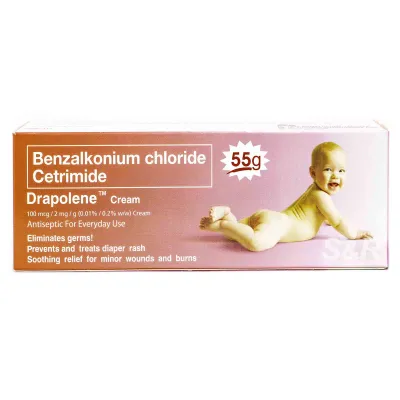
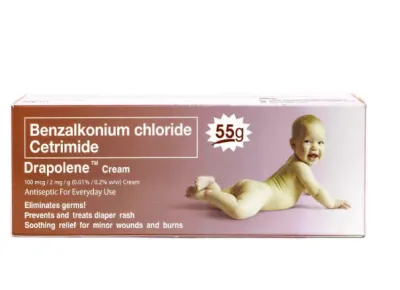
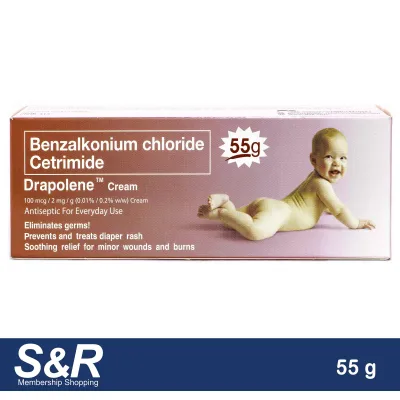
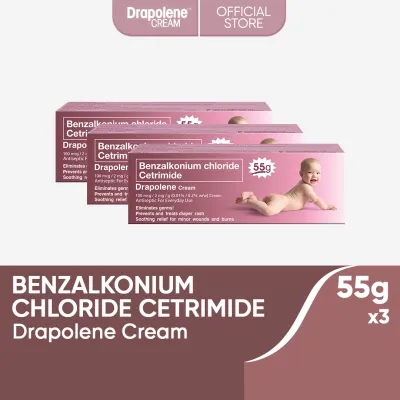
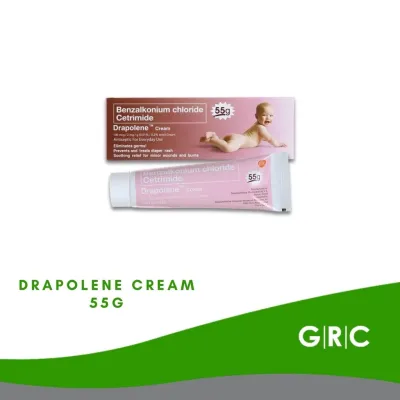
Drapolene is primarily formulated as an antiseptic and soothing cream. It excels at addressing mild skin irritation, calming surface redness, and preventing bacterial growth in minor rashes. Its lighter, water-miscible base makes it easy to spread and quick to absorb, which is highly advantageous during warm days when heavy layers might feel uncomfortable on your baby’s skin.
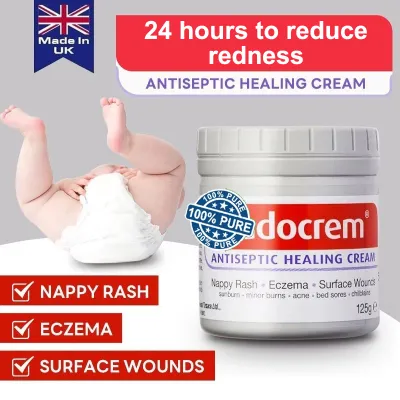
Sudocrem, on the other hand, relies on a high concentration of zinc oxide to create a robust physical barrier. This thick, water-repellent paste is designed to shield the skin from prolonged exposure to wetness, urine, and stool. It is the more appropriate choice for moderate diaper rashes, overnight protection, and instances where a heavy protective layer is necessary to allow compromised skin to heal underneath.
Products mentioned in this guide

Prices are valid at publication and may change. Please refer to the product page for the latest price.
This guide will break down the science behind their ingredients, analyze how their textures perform in the high humidity of the Philippines, and provide a clear decision framework to help you choose the ideal option for your baby’s daily comfort.
Why Tropical Climates Change Diaper Rash Care
Caring for a baby’s skin in a tropical climate like that of the Philippines presents unique challenges that directly influence how diaper creams perform. High ambient temperatures and persistent humidity cause babies to sweat more, particularly in areas covered by a diaper. When sweat mixes with urine and friction from diaper edges, the skin’s natural protective barrier weakens rapidly, making it highly susceptible to irritation.

In humid environments, the breathability of skin care products becomes a critical factor. Extremely thick creams, if applied too heavily, can trap heat and perspiration against the skin, potentially exacerbating heat rash or creating an ideal breeding ground for yeast infections like Candida. Conversely, very thin creams can easily wash away with sweat or urine, leaving the skin completely unprotected within a short period.
Consequently, managing diaper rash in tropical conditions requires a careful balance between moisture protection and skin breathability. While a thick barrier cream is invaluable for overnight use or during severe flare-ups, a lighter, more breathable cream may be more practical for daytime application when diaper changes are more frequent.
Ultimately, no diaper cream can replace the fundamental practices of frequent diaper changes, gentle cleansing, and allowing the skin to air-dry completely. Creams should always be viewed as a supportive barrier rather than a substitute for keeping the diaper area clean and dry.
Drapolene: Formulation, Texture, and Ideal Use
Drapolene is a trusted antiseptic cream designed to treat and prevent minor skin irritations. Its formulation is specifically geared toward neutralizing the chemical irritants found in wet diapers while soothing the underlying skin.
Key Ingredients The active ingredients in Drapolene typically include benzalkonium chloride and cetrimide. These compounds function as mild antiseptics, working to eliminate bacteria that can break down urine into highly irritating ammonia. Additionally, the cream contains emollient agents like cetyl alcohol and lanolin, which help to moisturize and soften the skin. Parents should always inspect the product packaging of the specific tube they purchase to verify the complete ingredient list, especially if their baby has known sensitivities.
Texture and Application Drapolene features a distinct pink tint and a relatively light, creamy consistency. It is water-miscible, meaning it mixes easily with water and can be spread smoothly across irritated skin without requiring heavy pressure. This lightweight texture allows the skin to breathe relatively well, making it highly comfortable for daytime use in warm, humid weather where a heavy paste might feel sticky or suffocating.
Best For This cream is ideal for addressing the earliest signs of diaper rash, such as mild redness, chafing, and superficial irritation. It works exceptionally well as a daily maintenance cream to keep minor redness from developing into a more severe rash. Because it spreads so easily, it is also highly convenient for quick applications during daytime diaper changes.
Limitations Because Drapolene is a lighter cream, it does not form a highly durable, waterproof shield. It can wash away relatively quickly when exposed to heavy wetness or loose stools. For overnight protection or for babies who sleep through the night without a diaper change, Drapolene may not provide a sufficiently long-lasting barrier to prevent urine from contacting the skin for several hours.
Sudocrem: Formulation, Texture, and Ideal Use
Sudocrem is a classic barrier paste known for its heavy-duty protective qualities and its ability to shield highly compromised skin from external moisture.
Key Ingredients The primary active ingredient in Sudocrem is zinc oxide, a well-regarded skin protectant that provides a physical, water-repellent barrier. It also contains lanolin, which acts as an emollient to soothe dry, chafed skin, along with benzyl alcohol, which offers mild local anesthetic and antiseptic properties to help ease discomfort. Because lanolin can occasionally trigger allergic reactions in highly sensitive individuals, parents should monitor their baby’s skin closely during the first few applications.
Texture and Application Sudocrem is a dense, white, paste-like cream that does not easily absorb into the skin. Instead, it is designed to sit on top of the epidermis, forming a visible, waterproof layer. Applying it requires a gentle touch, as dragging the thick paste across already sore skin can cause discomfort. It is highly resistant to being washed away by moisture, ensuring that the protective layer remains intact even during extended periods between diaper changes.
Best For Sudocrem is highly effective for treating moderate diaper rashes where the skin is visibly red, inflamed, or raw. It is the preferred choice for overnight use, as it maintains its protective barrier for many hours, shielding the skin from urine even when the diaper becomes saturated. It also provides excellent protection during episodes of diarrhea, when highly acidic stools can rapidly damage the skin.
Limitations The primary drawback of Sudocrem in tropical climates is its heavy, occlusive texture. If applied in thick layers during hot, humid days, it can trap heat and sweat against the skin, which may lead to prickly heat or worsen yeast-related rashes. Additionally, because it is highly water-resistant, removing the residue during diaper changes requires careful, gentle cleansing to avoid irritating the skin through excessive rubbing.
Head-to-Head Comparison: Key Differences
To help you decide which product fits your baby’s current needs, it is helpful to contrast their physical characteristics and primary functions side-by-side.
| Comparison Dimension | Drapolene | Sudocrem |
|---|---|---|
| Primary Active Approach | Antiseptic and soothing (Benzalkonium chloride, Cetrimide) | Physical moisture barrier (Zinc Oxide) |
| Texture and Consistency | Light, pink-tinted cream; water-miscible | Thick, white paste; water-resistant |
| Ease of Cleaning | Very easy; washes off easily with water | Requires gentle wiping with oil or baby wash |
| Ideal Rash Severity | Mild redness, chafing, and daily prevention | Moderate redness, raw skin, and overnight protection |
| Suitability for Humidity | High; allows skin to breathe during hot days | Moderate; must be applied thinly to avoid trapping sweat |
Moisture Blocking vs. Skin Soothing The fundamental difference between these two products lies in how they interact with moisture. Sudocrem excels at blocking external moisture entirely, making it a superior shield against wetness. Drapolene, conversely, focuses on neutralizing the bacterial activity that causes irritation while delivering light, soothing hydration to the skin’s surface.
Performance in Humidity In the intense humidity of the Philippines, these textures behave very differently. Drapolene’s lighter formulation is less likely to trap heat, but it may require more frequent reapplication as sweat and movement wear it away. Sudocrem stays put much longer, but parents must apply it in a very thin, semi-translucent layer rather than a thick white cake to ensure the skin does not become overheated and sweaty underneath the barrier.
Staining and Cleanup From a practical standpoint, Drapolene is significantly easier to clean off both your baby’s skin and your own hands. It washes away cleanly with standard baby wipes or water. Sudocrem, due to its high zinc oxide content, can leave a persistent white residue on skin, clothing, and cloth diapers. This residue requires a dedicated, gentle cleaning routine to ensure it does not build up over multiple diaper changes.
Decision Guide: Choose Drapolene or Sudocrem?
Selecting the right cream involves matching the product’s strengths to your baby’s current skin condition and your daily routine.
Choose Drapolene if:
- Your baby is experiencing mild skin redness, minor chafing, or early signs of irritation.
- You prefer a lightweight, non-greasy cream that is easy to apply and wash off during daytime diaper changes.
- You are looking for an everyday preventative cream that keeps the skin clean and sanitized without leaving a heavy residue.
- The weather is exceptionally hot and humid, and you want to avoid heavy, occlusive pastes during the daytime.
Choose Sudocrem if:
- Your baby has a moderate, established diaper rash with distinct areas of red, inflamed, or raw skin.
- You need a heavy-duty barrier cream to protect your baby's skin during long overnight stretches.
- Your baby is experiencing diarrhea, which requires a highly water-resistant barrier to protect against acidic stools.
- You want a thick, protective shield that will not easily rub off onto the diaper material.
Neither May Fit if:
- The diaper rash is weeping, bleeding, peeling, or displaying signs of a secondary infection such as pus-filled blisters or a bright red rash with distinct "satellite" spots (which often indicates a yeast infection).
- The rash does not improve after several days of consistent care, or is accompanied by a fever or extreme fussiness.
- In these situations, you should stop using over-the-counter barrier creams immediately and consult a pediatrician for a targeted medical treatment, which may include antifungal or prescription antibacterial ointments.
Verify First if:
- Your baby has highly sensitive skin or known allergies to specific cosmetic ingredients, such as lanolin or synthetic fragrances.
- Always perform a patch test by applying a tiny amount of the cream to a small, unaffected area of your baby's skin (such as the inner arm) and monitoring it for 24 hours for any signs of redness or irritation before applying it to the diaper area.
- Check the manufacturer's packaging for specific age guidelines, storage instructions, and expiration dates to ensure the product remains safe and effective.
Safe Application and When to Consult a Pediatrician
The effectiveness of any diaper rash cream depends heavily on how it is applied. Proper skin preparation and application techniques ensure that the cream protects the skin rather than trapping harmful moisture underneath.
Preparation Never apply diaper cream to skin that is dirty, damp, or sweaty. Applying a barrier cream over wet skin traps moisture directly against the epidermis, which can worsen irritation and encourage bacterial or fungal growth. Always clean the diaper area gently using alcohol-free, fragrance-free baby wipes or, ideally, warm water and a mild baby cleanser. After washing, gently pat the skin dry with a clean, soft towel, or let it air-dry completely for a few minutes before proceeding.
Application Technique When applying diaper cream, less is often more. For Drapolene, smooth a thin layer over the affected areas until it is mostly absorbed. For Sudocrem, apply a very thin, semi-translucent layer over the skin rather than a thick, opaque white coating. Avoid rubbing or massaging the cream aggressively into irritated skin; instead, use light, dabbing motions to minimize friction on sore areas.
Red Flags for Medical Attention While most mild diaper rashes resolve with proper home care within a few days, you must monitor the area closely for signs of complications. Stop home treatment and consult your pediatrician immediately if you observe any of the following:
- A rash that persists or worsens after three to four days of consistent treatment.
- The appearance of blisters, pimples, pus-filled bumps, or open sores.
- A bright red, raw rash that spreads significantly beyond the diaper area to the abdomen or thighs.
- The baby develops a fever, becomes unusually lethargic, or cries in severe pain during diaper changes.
Disclaimer: This guide is intended for informational purposes only and does not constitute professional medical advice, diagnosis, or treatment. Always consult a qualified healthcare professional regarding any medical concerns or conditions.
Frequently Asked Questions (FAQ)
Can I use Drapolene and Sudocrem together?
Layering Drapolene and Sudocrem together is generally not recommended. Mixing an antiseptic cream with a heavy zinc oxide paste can interfere with how both products adhere to the skin and may compromise their individual effectiveness. Instead of combining them, it is more effective to use them at different times—such as applying the lighter Drapolene during daytime diaper changes and using the thicker Sudocrem for overnight protection.
How do I safely remove thick zinc oxide cream without scrubbing?
To remove stubborn zinc oxide residue without irritating your baby’s skin, avoid harsh scrubbing with dry wipes or towels. Instead, apply a few drops of a mild, baby-safe mineral or coconut oil to a soft cotton pad or a damp cloth, and gently wipe the area. The oil will naturally dissolve the water-resistant zinc barrier, allowing you to clean the skin smoothly and with minimal friction.
Are these creams safe for newborns?
While both Drapolene and Sudocrem are widely used, a newborn’s skin is exceptionally thin, highly permeable, and sensitive. Before applying any medicated or heavy barrier cream to a newborn, always read the manufacturer’s product label carefully for age-specific safety warnings. It is highly recommended to consult your pediatrician first to determine the safest and most appropriate diaper care routine for your newborn’s delicate skin.
Community discussion
Share your experience or ask a question. Comments are reviewed before publication.