
In the hot and humid climate of the Philippines, diaper rash is a frequent challenge for parents. Deciding between Drapolene and other diaper rash creams depends primarily on your baby’s current skin condition and whether your immediate goal is daily prevention or treating active irritation. Drapolene is highly regarded for its dual-action formulation that combines mild antiseptic properties with soothing emollients, making it an excellent choice for addressing early-stage redness and keeping the diaper area clean. Conversely, heavy-duty barrier creams—typically formulated with high concentrations of zinc oxide or petrolatum—are generally preferred when you need a thick, physical shield against constant moisture, particularly during long overnight stretches.
While over-the-counter creams are highly effective for mild to moderate irritation, they are not a substitute for professional medical advice. If your baby’s diaper rash becomes severe, starts bleeding, develops pus-filled blisters, or is accompanied by a fever, stop using these products immediately and consult a pediatrician. Always check the manufacturer’s packaging for specific age recommendations, usage instructions, and safety warnings before applying any product to your baby’s delicate skin.
Understanding Diaper Cream Ingredients: What to Check on the Label
Navigating the baby care aisle can be overwhelming with dozens of formulations claiming to be the best. To make an informed decision, you must look past the branding and understand the functional roles of the active ingredients listed on the back of the packaging.
Products mentioned in this guide
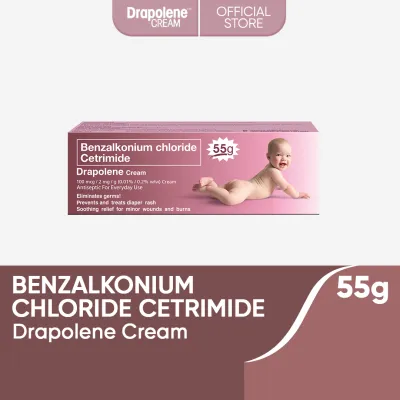
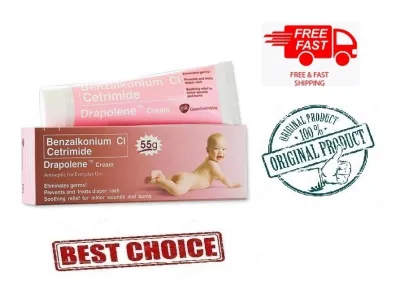
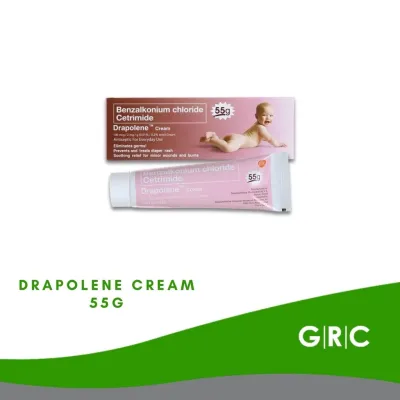
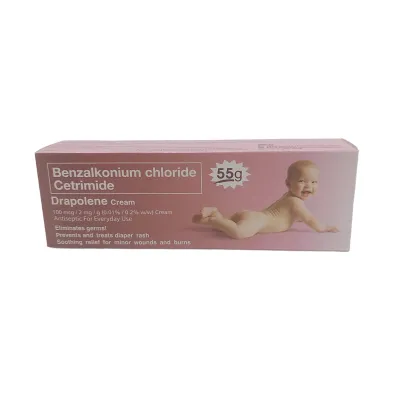
Prices are valid at publication and may change. Please refer to the product page for the latest price.
Barrier Agents (e.g., Zinc Oxide, Petrolatum)
Barrier agents serve as a physical shield between your baby’s skin and the harsh environment inside a diaper. Insoluble in water, these ingredients sit on top of the stratum corneum (the outermost layer of the skin) to block moisture, friction, and the irritating enzymes found in urine and stool.
Zinc Oxide: This is the gold standard for physical barrier protection. It is highly effective at reflecting moisture away from the skin. High concentrations of zinc oxide (typically between 12% and 40%) are commonly found in therapeutic pastes designed to treat active, moderate-to-severe diaper rash. Lower concentrations (around 10% or less) are often used in daily preventative creams.
Petrolatum: Commonly known as petroleum jelly, petrolatum is a highly effective occlusive agent. It prevents transepidermal water loss, keeping the skin hydrated while blocking external irritants. It is a popular choice for daily maintenance due to its simple, low-allergen profile.
Emollients and Soothers (e.g., Lanolin, Botanical Extracts)
While barrier agents block external moisture, emollients work to repair and condition the skin itself. They fill the microscopic gaps in dry or compromised skin, restoring its natural flexibility and softness.
Lanolin: A deeply moisturizing, natural emollient that closely mimics the skin’s natural lipids. It helps to soothe irritated tissues and accelerate the skin’s natural healing process. However, because lanolin is derived from sheep’s wool, parents should monitor their babies for any signs of wool or lanolin sensitivity, especially if the baby has a history of eczema.
Botanical Extracts: Ingredients like aloe vera, chamomile, and calendula are frequently added to diaper creams for their natural anti-inflammatory and calming properties. When choosing a product with botanical extracts, verify that it is free from artificial fragrances, which can further irritate compromised skin.
Antiseptic and Antimicrobial Agents
Some specialized diaper creams, including Drapolene’s traditional formulation, incorporate mild antiseptic agents to address the microbial challenges of the diaper environment.
Benzalkonium Chloride and Cetrimide: These are mild antiseptics commonly found in Drapolene. They work by inhibiting the growth of bacteria and fungi that thrive in warm, damp environments. In a tropical country like the Philippines, high humidity and heat accelerate the breakdown of urine into ammonia, which highly irritates baby skin. Antiseptic agents help sanitize the area and prevent secondary bacterial infections from taking hold in chafed skin.
Always check the product label of the specific tube you purchase to verify the exact active ingredients and concentrations. Manufacturers occasionally update their formulations, and regional variations may exist.
Drapolene vs. Standard Barrier Creams: How They Compare
To help you visualize the differences between Drapolene and standard zinc oxide or petrolatum-based barrier creams, use this comparative overview based on typical product profiles and label instructions:

| Feature | Drapolene (Verify on Label) | Standard Zinc Oxide/Petrolatum Creams |
|---|---|---|
| Primary Function | Antiseptic action combined with light emollient hydration to soothe and sanitize. | Heavy-duty physical barrier to block moisture, urine, and fecal enzymes. |
| Texture & Spreadability | Smooth, pinkish cream that is easy to spread thinly without dragging the skin. | Thick, dense, white paste or greasy ointment that requires gentle patting. |
| Best Use Case | Mild irritation, early-stage redness, and daytime diaper changes. | Severe rash, overnight protection, heavy wetters, and diarrhea episodes. |
| Cleanup & Staining | Washes off easily with water; low risk of stubborn fabric staining. | Can be difficult to wipe off completely; may leave white residue on cloth diapers or clothing. |
Texture and Application Experience
The physical texture of a diaper cream significantly impacts how easy it is to apply and clean up during daily changes. Drapolene’s lighter, cream-based consistency allows caregivers to apply a thin, even layer quickly. This is particularly advantageous when a baby’s skin is tender and highly sensitive to touch, as it minimizes the friction required to spread the product.
Standard zinc oxide pastes, especially those with high concentrations, are notoriously thick and sticky. While this heavy texture is precisely what allows them to stay in place under a wet diaper for hours, it can make cleanup more challenging. Removing these thick pastes often requires a gentle oil-based cleanser or warm water on a soft cloth to avoid harsh rubbing, which can damage healing skin.
Budget and Value Evaluation in the Philippines
When managing baby care expenses in the Philippines, it is important to evaluate the cost-effectiveness of diaper creams by comparing the price per gram rather than just the initial shelf price. Diaper care products are available across local drugstores, supermarkets, and trusted e-commerce platforms in various packaging sizes.
Tubes: Smaller tubes (typically 50g to 100g) are highly portable and convenient for diaper bags. However, they usually carry a higher price per gram. Drapolene is commonly sold in tubes, making it easy to dispense hygienically.
Tubs: Larger tubs (ranging from 150g to 450g) of standard barrier creams or petroleum jelly generally offer the best long-term value for daily home use. If you plan to use a barrier cream at every single diaper change, purchasing a larger tub is highly economical. When using a tub, always use clean hands or a spatula to prevent contaminating the remaining product.
How to Choose Based on Your Baby's Skin and Your Budget
Every baby’s skin reacts differently to environmental factors, moisture, and topical ingredients. Use this practical decision framework to choose the most suitable product for your baby’s needs and your household budget.
Choose Drapolene (or Similar Antiseptic/Emollient Creams) If…
- Early Redness Occurs: Your baby is showing initial signs of mild chafing or pinkness, and you want to soothe the skin before it develops into a severe rash.
- You Value Easy Application: You prefer a lighter cream that spreads effortlessly during quick daytime diaper changes without leaving a thick, sticky residue.
- Sanitization is Needed: You want a formulation that helps keep the skin clean and protected from bacterial breakdown of urine, which is especially common during hot, humid afternoons.
Choose a High-Zinc Oxide Barrier Cream If…
- Overnight Protection is Required: Your baby sleeps through the night, and you need a reliable, long-lasting physical barrier that won't wear off after several hours of wetness.
- Severe Moisture Buildup Exists: Your baby is a heavy wetter, or you are managing frequent liquid stools during teething or mild digestive upsets.
- A Visible Shield is Preferred: You want to see a clear, physical layer of white paste protecting the skin from direct contact with diaper contents.
- Budget is a Priority: You prefer buying large, cost-effective tubs of standard barrier creams that last for several months of daily preventative use.
Choose a Minimal-Ingredient Ointment If…
- Highly Reactive Skin or Eczema: Your baby has extremely sensitive skin, eczema, or known allergies to fragrances, preservatives, or lanolin.
- Daily Prevention on Intact Skin: You only need a simple, low-risk moisture blocker like pure petrolatum to maintain healthy skin barrier function without active therapeutic ingredients.
Verify First and Consult a Pediatrician If…
- Potential Infections: The rash is bright red, features defined borders, or has small, red "satellite" spots spreading toward the thighs or abdomen, which are common signs of a yeast infection (Candida) that requires a specific antifungal treatment.
- No Improvement: The rash does not show signs of improvement after three to four days of consistent over-the-counter treatment.
- Severe Symptoms: The skin is broken, bleeding, oozing, or accompanied by a fever, which indicates a potential secondary bacterial infection requiring prescription medical intervention.
Safe Application and Daily Prevention Steps
Regardless of which diaper cream you choose, correct application and consistent hygiene practices are essential to achieving the best results and keeping your baby comfortable.
The "Clean and Completely Dry" Rule
Applying any diaper cream or barrier ointment over trapped moisture can worsen skin irritation. In humid tropical conditions, sweat and residual moisture from wipes can easily get locked beneath a water-resistant barrier, creating a breeding ground for bacteria and yeast.
Always clean the diaper area gently with alcohol-free, fragrance-free wipes or plain warm water. Afterward, use a clean, soft cloth to gently pat the skin completely dry. Whenever possible, allow the skin to air-dry for a few minutes before applying any product.
Application Thickness Guidelines
Match your application technique to the type of product you are using:
- For Drapolene and Emollients: Apply a thin, even layer over the affected areas as directed by the product label. Because these creams are designed to absorb and soothe, a thick cake of cream is unnecessary and may prevent the skin from breathing.
- For Thick Zinc Oxide Pastes: Apply a generous, visible layer resembling cake frosting over the areas prone to wetness. This thick layer is necessary to ensure the physical barrier remains intact even after the diaper absorbs urine.
Gentle Removal Techniques
When cleaning your baby during a diaper change, do not scrub aggressively to remove leftover white paste or cream. Harsh rubbing damages the fragile, healing epidermal layer.
Instead, use a soft cotton ball or wipe saturated with a small amount of baby oil or plain water. The oil will naturally dissolve the stubborn zinc oxide or petrolatum barrier, allowing you to wipe it away effortlessly and gently.
Incorporate Diaper-Free Time
One of the most effective ways to prevent and heal diaper rash is to eliminate friction and moisture entirely for short periods. Lay a waterproof sheet or a large towel on the floor and let your baby kick diaper-free for 10 to 15 minutes daily. Exposure to fresh air dramatically accelerates skin recovery and keeps the skin dry naturally.
Frequently Asked Questions (FAQ)
Can I layer Drapolene with a zinc oxide barrier cream?
No, you should avoid layering multiple active diaper creams or mixing different formulations unless specifically instructed to do so by your pediatrician. Layering can trap moisture and active ingredients between the different product levels, potentially causing skin irritation or unexpected chemical interactions. Furthermore, a greasy barrier cream applied over Drapolene may prevent the antiseptic and emollient ingredients from contacting and soothing the skin properly. Stick to one primary product per diaper change based on your baby’s immediate skin needs.
How many days can I use a diaper rash cream before seeing a doctor?
You can typically use an over-the-counter diaper rash cream for three to four days while monitoring your baby’s skin closely. If you do not observe a visible improvement, if the redness spreads, or if your baby shows signs of significant discomfort or pain during diaper changes, stop using the product and consult a healthcare professional. A persistent rash may indicate a yeast or bacterial infection that requires a targeted prescription treatment rather than a standard over-the-counter barrier cream.
Community discussion
Share your experience or ask a question. Comments are reviewed before publication.