
Quick Answer: When to Use Drapolene for Diaper Rash
Diaper rash is a common challenge for parents in the Philippines, where the year-round tropical heat and high humidity can rapidly turn a tiny bit of moisture into a painful, red irritation. When looking for a solution, you will likely encounter Drapolene cream on the shelves of local pharmacies or online marketplaces. Understanding exactly when to reach for this specific cream—and when to choose a different type of treatment—is key to keeping your baby’s skin healthy and comfortable.
Drapolene cream is formulated to soothe mild, early-stage diaper rash and provide mild antiseptic protection. It is designed to be absorbed into the skin, helping to calm minor redness and irritation caused by friction or brief exposure to wetness. This makes it highly effective for daily, light-duty care when you first notice your baby’s skin becoming slightly pink.
However, it is important to understand what Drapolene is not. It is not a heavy physical barrier cream, such as thick zinc oxide pastes or pure petroleum jelly, which are designed to block heavy moisture from reaching the skin. It is also not an antifungal or antibacterial prescription medication, meaning it cannot cure yeast infections or severe bacterial complications. The right choice for your baby depends entirely on the rash’s current severity, the underlying cause, and whether your immediate goal is prevention, soothing, or medical treatment.
Products mentioned in this guide

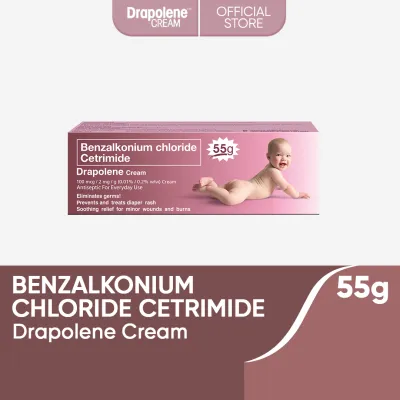
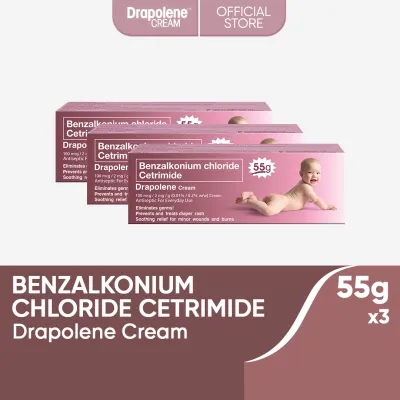
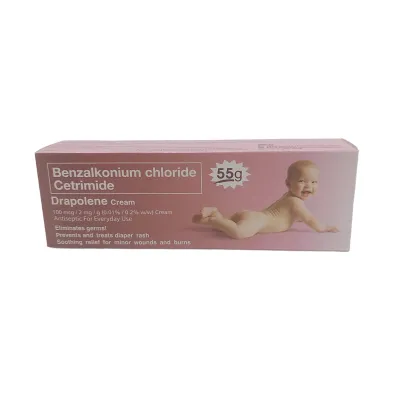
Prices are valid at publication and may change. Please refer to the product page for the latest price.
How Drapolene Cream Works on Irritated Skin
To make an informed decision, you need to understand how Drapolene interacts with your baby’s delicate skin barrier. Unlike thick, pasty ointments that sit on top of the skin like a shield, Drapolene is a water-miscible cream. This means it is formulated to be gently rubbed in and absorbed, delivering its active ingredients directly into the upper layers of the epidermis to soothe irritation from within.

The primary role of this cream is to provide mild antibacterial and antiseptic action while calming minor redness. In a tropical environment like the Philippines, sweat and trapped diaper moisture can easily break down the skin’s natural defenses, allowing common skin bacteria to cause low-grade irritation. The mild antiseptic properties in Drapolene help clean the micro-environment of the skin, reducing the risk of minor bacterial colonization without being overly harsh or drying.
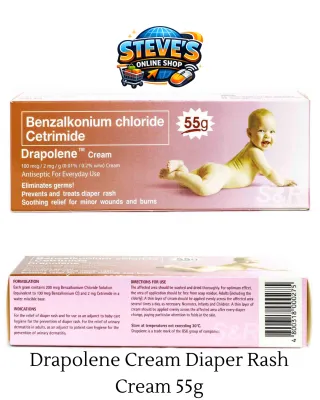
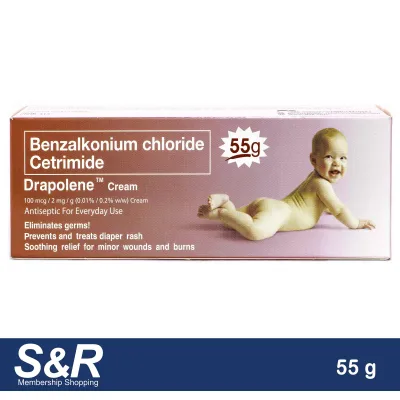
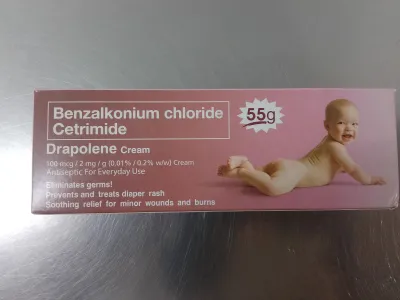
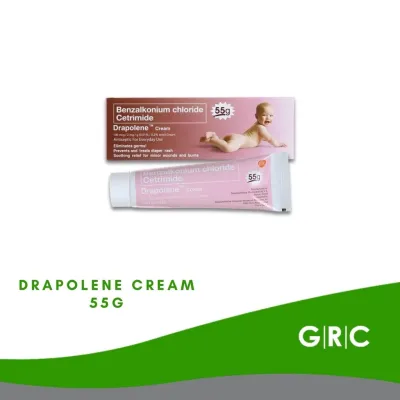
Because formulations can vary by region and product line, parents must always read the specific product label to verify the exact active ingredients, age recommendations, and manufacturer warnings. Generally, Drapolene formulations contain active antiseptic agents such as benzalkonium chloride and cetrimide, combined with a soothing emollient base. Checking the packaging ensures you are aware of any specific usage limits or potential allergens that might affect your baby’s unique skin profile.
This absorbing mechanism makes the cream highly suitable for active daytime use. Because it does not leave a thick, sticky residue, it allows the skin to breathe relatively well in hot weather while still receiving soothing care. It is best used when the skin is slightly red, warm, or irritated from minor friction or brief moisture exposure, such as during a long car ride or a warm afternoon nap.
Conversely, this absorption quality means it is not the ideal choice for severe, raw, or weeping skin. When the skin barrier is completely broken down, rubbed-in creams can sometimes cause stinging or further irritation. For raw or bleeding rashes, a different category of treatment that provides a non-absorbing, protective shield is typically required to allow the underlying tissue to heal without interference.
Drapolene vs. Other Diaper Rash Treatment Categories
Navigating the baby care aisle can be overwhelming with dozens of tubes claiming to solve diaper rash. To choose effectively, you must categorize these products by how they work and match them to your baby’s current skin condition.
Barrier Creams (Zinc Oxide and Petroleum Jelly)
Physical barrier creams operate on an entirely different principle than absorbing creams like Drapolene. Products containing high concentrations of zinc oxide or petroleum jelly are designed to sit permanently on top of the skin, creating a thick, waterproof shield. This physical barrier prevents urine, stool, and enzymes from ever making direct contact with the baby’s skin.
This blocking mechanism makes barrier creams superior for heavy wetness, overnight protection, and prevention. During the night, when diaper changes are less frequent, a thick layer of zinc oxide paste ensures that even if the diaper becomes saturated, the skin remains dry underneath. It is also the preferred choice when your baby is experiencing diarrhea, as digestive enzymes in loose stools are highly corrosive to delicate skin and must be physically blocked.
In contrast, Drapolene is geared toward soothing existing mild irritation rather than acting as a heavy-duty physical block. While it offers some light protective qualities due to its emollient base, it will not withstand hours of heavy moisture exposure the way a thick zinc oxide paste does.
The application technique also differs significantly between these two categories. Barrier creams must be applied thickly—often compared to frosting a cake—so that the skin underneath is completely invisible. Soothing creams like Drapolene, however, are typically rubbed in gently and sparingly until they are absorbed, leaving no visible layer on the skin surface.
Antifungal and Medicated Treatments
When a diaper rash refuses to clear up with standard hygiene and soothing creams, the culprit is often a fungal infection rather than simple diaper irritation. The warm, dark, and humid environment inside a diaper is the perfect breeding ground for Candida, a type of yeast that naturally lives on the body but can multiply rapidly under tropical conditions.
A yeast infection presents differently than standard friction rash. It typically appears as a bright red, raw rash with sharply defined borders, often accompanied by small, raised red bumps called “satellite lesions” spreading outward from the main red patch. This type of rash is highly uncomfortable and will not respond to standard soothing creams or physical barriers.
Treating a yeast-related diaper rash requires specific antifungal creams, which are medicated treatments that must be used under pediatric guidance. Drapolene does not contain antifungal agents and cannot treat a yeast infection. Applying a standard soothing cream or a heavy barrier cream over a fungal infection can actually trap moisture and warmth, potentially worsening the infection and delaying proper medical recovery.
Similarly, severe inflammatory rashes that are extremely raw, bleeding, or accompanied by eczema flare-ups may require mild topical steroids. These are highly active medications that should only be applied under direct instructions from a qualified healthcare professional. Understanding these distinctions prevents parents from using the wrong product and ensures that babies receive targeted, effective relief.
Decision Guide: Matching the Cream to Your Baby's Rash
To help you decide which product to purchase or apply, it is helpful to use a structured decision framework based on the observable symptoms on your baby’s skin.
Choose Drapolene if:
- The skin in the diaper area is mildly pink or slightly red, but not raw or bleeding.
- The irritation is primarily due to minor friction from diaper edges or brief exposure to wetness.
- You need an easily absorbed cream that soothes the skin during daytime hours without leaving a thick, sticky residue.
- You want to provide mild antiseptic care to prevent minor bacterial irritation.
Choose a Barrier Cream (Zinc Oxide/Petroleum) if:
- You are trying to prevent diaper rash before it starts, especially during long sleep stretches.
- Your baby is experiencing heavy drool, frequent wetness, or diarrhea.
- You need a thick physical shield to protect the skin from overnight moisture.
- The skin is intact but constantly exposed to wet diapers.
Seek Medical Advice / Choose Antifungals if:
- The rash is bright red, hot to the touch, or has raised bumps and satellite spots.
- The skin is broken, bleeding, oozing, or showing signs of peeling.
- The rash has not improved or has worsened after three to four days of consistent care.
- Your baby shows signs of severe pain, cries uncontrollably when the area is touched, or becomes unusually lethargic.
The following table summarizes these common diaper area conditions, the recommended treatment category, and the primary action required to resolve the issue:
| Rash Type / Skin Condition | Best Treatment Category | Primary Action |
|---|---|---|
| Mild Irritation (Slight redness, chafing, early-stage pinkness) | Soothing & Antiseptic Cream (e.g., Drapolene) | Calm irritation, absorb quickly, and provide mild antiseptic protection. |
| Heavy Moisture Exposure (Overnight use, prevention, diarrhea episodes) | Physical Barrier (Zinc Oxide or Petroleum Jelly) | Block urine, stool, and friction by creating a thick, waterproof shield. |
| Suspected Yeast Infection (Bright red, satellite spots, rash in skin folds) | Antifungal Cream (Pediatric prescription) | Eliminate fungal growth and treat the underlying infection. |
| Severe Inflammation (Bleeding, oozing, extreme raw patches) | Medicated / Professional Treatment | Reduce severe inflammation and repair deep skin barrier damage under medical supervision. |
Safe Application Steps and Warning Signs
No matter which cream you choose, the effectiveness of the treatment depends heavily on how it is applied. Proper hygiene and application techniques are critical to preventing further skin breakdown, especially in hot, humid climates.
The first step is always to cleanse the diaper area gently. Avoid rubbing or scrubbing the skin, as this can worsen friction damage. Instead, use lukewarm water and a soft cloth, or high-quality, fragrance-free, alcohol-free baby wipes. If the skin is already irritated, rinsing the area under a gentle stream of water is often the most comfortable option for your baby.
Once clean, you must pat the skin completely dry before applying any cream. Never rub the skin dry with a towel. In the Philippines’ humid climate, moisture can easily linger in the deep folds of a baby’s thighs and groin. Applying Drapolene or any barrier cream over damp skin is highly counterproductive, as it traps that moisture directly against the skin, creating an ideal environment for bacteria and yeast to multiply.
Caregivers must also practice strict hand hygiene. Always wash your hands thoroughly with soap and water both before and after applying diaper cream. This simple step prevents the introduction of new bacteria to your baby’s sensitive skin and stops the spread of any potential pathogens to other surfaces or family members.
While home care is highly effective for mild diaper rash, you must remain vigilant for warning signs that indicate a more serious issue. Stop using home treatments and visit your pediatrician immediately if you notice any of the following red flags:
- A fever or general signs of illness in your baby.
- Blisters, pus-filled pimples, or yellow crusting on the rash.
- Bleeding, open sores, or oozing fluid.
- The rash spreads significantly beyond the diaper area to the abdomen or back.
- Your baby shows signs of severe pain, cries uncontrollably when the area is touched, or becomes unusually lethargic.
If a mild rash does not show clear signs of improvement within three to four days of consistent hygiene and diaper cream application, professional evaluation is necessary. A pediatrician can accurately diagnose the underlying cause and prescribe targeted medications to ensure your baby’s comfort and health.
Frequently Asked Questions (FAQ)
Can I use Drapolene cream on a newborn?
Parents should strictly check the specific product label for age restrictions before use. It is highly recommended to consult a pediatrician before applying any antiseptic or medicated cream on newborns under 28 days old. A newborn’s skin is exceptionally thin, highly permeable, and still developing its natural protective barrier, making it far more susceptible to irritation or systemic absorption of active ingredients.
Should I apply Drapolene over or under a barrier cream?
If you are layering products, the general dermatological principle is to apply treatment or soothing products directly to clean, dry skin first, followed by a physical barrier cream to seal it in and block external moisture. However, because layering can sometimes trap unwanted moisture or interfere with how active ingredients absorb, always follow the specific manufacturer’s instructions on the Drapolene packaging or consult your pediatrician. In many cases, it is more effective to use them at different times, such as Drapolene during the day and a barrier cream at night.
How long does it take for Drapolene to clear a diaper rash?
For mild, early-stage diaper rashes, you may begin to see visible improvement within a few days when the cream is paired with frequent diaper changes, gentle cleansing, and thorough air drying. If there is no visible improvement after three to four days of consistent care, or if the rash worsens at any point, stop using the cream immediately. Consult a healthcare professional to rule out more complex issues, such as fungal or bacterial infections that require prescription-strength treatments.
Community discussion
Share your experience or ask a question. Comments are reviewed before publication.