
Quick Answer: Is Dr Isla the Right Breast Pump for You?
Choosing a breast pump in the Philippines is a deeply personal decision that depends heavily on your daily routine, physical comfort, and long-term breastfeeding goals. Dr Isla has gained significant popularity on local online marketplaces as a highly accessible, budget-friendly option that offers strong suction and portable designs. However, whether it is the right choice for you depends on how you plan to use it and what features you prioritize for your milk expression journey.
Consider Dr Isla if you are looking for an affordable entry-point pump, require highly adjustable suction settings, and prefer a lightweight, portable unit for occasional to moderate use. On the other hand, you may want to invest in an established premium global brand if you require extensive local warranty support, ultra-quiet motors for shared office environments, or specialized, medically validated flange systems. Ultimately, no single brand is universally superior; the best pump is the one that fits your body comfortably and supports your specific pumping frequency without causing physical strain.
Key Dimensions for Comparing Dr Isla to Other Brands
When evaluating Dr Isla against other popular breast pump brands in the Philippines, it is helpful to look past marketing claims and focus on the core technical and physical dimensions that directly affect your daily pumping experience. Understanding these criteria will help you compare different models objectively.
Products mentioned in this guide
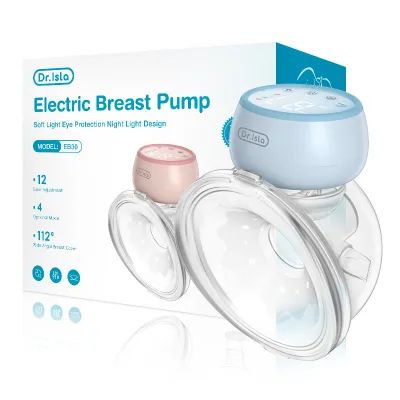
Prices are valid at publication and may change. Please refer to the product page for the latest price.

Suction Strength and Modes
Breast pumps generally fall into two categories: hospital-grade pumps and personal-use pumps. Hospital-grade pumps feature heavy-duty motors designed for multiple users and are highly effective at initiating and maintaining milk supply, while personal-use pumps are designed for portability and individual use. When comparing brands, look closely at the specified suction range, typically measured in millimeters of mercury (mmHg), and the variety of available modes.
Most modern electric pumps offer at least two phases: a stimulation or massage mode and an expression mode. The stimulation mode uses fast, shallow cycles to mimic a baby’s initial nursing pattern, which triggers the let-down reflex. The expression mode then transitions to slower, deeper cycles to draw out the milk efficiently. While some budget-friendly brands like Dr Isla offer multiple levels of suction, a higher number of modes does not automatically guarantee better results. The key is finding a pump that offers a gentle transition and customizable settings that match your body’s natural response.
Portability and Power Source
For working mothers in the Philippines, portability is a major consideration. Navigating daily commutes, traffic, and varying office setups requires a pump that is easy to pack and transport. Consider whether you need a traditional double electric pump, which has a separate motor unit connected by tubing, or a wearable, hands-free pump that fits entirely inside your nursing bra.
Additionally, pay close attention to the power source. Pumps equipped with built-in rechargeable lithium-ion batteries offer the freedom to pump without being tethered to a wall outlet. USB charging compatibility, especially via standard Type-C ports, is highly practical for charging your pump in the car, via a power bank, or at an office workstation. This feature also provides peace of mind during occasional power interruptions or brownouts, ensuring you can maintain your pumping schedule without disruption.
Flange Sizing and Comfort
The flange, or breast shield, is the funnel-shaped component that places direct suction on your breast. Even the most powerful motor will fail to express milk efficiently if the flange does not fit your anatomy correctly. An improperly sized flange can cause painful friction, tissue damage, and blocked milk ducts, which can ultimately lead to mastitis and a decrease in milk supply.
When comparing Dr Isla to premium brands, check the availability of different flange sizes. Premium brands often provide a wide range of flange diameters (such as 19mm, 21mm, 24mm, 27mm, and 30mm) or include soft silicone massage inserts to enhance comfort. If a brand only offers a single standard size, verify whether you can purchase compatible third-party inserts or alternative flanges that match your measurements.
Noise Level and Discretion
If you plan to pump at your workplace, in shared public spaces, or in the middle of the night next to a sleeping baby, the noise level of the pump motor is crucial. A loud, vibrating motor can make pumping stressful, and stress physically inhibits the release of oxytocin, the hormone responsible for milk let-down.
While manufacturers often list decibel levels, real-world noise can vary. Wearable pumps are generally designed to be more discreet, but some budget models may still produce a noticeable humming or mechanical sound. Reading user feedback specifically regarding motor noise can help you gauge whether a particular pump will offer the level of discretion you require for your daily environment.
Evaluating Dr Isla: Features and Claims to Verify
Before purchasing a Dr Isla breast pump, it is important to critically assess its specific features, build quality, and after-sales support to ensure it meets your expectations for safety, hygiene, and durability.
Suction Performance and Safety
Dr Isla pumps are frequently recognized for their robust suction capabilities, which many users find highly effective. However, it is vital to remember that stronger suction does not equate to more milk. In fact, using a suction level that is too high can cause micro-tears in the breast tissue, bruising, and swelling, which actually restricts milk flow.
When using any Dr Isla model, always start on the lowest massage setting to gently stimulate your breasts. Gradually increase the suction level only to the point of comfortable transition, and never beyond what feels pleasant. If you experience sharp pain, pinching, or persistent discomfort during or after a pumping session, stop using the device immediately and consult a certified lactation consultant to evaluate your technique and setup.
Build Quality and Part Availability
To maintain optimal hygiene and performance, breast pump components must be washed and sterilized regularly. This constant exposure to heat and moisture causes silicone parts—such as duckbill valves, diaphragms, and tubing—to stretch and wear out over time. When silicone parts degrade, the pump will experience a noticeable drop in suction power.
Before buying, verify how easily you can source genuine replacement parts for your specific Dr Isla model. Check the brand’s official online stores and local distributors to ensure that replacement valves, backflow protectors, and flanges are readily available and affordable. If spare parts are consistently out of stock or difficult to find, a simple worn-out valve could render your entire pump unusable when you need it most.
Warranty and Local Support
An essential difference between budget-friendly brands and premium global manufacturers is the level of local customer support and warranty coverage. Premium brands typically have established local distributors, physical service centers, and dedicated customer hotline teams in major Philippine cities. This makes it easier to resolve issues, claim warranties, or get a replacement unit if the motor malfunctions.
For Dr Isla, review the warranty terms provided by the seller on your chosen e-commerce platform. Verify the duration of the warranty, what components are covered (usually only the motor unit, not consumable silicone parts), and the process for returning a defective item. Knowing whether you will have to ship a faulty unit back to an overseas warehouse or if you can access local support is a key factor in assessing the pump’s long-term value.
Closed-System Design
Hygiene is paramount when handling breast milk for your baby. Modern breast pumps should utilize a closed-system design, which incorporates a physical physical barrier (a backflow protector) between the milk collection collection kit and the pump motor. This barrier prevents milk, moisture, and humidity from traveling up the tubing and entering the motor casing.
An open-system pump carries a high risk of mold and bacterial growth inside the motor unit, which is impossible to clean thoroughly and can contaminate future expressed milk. Always verify that the Dr Isla model you are considering is explicitly rated as a closed-system pump, and inspect the backflow protector regularly for any signs of wear, moisture, or damage.
Value and Budget: Dr Isla vs. Premium Brands
Evaluating the financial aspect of your breast pump purchase requires looking beyond the initial price tag. You must consider the total cost of ownership, including replacement parts, accessories, and potential resale value.
Initial Purchase Price
Dr Isla is positioned as a highly competitive, budget-to-mid-tier brand. For many families in the Philippines, the low upfront cost of a Dr Isla electric or wearable pump makes it an incredibly attractive option. It allows mothers to access the convenience of electric pumping without making a massive financial commitment, which is particularly helpful for those who are unsure how long their breastfeeding journey will last.
In contrast, premium global brands require a much higher initial investment. While these premium options come with advanced engineering, medical-grade certifications, and extensive research backing, the high cost can be a barrier for families operating on a strict maternity budget. For exclusive pumpers, however, the durability and support of a premium pump may justify the higher starting price.
Cost of Replacement Parts
Because consumable parts must be replaced every one to three months depending on how frequently you pump, the ongoing cost of maintenance can accumulate quickly. Take the time to compare the prices of Dr Isla’s replacement duckbill valves and silicone diaphragms against those of premium competitors.
In some cases, budget brands use proprietary designs that require you to buy their specific parts, which may have fluctuating availability. Other models may be compatible with standard, widely available third-party silicone parts. Understanding these compatibility options beforehand will help you budget accurately for the entire duration of your pumping journey.
Resale Value and Longevity
If you plan to use your breast pump for multiple children or hope to resell it later to recoup some of your expenses, brand reputation and longevity play a significant role. Premium, closed-system breast pumps tend to retain their value exceptionally well in local parenting communities and secondhand marketplaces, as buyers trust their long-term motor durability.
Budget pumps, while highly functional for their price, generally have lower resale value. They are more commonly kept as secondary backup units, passed down informally to relatives, or disposed of once the motor’s lifespan is reached. If you view your breast pump as a short-term tool for a few months of transition, a budget option is highly practical; if you view it as a multi-year investment, a premium model may offer better long-term reliability.
Hidden Costs
Regardless of the brand you choose, remember to factor in the secondary accessories required to build a complete pumping setup. In the warm, humid climate of the Philippines, keeping expressed milk safe requires high-quality storage solutions. You will need to budget for:
- BPA-free breast milk storage bags or reusable bottles
- An insulated cooler bag with contoured ice packs for transport
- Specialized cleaning brushes and baby-safe dishwashing liquid
- A hands-free pumping bra to keep flanges securely in place
- Steam sterilizing bags or a dedicated countertop sterilizer
Decision Framework: Which Breast Pump Should You Choose?
To help you make a confident decision, use this structured framework to align your personal circumstances, budget, and physical needs with the right breast pump category.
Choose Dr Isla if:
- You are on a budget: You want a functional, powered breast pump but prefer to keep your initial expenses low to save room in your maternity budget for other essentials.
- You need high portability: You want a lightweight, compact wearable pump that allows you to move around the house or pump discreetly during your commute without heavy external motor units.
- You prefer strong suction: Your body responds well to direct, firm suction settings, and you are comfortable adjusting the pump's modes to find a setting that works for you.
- You are comfortable sourcing parts online: You are tech-savvy and comfortable ordering replacement valves, membranes, and accessories through online marketplaces ahead of time.
Choose a Premium Global Brand if:
- You want guaranteed local support: You prefer having a solid manufacturer warranty backed by physical service centers and responsive customer service representatives in the Philippines.
- You pump in quiet environments: You need an ultra-quiet motor that will not disrupt virtual meetings, shared office spaces, or a sleeping infant at night.
- You require smart tracking features: You want advanced features like Bluetooth connectivity, app-based milk volume tracking, and customizable pumping programs.
- You have sensitive tissue or unique sizing needs: You require highly specialized, medically tested flange shapes or a wide range of exact flange sizes to prevent pain and support your milk supply.
Choose a Manual or Mini Portable Pump if:
- You pump occasionally: You primarily direct-feed your baby and only need to pump once in a while to relieve engorgement, clear a blocked duct, or prepare an occasional bottle.
- You need a silent, power-free backup: You travel frequently to areas with unreliable electricity and want a simple, lightweight manual pump that fits easily into a diaper bag and requires no charging.
Verify First if:
- You have specific medical needs: If you are managing a low milk supply, pumping for a premature infant, or experiencing persistent breast pain, consult a certified lactation consultant (IBCLC) before purchasing any pump. They can provide professional guidance on suction requirements, measure you for the correct flange size, and help you establish a safe, effective pumping routine.
Frequently Asked Questions (FAQ)
Can I use Dr Isla flanges with other breast pump brands?
Cross-compatibility of breast pump parts depends entirely on the specific connector designs, tubing diameters, and backflow protector styles of the models in question. It is generally not recommended to mix and match flanges and connectors from different brands without verifying a perfect, airtight seal. Even a microscopic air leak between the flange and the tubing will compromise the pump’s vacuum efficiency, leading to a sudden drop in suction, poor milk expression, and potential milk backflow or spills. Always refer to the manufacturer’s user manual before attempting to use third-party accessories.
Is a higher suction setting always better for milk output?
No, using a higher suction setting does not guarantee a larger volume of expressed milk, and it can actually have the opposite effect. Excessive vacuum pressure can pinch your milk ducts, cause micro-tears in your breast tissue, and lead to swelling or bruising. This physical trauma restricts the natural flow of milk and can significantly decrease your output over time. For the most efficient and comfortable milk expression, you should always find your maximum comfortable suction level—the highest setting you can use without feeling any pain or pinching—and avoid increasing the vacuum beyond that point.
How often should I replace the silicone valves and membranes?
Silicone components are subject to constant stretching, washing, and heat sterilization, which causes them to lose their elasticity and structural integrity over time. As a general guideline, if you pump multiple times a day (such as an exclusive pumper), you should replace your duckbill valves and silicone membranes every 1 to 3 months. If you only pump once or twice a day, these parts can typically last 3 to 6 months. You should replace these parts immediately if you notice a sudden drop in suction power, visible tears or chips in the silicone, warped edges, or if the valve flaps no longer close completely when the pump is at rest.
Community discussion
Share your experience or ask a question. Comments are reviewed before publication.