
Quick Answer: How Dr. Isla Compares for Teething Relief
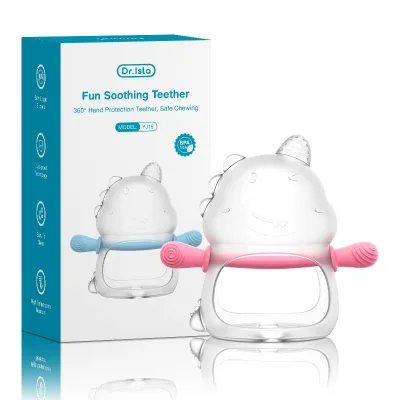
The Dr. Isla teether stands out for its multi-textured surfaces and lightweight, ergonomic designs that cater directly to a baby’s grasping reflex. Unlike basic, single-texture teething rings, these teethers combine various bumps, ridges, and soft bristles on a single device, allowing infants to soothe different areas of their gums as their teeth erupt. The brand’s signature shapes are also engineered to prevent over-insertion, making them a practical choice for independent self-soothing.
However, the ideal teething toy is never a one-size-fits-all solution; the best option depends on your baby’s current developmental stage and chewing intensity. For early front-teeth eruption and babies who struggle to hold heavier objects, the lightweight silicone structure of a Dr. Isla teether offers excellent, manageable relief. For aggressive chewers who require intense counter-pressure, or for families who prefer organic materials, alternative options like hard wooden teethers or natural rubber toys may be more appropriate. Evaluating your baby’s specific chewing style and developmental milestones will guide you to the safest, most effective choice.
What Defines the Dr. Isla Teether Design?
To understand how the Dr. Isla teether compares to other options, it is essential to first examine its core design philosophy. Most teethers from this brand feature a thoughtful combination of soft and firm textures integrated into a single unit. This dual-firmness approach is intentional: the softer portions gently massage tender, swollen gums during early tooth eruption, while the firmer sections provide necessary resistance when a baby begins to bite down harder.
Products mentioned in this guide

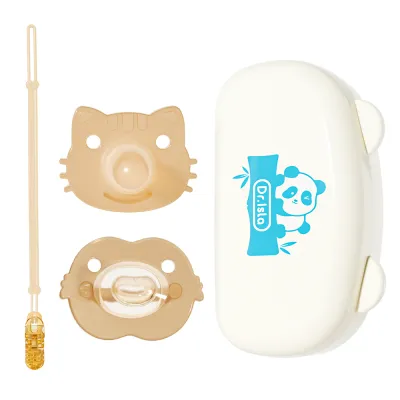
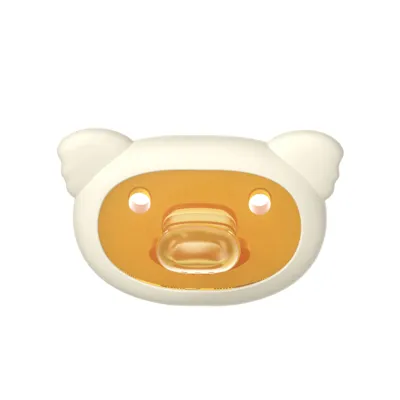
Prices are valid at publication and may change. Please refer to the product page for the latest price.

Another defining characteristic is the physical geometry of the teethers, which often feature extended, slender limbs or textured nubs designed to reach the back molars safely. In the tropical climate of the Philippines, where babies can become particularly irritable due to the combined discomfort of heat and teething, having an easily accessible, self-soothing tool is a major advantage. These shapes are carefully engineered with built-in safety barriers or wide bases to prevent the toy from slipping too far into the baby’s mouth, minimizing the risk of gagging.
These teethers are generally designed for infants starting around three to four months of age, which is when the grasping reflex transitions into voluntary holding. The overall size and weight are kept low, ensuring that tiny hands can grip, rotate, and manipulate the toy without experiencing fatigue. This focus on baby-led grasping encourages fine motor development while giving the infant control over their sensory relief.
While product descriptions highlight safety standards such as the use of food-grade silicone, BPA-free composition, and PVC-free materials, caregivers must remain vigilant. Manufacturing specifications and chemical testing standards can vary. It is highly recommended to inspect the physical product packaging, check for official import seals, and verify these material claims directly on the manufacturer’s official channels before introducing the toy to your child.
Material Safety and Feel: Silicone vs. Alternatives
The material of a teething toy directly influences how safe it is, how it feels against inflamed gums, and how easily it can be maintained in a hygienic state. Parents today are presented with an array of material choices, each offering distinct tactile feedback and requiring different care routines. Understanding the physical properties of these materials is key to matching them with your baby’s evolving sensory and developmental needs.
Silicone Teethers (Like Dr. Isla)
Silicone has become the industry standard for modern teething toys. High-quality, food-grade silicone is inherently inert, meaning it does not leach chemicals, absorb odors, or support the growth of bacteria or mold. In high-humidity environments like the Philippines, where airborne moisture can quickly compromise organic materials, silicone’s resistance to microbial growth is a significant health advantage.
The tactile feel of silicone is uniquely elastic yet firm, providing a springy resistance that mimics the texture of tough foods. When a baby bites down on a silicone teether, the material yields slightly to protect delicate gum tissue while still delivering the firm counter-pressure required to help teeth break through. Furthermore, silicone is highly durable and can withstand extreme temperatures, making it exceptionally easy to sterilize repeatedly in boiling water or steam sterilizers without losing its shape or integrity.
Natural Rubber and Wooden Alternatives
Natural rubber, often harvested from the Hevea tree, offers a softer, more pliable feel and a matte texture that many babies find comforting during the earliest stages of teething. However, natural rubber is a biodegradable material that is highly susceptible to environmental degradation; prolonged exposure to heat and moisture can cause it to become sticky, discolored, or brittle over time. Caregivers must carefully inspect natural rubber teethers before every use for signs of stickiness or tearing, and they must avoid using them entirely if the baby has a known or suspected latex allergy.
Wooden teethers, typically crafted from hardwoods like beech or maple, represent the opposite end of the sensory spectrum, offering a hard, rigid, and unyielding surface. This extreme hardness is highly favored by older babies who are cutting their primary molars and need intense, solid pressure to relieve deep-seated jaw discomfort. When choosing wooden alternatives, it is vital to check for a completely smooth finish, free of splinters or cracks, and to verify that any oil or sealant used is food-safe and non-toxic. Wood cannot be boiled or steamed, as moisture will cause it to swell, crack, and harbor bacteria.
Texture and Grip: Matching the Design to the Teething Stage
As a baby progresses through the teething journey, their sensory preferences and physical capabilities change. The physical structure of a teether—its surface details and overall shape—plays a critical role in how effectively it can target specific areas of discomfort and how easily the baby can use it without constant adult intervention.
Multi-Textured Surfaces vs. Smooth Designs
Teethers with multi-textured surfaces, such as those designed by Dr. Isla, are engineered to address the complex sensations of dental eruption. These toys often feature a strategic layout of tiny raised bumps, parallel ridges, and soft, brush-like bristles on different sections of the device. The bumps mimic the sensation of a gentle finger massage, which helps soothe generalized gum soreness, while the sharper ridges provide localized friction that can help relieve the intense itchiness that precedes a breakthrough tooth. This variety is particularly beneficial when a baby is cutting multiple teeth simultaneously, as they can rotate the toy to find the exact texture that matches their immediate pain point.
In contrast, smooth or uniform teethers offer a single, consistent density and surface texture across the entire toy. While a smooth silicone ring can provide excellent generalized pressure, it lacks the ability to stimulate specific nerve endings in the gums. Smooth designs are often highly effective for very young infants who are just beginning to explore objects with their mouths, but they may quickly lose their appeal as the baby grows older and seeks out more complex, textured surfaces to satisfy their intense chewing urges.
Ergonomic Shapes and Baby-Led Grasping
The overall shape of a teether determines how independently a baby can use it to relieve their own pain. Many traditional teethers are designed as flat discs, thick rings, or wide shield-style shapes that can be difficult for a young infant to hold securely for extended periods. When a baby drops their teether due to a poor grip, it not only interrupts their soothing session but also exposes the toy to floor dirt and household dust.
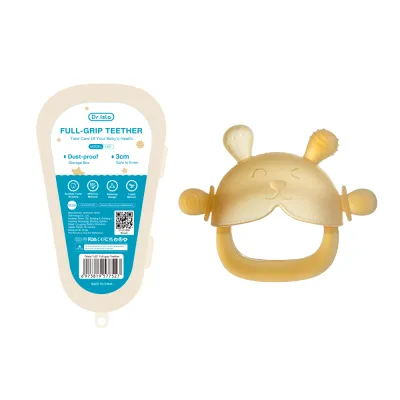
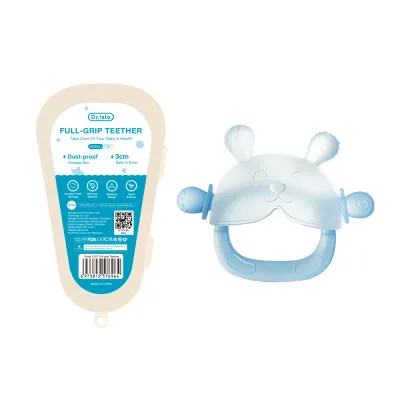
Dr. Isla teethers often incorporate ergonomic handles, open loops, or hollow structures that are specifically sized for tiny fingers to wrap around easily. This thoughtful geometry allows babies to maintain a secure, steady grip even when their hands are wet with drool. More importantly, these ergonomic designs enable baby-led maneuvering, allowing the infant to direct the textured tips of the teether deep into the back of their mouth to reach erupting molars. This independent access to back-of-the-mouth relief is a significant advantage over flat or bulky teethers.
Practicality: Cleaning, Cooling, and Long-Term Durability
For busy parents, the daily practicality of a teething toy is just as important as its immediate soothing effectiveness. A teether must be easy to clean, capable of delivering temperature-based relief safely, and durable enough to withstand months of intense biting and manipulation.
When it comes to hygiene, solid silicone teethers like those from Dr. Isla offer unmatched ease of maintenance. Because high-grade silicone can tolerate high temperatures, these teethers can be quickly sterilized by submerging them in boiling water for a few minutes, placing them in a microwave steam bag, or running them through a standard electric steam sterilizer. This is a crucial feature in warm, humid climates where mold spores and bacteria can multiply rapidly on damp surfaces. In contrast, natural rubber and wooden teethers require much more delicate care; they must be hand-washed with mild soap and warm water, and they can never be boiled, steamed, or soaked. Always consult the manufacturer’s specific care instructions on the packaging to ensure you do not inadvertently damage the materials.
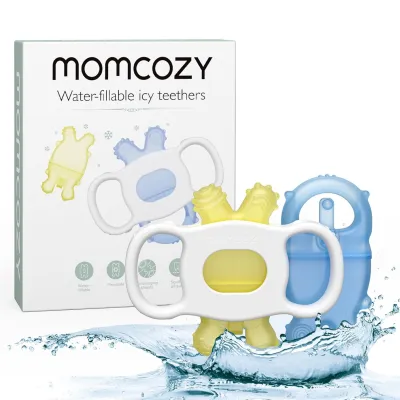
Another major practical consideration is the ability to cool the teether to provide numbing relief to inflamed gums. Solid silicone teethers can be safely placed in the refrigerator to chill, absorbing the cold and slowly releasing it as the baby chews. This is a far safer alternative to older, water-filled plastic teethers, which carry a risk of puncture and leakage; if a baby bites through a water-filled teether, they may ingest contaminated water or plastic fragments. Furthermore, water-filled teethers cannot be sterilized in boiling water, as the heat can cause the sealed liquid to expand and rupture the outer casing.
Durability is the final piece of the practicality puzzle. While silicone is incredibly resilient, no teether is indestructible. Over time, constant exposure to sharp baby teeth, saliva enzymes, and cleaning heat can cause any material to break down. Caregivers should establish a routine of inspecting all teething toys before every use, looking for early signs of wear such as material stickiness, deep discoloration, tiny tears, or loose pieces. If a teether shows any of these signs, it must be discarded and replaced immediately.
Final Verdict: Choosing the Best Teether for Your Baby
Selecting the right teething toy involves balancing your baby’s current developmental stage, their sensory preferences, and your family’s lifestyle needs. To help you make an informed decision, this structured framework compares the strengths of Dr. Isla teethers against other popular market alternatives.
- Choose Dr. Isla if: Your baby is actively cutting multiple teeth at once and needs a variety of textures—such as ridges, bumps, and soft bristles—to massage different areas of their gums. This brand is also ideal if your baby is in a stage of development where they want to hold and maneuver toys independently, as the lightweight, ergonomic handle designs are exceptionally easy for small hands to grasp and direct to the back of the mouth for molar relief.
- Choose a natural rubber alternative if: Your baby is in the very early stages of teething, has extremely sensitive gums, and prefers a softer, highly pliable chew. Natural rubber is also a great option for families who prioritize single-material, biodegradable, and sustainably sourced products, provided they are willing to dedicate extra time to delicate hand-washing and frequent safety inspections.
- Choose a hard wooden teether if: Your baby is an aggressive, older chewer who has already erupted several teeth and tends to quickly wear down or bite through softer silicone or rubber toys. The unyielding, rigid counter-pressure of a hardwood teether is highly effective for deep jaw relief during molar eruption, though it requires careful visual checks for splinters and must be kept completely dry between uses.
- Verify first if: Your baby has any known or suspected latex allergies before purchasing a natural rubber teether, as exposure can cause severe allergic reactions. Additionally, regardless of the brand or material you choose, always verify that the product has undergone rigorous safety testing and carries the necessary non-toxic, food-grade, and chemical-free certifications on its physical packaging before allowing your baby to use it.
Frequently Asked Questions (FAQ)
Can I put a silicone teether in the freezer?
While it can be tempting to freeze a teether to provide maximum cooling relief, pediatricians and safety experts generally recommend chilling teethers in the refrigerator instead of the freezer. Freezing a solid silicone teether can make the material excessively hard and rigid, which can bruise or damage your baby’s delicate, swollen gum tissue and potentially cause frostbite-like irritation. If you are using a water-filled teether, placing it in the freezer is even more dangerous, as the expanding ice can cause the outer plastic shell to crack, leak, or burst entirely. For safe, effective cold therapy, keep a few clean silicone teethers in the main compartment of your refrigerator so you always have a chilled, pliable toy ready for use.
How often should I replace my baby's teether?
There is no strict calendar schedule for replacing a teething toy, as its lifespan depends heavily on how frequently it is used, how aggressively your baby chews, and how often it is sterilized. Instead of relying on a set timeframe, you should perform a thorough safety inspection of the teether before every single use. Gently stretch the material and examine it under good light, checking for any signs of physical wear such as hairline cracks, tears, punctures, deep discoloration, or a sticky texture. If you notice any damage, or if small pieces look like they could easily be bitten off, discard the teether immediately and replace it with a new one to eliminate any potential choking hazards.
Community discussion
Share your experience or ask a question. Comments are reviewed before publication.