
Finding the right flange insert is not about searching for a universally superior brand, but rather about matching the insert to your unique anatomy and breast pump setup. A proper fit is essential for both physical comfort and efficient milk expression. Many standard breast pumps come equipped with 24mm or 28mm breast shields, which are often too large for many breastfeeding mothers. Flange inserts are designed to slide directly into these larger, rigid plastic breast shields to reduce the tunnel diameter, creating a customized fit that aligns with the actual diameter of your nipple.
During a pumping session, your breast tissue undergoes physical changes. The warmth and vacuum suction cause increased blood flow, which typically leads to temporary tissue swelling and changes in nipple elasticity. An insert that feels comfortable at the start of a session might feel restrictive or cause friction as the nipple expands. Therefore, understanding how your tissue behaves under vacuum is key to selecting the right size.
Using an incorrect flange size can lead to immediate and long-term issues. If the insert is too large, too much of the areola is pulled into the tunnel, leading to swelling, bruising, and blocked milk ducts. If the insert is too small, the nipple rubs against the tunnel walls, causing friction, skin grazing, and pain. Observable signals of a poor fit include blanching (the nipple turning white), severe discomfort during or after pumping, and a noticeable drop in milk output despite active pumping sessions.
Products mentioned in this guide
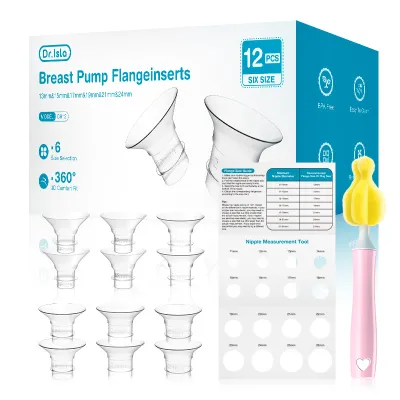
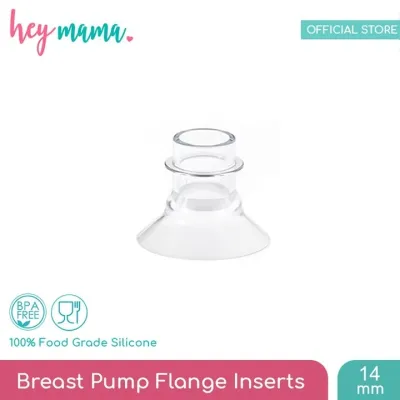
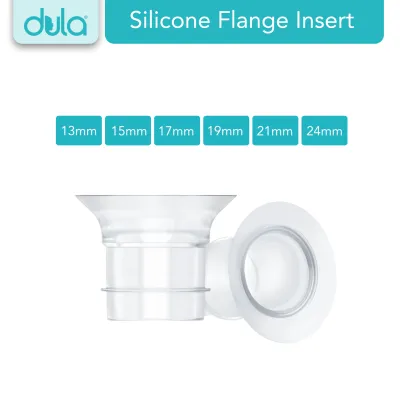
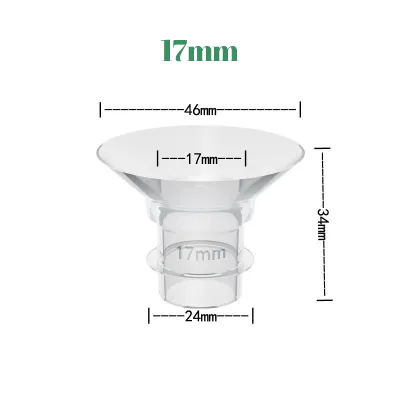
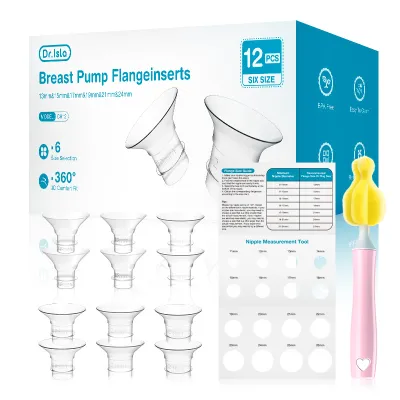
Prices are valid at publication and may change. Please refer to the product page for the latest price.
Key Dimensions for Comparing Dr. Isla and Other Brands
When comparing Dr. Isla flange inserts with other brands available on the market, several technical dimensions must be evaluated. The first is material composition. Most modern inserts are made from food-grade silicone, which is flexible and mimics the soft feel of skin, whereas some alternative brands or older models might use semi-rigid plastics. It is crucial to check the manufacturer’s product labels and specifications to verify that the materials are free from bisphenol A (BPA) and are certified as body-safe for food contact.
Sizing increments are another critical factor. Nipple sizes vary widely, and even a single millimeter can make a significant difference in comfort. Some brands, including Dr. Isla, offer standard sizing steps such as 17mm, 19mm, and 21mm. Other alternative brands might provide more granular increments (like 13mm, 15mm, or 18mm) or sell multi-size starter packs. You must measure your nipple diameter at the base before a pumping session, and then add 1 to 2 millimeters to determine your starting insert size.
Compatibility is a major consideration for mothers who use a variety of local and international breast pump brands. You must verify whether the insert is designed to fit inside a standard 24mm or 28mm shield. Some inserts have a universal fit that works well with wide-neck shields, while others are specifically molded for closed-system wearable pumps or hands-free cups. Always check the manufacturer’s compatibility list to ensure the insert will sit flush against your specific pump’s shield without slipping or blocking the valve path.
The edge design and thickness of the insert also play a vital role in performance. A tapered, ultra-thin outer rim helps the insert blend seamlessly with the base flange, reducing the risk of skin irritation where the silicone meets the plastic. Conversely, a thicker rim might create a noticeable ridge that rubs against the breast tissue during the suction cycle, leading to localized discomfort.
Evaluating Seal, Comfort, and Value
Achieving a proper seal is essential for maintaining the vacuum pressure required to express milk efficiently. To check the seal visually, observe the movement of your nipple inside the tunnel during a pumping cycle. The nipple should move freely back and forth without rubbing against the sides, and only a minimal amount of the areola should be drawn into the tunnel. If you notice air gaps or if the insert slips out of place, the seal is compromised, which will reduce the pump’s suction efficiency.

Subjective comfort is highly personal, but it should never be sacrificed. Pumping should not be painful. If you experience discomfort, do not immediately assume the insert is the wrong size. First, try adjusting your breast pump’s suction settings. Many mothers mistakenly use the highest suction level thinking it will yield more milk, but this often causes tissue swelling and pain. Lowering the suction to a comfortable, expression-stimulating level can resolve many comfort issues.
When evaluating value, consider both the upfront cost and the long-term replacement frequency. On Philippine ecommerce platforms, prices for flange inserts can range from under ₱100 for single generic pieces to over ₱500 for branded multi-packs or specialized designs. While budget-friendly options are appealing, check if they are sold individually or in pairs. Additionally, silicone is a wear-and-tear material that degrades over time due to washing and sterilization. Factor in the cost of replacing the inserts every few months to maintain hygiene and elasticity.
Decision Framework: Which Insert Should You Choose?
You should choose Dr. Isla flange inserts if their available size options match your measured nipple size plus the recommended clearance, and if you prefer a soft silicone material designed to fit standard 24mm or 28mm breast shields. Their widespread availability on local online marketplaces makes them a convenient option for quick replacements.
On the other hand, you should look at alternative brands if you require highly specialized sizing increments (such as very small sizes below 15mm) or if you use a niche breast pump model that requires proprietary, brand-specific inserts. Some alternative brands also offer comprehensive starter bundles containing multiple sizes, which can be highly beneficial if you are unsure of your exact fit or if your nipple size changes significantly postpartum.
Keep in mind that neither option will provide a comfortable experience if your base flange is damaged, warped, or fundamentally the wrong size at the root. An insert cannot correct a poorly designed or cracked breast shield. Before making a purchase, always consult the manufacturer’s official sizing guide, use a physical nipple ruler, or seek guidance from a lactation professional to ensure you are starting with the correct measurements.
Proper Usage, Care, and When to Stop
To maintain the safety and longevity of your flange inserts, you must follow the manufacturer’s official care instructions. Generally, silicone inserts should be washed after every use with warm, soapy water using a mild dishwashing liquid, then allowed to air dry completely. Sterilization methods vary; some brands allow steam sterilization or boiling, while others warn that excessive heat will warp the silicone and ruin the fit. Always verify the temperature limits on the product packaging.
Regularly inspect your inserts for signs of wear. Look closely for micro-tears, discoloration, or a sticky texture, which indicate that the silicone is degrading. A worn-out insert will lose its elasticity, leading to a poor seal and reduced pumping efficiency. Replace the inserts immediately if you detect any physical damage.
Most importantly, listen to your body. If you experience persistent pain, bleeding, cracked skin, or signs of a breast infection such as localized redness, warmth, and fever, stop using the inserts immediately. These symptoms require professional attention. Consult an International Board Certified Lactation Consultant (IBCLC) or your healthcare provider to address the underlying issue and find a safe, comfortable pumping setup.
Frequently Asked Questions (FAQ)
Can I use a flange insert with any breast pump?
No, flange inserts are not universally compatible with every breast pump. While many are designed to fit standard 24mm or 28mm plastic breast shields, compatibility depends heavily on the shape of the shield and the design of the pump. For example, some hands-free wearable pumps or silicone collection cups require specific, proprietary inserts to maintain a proper seal and prevent leaking. Always check the insert manufacturer’s compatibility list against your specific pump model before purchasing.
How do I know if my flange insert is the wrong size?
You can identify an incorrectly sized flange insert through several physical and visual signs. If the insert is too small, you will feel friction or a pinching sensation, and your nipple may look red or blanched (white) after pumping. If the insert is too large, a significant portion of your areola will be pulled into the tunnel, which can cause swelling and block milk flow. A sudden, unexplained drop in milk output during your sessions is also a common indicator that the fit is incorrect and needs to be remeasured.
Community discussion
Share your experience or ask a question. Comments are reviewed before publication.