
Navigating the early stages of motherhood in the Philippines involves balancing family care, physical recovery, and often a return to work after the standard 105-day maternity leave. For many mothers, finding an efficient and affordable breast pump is essential to maintaining a steady milk supply. The Dr. Isla breast pump has emerged as a highly visible, budget-friendly option on local e-commerce platforms, offering electric and wearable designs at a fraction of the cost of premium international brands. However, determining whether it is the right choice for your specific feeding routine depends on several conditional factors, including your daily pumping frequency, lifestyle, and milk supply needs.
Quick Answer: Is the Dr. Isla Breast Pump Right for You?
The Dr. Isla breast pump is generally positioned in the Philippines as an entry-level to mid-range electric option, typically priced between ₱1,000 and ₱3,000. Whether it is the ideal choice for you depends entirely on your lifestyle and lactation goals. This pump is highly suitable for mothers who direct-latch their babies most of the time and only need to pump occasionally to relieve engorgement, build a modest freezer stash, or manage short outings. It also serves well as a lightweight, highly portable secondary pump for the office or travel.
However, if you are an exclusive pumper who relies on a machine for eight or more sessions a day, or if you are actively working to establish a low milk supply, a premium or hospital-grade alternative is generally recommended. These heavy-duty systems offer more consistent vacuum levels, precise cycle adjustments, and robust motors designed to withstand intensive daily use over many months.
Products mentioned in this guide
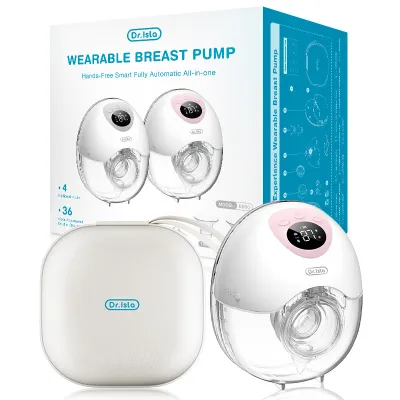
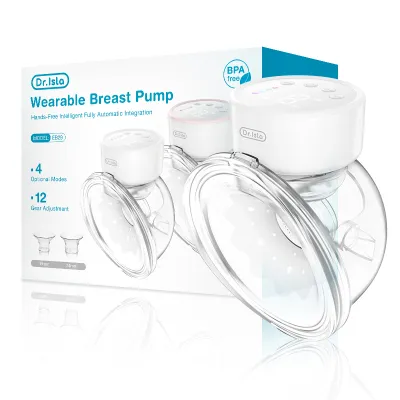
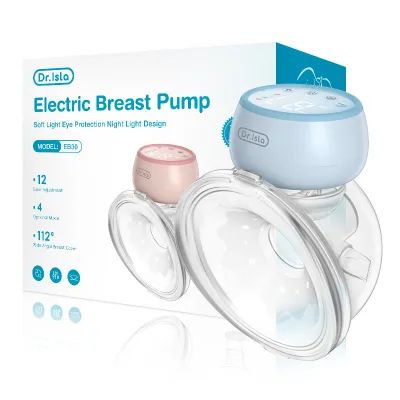
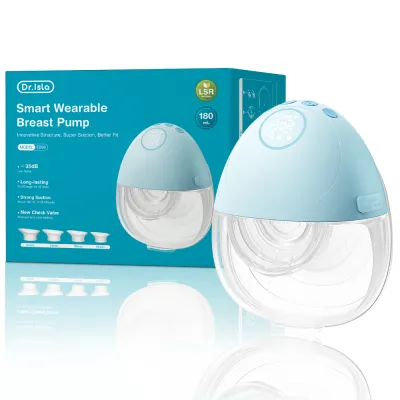
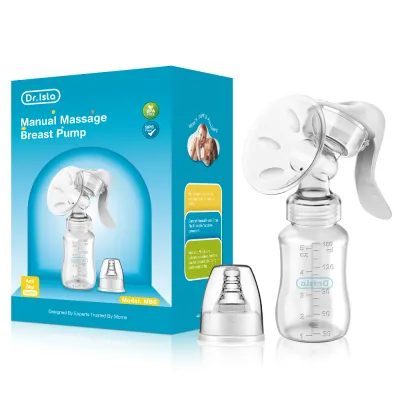
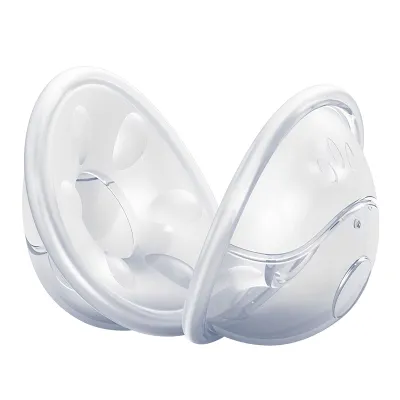
Prices are valid at publication and may change. Please refer to the product page for the latest price.
Core Dimensions to Compare Breast Pumps
When evaluating any breast pump, focusing on a few objective performance criteria will help you make an informed decision that protects your physical comfort and supports your milk supply.

Suction Strength and Cycle Modes A quality pump must mimic a baby’s natural nursing pattern. This process begins with fast, shallow sucks to stimulate the letdown reflex, followed by slower, deeper draws to extract milk. Most modern electric pumps offer separate stimulation (massage) and expression modes. It is critical to choose a pump with adjustable suction levels. Suction strength that is too weak will result in poor milk extraction, while suction that is too strong can cause breast tissue damage, pain, and paradoxically reduce your milk output by triggering stress hormones.
Power Source and Portability Given the active lifestyle of many working mothers and the occasional power interruptions, or brownouts, experienced in various regions of the Philippines, power versatility is a key consideration. A breast pump with a built-in rechargeable lithium-ion battery or USB-C charging capability offers immense flexibility. It allows you to pump during a long commute, at an office desk without a nearby wall outlet, or when the power goes out. Wall-plug-only models, by contrast, severely limit your mobility.
Flange Sizing and Fit The flange is the plastic or silicone funnel that fits directly over your breast. A proper fit is essential for both comfort and efficiency. Many pumps ship with a standard 24mm flange, but many mothers require smaller or larger sizes, such as 19mm, 21mm, or 27mm. If the flange is too large, too much of your areola is pulled into the tunnel, causing swelling and blocked ducts. If it is too small, your nipple will rub painfully against the tunnel walls. You must verify if a brand offers alternative flange sizes or soft silicone inserts.
Noise Level and Discretion Pumping in a shared office lactation room, a communal space, or next to a sleeping baby requires a quiet motor. A loud, vibrating pump can cause anxiety, which directly interferes with the oxytocin release needed for milk letdown. Look for pumps that operate quietly, ideally below 50 decibels, to ensure you can pump discreetly and comfortably in any environment.
Cleaning and Assembly In a tropical, high-humidity climate, bacteria and mold can multiply rapidly on damp surfaces. Every part of the pump that comes into contact with breast milk must be disassembled, washed with dedicated bottle soap, and sterilized after every use. A pump with a complicated design and numerous small parts increases your daily chore load and the risk of contamination. Choosing a model with a simplified, intuitive assembly makes daily maintenance much more manageable.
Evaluating the Dr. Isla Breast Pump: Specs to Verify
To determine if a Dr. Isla model fits your expectations, you must verify several key specifications on the product listing, packaging, or user manual before finalizing your purchase.
Motor Type and Warranty First, verify whether the specific Dr. Isla model you are considering features a closed system. A closed system uses a physical barrier, such as a silicone diaphragm, to prevent milk and moisture from entering the tubing and motor. This is a crucial hygiene feature, as open systems can harbor mold and bacteria inside the motor housing where they cannot be cleaned. Additionally, because Dr. Isla products are often sold by various third-party merchants on online marketplaces, you must carefully check the local warranty terms. A reliable seller should offer a clear warranty on the motor unit, typically ranging from 3 to 12 months, to protect you against early mechanical failures.
Included Accessories and Replacement Parts Review the package contents carefully to calculate the true cost of ownership. Some listings may only include a single pump, while others offer a double electric set complete with bottles, storage bags, or a travel pouch. Furthermore, silicone parts like duckbill valves and diaphragms are wear-and-tear items that stretch and lose elasticity over time, directly reducing suction power. Before buying, verify if these replacement parts are readily available for purchase locally. If compatible valves and membranes are difficult to find, maintaining the pump over several months will become highly challenging.
Material Safety Always check the product packaging or documentation to ensure that all plastic and silicone components that touch your milk are certified BPA-free and DEHP-free. Because these parts are subjected to high-temperature steam or boiling water during daily sterilization, using high-quality, food-grade materials is essential to prevent harmful chemicals from leaching into your baby’s milk.
User Controls Evaluate the interface of the pump. A clear LED screen that displays the current mode, suction level, and elapsed time is highly beneficial, especially during late-night pumping sessions in a dark room. You should also check if the controls allow you to adjust the suction strength and cycle speed independently, or if they are locked into pre-programmed combinations, which can limit your ability to customize the settings for maximum comfort.
Dr. Isla vs. Other Market Categories: A Conditional Breakdown
Dr. Isla vs. Hospital-Grade or Premium Double Pumps
Premium double electric breast pumps, such as those from established brands like Spectra, Medela, or Philips Avent, are engineered for heavy-duty, long-term performance. These systems feature robust motors designed to withstand eight or more pumping sessions daily, making them the standard recommendation for exclusive pumpers or mothers working to increase a low milk supply. They offer highly consistent vacuum pressure and a wide range of precise, independent adjustments.
In contrast, Dr. Isla pumps are designed primarily for portability, convenience, and affordability. While they provide decent suction and modern features like hands-free wearable designs, their smaller motors are not built for the same level of intensive, multi-daily use over many months. If you plan to pump occasionally or need a lightweight backup pump for travel, Dr. Isla offers a highly cost-effective solution. However, if your feeding routine relies entirely on expressed milk, investing in a premium, hospital-grade system is generally more reliable and durable in the long run.
Dr. Isla vs. Basic Manual or Entry-Level Electric Pumps
On the other end of the spectrum are traditional manual pumps and generic, unbranded entry-level electric pumps. Manual pumps are highly affordable, completely silent, and require no electricity, but they rely entirely on manual hand compression. This can quickly cause physical hand fatigue during a full 20-minute session and prevents you from multitasking. Generic, unbranded electric pumps often suffer from loud motors, harsh suction, and poor-quality plastics that make pumping uncomfortable.
Dr. Isla serves as a practical middle ground in the local market. It provides the ease of an electric motor—often in a convenient, hands-free wearable format—at a price point that is highly competitive with mid-range manual pumps. This makes it an attractive option for budget-conscious mothers who want to avoid hand strain and multitask during their sessions. The primary trade-off is motor longevity; while it offers significantly more convenience than a manual pump, you must verify the build quality and handle the unit with care to maximize its operational lifespan.
Decision Framework: Matching the Pump to Your Feeding Routine
To help you decide which type of pump best aligns with your daily routine, consider the following conditional paths:
- Choose the Dr. Isla breast pump if: You are working with a limited budget, primarily direct-latch your baby, and only need to pump 1 to 2 times a day to build a modest milk stash. It is also an excellent choice if you need a lightweight, rechargeable secondary pump to keep at your workplace or use during your commute, or if you want to try a wearable, hands-free design without making a major financial commitment.
- Choose a premium or hospital-grade brand if: You are exclusively pumping, managing a low milk supply, or need a robust machine that can reliably handle 6 to 8+ sessions every single day for several months. These systems offer the motor durability and precise adjustments required to sustain long-term milk production.
- Choose a high-quality manual pump if: You only need to pump occasionally to relieve engorgement, prefer a completely silent option, have a very limited budget, or frequently travel to areas where charging electric batteries is difficult or inconvenient.
- Verify first if: You are experiencing any pain or low milk output. Before assuming your pump is weak or faulty, always measure your nipple diameter to ensure you are using the correct flange size. An ill-fitting flange will cause pain and poor milk extraction regardless of the pump's price or brand. If you experience persistent pain, bleeding, or symptoms of a breast infection like mastitis (such as fever, localized redness, or hard, painful lumps), stop pumping immediately and consult a certified lactation consultant or a healthcare professional.
Frequently Asked Questions (FAQ)
How do I know if my breast pump flange is the correct size?
To find your correct flange size, measure the diameter of the base of your nipple (excluding the areola) in millimeters before you begin pumping. Your ideal flange size is typically 2mm to 4mm larger than your nipple measurement. During a pumping session, observe your nipple’s movement inside the tunnel. In a properly fitted flange, your nipple should move freely back and forth without rubbing against the sides of the tunnel, and very little of your areola should be pulled in. If you experience pain, friction, localized swelling, or notice your nipple turning white, the flange is likely too large or too small. Using the wrong size can restrict milk flow and cause tissue damage, so consider trying alternative sizes or soft silicone inserts.
Can I use a second-hand breast pump motor?
You should only consider using a second-hand breast pump motor if it is verified as a closed-system pump. In a closed system, a physical barrier like a silicone diaphragm prevents air, moisture, and milk from entering the pump’s tubing and motor housing. If you obtain a used closed-system motor, you must discard all previous attachments and purchase a brand-new, sterile personal accessory kit—including new tubing, flanges, valves, and bottles—to ensure complete hygiene. Never use a second-hand open-system pump. Open-system pumps lack a protective barrier, allowing microscopic milk droplets and moisture to enter the internal motor components. Over time, this creates an environment where mold and bacteria can multiply inside the motor, posing a serious contamination risk to your baby’s milk that cannot be cleaned or sterilized. Always verify the pump’s design directly with the manufacturer’s specifications.
Community discussion
Share your experience or ask a question. Comments are reviewed before publication.