
Quick Answer: Is Dr. Isla the Right Breast Pump for You?
Finding the right breast pump in the Philippines can feel overwhelming with the sheer number of options available on local e-commerce platforms. If you are looking for an affordable, straightforward electric breast pump that covers the essentials without requiring a massive financial investment, Dr. Isla is a strong contender. This brand has gained significant popularity among Filipino moms due to its highly accessible pricing and simple, user-friendly operation.
However, the ideal breast pump is never a one-size-fits-all solution. Your choice should depend on your daily pumping frequency, lifestyle, and budget. While Dr. Isla serves as a practical, cost-effective entry point for casual pumpers or those who primarily direct-latch, exclusive pumpers or mothers facing supply challenges may find that they require the advanced suction profiles and heavy-duty motor longevity of premium, hospital-grade brands. Understanding your specific breastfeeding goals is the first step toward making a practical purchase.
Core Criteria for Evaluating Breast Pumps
Before comparing specific brands, it is helpful to establish the criteria that define a high-performing breast pump. Every mother’s body and daily routine are different, meaning a feature that is vital for one mom might be secondary for another.
Products mentioned in this guide
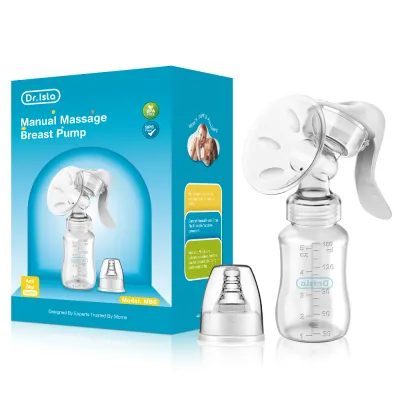
Prices are valid at publication and may change. Please refer to the product page for the latest price.

Suction strength and cycle adjustability are critical for comfort and efficiency. Suction is typically measured in millimeters of mercury (mmHg), while cycle speed refers to how many times the pump suctions per minute. A quality pump should offer adjustable levels so you can mimic your baby’s natural nursing pattern. Always check the manufacturer’s user manual for the exact specifications of the model you are considering.
Portability and weight are major factors for Filipino moms who commute via public transport or need to pump at the office. Heavy, bulky motors can quickly become a hassle to carry daily. Along with weight, consider the noise level. A quiet motor is essential if you need to express milk in a shared office space or in a quiet bedroom while your baby is sleeping.
Ease of daily cleaning is another non-negotiable factor. In a warm, tropical climate like the Philippines, high humidity can encourage rapid bacterial growth if milk residue is left on pump parts. Look for designs with fewer parts, closed systems that prevent milk from backflowing into the tubing, and easily washable components.
Battery life and charging options can make a massive difference in convenience. Models that support USB charging are highly practical, allowing you to power up using a power bank during unexpected power outages or while on the go.
Finally, flange sizing is vital for preventing tissue damage and ensuring efficient milk expression. Standard pumps usually come with a 21mm or 24mm flange, but these do not fit everyone. Using the wrong size can cause friction, pain, and reduced milk yield. It is highly recommended to consult a lactation professional, such as an International Board Certified Lactation Consultant (IBCLC), to measure your nipple size and find the correct flange fit.
Dr. Isla Breast Pump: What to Expect
Dr. Isla offers a range of budget-friendly breast pumps, including portable double electric models and wearable, hands-free designs. These pumps are designed to cater to moms who want modern features without paying a premium price.
Most Dr. Isla electric pumps feature a compact motor unit that can easily fit into a diaper bag or purse. They typically utilize a closed system, which includes a physical barrier (like a silicone diaphragm) to ensure that expressed breast milk does not enter the tubing or motor. This design keeps the system hygienic and simplifies the cleaning process.
When it comes to daily use, assembling a Dr. Isla pump is generally straightforward. The parts—such as the silicone shields, valves, and bottles—are designed to fit together intuitively. For cleaning, you must wash the parts with mild dishwashing liquid and warm water after every use. Always refer to the official product documentation to verify which parts can be safely boiled, steam-sterilized, or UV-sterilized, as excessive heat can warp certain plastics or degrade silicone valves over time.
In terms of performance, Dr. Isla pumps usually offer two main modes: a massage or stimulation mode, which uses fast, light suction to trigger your let-down reflex, and an expression mode, which uses slower, deeper suction to draw out milk. Users can adjust the suction intensity across several levels.
The primary advantage of Dr. Isla is its affordability, often costing a fraction of what premium brands charge. This makes it an incredibly low-risk option for moms who are unsure if they will pump long-term. On the downside, the motor longevity may not match that of high-end hospital-grade pumps, and the suction patterns are generally less customizable. Additionally, the battery capacity, while sufficient for a few sessions, may require more frequent charging compared to premium portable models. Always verify the exact battery specifications, method of use, and material safety certifications, such as BPA-free labels, on the official product packaging before purchasing.
How Dr. Isla Stacks Up Against Other Popular Brands
To understand where Dr. Isla fits into the wider market, it is helpful to compare it against other categories of breast pumps available in the Philippines. Rather than comparing specific models, we can look at how Dr. Isla performs against different market tiers.
Dr. Isla vs. Premium and Hospital-Grade Brands
Premium and hospital-grade brands, such as Spectra or Medela, are engineered for heavy-duty, long-term use. These brands invest heavily in clinical research to develop suction profiles that closely mimic a baby’s physiological sucking patterns. They often feature highly durable motors designed to run multiple times a day for years, making them the standard choice for exclusive pumpers or mothers who need to build up a low milk supply.
In contrast, Dr. Isla serves as a lighter, personal-use pump. While a premium pump offers superior motor durability and highly precise adjustments, it also comes with a significant price tag. For a mom who primarily direct-latches and only needs to pump occasionally to build a modest freezer stash or relieve engorgement, the high cost of a hospital-grade pump may not be justified. Dr. Isla provides a practical, budget-friendly alternative for these standard daily scenarios, though it may lack the specialized power required for clinical supply issues.
Dr. Isla vs. Mid-Range Portable and Wearable Pumps
Mid-range portable and wearable pumps, such as those from Imani or Youha, focus heavily on hands-free convenience. Wearable pumps sit entirely inside your nursing bra, eliminating external tubes and dangling bottles. This design allows you to move around, wash dishes, or work at your desk while expressing milk.
While Dr. Isla does offer wearable models, its traditional portable electric models (which use tubing connected to a separate motor) remain highly popular. Traditional portable pumps generally provide more consistent suction and larger bottle capacities than all-in-one wearable cups. Furthermore, wearable pumps often have more intricate parts to clean and align, and they generally cost more than standard portable electric setups. If maximum discretion and mobility are your top priorities, a mid-range wearable is excellent, but Dr. Isla’s traditional portable models offer a simpler, more affordable setup with reliable suction.
Dr. Isla vs. Budget and Manual Alternatives
On the other end of the spectrum are manual breast pumps and basic silicone milk collectors. Manual pumps require you to squeeze a handle repeatedly to generate suction. They are completely silent, highly portable, require no electricity or batteries, and are very inexpensive.
A manual pump is an excellent backup for travel or power outages, but using one as your primary pump can quickly lead to hand fatigue. Dr. Isla’s entry-level electric pumps bridge this gap perfectly. For a slightly higher price than a manual pump, Dr. Isla automates the suction process, saving you physical effort and allowing you to express milk from both breasts simultaneously if you choose a double electric model. This makes daily feeding routines far more manageable and time-efficient.
Feature and Specification Comparison Matrix
To help you visualize how these categories compare, the table below outlines the general characteristics of each pump tier. Use this matrix as a starting point to align your personal needs with the right category of breast pump.
| Feature/Specification | Dr. Isla Pumps | Premium Brands | Mid-Range Wearables | Manual Pumps |
|---|---|---|---|---|
| Price Tier | Budget-friendly | Premium | Mid-range | Low-cost |
| Power Source | Rechargeable battery (USB) | Mains power / Rechargeable | Rechargeable battery (USB) | Manual (No power required) |
| Portability | Moderate to high | Low to moderate | Excellent (tubeless) | Maximum (pocket-sized) |
| Noise Level | Moderate hum | Quiet to whisper-quiet | Moderate hum | Completely silent |
| Cleaning Complexity | Low to moderate | Moderate | High (multiple small parts) | Very low (minimal parts) |
Please note that this table represents general market averages for these categories. Because product designs and specifications change frequently, you should always verify the current retail prices, battery runtimes, and exact decibel levels on the official product listings or manufacturer websites before making a final purchase.
Pricing, Warranty, and After-Sales Support in the Philippines
In the Philippine market, breast pump prices vary widely. Premium hospital-grade brands can cost anywhere from ₱10,000 to over ₱25,000, while mid-range wearables typically sit between ₱3,000 and ₱8,000. Dr. Isla pumps are firmly positioned in the budget-friendly bracket, often retailing for under ₱2,000. This highly accessible price point makes them incredibly popular for local families looking to manage their household expenses.
However, when purchasing a budget pump, after-sales support is a crucial factor to consider. It is highly recommended to buy your pump only from official brand stores or authorized sellers on major local e-commerce platforms. Buying from unauthorized sellers increases the risk of receiving counterfeit units or older models that do not meet current safety standards.
Always check the manufacturer’s specific warranty terms before checking out. While premium brands often offer comprehensive warranties lasting one to two years with local service centers in major cities like Manila, budget brands may offer shorter warranty periods (such as three to six months) or require you to ship the unit back to the online seller for repairs.
Additionally, consider the availability of replacement parts. Consumable components like silicone duckbill valves, diaphragms, and tubing naturally wear out, stretch, or lose elasticity over time, which directly reduces your pump’s suction strength. Before committing to a specific Dr. Isla model, search online marketplaces to ensure that replacement valves and flanges are readily available and affordable. If you cannot easily find spare parts for a specific model, maintaining the pump over several months of daily use can become difficult.
Decision Framework: Which Breast Pump Should You Choose?
To finalize your decision, consider your daily routine, budget, and breastfeeding goals. You can use the following framework to guide your purchase:
Choose Dr. Isla if:
- You are on a tight budget and want a functional electric breast pump without a large upfront investment.
- You primarily direct-latch your baby and only need to pump occasionally to build a modest milk stash or relieve engorgement.
- You want a simple, lightweight, and USB-rechargeable setup that is easy to transport and use during daily routines.
Choose a Premium/Hospital-Grade Brand if:
- You are an exclusive pumper who relies entirely on expressed milk to feed your baby multiple times a day.
- You have a low milk supply or other supply challenges and require highly precise, clinically backed suction settings.
- You need a heavy-duty motor designed to withstand constant, long-term daily use over many months or years.
Choose a Wearable Pump if:
- You are returning to an active workplace or need to multitask around the house while pumping hands-free.
- You prioritize maximum discretion and do not mind managing a slightly more complex cleaning routine with more individual parts.
- You are willing to pay a higher price for the convenience of a tubeless, wireless design.
Choose a Manual Pump if:
- You only need to express milk on rare occasions, such as during short trips away from your baby.
- You want a completely silent, lightweight backup pump that requires no electricity, making it ideal for travel or power outages.
- You prefer direct nursing and only need a simple tool to collect let-down milk from the opposite breast.
Regardless of the brand or model you select, always prioritize your comfort and physical well-being. Ensure you use the correct flange size, as an ill-fitting flange can cause pain and reduce your milk yield. If you experience persistent pain, bruising, or a sudden drop in milk production, stop using the pump immediately and consult a qualified lactation specialist or healthcare professional for personalized guidance.
Community discussion
Share your experience or ask a question. Comments are reviewed before publication.