
Selecting a breast pump in the Philippines involves balancing cost, daily convenience, and physical comfort. The dr isla breast pump has gained significant traction as an affordable, accessible entry-point electric pump. However, whether it is the right choice for your breastfeeding journey depends on your lactation goals, your daily routine, and your specific physical needs.
To help you make an informed decision, this guide establishes a clear, practical framework based on different maternal lifestyles and pumping requirements:
- Choose Dr. Isla if: You are looking for an economical, portable electric option for occasional pumping, relieving engorgement, building a modest milk stash, or serving as a backup pump. It is highly suitable for mothers who primarily direct-latch and want an electric helper without making a major financial investment.
- Choose premium or hospital-grade brands if: You are an exclusive pumper, managing a low milk supply, returning to a demanding full-time job, or require highly customizable micro-adjustments in suction and speed. These situations demand heavy-duty motors designed for clinical-level durability and multiple daily sessions.
- Choose manual or ultra-mini pumps if: You pump only on rare occasions, travel frequently to areas with limited power access, or prioritize absolute silence and zero reliance on battery charging.
Ultimately, the most effective pump is not defined by brand prestige alone. It relies on how well the device matches your individual anatomy, milk supply goals, and daily environment.
Products mentioned in this guide
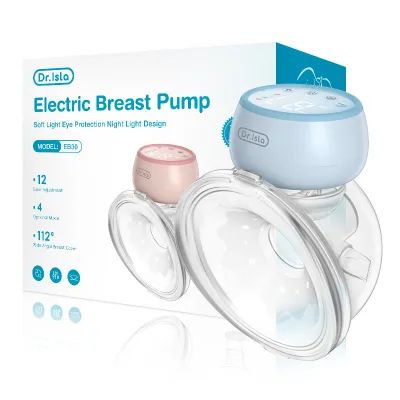
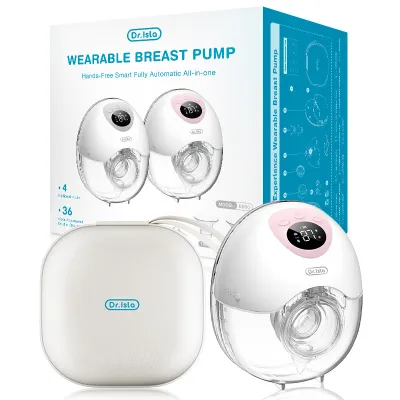
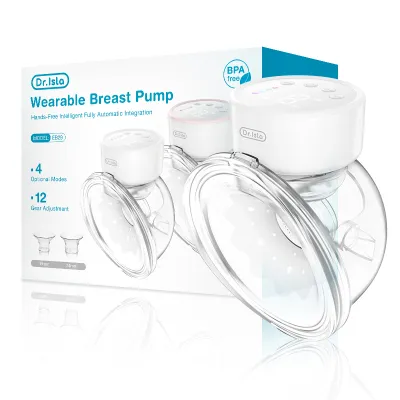
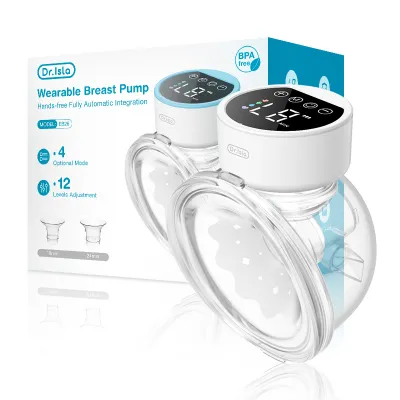
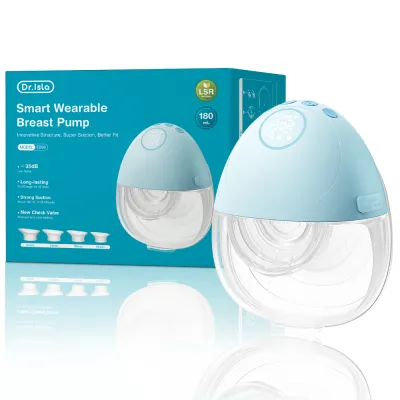
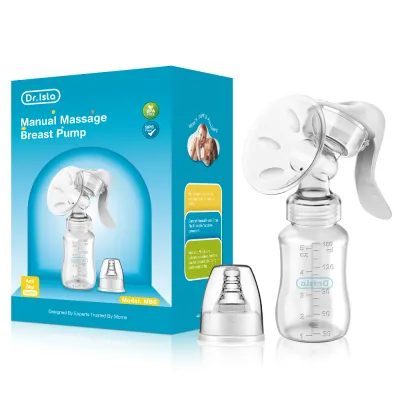
Prices are valid at publication and may change. Please refer to the product page for the latest price.
Core Comparison Dimensions: Suction, Comfort, and Convenience
When evaluating the dr isla breast pump against other options on the market, you must look beyond aesthetic designs and focus on the technical specifications that directly impact your comfort and milk yield. Understanding these core dimensions allows you to compare different brands objectively.
Suction Power and Customizable Modes
Suction power in breast pumps is measured in millimeters of mercury (mmHg). While many budget-friendly brands highlight high maximum suction levels as a primary selling point, higher suction does not automatically translate to more milk. In fact, excessive suction can cause physical discomfort, nipple damage, and anxiety, which triggers adrenaline and actively inhibits your let-down reflex.
When comparing pumps, check the user manual or product specifications for both the suction strength and the available cycling modes. A versatile pump should offer at least two distinct phases:
- Massage/Stimulation Mode: High frequency with low suction to mimic a baby's initial rapid sucks, encouraging the milk to start flowing.
- Expression Mode: Slower frequency with deeper suction to efficiently draw out the milk once the let-down has occurred.
While premium brands often provide micro-adjustments that allow you to fine-tune the speed and suction independently, budget-friendly options like Dr. Isla typically rely on standard, pre-programmed levels. Verify whether the increments between these levels are comfortable for your body, as wider steps in suction strength can sometimes feel too weak on one level and too intense on the next.
Portability, Battery, and Noise Levels
For mothers in the Philippines, local conditions play a significant role in determining the best power source for a breast pump. Frequent power interruptions or brownouts in certain regions make USB-rechargeable lithium-ion batteries highly practical. A built-in rechargeable battery allows you to pump during power outages or while traveling without searching for an electrical outlet.
When evaluating portability, consider these factors:
- Power Source: Verify if the pump uses a built-in rechargeable battery, a wall adapter, or replaceable AA/AAA batteries. Rechargeable units offer the highest convenience but require regular charging cycles.
- Weight and Form Factor: If you plan to pump at work or while commuting, a lightweight motor unit (ideally under 300 grams) or a wearable hands-free design is much easier to manage than a bulky tabletop unit.
- Noise Level: Noise is measured in decibels (dB). For discreet pumping at an office desk or during late-night sessions next to a sleeping baby, look for a motor that operates quietly. Premium pumps often invest in noise-dampening technology, whereas budget models may produce a more noticeable mechanical hum.
Flange Sizing and Material Safety
No matter how powerful a breast pump’s motor is, it will not express milk efficiently if the flange does not fit your breast correctly. The flange is the funnel-shaped plastic or silicone piece that places over your nipple. Using an incorrectly sized flange can cause friction, pain, bruised tissue, clogged milk ducts, and a significant reduction in milk output.
To find your correct size, measure the diameter of your nipple base (excluding the areola) using a ruler or a printable sizing tool before a pumping session. Add 2mm to 3mm to your measurement to find your ideal flange size.
Before purchasing any breast pump, verify what flange sizes are included in the box. Many budget-friendly brands only package a standard 24mm flange. If you require a smaller size (such as 17mm, 19mm, or 21mm) or a larger size (such as 27mm or 30mm), check if the manufacturer sells these sizes separately or if you will need to purchase third-party silicone inserts. Additionally, always check the product documentation to confirm that all parts coming into contact with breast milk are BPA-free and made from food-grade silicone or polypropylene (PP).
Dr. Isla vs. Market Alternatives: Feature and Value Breakdown
To help you visualize where the dr isla breast pump fits within the broader landscape, the table below compares mid-range/budget electric pumps against premium hospital-grade options and basic manual or mini pumps.

| Feature/Dimension | Dr. Isla (Mid-Range/Budget Electric) | Premium Hospital-Grade Brands | Basic Manual / Mini Pumps |
|---|---|---|---|
| Suction Adjustability | Standard preset levels (Massage & Expression) | Advanced micro-adjustments (Independent speed & vacuum) | Manual control via hand lever or simple single-button presets |
| Power Source | Built-in rechargeable battery (USB-C charging) | Heavy-duty motor (Usually requires direct wall plug-in) | Manual (No electricity) or small AAA battery/USB plug-in |
| Portability & Weight | Compact, lightweight, often wearable or pocket-sized | Bulky, heavy tabletop units designed for stationary use | Extremely lightweight, highly portable, fits easily in a handbag |
| Noise Level | Moderate mechanical hum (Verify specific model dB) | Very quiet, advanced noise-dampening technology | Completely silent (Manual) or moderate motor buzz (Mini) |
| Replacement Parts | Check local online marketplaces for authorized stock | Widely available at baby boutiques and major medical suppliers | Readily available for major brands; check manual for compatibility |
Interpreting the Tiers
Mid-range electric pumps like Dr. Isla are engineered to balance essential electric features with affordability. They provide the automated convenience of dual-phase pumping and rechargeable batteries at a fraction of the cost of premium systems. This makes them highly attractive for budget-conscious families.
In contrast, premium hospital-grade brands invest heavily in clinical research, motor durability, and precise suction calibration. These heavy-duty machines are designed to initiate and support milk supply for mothers who cannot nurse directly, such as those with premature infants. Basic manual pumps, while lacking automation, offer unmatched simplicity, zero battery dependency, and complete control over the suction rhythm.
Assessing Long-Term Value and Replacement Parts in the Philippines
When buying a breast pump, the initial purchase price is only one part of the financial equation. To calculate the true cost of ownership, you must consider the availability and cost of replacement parts over your entire breastfeeding journey.
Breast pumps rely on several “consumable” silicone and plastic parts that naturally degrade, stretch, and lose elasticity over time due to regular use, washing, and sterilization. These parts include:
- Duckbill Valves: Small silicone valves that control the direction of milk flow. If they stretch or develop tiny tears, your pump's suction power will drop dramatically.
- Silicone Diaphragms/Membranes: These act as physical barriers to prevent milk from backflowing into the pump motor. Any wear on these parts reduces suction efficiency and poses a hygiene risk.
- Tubing: Over time, condensation or moisture can collect inside the tubing, requiring replacement to prevent mold growth.
In the humid, tropical climate of the Philippines, frequent sterilization is essential to keep parts hygienic. However, constant boiling or steam sterilization can accelerate the wear and tear of silicone components.
Before finalizing your purchase, search local e-commerce platforms and authorized baby stores to verify if replacement parts for your specific Dr. Isla model are readily available and affordable. A budget-friendly pump can quickly become a source of frustration if proprietary replacement parts are constantly out of stock, forcing you to purchase an entirely new pump unit.
Additionally, protect your health and investment by avoiding unauthorized online sellers who may offer counterfeit parts. Counterfeit silicone parts may not meet food-grade safety standards and can compromise the hygiene of your expressed milk. Always check the manufacturer’s warranty terms and confirm whether they have a local customer support presence in the Philippines to handle troubleshooting or motor replacements.
Matching the Pump to Your Breastfeeding Routine
Your daily routine, work schedule, and milk storage goals should ultimately dictate which breast pump category you choose. A pump that works perfectly for a stay-at-home mother might not meet the demands of a mother returning to an office environment.
For Working Moms and Exclusive Pumpers
If you are an exclusive pumper—meaning your baby receives breast milk primarily via bottles expressed through pumping—or if you are returning to a full-time workplace, your pump will undergo heavy daily use. Exclusive pumpers typically pump 8 to 10 times a day, for 15 to 20 minutes per session, to maintain a healthy milk supply.
For this intensive routine, your primary requirements are motor durability, battery reliability, and hands-free convenience. While portable, budget-friendly electric pumps like Dr. Isla offer excellent convenience for occasional use, their smaller motors are not always designed to withstand the wear and tear of multiple daily sessions over several months.
If you choose a budget-friendly portable pump as your primary device for work, consider having a manual pump or a second backup unit in your bag to ensure you never miss a session due to battery depletion or motor fatigue. Alternatively, investing in a premium, heavy-duty double electric pump or renting a hospital-grade machine may provide better long-term reliability and more efficient milk extraction during busy workdays.
For Occasional Pumping and Nighttime Use
If your primary feeding method is direct breastfeeding (latching your baby) and you only pump occasionally, your mechanical requirements are much lower. Occasional pumpers typically express milk to:
- Relieve breast engorgement during long stretches of sleep.
- Build a modest freezer stash for emergencies or occasional outings.
- Allow a partner or caregiver to feed the baby at night.
In these lower-intensity scenarios, spending a large amount of money on a premium hospital-grade pump is rarely necessary. A mid-range electric pump like Dr. Isla provides exceptional value here. It automates the expression process, saving your hands from manual fatigue, without straining your household budget.
For quick nighttime sessions in bed, a compact, rechargeable electric pump or a high-quality manual pump is highly convenient. It allows you to express milk quietly and efficiently without being tied to a wall outlet or waking up the rest of the household.
Frequently Asked Questions (FAQ)
Is the Dr. Isla breast pump considered hospital-grade?
Hospital-grade breast pumps are heavy-duty, multi-user devices designed with high-powered motors, precise clinical settings, and closed systems to prevent cross-contamination. They are typically rented out by hospitals or lactation consultants to help mothers establish milk supply. Personal-use electric pumps, including most models from Dr. Isla, are designed for single-user, everyday convenience and do not carry official hospital-grade clinical certifications. Always check the manufacturer’s official product documentation to verify the specific classification of your model.
Can I use Dr. Isla flanges with other breast pump brands?
Flange and connector compatibility depends entirely on the specific tubing connection styles and bottle thread standards of each brand. Some brands use proprietary locking mechanisms, while others use standard silicone tubing ports. Mixing incompatible parts can cause air leaks, resulting in a sudden loss of suction power and potential damage to your pump motor. Before attempting to mix parts, consult the manufacturer’s compatibility charts or measure the connector diameters carefully to ensure a secure, airtight seal.
How should I store breast pump parts in a humid climate?
In the humid, tropical environment of the Philippines, damp pump parts can easily become breeding grounds for mold, mildew, and bacteria. After every use, wash all washable parts thoroughly with warm, soapy water, rinse them completely, and sanitize them according to the manufacturer’s instructions. Allow the parts to air-dry completely on a clean, dedicated drying rack in a well-ventilated area. Never store damp parts in airtight plastic containers or enclosed cabinets, as trapped moisture promotes bacterial growth. Ensure everything is bone-dry before reassembly.
Community discussion
Share your experience or ask a question. Comments are reviewed before publication.