
Selecting the correct Dr. Brown’s pacifier size and stage requires matching your baby’s current age with the manufacturer’s specific developmental guidelines. While it is tempting to choose a pacifier based solely on aesthetic appeal or immediate availability, the physical dimensions of both the nipple and the shield play a critical role in your baby’s airway safety, comfort, and oral development. A properly fitted pacifier supports natural sucking patterns, while an incorrect size can lead to latch issues, skin irritation, or potential choking hazards. By understanding the structural differences between each stage and observing how the pacifier sits in your baby’s mouth, you can make an informed decision that supports their growth and comfort.
Understanding Dr. Brown's Pacifier Stages and Sizes
Dr. Brown’s categorizes its pacifiers into distinct stages, typically starting from newborn or premature sizes and progressing through infancy and toddlerhood. These stages are not arbitrary; they are engineered to align with the natural growth of a baby’s palate, jaw, and teeth. For instance, younger infants require a softer, more pliable silicone nipple and a smaller shield that does not overwhelm their delicate facial features. As a baby grows, their sucking reflex matures, their jaw strengthens, and their oral cavity expands, necessitating a larger, firmer nipple and a wider shield.
The age brackets printed on the product packaging serve as the primary safety and developmental guide. Parents should prioritize these age recommendations over other milestones like body weight, as oral cavity size does not always correlate directly with overall physical growth. Each stage features specific modifications in nipple length, width, and shape—such as orthodontic profiles designed to minimize pressure on developing teeth—as well as variations in shield size and ventilation. Ignoring these guidelines can result in a nipple that is too long, which may cause gagging, or a shield that is too small, posing a risk of the entire pacifier entering the baby’s mouth.
Products mentioned in this guide
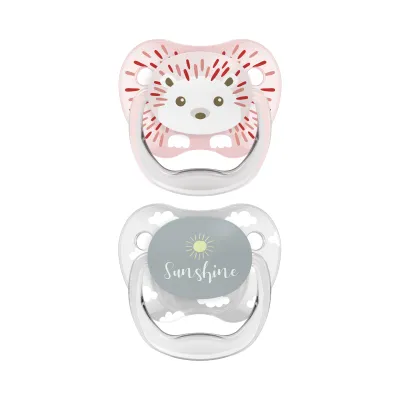
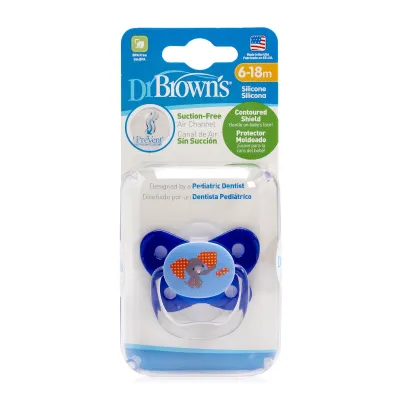
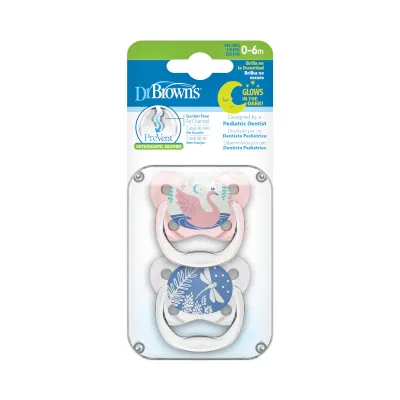
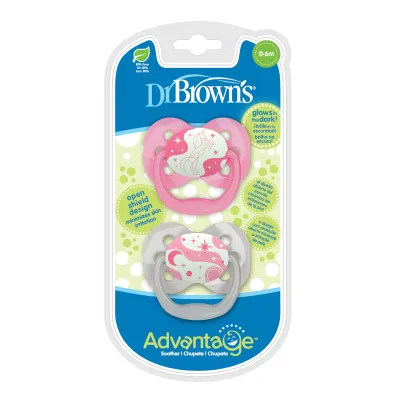
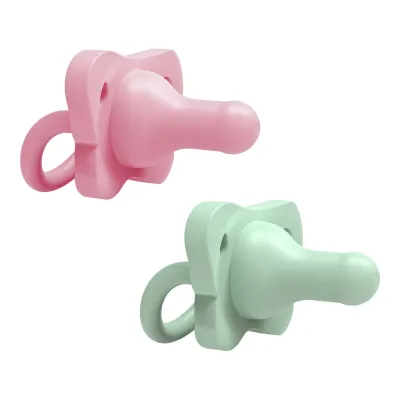
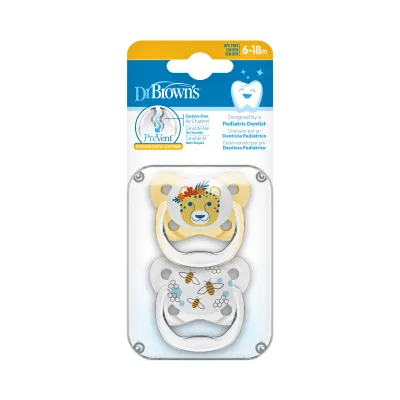
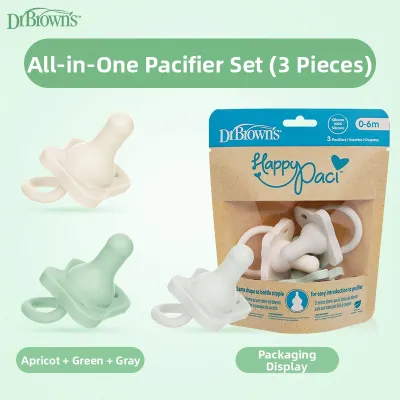
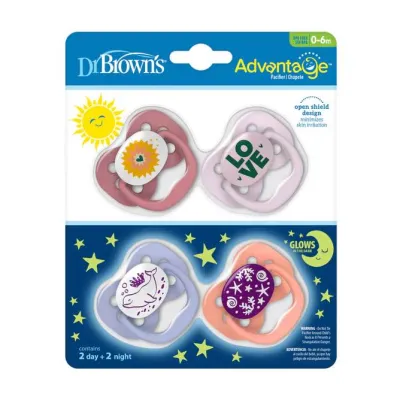
Prices are valid at publication and may change. Please refer to the product page for the latest price.
When exploring the different stages, you will also encounter various nipple shapes, such as rounded bulb shapes and flat orthodontic designs. Rounded nipples are designed to mimic the shape of a bottle nipple, making them familiar and easily accepted by many infants. Orthodontic nipples, on the other hand, feature a flattened bottom that accommodates the tongue’s natural movement and reduces pressure on the developing gums and dental arches. Understanding these design variations helps you choose a stage and shape that aligns with your baby’s feeding habits and oral development.
How to Tell if the Pacifier Size is Right for Your Baby
To ensure your baby is using the correct pacifier size, you must regularly perform physical and visual checks while the pacifier is in use. The shield, or guard, should rest gently against the skin around the mouth without pressing too firmly. In warm, tropical climates like the Philippines, high humidity and sweat can easily trap moisture beneath a tight shield, leading to painful drool rashes, chafing, or localized skin infections. If you notice deep red indentations, persistent redness, or sweat rash around your baby’s lips and cheeks after use, the shield may be too tight or improperly shaped for their facial structure.

The fit of the silicone nipple inside the mouth is equally critical. A nipple that is the correct length allows the baby to maintain a secure, comfortable suction seal without constant effort. If the nipple is too long for your baby’s current developmental stage, it may repeatedly touch the back of their throat, triggering a gag reflex or causing sudden spitting up. Conversely, if the nipple is too short, your baby will struggle to keep it in their mouth, leading to frequent drops, frustration, and fatigue from overworking their jaw muscles.
Paying close attention to your baby’s behavioral cues will also help you assess the fit. If your baby constantly spits the pacifier out, fusses during use, or attempts to turn the pacifier around to chew on the hard plastic shield instead of sucking on the nipple, the current size or shape may no longer be comfortable. These behaviors often indicate that the nipple does not provide the correct sensory feedback or resistance, signaling that it is time to reassess their current stage.
Observe your baby’s lips when they are actively sucking on the pacifier. A proper fit allows the lips to flange outward slightly, resting comfortably against the base of the nipple near the shield, much like a correct latch during breastfeeding or bottle-feeding. If your baby’s lips are tucked inward or if they must constantly purse their lips tightly to hold the pacifier in place, the nipple base may be too wide or the stage may be incorrect. This improper latch can cause air swallowing, leading to increased gas and fussiness.
When to Move Up to the Next Pacifier Stage
Transitioning to the next pacifier stage is a decision driven by both chronological age and observable developmental milestones. Reaching the upper age limit indicated on your current pacifier’s packaging is the most straightforward indicator that you should begin evaluating the next size. Even if your baby seems content with their current pacifier, their oral structure is continuously changing, and a pacifier designed for a younger infant may eventually hinder proper dental alignment or palate development.
Physical changes in your baby’s face and mouth are clear indicators that a transition is necessary. As your baby’s jaw expands, a shield that once fit perfectly may begin to look disproportionately small, or the edges of the shield may sit too close to their nostrils, potentially obstructing their breathing. Additionally, you may notice that the baby has to stretch the silicone nipple excessively to maintain a grip, which can cause the material to wear down prematurely and compromise the structural integrity of the pacifier.
The onset of teething and increased bite strength are also critical factors in timing the transition. When babies begin to sprout their first teeth, their urge to bite and chew increases significantly. Pacifiers designed for older stages are typically constructed with thicker, more resilient silicone to withstand this increased biting force. If you notice your baby aggressively biting the pacifier rather than sucking, or if you observe rapid wear on the nipple, it is a clear sign that they require the sturdier design of the next developmental stage to ensure safety.
It is also important to monitor how easily the baby can pull the pacifier into their mouth. If your baby can easily fit the entire pacifier—including the shield—into their mouth, the pacifier is far too small and poses an immediate, severe choking hazard. In this situation, you must confiscate the pacifier immediately and transition to a larger stage with a wider, more robust shield that cannot be swallowed.
Safety Checks and Daily Maintenance
Maintaining a strict daily safety and cleaning routine is vital to protect your baby from hygiene risks and physical hazards. Before every single use, caregivers must perform the “pull test” to verify the structural integrity of the pacifier. To do this, firmly grasp the base of the shield with one hand and pull the silicone nipple vigorously in all directions with the other. This test helps identify micro-tears, hairline cracks, or structural weaknesses where the nipple connects to the shield, which could cause the nipple to detach and pose an immediate choking hazard.
Proper cleaning and sterilization protocols must be followed according to the manufacturer’s instructions printed on the packaging. In warm, humid environments, bacteria and mold can multiply rapidly on damp surfaces, making thorough drying after washing essential. Depending on the specific Dr. Brown’s model, sterilization methods may include boiling the pacifier for a designated number of minutes, using a top-rack dishwasher, or utilizing a steam sterilization bag. Always allow the pacifier to cool completely and squeeze out any trapped water from inside the nipple before giving it back to your baby to prevent accidental burns.
Water can easily enter the hollow bulb of the silicone nipple during washing or sterilization. If this water is left inside, it can become a breeding ground for bacteria or mold, especially in tropical climates. After cleaning, always hold the pacifier by the shield with the nipple pointing downward and squeeze the bulb firmly several times to expel any trapped moisture, then let it air-dry completely in a clean, well-ventilated area.
Knowing when to discard and replace a pacifier is just as important as daily cleaning. Regardless of how long you have owned the pacifier, you must replace it immediately if you observe any signs of material degradation. These signs include stickiness, discoloration, swelling of the silicone, cloudiness, or any visible cracks or tears. Using a degraded pacifier increases the risk of material failure during use, so keeping a small inventory of backup pacifiers of the correct stage is highly recommended.
Buying Checklist for Online and In-Store Purchases
When purchasing a new pacifier, parents must exercise caution to ensure they receive the correct, authentic product that matches their baby’s needs. Always verify the exact age and stage printed directly on the front of the physical packaging rather than relying solely on the product titles or descriptions listed on e-commerce platforms. Online listings can sometimes contain typographical errors, outdated information, or generic descriptions that do not accurately reflect the specific stage of the product inside the box.
Take the time to examine the shield design and ventilation features of the specific model you are purchasing. For babies living in warm climates or those who drool heavily, selecting a model with large ventilation holes is crucial to promote airflow and keep the skin dry. Ensuring the shield design matches your baby’s skin sensitivity will help prevent discomfort and irritation during extended periods of use.
To guarantee safety and material quality, purchase pacifiers only from authorized retailers, official brand stores, or reputable pharmacies. Counterfeit baby products are a persistent concern on online marketplaces, and these unauthorized imitations may be manufactured with substandard materials, unsafe colorants, or plastics containing harmful chemicals. Verifying the seller’s credentials and purchasing from trusted sources ensures that the pacifier has undergone rigorous safety testing and complies with international standards.
Additionally, inspect the physical packaging for any signs of tampering, water damage, or prolonged exposure to heat. In tropical regions, products stored in non-air-conditioned warehouses can degrade before they even reach the retail shelf. If the packaging appears faded, warped, or brittle, the silicone inside may have been compromised by extreme temperatures. Choosing products with pristine, sealed packaging ensures that the silicone remains in optimal condition for your baby’s use.
Frequently Asked Questions (FAQ)
Can I use a 6+ month pacifier for a younger baby with a large mouth?
No, you should not use a pacifier designed for an older stage on a younger baby, regardless of their physical size or mouth shape. Pacifiers engineered for older infants feature larger, stiffer shields and longer nipples that can easily block a younger baby’s airway or trigger a severe gag reflex. The ventilation holes and shield contours are also specifically designed for the facial structure of older babies, meaning a larger pacifier could press against a younger infant’s nose and restrict their breathing. Always adhere to the manufacturer’s minimum age requirements to ensure your baby’s safety.
How often should I replace my baby's Dr. Brown's pacifier?
As a general safety practice, pacifiers should be replaced every one to two months of regular use, even if they do not show obvious signs of wear. However, this timeline is a general guideline, and parents must always prioritize the specific replacement instructions provided on the product packaging. If your daily pull tests or visual inspections reveal any stickiness, discoloration, swelling, or tiny tears in the silicone, you must discard and replace the pacifier immediately, regardless of how recently it was purchased.
Community discussion
Share your experience or ask a question. Comments are reviewed before publication.