
Determining the absolute best baby wipe for sensitive skin requires matching a product’s specific formulation to your baby’s unique skin triggers. Without independent clinical testing data comparing Dove wipes directly against every competitor, no single brand can be declared the universal winner. Instead, this guide provides a practical framework to help you evaluate Dove wipes alongside other popular brands available in the Philippines, focusing on how to read labels, assess materials, and make a safe, informed choice for your baby’s delicate skin.
In a tropical climate where heat, humidity, and sweat can easily irritate a baby’s skin, choosing the right wipe is about more than just convenience. The constant warmth can exacerbate diaper rash and heat rash, making the chemical and physical properties of your chosen wipe incredibly important. By understanding what goes into these products, you can better protect your baby’s skin barrier from unnecessary irritation.
What to Look for in Baby Wipes for Sensitive Skin
Many parents assume that terms like “fragrance-free” and “unscented” are interchangeable, but they represent different chemical realities. Fragrance-free means the product contains no added perfume or scent compounds, which is highly recommended for sensitive skin. Unscented, on the other hand, means the product may contain masking agents or neutralizing chemicals designed to cover up the natural smell of the raw ingredients, which can sometimes trigger contact dermatitis.
Products mentioned in this guide
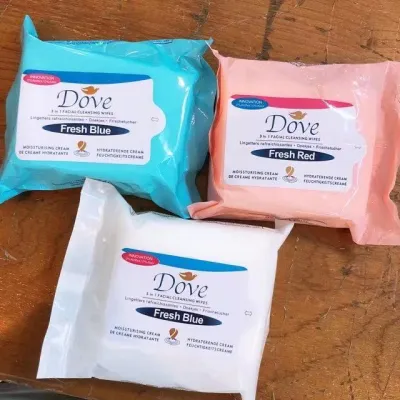
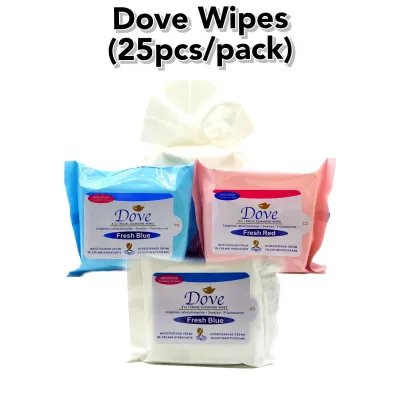
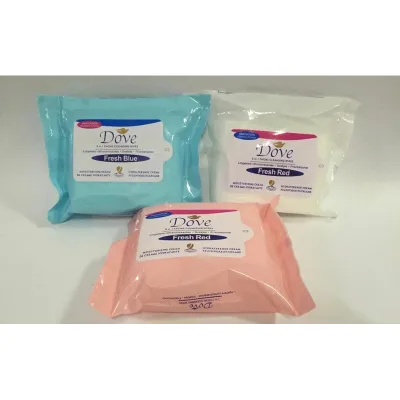
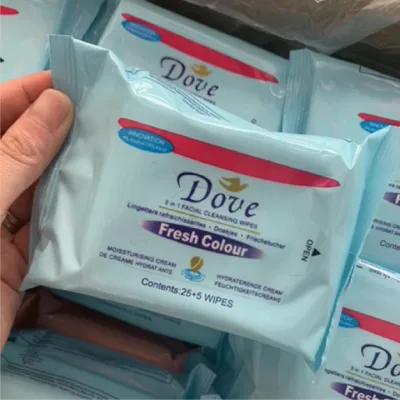
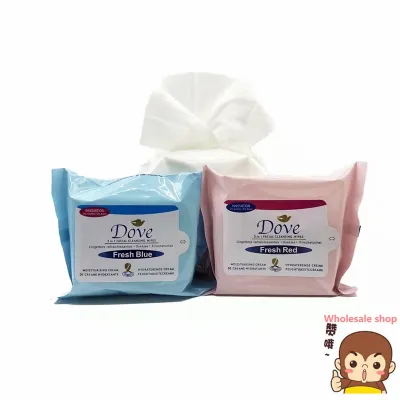
Prices are valid at publication and may change. Please refer to the product page for the latest price.
In a warm, humid environment, preservatives are an absolute necessity in baby wipes to prevent the growth of bacteria, mold, and yeast. Because wipes are pre-moistened and stored in plastic packaging, they can easily become breeding grounds for microbes if not properly preserved. However, the type of preservative matters; parents should look for modern, gentle preservative systems and verify that the product is free from older, high-risk sensitizers like parabens or formaldehyde-releasing agents.
Beyond the chemical formulation, the physical characteristics of a wipe play a massive role in skin health. A wipe that is too thin or rough can cause mechanical irritation from friction, especially when you have to wipe repeatedly to clean up a messy diaper. High-quality sensitive wipes typically feature a thicker, embossed, or textured fabric that lifts messes away in fewer passes, reducing the physical rubbing that can compromise a baby’s delicate skin barrier.
Moisture retention is another critical physical factor to consider. In tropical climates, wipes can dry out quickly once the package is opened, especially if the seal is weak or left slightly ajar. A wipe that loses its moisture becomes abrasive and loses its ability to cleanse effectively without excessive pressure, so evaluating how well a pack retains its moisture from the first sheet to the last is essential.
Key Comparison Dimensions for Dove Wipes and Competitors
When comparing Dove wipes to other popular brands in local supermarkets and online marketplaces, you must look past the colorful packaging and evaluate specific, observable traits. This systematic approach helps you understand what you are paying for and how the product will perform during daily use.

Labels like “dermatologically tested,” “hypoallergenic,” or “pediatrician-approved” are common, but they are not standardized legal terms. To verify these claims, look at the back of the packaging for details on independent testing or certifications from recognized dermatological associations. A truly sensitive-skin-friendly wipe will often list the specific allergens it excludes and provide clear information about its testing protocols.
During a heavy diaper change, a thin wipe can fold, tear, or allow moisture to transfer to your hands, leading to an unhygienic and frustrating experience. Thicker wipes, such as those offered by Dove and premium water-based competitors, provide a more robust barrier. This thickness allows you to fold the wipe and use it multiple times, which often means you use fewer wipes per change, offsetting a higher initial purchase price.
This is where Dove wipes diverge significantly from many of their competitors. While many popular sensitive wipes focus on a minimalist, water-based formula, Dove wipes are known for their lotion-infused, moisturizing approach. This formulation leaves a thin, protective emollient layer on the skin after wiping, which can be excellent for preventing dryness but may not suit babies who react to additional conditioning agents.
How to Evaluate Ingredients and Material Claims
The ingredient list on the back of the pack is your most reliable tool for assessing suitability. Ingredients are listed in descending order of concentration, meaning the first few items make up the vast majority of the formulation. For sensitive skin, a shorter ingredient list is generally easier to evaluate and less likely to contain hidden triggers.
Many brands highlight ingredients like aloe vera, chamomile, calendula, or oat extract on their packaging to signal gentleness. While these botanical ingredients can offer genuine soothing and anti-inflammatory benefits, it is important to remember that natural extracts can still be allergens. If your baby has a known sensitivity to certain plants, even a “natural” wipe can cause a flare-up, so always cross-reference these extracts with your baby’s skin history.
Minimalist wipes typically use purified water combined with a very mild surfactant and a gentle preservative system, designed to clean without leaving any residue behind. In contrast, lotion-infused wipes incorporate moisturizing creams, glycerin, or oils to help rebuild the skin barrier. If your baby’s skin is prone to dryness or peeling, the lotion-infused approach can help lock in moisture, whereas highly reactive skin might thrive better on the residue-free finish of a water-based wipe.
Healthy baby skin has a slightly acidic pH, typically around 5.5, which helps maintain the natural skin barrier and protect against harmful bacteria. Look for wipes that explicitly claim to be pH-balanced. Additionally, check for recognized safety seals or certifications from international allergy organizations, which indicate that the formulation has undergone rigorous review to ensure it is free from common contact allergens.
Decision Framework: Choosing the Right Wipe for Your Baby
Because no single wipe fits every baby, choosing between Dove and other popular brands comes down to matching the product’s characteristics with your baby’s skin type and your daily diapering environment. Use this conditional framework to guide your next purchase.
Choose Dove wipes if your baby has normal to dry skin that benefits from extra moisture, and you prefer a soft, lotion-infused wipe that glides easily over the skin. The emollient properties of Dove wipes are particularly useful in air-conditioned environments where the air can dry out your baby’s skin, or during dry seasons when friction-induced redness is a constant concern.
Choose minimalist water-based competitor wipes if your baby has highly reactive, allergy-prone skin, or if you are dealing with active heat rash where heavy lotions might trap sweat and worsen the condition. These wipes provide a clean, residue-free wash that mimics using a damp cotton ball and plain water, minimizing the risk of chemical irritation.
If your little one suffers from severe eczema, persistent diaper dermatitis, or open skin lesions, do not rely solely on commercial packaging claims. Before introducing any new wipe brand to a compromised skin barrier, consult your pediatrician or a pediatric dermatologist to get a professional recommendation tailored to your baby’s medical needs.
Frequently Asked Questions (FAQ)
Can I use baby wipes on a newborn's face and hands?
Yes, but you must exercise caution and check the packaging to ensure the wipes are specifically labeled as safe for face and hand use. The skin on a newborn’s face is much thinner and more sensitive than the skin on their bottom. Avoid the delicate eye area entirely to prevent stinging, and closely monitor your baby’s cheeks and mouth for any signs of localized redness or irritation after use.
How should I store baby wipes to maintain their moisture and safety?
To keep your baby wipes fresh and free from contamination, always store the package in a cool, dry place away from direct sunlight and heat sources, which can accelerate the breakdown of preservatives. Ensure the plastic lid or adhesive seal is pressed down firmly after every use to prevent the wipes from drying out. Additionally, check the expiration date on the packaging and try to use opened packs within a few weeks to ensure optimal safety.
What should I do if my baby develops a rash after using a new wipe brand?
If you notice a rash, redness, or small bumps developing after introducing a new brand of wipes, stop using them immediately. Cleanse the affected area gently using plain water and a soft cotton cloth, then pat the skin completely dry instead of rubbing. Apply a thin layer of a zinc oxide-based barrier cream if recommended by your doctor, and consult your pediatrician if the rash does not improve within a few days or if it shows signs of infection.
Community discussion
Share your experience or ask a question. Comments are reviewed before publication.