
Choosing between Dove baby lotion and other popular baby lotions in the Philippines comes down to matching the specific formulation to your baby’s skin barrier and the local tropical climate. While Dove is widely recognized for its moisturizing properties, it is not a one-size-fits-all solution. Parents must evaluate how its specific ingredients—such as glycerin and petrolatum—compare to alternative brands that may offer lighter textures for humid days or specialized, fragrance-free barriers for sensitive skin. By understanding how to read product labels and assess your baby’s skin condition, you can make an informed decision that keeps their skin healthy and comfortable.
Core Criteria for Comparing Baby Lotions
To compare baby lotions effectively, you must look past brand names and understand the functional roles of skincare ingredients. Baby lotions generally consist of three primary types of moisturizing agents: humectants, emollients, and occlusives. Humectants, such as glycerin, hyaluronic acid, and panthenol, draw moisture from the air or deeper skin layers into the outer layer of the skin. Emollients, including isopropyl palmitate, stearic acid, and plant oils, fill the spaces between skin cells to smooth and soften the skin texture. Occlusives, such as petrolatum, mineral oil, and dimethicone, form a physical barrier on top of the skin to lock in moisture and prevent water loss.
When scanning ingredient lists, parents should also identify potential irritants that could trigger contact dermatitis or worsen existing skin conditions. Synthetic fragrances, essential oils (such as lavender or chamomile), and certain preservatives (like parabens, formaldehyde donors, or methylisothiazolinone) are common culprits. Even products labeled “natural” can contain botanical extracts that sensitize delicate baby skin.
Products mentioned in this guide
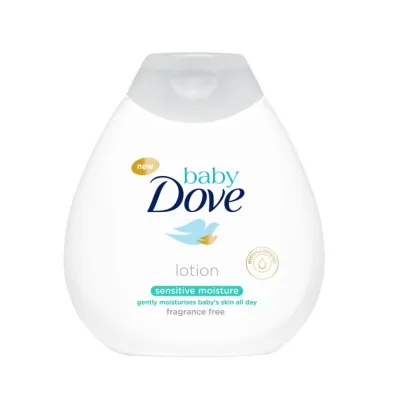
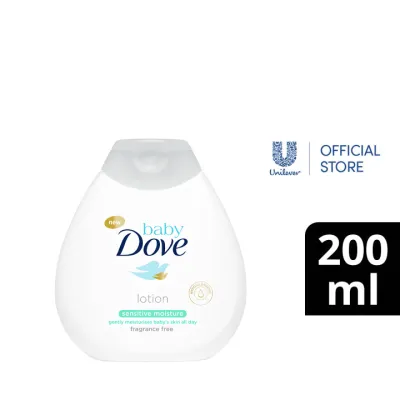
![[BABY BUNDLE] Baby Dove Sensitive Moisture Hair to Toe Body Wash 400ml and Lotion 200ml](https://img.lazcdn.com/g/p/1e8a9019bc4bee0dce6475d0da92c3c3.jpg_400x400q80.jpg_.webp)
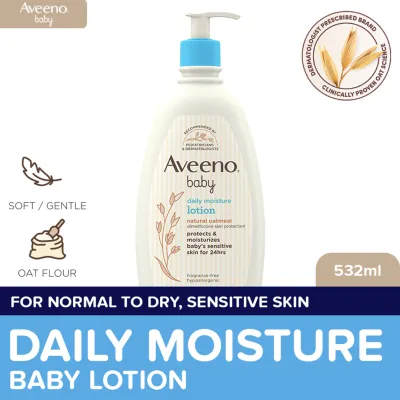
Prices are valid at publication and may change. Please refer to the product page for the latest price.
Additionally, always check the manufacturer’s packaging for specific usage guidelines. Some formulations are designed strictly for babies of a certain age, while others may have warnings against application on broken skin or near the eye area. Verifying these details ensures you are using the product safely and as intended.
How to Evaluate Dove Baby Lotion Variants
Baby Dove offers different product lines in the Philippines, primarily categorized into “Rich Moisture” and “Sensitive Moisture” formulations. To evaluate these options, start by reading the front label and cross-referencing it with the ingredient deck on the back. The Rich Moisture variant typically contains added fragrance and is designed for normal skin, while the Sensitive Moisture variant is formulated without synthetic perfumes to minimize the risk of skin reactions.

It is crucial to understand what claims like “hypoallergenic” actually mean on a product label. In the cosmetics industry, there is no universal regulatory standard for the term “hypoallergenic.” It generally implies that the manufacturer has formulated the product to exclude common allergens, but it does not guarantee that your baby will not experience a reaction. Parents should verify this claim by checking the ingredient list for known sensitizers, especially if their baby has a history of reactive skin.
Texture and price are also practical considerations. Lotions vary from lightweight, water-based fluids to thick, oil-rich creams. When planning your budget, compare the price per milliliter in ₱ across official brand stores and authorized e-commerce platforms. While a larger bottle may seem more expensive upfront, it often provides better long-term value for daily maintenance.
Matching Lotion Formulations to Specific Skin Needs
Matching a lotion to your baby’s skin requires observing their skin’s daily condition and adjusting for the local environment. For babies experiencing severe dryness, flaking, or rough patches, look for formulations with a higher ratio of emollients and occlusives. These ingredients help rebuild the compromised skin barrier and prevent further moisture loss. A thicker cream or ointment is often more effective than a thin lotion for these localized dry areas.
If your baby has highly sensitive, reactive, or eczema-prone skin, prioritize minimal-ingredient profiles. The fewer ingredients a lotion contains, the lower the probability of an adverse reaction. Avoid products containing drying alcohols, artificial dyes, and strong fragrances. Instead, look for soothing agents like colloidal oatmeal or ceramides, which support the skin’s natural lipid barrier without causing irritation.
The tropical climate of the Philippines plays a significant role in how skincare products perform. High humidity and heat mean that heavy, highly occlusive lotions can trap sweat against the skin, potentially leading to heat rash (miliaria) or clogged pores during the day. For daytime use, a lightweight, humectant-rich lotion that absorbs quickly is often more comfortable for the baby. Save the richer, more protective creams for nighttime use, especially if your baby sleeps in an air-conditioned room where the air can dry out their skin.
Decision Framework: Choosing the Right Lotion for Your Baby
To simplify your purchasing decision, use this conditional framework based on your baby’s observable skin signals and product specifications.
Choose Baby Dove or similar standard commercial baby lotions if your baby has normal, healthy skin that only requires daily maintenance. These formulations are excellent for keeping the skin soft and hydrated after bath time, provided your baby has no known allergies to the ingredients or fragrances used in the specific variant you select.
Choose specialized alternative brands if your baby has been diagnosed with eczema, severe atopic dermatitis, or specific contact allergies. In these cases, standard commercial lotions may not provide sufficient barrier repair or may contain trace ingredients that trigger flare-ups. Look for clinical-grade, fragrance-free barrier creams specifically formulated for compromised skin barriers, and verify that they carry recommendations from dermatological associations.
Verify first or consult a pediatrician if your baby has broken skin, oozing rashes, persistent redness that does not improve with standard lotion, or if you notice conflicting ingredient warnings on the product label. Applying cosmetic lotions to active skin infections or open wounds can worsen the condition. A qualified healthcare professional can provide a proper diagnosis and recommend targeted therapeutic treatments.
Frequently Asked Questions (FAQ)
Can I use adult Dove lotion on my baby?
It is not recommended to use adult Dove lotion on a baby’s skin. Adult skincare products are formulated for mature skin barriers, which are thicker and less permeable than a baby’s delicate skin. Adult lotions often contain higher concentrations of active ingredients, stronger synthetic fragrances, and different pH-adjusting agents that can easily disrupt a baby’s natural skin pH and cause severe irritation. Always choose products specifically formulated and labeled for infant use, and check the manufacturer’s age guidelines before application.
How should I patch test a new baby lotion?
To safely patch test a new baby lotion, apply a small, pea-sized amount of the product to a clean, dry area on your baby’s inner forearm or the side of their neck. Leave the product on the skin and monitor the area for 24 to 48 hours, keeping it dry and free from other topical products. If you observe any redness, swelling, itching, tiny bumps, or flaking, wash the area immediately with mild water, discontinue use of the product, and consult a pediatrician. If no reaction occurs after 48 hours, the lotion is generally safe for broader application.

Community discussion
Share your experience or ask a question. Comments are reviewed before publication.