
Your baby or toddler does not automatically require a DHA supplement like Scott’s Emulsion. While docosahexaenoic acid (DHA) is an essential omega-3 fatty acid that supports early brain development and visual acuity, many children obtain sufficient amounts directly from their daily diet. Whether your child requires a supplement depends on their age, feeding method, and daily food choices.
Understanding your child’s nutritional needs can help you make an informed decision without unnecessary spending. Before introducing any liquid vitamin or emulsion, it is helpful to evaluate what they eat, identify potential dietary gaps, and learn how to safely navigate the options available on the market.
How to Tell If Your Child's Diet Provides Enough DHA
For infants under twelve months, breast milk or DHA-fortified infant formula serves as the primary source of nutrition. If a mother consumes a balanced diet containing omega-3s, her breast milk naturally delivers DHA to the nursing infant. Similarly, commercial infant formulas are frequently fortified with DHA to match these levels, often making additional supplementation unnecessary during the first year of life.
Products mentioned in this guide
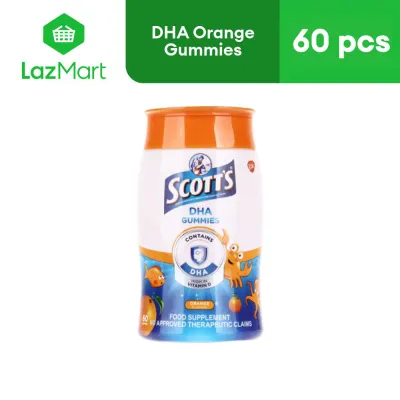
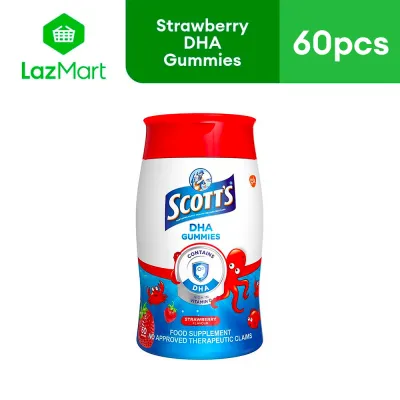

![Scotts DHA Gummies Strawberry + Orange 60s [Pack of 2] Helps Support Brain Development](https://img.lazcdn.com/g/p/57c252d1cbab5822cf70bdee533730fd.png_400x400q80.png_.webp)

![Explorer Pack: Scotts 100% Vitamin C Pastilles 50s [Pack of 4] + DHA Gummies 60s [Pack of 4]](https://img.lazcdn.com/g/p/0d0fe08e93a6dcb615928ed203113acf.jpg_400x400q80.jpg_.webp)
Prices are valid at publication and may change. Please refer to the product page for the latest price.
As toddlers transition to family meals, their DHA intake shifts to solid foods. Natural dietary sources are the most efficient way to meet these nutritional needs. Fatty fish, such as salmon, sardines, and mackerel, are excellent sources of active DHA. In many households, serving fish once or twice a week provides an ample supply of omega-3 fatty acids.
Beyond fresh fish, parents can look for DHA-fortified foods. Many toddler milk formulas, growing-up milks, and even certain brands of eggs are enriched with omega-3 fatty acids. Incorporating these fortified options into a toddler’s regular meals can easily bridge any minor nutritional gaps.
To estimate whether your child is getting enough DHA, consider their weekly food consumption. A toddler who regularly eats small portions of fish, consumes fortified milk, or enjoys enriched eggs is highly likely to meet their baseline developmental requirements. If their appetite is steady and their diet is varied, their natural food intake is generally sufficient, rendering liquid supplements optional rather than essential.
Signs Your Baby or Toddler Might Need a DHA Supplement
While a balanced diet is ideal, many parents face the daily reality of toddler food refusal. Picky eating is a common developmental phase, and fish is a frequent target of texture or smell aversions. If your toddler consistently refuses seafood, eggs, and fortified milks, their natural DHA intake may fall short of developmental recommendations.

Family dietary patterns also play a significant role. Families following strict vegetarian or vegan diets do not consume fish, which eliminates the primary natural source of preformed DHA. While some plant-based foods contain alpha-linolenic acid (ALA)—a precursor to DHA—the human body converts ALA to DHA at a very low rate, especially in young children. In these cases, a targeted supplement may be highly beneficial.
Food allergies present another clear barrier. Children diagnosed with fish or seafood allergies must strictly avoid these foods to prevent severe allergic reactions. Because they cannot consume traditional dietary sources of omega-3s, these toddlers are prime candidates for alternative DHA supplementation, often utilizing plant-derived sources.
It is important to view liquid vitamins and emulsions as nutritional bridges rather than daily necessities for every child. Supplements are designed to fill specific, identified gaps in a child’s diet. If your child does not experience these dietary limitations, introducing a supplement may not provide any additional developmental benefits beyond what their food already delivers.
What to Verify Before Giving Scott's Emulsion or Any DHA Supplement
Before purchasing or administering any liquid supplement, your first step should always be to consult your pediatrician. A qualified healthcare professional can evaluate your child’s growth, assess their specific dietary intake, and confirm whether a supplement is truly necessary. They will also calculate the correct dosage based on your child’s current weight and age, rather than relying solely on generic package guidelines.
When selecting a supplement like Scott’s Emulsion or a similar liquid DHA product, careful label reading is essential. Check the active ingredients list to verify the exact amount of DHA per serving. Many traditional cod liver oil emulsions contain high levels of added vitamins, particularly Vitamin A and Vitamin D. You must verify these levels to ensure they align with your child’s daily nutritional needs.
Because vitamins A and D are fat-soluble, they accumulate in the body rather than being excreted in urine. Exceeding the recommended daily limits can lead to adverse effects, digestive upset, or even vitamin toxicity. This risk increases if your child is already consuming fortified toddler milk or other daily multivitamins. Always cross-reference all dietary sources to prevent accidental overlapping doses.
Always inspect the physical packaging before purchase and administration. Verify that the safety seal is completely intact and has not been tampered with. Check the expiration date printed on the bottle to ensure the product is fresh. Liquid fish oils and emulsions can degrade over time, so using a product well within its shelf life is critical for both safety and efficacy.
Safe Storage and Administration Tips for Liquid Supplements
Liquid DHA supplements, especially those derived from fish oil, are highly sensitive to heat, light, and air. In warm and humid tropical environments, proper storage is vital to prevent the oil from oxidizing and turning rancid. Once opened, most liquid emulsions and fish oils should be stored in the refrigerator. Keep the bottle tightly sealed and away from direct sunlight to preserve its nutritional quality.
Before administering each dose, perform a quick sensory check. Observe the liquid for any noticeable changes in smell, color, or consistency. Fresh emulsions have a characteristic but mild scent, whereas oxidized fish oil will develop a strong, sour, or highly unpleasant rancid odor. If the liquid looks discolored or smells off, discard the bottle immediately.
Toddlers can be highly sensitive to the strong taste or thick, creamy texture of liquid emulsions. If your child resists taking the supplement directly from a spoon, try mixing the recommended dose into cool, soft foods like yogurt, fruit puree, or a cold smoothie. Avoid mixing the supplement into hot foods or warm milk, as high temperatures can degrade the sensitive DHA molecules.
Always use the dosing syringe, cup, or spoon provided with the product to ensure accurate measurement. Standard household spoons vary widely in size and can lead to under- or over-dosing. Finally, store the bottle on a high shelf or inside a locked cabinet. Even though some liquid supplements are flavored to appeal to children, they must always be kept completely out of reach to prevent accidental overconsumption.
Frequently Asked Questions (FAQ)
Can I give my baby DHA supplements if they are still breastfeeding?
If your baby is exclusively breastfed, their DHA intake is directly linked to your own diet. When a mother consumes sufficient omega-3 fatty acids or takes a maternal DHA supplement, her breast milk naturally provides the necessary nutrients for the baby. Directly administering a liquid DHA supplement to a breastfeeding infant is generally unnecessary and should only be done under the explicit guidance of your pediatrician.
What is the difference between fish oil and algae-based DHA?
Traditional liquid supplements, including many emulsions, typically derive their DHA from fish oil or cod liver oil. Algae-based DHA is a plant-derived alternative sourced directly from microalgae, which is what fish consume to accumulate omega-3s in their tissues. Algae-based supplements are excellent options for families following vegetarian or vegan lifestyles, as well as children who have diagnosed fish or seafood allergies. Always check the product label to verify the primary source of the DHA.
Community discussion
Share your experience or ask a question. Comments are reviewed before publication.