
Determining whether your baby needs vitamin D drops is a common question for new parents. Many infants, especially those who are exclusively breastfed, require vitamin D supplementation because breast milk and routine sun exposure rarely provide sufficient amounts. While the tropical climate of the Philippines offers abundant sunshine, keeping an infant directly under the sun carries skin safety risks that make natural synthesis impractical. Before purchasing a supplement, it is essential to evaluate your baby’s specific needs based on their feeding method, environmental factors, and your pediatrician’s guidance. This guide will help you identify potential signs of deficiency and determine the right next steps for your child’s health.
Understanding Your Baby's Vitamin D Needs
Vitamin D plays a fundamental role in your baby’s early growth and development. Its primary function is to assist the body in absorbing calcium and phosphorus from food, which are the building blocks for strong bones and healthy teeth. During the first year of life, an infant’s skeletal system undergoes rapid expansion, making a steady supply of these minerals vital. Without adequate vitamin D, the body cannot utilize the calcium present in their diet, which can impact skeletal integrity.
Beyond bone development, vitamin D supports the normal functioning of a baby’s developing immune system. Because infants have highly specific nutritional requirements that differ significantly from adults, their intake must be carefully managed. While routine supplementation is a common pediatric recommendation worldwide, individual needs can vary. It is always recommended to have your baby’s nutritional status assessed by a healthcare professional before starting any new supplement regimen.
Products mentioned in this guide

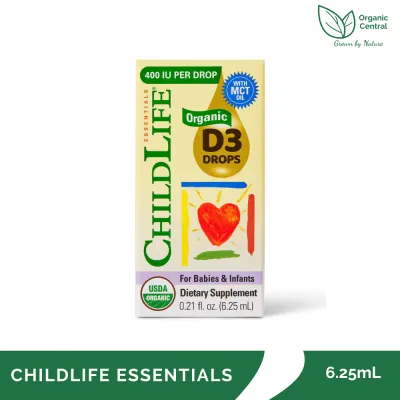




Prices are valid at publication and may change. Please refer to the product page for the latest price.
How Feeding Methods Affect Vitamin D Intake
Your baby’s primary source of nutrition plays a major role in determining whether they require supplemental vitamin D drops. Exclusively breastfed infants are the group most frequently recommended for supplementation. Although breast milk is the optimal source of nutrition, it naturally contains very low levels of vitamin D. Even if a nursing mother takes prenatal vitamins or maintains a balanced diet, her breast milk is unlikely to provide the daily amount of vitamin D her baby needs. For this reason, pediatricians widely recommend starting daily vitamin D drops shortly after birth for breastfed infants.

Formula-fed infants have a different set of nutritional inputs. Commercial infant formulas are systematically fortified with vitamin D to help babies meet their daily requirements. To determine if your formula-fed baby needs additional drops, check the nutrition information label on your specific formula container. Calculate the total volume of formula your baby consumes each day. Generally, if an infant is consuming a substantial daily volume of fortified formula, they may already be receiving their recommended intake of vitamin D. However, you should always verify these calculations with your pediatrician.
For babies who receive a combination of breast milk and formula, the decision to supplement requires a closer look at their daily routine. Mixed-fed infants may or may not need supplemental drops depending on the proportion of formula they consume. If formula makes up only a small part of their daily diet, they likely still need a partial or full supplement dose to bridge the gap. Parents should track the daily volume of formula consumed and share this information with their healthcare provider, who can help calculate the precise supplemental dosage required.
Evaluating Sun Exposure and Environmental Factors
While the human body can synthesize vitamin D naturally through skin exposure to sunlight, relying on this method for infants requires extreme caution. Infant skin is incredibly thin, delicate, and lacks mature melanin protection. This makes babies highly susceptible to sunburn and long-term ultraviolet (UV) damage. Because of these risks, major pediatric guidelines generally advise keeping infants under six months of age out of direct sunlight entirely. This safety precaution makes dietary sources or liquid supplements a much more reliable and safer option for meeting nutritional needs.
Even in a tropical country like the Philippines, where sunlight is abundant year-round, several environmental and physical factors can limit a baby’s natural vitamin D synthesis. High levels of air pollution and smog in urban areas can scatter and block the UVB rays necessary for vitamin D production. During the rainy season, persistent cloud cover and stormy weather significantly reduce sun intensity. Furthermore, to escape the intense tropical heat and humidity, families often keep infants indoors in air-conditioned spaces, further reducing any incidental sun exposure.
Physical characteristics also play a role in how the body processes sunlight. Higher levels of melanin in darker skin tones provide natural protection against UV rays, but this also means the skin requires more time in the sun to produce the same amount of vitamin D. Given the safety recommendations against exposing delicate infant skin to intense tropical sunlight, relying on sun exposure is rarely a practical or safe solution. Consequently, pediatricians look to oral supplements to ensure consistent and safe nutrient levels.
Recognizing Potential Signs of Vitamin D Deficiency
Identifying a vitamin D deficiency in an infant can be challenging because the early signs are often subtle and non-specific. Parents might observe general symptoms such as unusual fussiness, irritability, or a general lack of energy. Another potential indicator is delayed motor milestones, such as a baby taking longer than expected to support their head, sit up, or crawl. Muscle weakness or a seemingly floppy posture during tummy time can also point to underlying nutritional gaps.
In cases of prolonged and severe vitamin D deficiency, infants are at risk of developing rickets. This condition causes the bones to become soft and weak, leading to visible skeletal issues such as bowed legs, widened wrists, or a prominent forehead. It can also cause delayed tooth eruption or weakened tooth enamel. However, these severe physical signs typically only manifest after months of inadequate vitamin D intake. It is crucial to understand that rickets and other severe deficiencies require a formal medical evaluation and cannot be diagnosed at home.
Because visible physical signs often appear only after a deficiency has become advanced, waiting for symptoms to show is not a recommended approach. Proactive assessment based on your baby’s feeding habits, skin safety, and environmental factors is far more practical. If you notice any unusual developmental patterns, persistent fussiness, or physical changes, schedule a consultation with your pediatrician. They can perform a thorough physical examination and, if necessary, recommend specific diagnostic steps to assess your baby’s bone health and nutrient levels.
Next Steps: Consulting Your Pediatrician and Choosing a Supplement
If you suspect your baby is not getting enough vitamin D, the first step is to schedule a visit with your pediatrician. Avoid starting any supplementation on your own, as infants require precise dosages tailored to their weight, age, and feeding patterns. Your pediatrician can evaluate your baby’s overall health, review their daily milk intake, and provide an individualized dosage recommendation. This professional guidance ensures your baby receives the exact amount they need without the risk of over-supplementation.
When selecting a vitamin D supplement, look for liquid drops specifically formulated for infants. It is essential to check the product packaging and ingredient list carefully. Choose drops that are free from unnecessary additives, artificial colors, flavors, or common allergens like gluten and soy. You should also verify that the product has undergone quality checks or third-party testing, which helps ensure the purity and accuracy of the ingredients listed on the label.
The design of the dispensing mechanism is another critical factor to consider. Look for a product that features an accurate, easy-to-use dropper or a single-drop dispensing bottle. Because infant vitamin D drops are highly concentrated, even a small dosing error can lead to giving your baby too much of the nutrient. Always read the manufacturer’s instructions to understand exactly how many drops constitute a single dose, and never use a household spoon or an uncalibrated dropper to administer the liquid.
Proper storage is vital to maintain the stability and safety of the supplement, especially in warm and humid tropical climates. Store the vitamin D drops in a cool, dry place away from direct sunlight, strictly following the temperature guidelines on the product label. Keep the bottle tightly closed and out of reach of children. Always double-check the expiration date before each use, and discard any product that has expired or shows signs of spoilage.
Frequently Asked Questions (FAQ)
Can I mix vitamin D drops with breast milk or formula?
Yes, you can mix vitamin D drops with breast milk or formula, but you must do so carefully to ensure your baby receives the full dose. If you add the drops to a large, full bottle of milk, there is a risk that your baby will not finish the entire serving, leaving some of the supplement behind. To prevent this, it is best to administer the drops directly into your baby’s mouth, following the product’s safety instructions. Alternatively, you can mix the daily dose into a very small amount of expressed breast milk or formula in a syringe or a small spoon, ensuring they swallow the entire mixture before their regular feeding.
What should I do if I miss a day of giving the drops?
If you miss a day of administering the vitamin D drops, do not give your baby a double dose the following day to make up for it. Giving an excessive amount of vitamin D in a single day can be unsafe for an infant’s developing system and may lead to digestive discomfort or other complications. Instead, simply resume your regular daily dosing schedule the next day. If you find that you have missed multiple consecutive doses or if you have questions about maintaining a consistent routine, consult your pediatrician or a pharmacist for personalized advice.
Community discussion
Share your experience or ask a question. Comments are reviewed before publication.