
Ensuring your baby receives the right balance of nutrients is one of the most important aspects of early parenthood. Vitamin D plays a vital role in helping your baby’s body absorb calcium, which is essential for building strong bones and teeth. While our tropical climate offers plenty of sunshine, determining whether your baby actually needs Vitamin D drops is not a one-size-fits-all decision. The answer depends heavily on your baby’s primary feeding method, daily sun exposure, and individual health factors. Before starting any new supplement, a discussion with your pediatrician is the safest and most reliable way to ensure your little one gets exactly what they need.
Assessing Your Baby's Baseline Need for Vitamin D
To understand if your baby requires a Vitamin D supplement, start by looking at how they are fed. Breast milk is the gold standard of infant nutrition, providing essential antibodies and perfectly balanced nutrients for your growing baby. However, breast milk naturally contains very low levels of Vitamin D, even if the mother maintains a healthy diet. For this reason, exclusively breastfed infants are often primary candidates for daily Vitamin D drops.
If your baby is fed a mix of breast milk and infant formula, their baseline need depends on the proportion of each. Infant formulas sold in the Philippines are fortified with Vitamin D to help babies meet their daily nutritional requirements. If your baby is exclusively formula-fed, they may already receive a sufficient amount of Vitamin D from their daily intake, provided they consume the volume recommended by their pediatrician.
Products mentioned in this guide
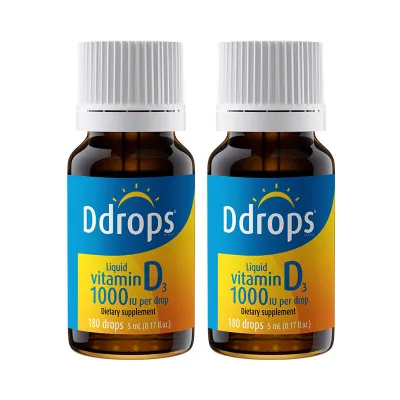

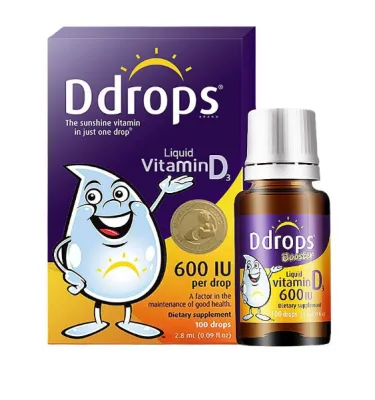
Prices are valid at publication and may change. Please refer to the product page for the latest price.
Sun exposure is another critical factor in how the body produces Vitamin D naturally. In the Philippines, many families practice the tradition of bringing babies out for early morning sunshine. While this can aid in natural Vitamin D synthesis, infant skin is incredibly delicate and highly susceptible to UV damage. Balancing the benefits of sun exposure with the risk of sunburn requires careful management, making it necessary to evaluate your baby’s daily routine.
Ultimately, self-assessment is only the first step in keeping your baby healthy. While observing your feeding routines and outdoor habits gives you a helpful baseline, it should never replace a professional medical opinion. Transitioning from home observations to a formal pediatric evaluation ensures that any decision to introduce supplements is backed by clinical expertise tailored to your baby’s specific growth rate and health history.
Key Variables That Influence Supplementation Decisions
When evaluating whether to introduce D drops, the specific volume of formula your baby consumes daily is a primary variable. For formula-fed or mixed-fed infants, the threshold for adequate Vitamin D intake is closely tied to their total daily consumption. If your baby is drinking less than the standard daily volume of fortified formula recommended for their age, they might not be receiving enough Vitamin D from their diet alone. You can verify the exact Vitamin D content per serving by checking the nutritional panel on your formula packaging.

The realities of local sun exposure also play a major role in this decision. Although the Philippines enjoys a tropical climate, seasonal changes like the monsoon season bring prolonged cloudy days and heavy rains that limit outdoor time. High levels of air pollution in urban areas and extreme midday heat also mean that babies spend most of their time indoors. Furthermore, dermatological guidelines advise keeping infants under six months of age out of direct sunlight entirely to protect their sensitive skin, which significantly limits natural Vitamin D production.
Another often-overlooked factor is the mother’s Vitamin D status during pregnancy. A newborn baby relies heavily on the nutrient stores built up in the womb during the third trimester. If a mother experienced a Vitamin D deficiency during pregnancy, the baby may be born with lower baseline stores, increasing the likelihood that they will require early supplementation. Discussing your own prenatal health history with your pediatrician can provide valuable context for your baby’s current nutritional needs.
Observable Signs and When to Consult a Pediatrician
As a parent, monitoring your baby’s physical development is a natural part of daily care. Vitamin D is crucial for bone mineralization and muscle development, so keeping an eye on physical milestones is highly beneficial. Healthy babies generally progress through milestones like holding their head up, rolling over, and sitting up within standard timeframes. While minor variations in development are completely normal, consistent delays can sometimes point to underlying nutritional gaps that require professional attention.
It is important to understand the boundary between normal infant variations and signs that require a clinical diagnosis. For example, the timing of teething and the gradual closing of the skull’s soft spots can vary widely from one healthy baby to another. Attempting to self-diagnose a vitamin deficiency based solely on these common variations can lead to unnecessary worry or improper supplementation. Only a qualified healthcare provider can accurately interpret these physical signs in the context of your baby’s overall growth chart.
There are, however, specific red flags that warrant stopping your home assessment and scheduling an immediate pediatric consultation. If you notice unusual softening of the skull bones, a noticeable bowing of the legs as your baby begins to bear weight, or significant muscle weakness, seek medical advice promptly. Your pediatrician can perform the necessary physical examinations and diagnostic checks to determine if a Vitamin D deficiency is present and prescribe the correct therapeutic dosage.
Safe Selection and Administration if Recommended
If your pediatrician confirms that your baby needs Vitamin D drops, selecting the right product requires careful attention to detail. Always choose a product specifically formulated for infants, as adult or general pediatric vitamins may contain dosages that are dangerously high for a baby. Carefully read the product label to verify the ingredients, checking for any potential allergens, artificial preservatives, or unnecessary additives. Ensure that the packaging features clear manufacturer instructions and a visible expiration date.
Administering liquid drops to an infant must be done with precision to prevent choking or accidental overdosing. Always use the specific dropper or syringe that comes packaged with the product, as mixing and matching droppers from different brands can lead to incorrect dosing. To administer the drops safely, place a single drop onto your clean finger, your nipple if breastfeeding, or directly onto the inside of your baby’s cheek as directed by the manufacturer. Never drop the liquid directly into the back of your baby’s throat, as this can trigger a gag reflex or cause choking.
Proper storage is essential for maintaining the safety and potency of Vitamin D drops, especially in the warm and humid climate of the Philippines. Store the bottle in a cool, dry place away from direct sunlight, and ensure the cap is tightly sealed after every use to prevent contamination. Keep the supplement bottle completely out of reach of children to avoid accidental ingestion. Always check the liquid before each use; if you notice any changes in color, consistency, or smell, discard the bottle and purchase a new one.
Finally, monitor your baby closely after introducing the drops and be prepared to stop use if you observe any adverse reactions. While Vitamin D drops are generally well-tolerated, some babies may experience mild digestive upset, changes in stool consistency, or skin rashes. If you notice any unusual changes in your baby’s behavior, feeding habits, or physical health, stop administering the drops immediately and consult your pediatrician for guidance.
Frequently Asked Questions (FAQ)
Can babies get enough Vitamin D from breast milk alone?
While breast milk is the ideal source of nutrition for infants, it typically does not contain sufficient levels of Vitamin D to meet a baby’s daily requirements. Even if a breastfeeding mother takes prenatal vitamins or maintains a balanced diet, the amount of Vitamin D passed through breast milk remains relatively low. Because of this natural limitation, pediatric associations frequently recommend that exclusively breastfed infants receive a daily Vitamin D supplement to support healthy bone development.
Is it safe to give Vitamin D drops to a newborn?
Yes, infant-specific Vitamin D drops are designed to be safe for newborns, but they should only be administered under the direct guidance of a pediatrician. A newborn’s digestive and metabolic systems are highly sensitive, making precise dosing critical. Never attempt to guess the dosage or use adult vitamin products, as excessive intake can be harmful. Your pediatrician will recommend a safe, infant-formulated product and provide the exact daily dosage tailored to your newborn’s needs.
What should I do if I miss a day of giving the drops?
If you miss a day of giving your baby their Vitamin D drops, simply skip the missed dose and resume your regular schedule the following day. Never double the dose to make up for a missed day, as giving too much Vitamin D at once can lead to digestive discomfort or other health complications. If you frequently miss doses or are unsure how to get back on track, consult your pediatrician for a personalized plan to keep your baby’s routine consistent.
Community discussion
Share your experience or ask a question. Comments are reviewed before publication.